Best Time to Visit Phuket in 2026: Seasons, Weather & When to Book
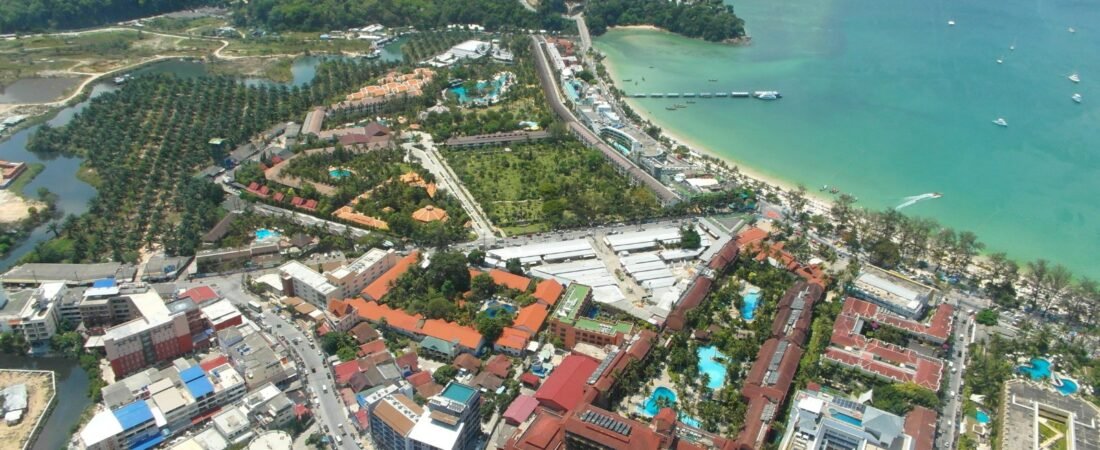
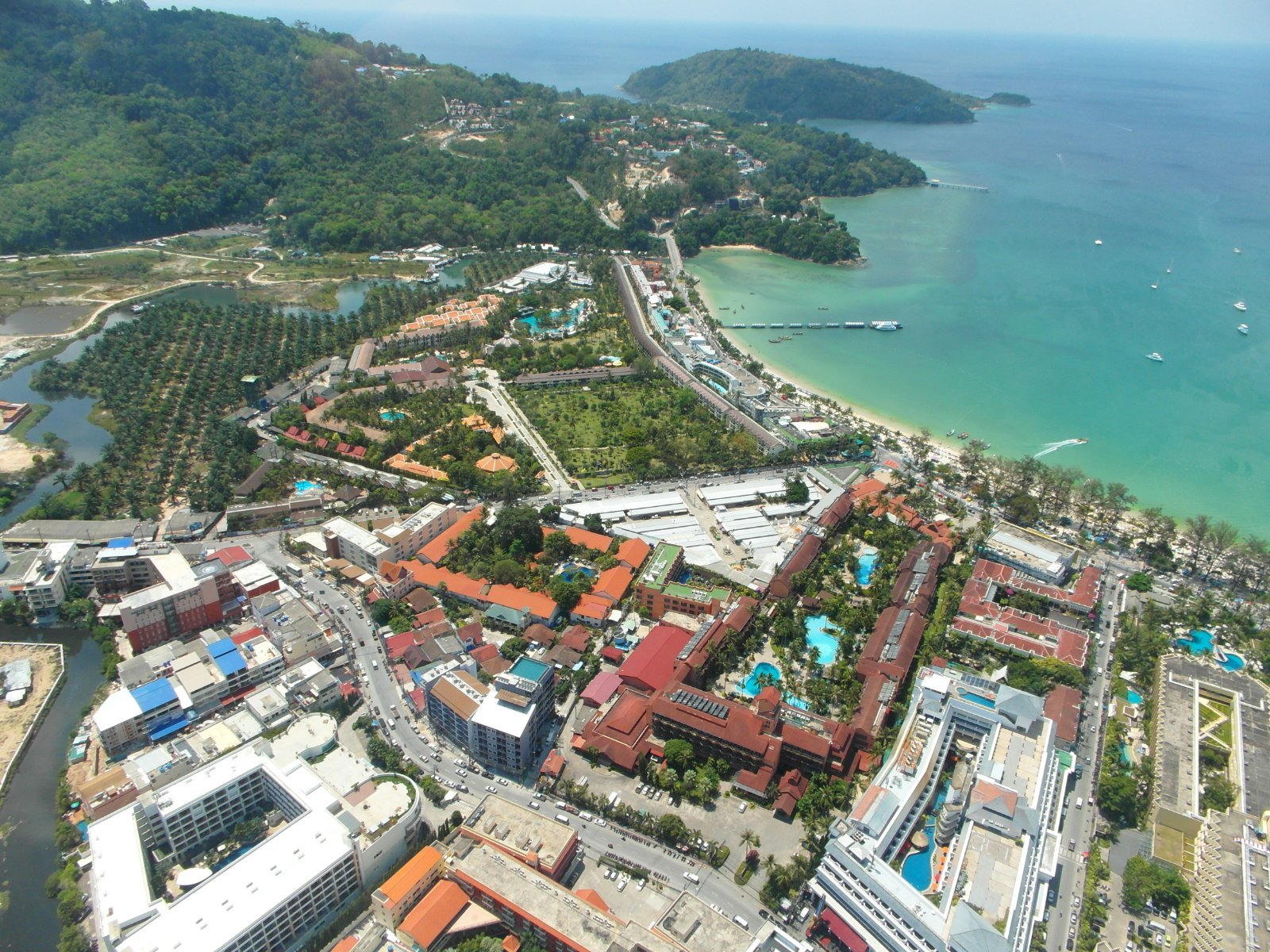
Illustrative island photograph. Not a photograph of the resorts compared below.
Phuket, Thailand’s largest island, is a year-round destination — but the experience shifts dramatically with the seasons. The difference between arriving in a calm, sun-drenched February and a stormy September is the difference between glassy Andaman Sea swims and closed beaches with red warning flags. This guide walks through Phuket’s seasons month by month so you can time your 2026 trip around the weather, crowds and prices that matter most to you.
Research-based guide · Sources reviewed September 20, 2026. Not a first-hand stay review.
Phuket’s three seasons
Phuket has a tropical monsoon climate with three broad phases. The cool, dry high season runs from November to February, with sunny skies, low humidity, calm seas and the year’s best beach conditions — and the highest prices. The hot season from March to May brings rising heat and humidity but still-dry, largely settled weather. The green (wet) low season from June to October is dominated by the southwest monsoon, with heavier rain, rougher seas and the lowest rates. Understanding which phase suits you is the key planning decision.
Month-by-month weather overview
| Months | Season | Weather | Crowds & price |
|---|---|---|---|
| Nov–Feb | Cool & dry (peak) | Sunny, calm seas, low humidity | Busiest, priciest |
| Mar–May | Hot & dry | Very hot, mostly dry | Moderate, shoulder rates |
| Jun–Aug | Green/wet | Rain spells, rougher sea | Quieter, good value |
| Sep–Oct | Wettest | Heaviest rain, biggest swells | Cheapest, quietest |
The best overall time to visit
For most travellers, November to February is the ideal window: reliable sunshine, calm water safe for swimming and boat trips, and comfortable humidity. December and January are the absolute peak, coinciding with Christmas, New Year and Chinese New Year, so book flights and top resorts months ahead and expect premium pricing. If you want peak-season conditions with slightly softer crowds and rates, aim for early November or late February at the edges of the high season.
When to visit for value
Budget-conscious travellers and those who do not mind some rain can find excellent value in the green season, especially June and early July, when downpours are often short and intense rather than all-day, resorts slash rates, and the island is lush and quiet. September and October are the wettest and least predictable months, with the roughest seas and some island boat trips suspended, but also the deepest discounts. If you travel in low season, choose accommodation with good indoor facilities and keep your itinerary flexible.
Timing for specific activities
Beaches and swimming
The Andaman Sea is calmest and safest from November to April. During the monsoon, strong currents and rip tides make some west-coast beaches dangerous, and lifeguards fly red flags — always heed them, as drownings occur every year when swimmers ignore warnings.
Diving and island-hopping
Diving and boat trips to the Similan and Phi Phi islands are best from November to April, when visibility is highest and seas are calm. The Similan Islands national park typically closes during the monsoon, so divers should plan for the dry season. Travellers extending their trip can compare nearby island bases in our wider Thailand and Southeast Asia island coverage, including our Fiji luxury resorts guide for a Pacific alternative and our Perhentian Islands guide for a Malaysian reef contrast.
Festivals
The Phuket Vegetarian Festival, usually in late September or October, is a spectacular cultural event, while Songkran (Thai New Year) in mid-April brings island-wide water fights. Loy Krathong, typically in November, sees floating lanterns and offerings on the water.
Booking tips by season
For high-season travel over December and January, book flights and premium resorts three to six months ahead. In shoulder and low seasons, you can book much closer to travel and negotiate longer-stay discounts. Whatever the season, confirm whether beach and boat activities operate during your dates, and buy travel insurance that covers weather disruptions if visiting in the monsoon. For current advisories and entry requirements, check the Tourism Authority of Thailand and your national travel service before departure.
Frequently asked questions
What is the best month to visit Phuket?
January and February are widely considered the best months, offering sunny skies, calm seas and low humidity, though they fall in the busy, pricier high season. Early November and late February offer similar conditions with slightly fewer crowds.
What months are monsoon season in Phuket?
The southwest monsoon runs roughly from June to October, with September and October the wettest, bringing heavier rain, rougher seas and some suspended boat trips.
Is Phuket worth visiting in the low season?
Yes, if you want lower prices, fewer crowds and lush scenery, and you do not mind rain. Downpours are often short in June and July, though September and October are the least predictable and some sea activities pause.
When is the cheapest time to visit Phuket?
September and October are the cheapest months, at the peak of the wet season, followed by the wider green season from June to October when resort rates fall sharply.