
Best Luxury Resorts in Fiji for 2026: Islands, Overwater & Private Escapes
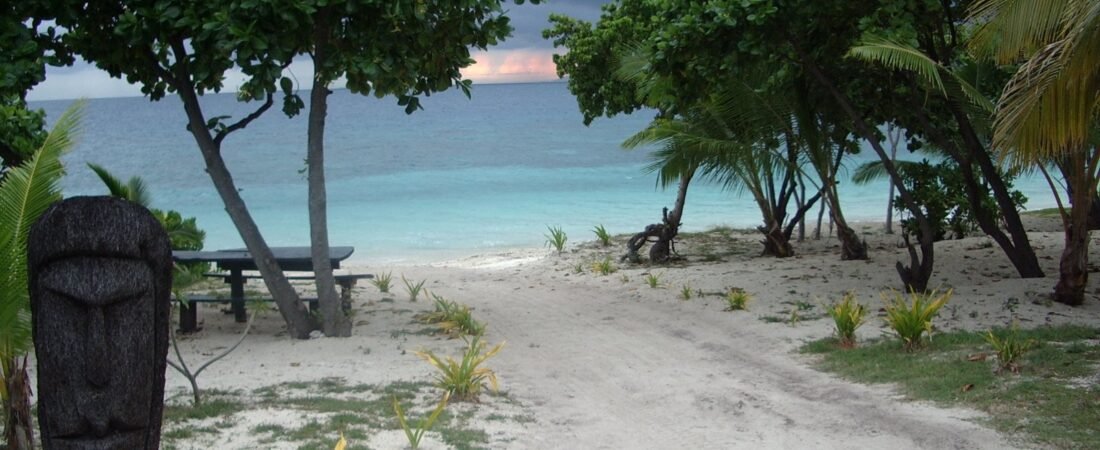
Illustrative island photograph. Not a photograph of the resorts compared below.
Fiji strings more than 330 islands across the South Pacific, and for luxury travellers that scale is the whole appeal: you can pick a barefoot private island, a family-friendly resort a short boat ride from the airport, or a remote dive lodge that takes a seaplane to reach. This guide breaks down where to stay in Fiji in 2026 by region, style and season so you can match a resort to the trip you actually want.
Research-based guide · Sources reviewed September 20, 2026. Not a first-hand stay review.
Understanding Fiji’s luxury regions
Most international flights land at Nadi on the main island of Viti Levu, and where you go from there shapes the entire trip. The Mamanuca Islands sit closest to Nadi, reachable by a 15–45 minute boat or short helicopter hop, which makes them the easiest choice for shorter stays and families. The Yasawa Islands stretch further north into dramatic volcanic scenery and deliver a more remote, adults-oriented feel. The Coral Coast and Denarau on Viti Levu itself suit travellers who want resort comfort without a water transfer, while outer regions like Taveuni and the Kadavu reefs reward divers willing to travel.
Top luxury resort styles compared
Fiji’s high end splits into a few clear categories. Knowing which one fits your group prevents the most common booking regret — arriving somewhere beautiful but wrong for your travel style.
| Resort style | Best for | Access from Nadi | Typical vibe |
|---|---|---|---|
| Private-island (single resort) | Honeymooners, privacy seekers | Boat or seaplane | Exclusive, all-inclusive |
| Mamanuca island resort | Families, first-timers | 15–45 min boat | Easy, activity-rich |
| Yasawa retreat | Couples, adults | Seaplane or catamaran | Remote, romantic |
| Coral Coast estate | Multi-gen groups | Road transfer | Spacious, no boat |
| Dive lodge (Taveuni/Kadavu) | Divers | Domestic flight | Reef-focused, casual-lux |
What “luxury” actually buys you in Fiji
Unlike some island destinations, Fiji’s premium resorts compete less on overwater architecture — true overwater bungalows are rarer here than in the Maldives or Bora Bora — and more on space, service and setting. Expect standalone bures (traditional-style villas) with private plunge pools, dedicated staff who learn your name within a day, and the famous Fijian warmth that repeatedly tops guest surveys.
Villa and bure features to prioritise
- Private pool or direct beach access — the biggest driver of nightly rate and the feature guests miss most when they skip it.
- All-inclusive dining plans — on remote islands where there is only one restaurant, an inclusive plan usually saves money and stress.
- Kids’ clubs and nanny service — the differentiator between family resorts; the best include one complimentary nanny hour or full-day programmes.
- House reef quality — snorkelling straight off the beach varies enormously; ask for recent reef reports before booking.
Best time to visit Fiji
Fiji’s dry season runs roughly May to October, with cooler temperatures, lower humidity and the calmest seas — this is peak for weddings and honeymoons, and prices reflect it. The wetter, warmer season from November to April brings occasional tropical downpours and a small cyclone risk in the January–March window, but also lush landscapes, fewer crowds and the year’s best resort deals. For diving, visibility is strong year-round, while the famous manta ray season in the Yasawas typically peaks between May and October. Shoulder months like May and October often hit the sweet spot of good weather and softer rates.
Fiji for honeymoons versus families
Honeymooners generally gravitate to adults-only or couples-focused private islands in the Yasawas, where the remoteness that frustrates families becomes the point. Families do better in the Mamanucas, where short boat transfers, shallow lagoons and structured kids’ programmes reduce logistical friction. Multi-generational groups often find the Coral Coast easiest, since road transfers avoid the wrangling of getting grandparents and toddlers onto boats. If you are weighing Fiji against other Pacific options, our Cook Islands honeymoon guide covers a quieter, less-developed alternative, while island-hoppers can compare notes with our Lombok luxury resorts guide for a Southeast Asian counterpoint.
Booking tips for a Fiji luxury trip
Book internal transfers when you reserve the room, not on arrival — seaplane and helicopter slots on peak days sell out and last-minute rates are steep. Confirm whether transfer costs are included, as a return seaplane to a remote island can add several hundred dollars per person. If you want overwater or a specific plunge-pool bure, request it in writing well ahead, since inventory is limited. Finally, check resort minimum-stay rules around holidays; many private islands require five to seven nights over Christmas and New Year. For official entry requirements and current advisories, consult Tourism Fiji and your government travel service such as the U.S. State Department travel pages before you go.
Frequently asked questions
Does Fiji have overwater bungalows?
A handful of Fiji resorts offer overwater accommodation, but they are far less common than in the Maldives or French Polynesia. Most Fijian luxury is delivered through beachfront bures and private-pool villas rather than overwater architecture.
How many days do you need in Fiji?
Seven to ten nights is ideal, allowing time to offset the long flights and, if you wish, split your stay between an easy Mamanuca resort and a more remote Yasawa island.
Is Fiji good for families?
Yes. Fiji is one of the most family-friendly Pacific destinations, with resorts offering kids’ clubs, nanny services and calm lagoons, especially across the Mamanuca Islands.
When is the cheapest time to visit Fiji?
The wet season from November to April, outside the Christmas peak, brings the lowest resort rates, though you should plan for occasional rain and a small cyclone risk from January to March.