Best Luxury Resorts in Tahiti, French Polynesia (2026)
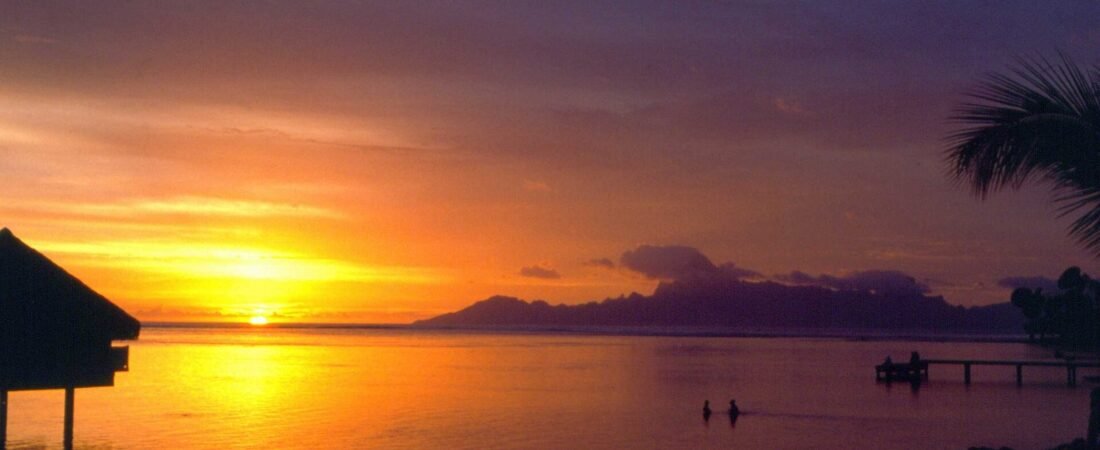
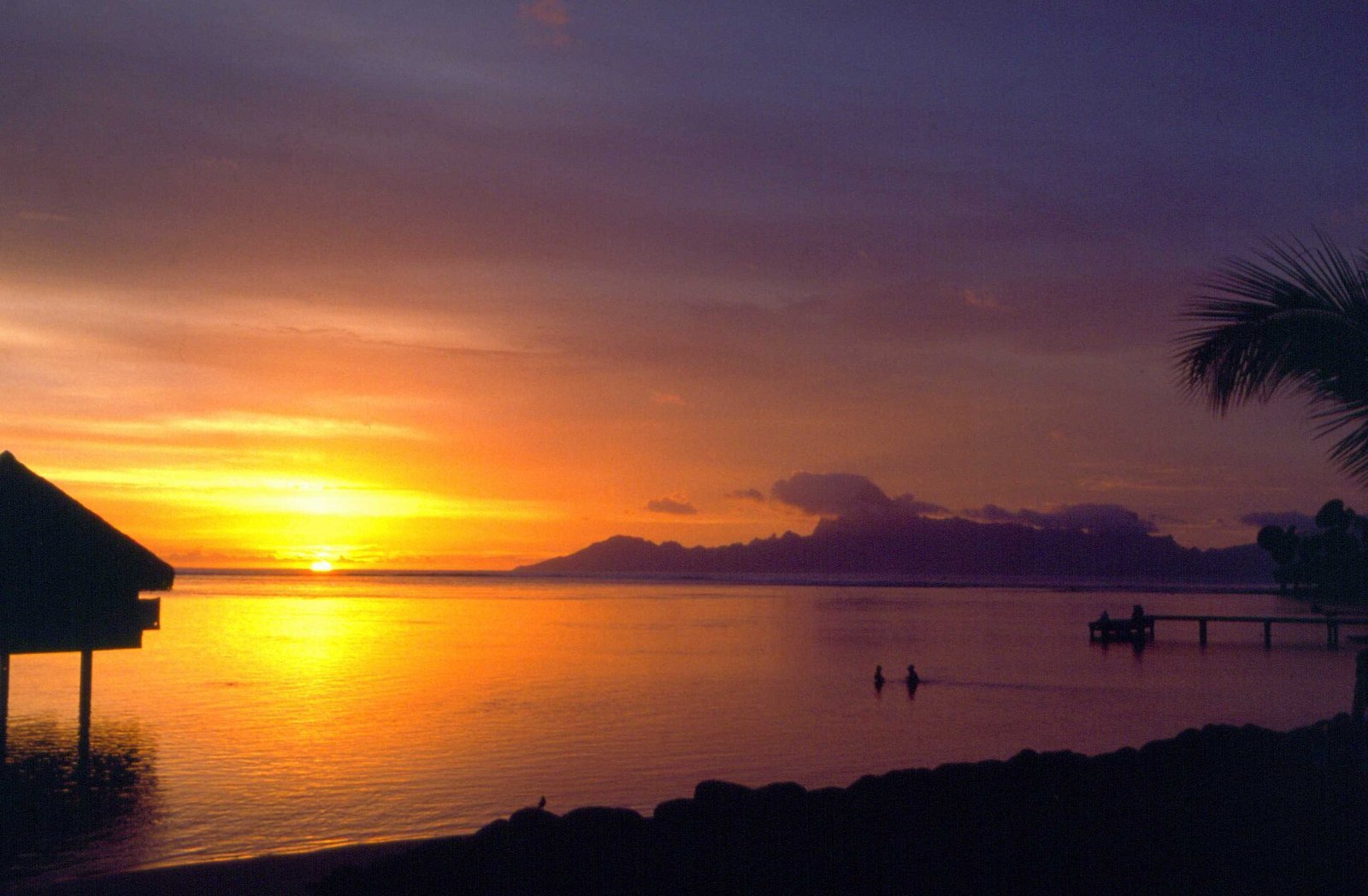
Illustrative island photograph. Not a photograph of the specific resorts described below.
Most visitors treat Tahiti as a one-night stopover before flying on to Bora Bora or Moorea. That is a mistake. The largest island in French Polynesia has black-sand beaches, waterfalls, a genuine surf and food culture, and a handful of comfortable luxury hotels that make an excellent bookend to any island-hopping trip. This guide focuses on Tahiti specifically for travellers who want to give the island real time — not just a transit night — and want to know which hotels, neighbourhoods and experiences are worth it. Details were checked in September 2026; confirm current rates and room categories directly before booking.
Why Tahiti deserves more than a transit night
Tahiti is where French Polynesia’s capital, Papeete, sits, so it carries the archipelago’s culture, markets and nightlife in a way the smaller islands do not. It also has scenery the postcards skip: the wild, surf-battered north coast at Papeno’o, the twin-island shape of Tahiti Nui and Tahiti Iti, and inland valleys with waterfalls and lava tubes. Because it is less resort-saturated than Bora Bora, prices are lower and the feel is more authentic. If you are planning the wider trip, our French Polynesia island-hopping itinerary shows where Tahiti fits, and the Tahiti vs Bora Bora comparison weighs it against the honeymoon icon.
Tahiti at a glance
Tahiti is shaped like a figure eight: the larger, populated Tahiti Nui and the smaller, wilder Tahiti Iti joined by an isthmus. Papeete and the international airport are on the north-west coast, and most hotels lie along that same stretch.
| Factor | Tahiti | Moorea | Bora Bora |
|---|---|---|---|
| Best for | Culture, surf, value, gateway | Scenery, activities | Honeymoon splurge |
| Beaches | Mostly black sand | White sand, lagoon | White sand, lagoon |
| Overwater bungalows | Limited | Some | Many |
| Relative cost | $$ | $$$ | $$$$$ |
| Airport | International hub | Domestic | Domestic |
The best luxury hotels on Tahiti
Tahiti’s upscale hotels are polished, full-service resorts rather than intimate overwater retreats — think swimming lagoons, spas and easy airport access. These are the properties to know.
InterContinental Tahiti Resort & Spa
The island’s flagship, close to the airport on the west coast, with lush gardens, a large infinity pool over a sand-bottomed lagoonarium, multiple restaurants and a spa. It is the most convenient luxury base for arrivals and departures, and one of the few Tahiti hotels with overwater bungalows.
Le Tahiti by Pearl Resorts
A design-led resort on a rare black-sand beach with a striking infinity pool and contemporary rooms. It suits travellers who want a stylish, quieter stay a short drive from Papeete, and it leans more boutique than the InterContinental.
Manava Suite Resort Tahiti
An all-suite property with kitchenettes and one of the longest infinity pools in French Polynesia, good for families and longer stays. It offers strong value and self-catering flexibility, which matters given the island’s high dining costs.
Boutique stays and guesthouses
Beyond the resorts, Tahiti has boutique hotels and family-run pensions, especially out toward Tahiti Iti, that put you closer to surf breaks and local life. For travellers who prefer private space, our guide to villa and overwater alternatives is worth a look.
Where to base yourself
The west coast between the airport and Papeete holds most of the luxury hotels and is the easiest base for a first visit, with quick access to the city market, restaurants and the ferry to Moorea. For surf and seclusion, Tahiti Iti — the smaller eastern peninsula — offers dramatic coastline and the legendary Teahupo’o wave, but far fewer luxury options. The wild north coast around Papeno’o is best explored on a day trip rather than as a base. Most travellers spend their nights on the west coast and range out from there.
Matching a hotel to your trip
| If you want… | Lean toward | Why |
|---|---|---|
| Easy arrival/departure | InterContinental Tahiti | Minutes from the airport, full service |
| Design and quiet | Le Tahiti by Pearl | Boutique feel, black-sand beach |
| Family / long stay | Manava Suite Resort | Suites with kitchenettes, big pool |
| Surf and seclusion | Tahiti Iti pensions | Near Teahupo’o, local atmosphere |
Things to do on Tahiti
Start with the Papeete Municipal Market for pareos, vanilla and Tahitian pearls, then drive the coast road to the Arahoho Blowhole and the Faarumai (Three Waterfalls) valley. Inland, 4×4 tours climb into the Papeno’o Valley past lava tubes and river pools. Surfers and spectators head to Tahiti Iti to see Teahupo’o, one of the heaviest waves on earth. Divers and snorkellers can explore the lagoon and passes, and cultural travellers should time a visit to a dance performance or the annual Heiva festival in July. Whale-watching runs in the same July-to-November window as the rest of French Polynesia. If you are comparing wider South Pacific options, our Fiji luxury resorts guide and Cook Islands honeymoon guide are useful companions.
Getting there and getting around
Tahiti’s Fa’a’ā International Airport is the only long-haul gateway to French Polynesia, with connections from Los Angeles, Auckland, Paris and elsewhere. From Tahiti, the fast ferry reaches Moorea in about 30 minutes and Air Tahiti flies to Bora Bora, the Tuamotus and beyond. On the island, renting a car is the best way to explore the coast road and inland valleys; taxis are expensive and public transport is limited. Because nearly every French Polynesian itinerary begins and ends here, it makes sense to plan at least one full day on Tahiti at the start or end of your trip.
When to go and what it costs
Tahiti shares the archipelago’s climate: a drier, cooler season from May to October and a hotter, wetter season from November to April. The dry season is best for hiking, surf-watching and lagoon time, and July brings the Heiva cultural festival. Tahiti is the most affordable of the main islands, but French Polynesia overall is expensive, with high costs for imported food, dining and inter-island flights. For a month-by-month picture of weather and prices, see our best time to visit French Polynesia guide. For official background, the Tahiti Tourisme site, the Tahiti encyclopedia entry, and Wikivoyage are helpful free references.
Using Tahiti as a base for day trips
One of Tahiti’s underrated strengths is how easily it launches short excursions. Moorea is a 30-minute ferry away, close enough for a full day of lagoon touring and the Belvedere Lookout before returning to your Tahiti hotel — though most travellers prefer to stay on Moorea overnight to make the most of it. Circle-island tours cover the coast road’s waterfalls, blowholes, the Gauguin-associated sites and the Marae Arahurahu temple in a single day. Keen surfers make the pilgrimage to Teahupo’o on Tahiti Iti, while divers arrange trips to the lagoon passes. Because so much is reachable within an hour or two, a west-coast luxury hotel doubles as a comfortable hub for exploring both Tahiti Nui and Tahiti Iti.
Dining on Tahiti
Papeete has the archipelago’s best and most varied eating, from French bistros and Chinese-Tahitian restaurants to the famous roulottes that gather at Place Vai’ete each evening, serving grilled fish, chow mein and crepes at fair prices. Hotel restaurants deliver polished French-Polynesian menus built around fresh tuna, mahi-mahi and poisson cru. Do not miss Tahitian vanilla and locally grown coffee, and if you self-cater, the island’s supermarkets are the best-stocked in French Polynesia — a genuine advantage over the smaller islands where choice is limited and prices higher.
Practical tips before you go
Reserve a rental car in advance for at least the days you plan to explore, since airport counters can sell out in peak season. Carry some cash for markets, food trucks and pensions, and confirm whether your hotel includes airport transfers, as many charge separately. Finally, build in buffer time around inter-island flights and ferries; French Polynesia rewards a relaxed pace, and Tahiti is the natural place to decompress on either end of a longer island-hopping trip.
Culture, pearls and local etiquette
Tahiti is the cultural heart of French Polynesia, and a little context makes a visit richer. The island is the birthplace of modern Tahitian dance, and catching an ori tahiti performance — especially during the July Heiva festival — is a highlight worth planning around. Tahitian black pearls are the signature local buy; reputable dealers in Papeete grade them by lustre, shape and surface, so it pays to compare before purchasing rather than buying from the first stall. French and Tahitian are the everyday languages, though English is widely understood at hotels. Dress is casual and modest away from the beach, tipping is not expected, and a friendly “ia ora na” (hello) goes a long way. Sundays are quiet, with many shops closed, so plan supplies and excursions accordingly. Travellers continuing to the outer islands will find the same warm, unhurried welcome, and our island-hopping itinerary helps thread it all together.
Frequently asked questions
Is Tahiti worth staying on, or just a stopover?
It is worth staying. Tahiti has culture, waterfalls, surf and black-sand beaches that reward at least a day or two, and its hotels are more affordable than those on Bora Bora or Moorea.
Does Tahiti have nice beaches?
Yes, though most are black volcanic sand rather than the white sand of the outer islands. There are calm lagoon spots for swimming, and the scenery is dramatic. For classic white-sand lagoons, pair Tahiti with Moorea or Bora Bora.
How many days should I spend on Tahiti?
One to three days is typical — enough to see Papeete, the coast road, a waterfall valley and, if you surf, Tahiti Iti. Many travellers split it into an arrival day and a departure day around their outer-island stays.
Are there overwater bungalows on Tahiti?
A few, mainly at the InterContinental Tahiti Resort & Spa. Overwater bungalows are far more common on Bora Bora and Moorea, so Tahiti is better chosen for convenience and culture than for the overwater experience.
Is Tahiti expensive?
It is the cheapest of the main islands but still costly by global standards, largely because most goods are imported. Self-catering suites and roulotte food trucks help control the budget.