Best Time to Visit French Polynesia: Month by Month 2026
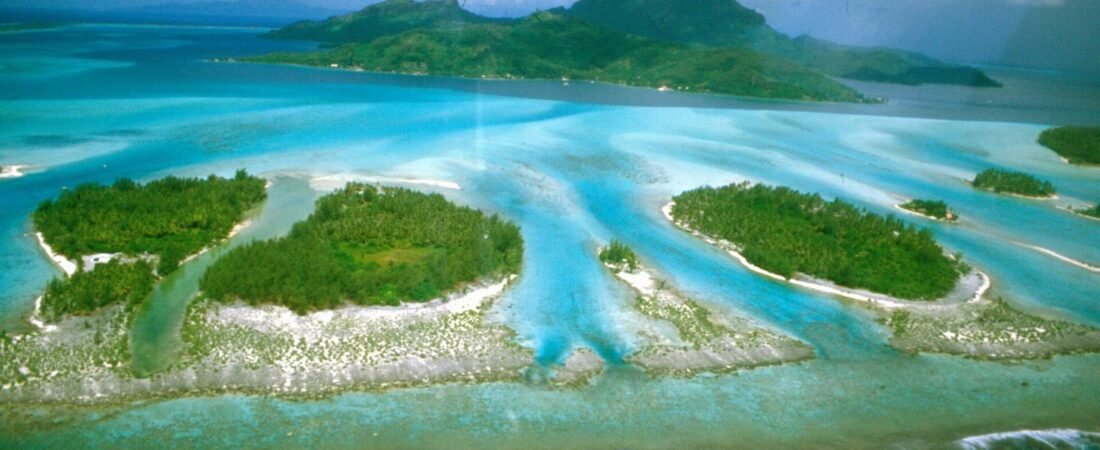
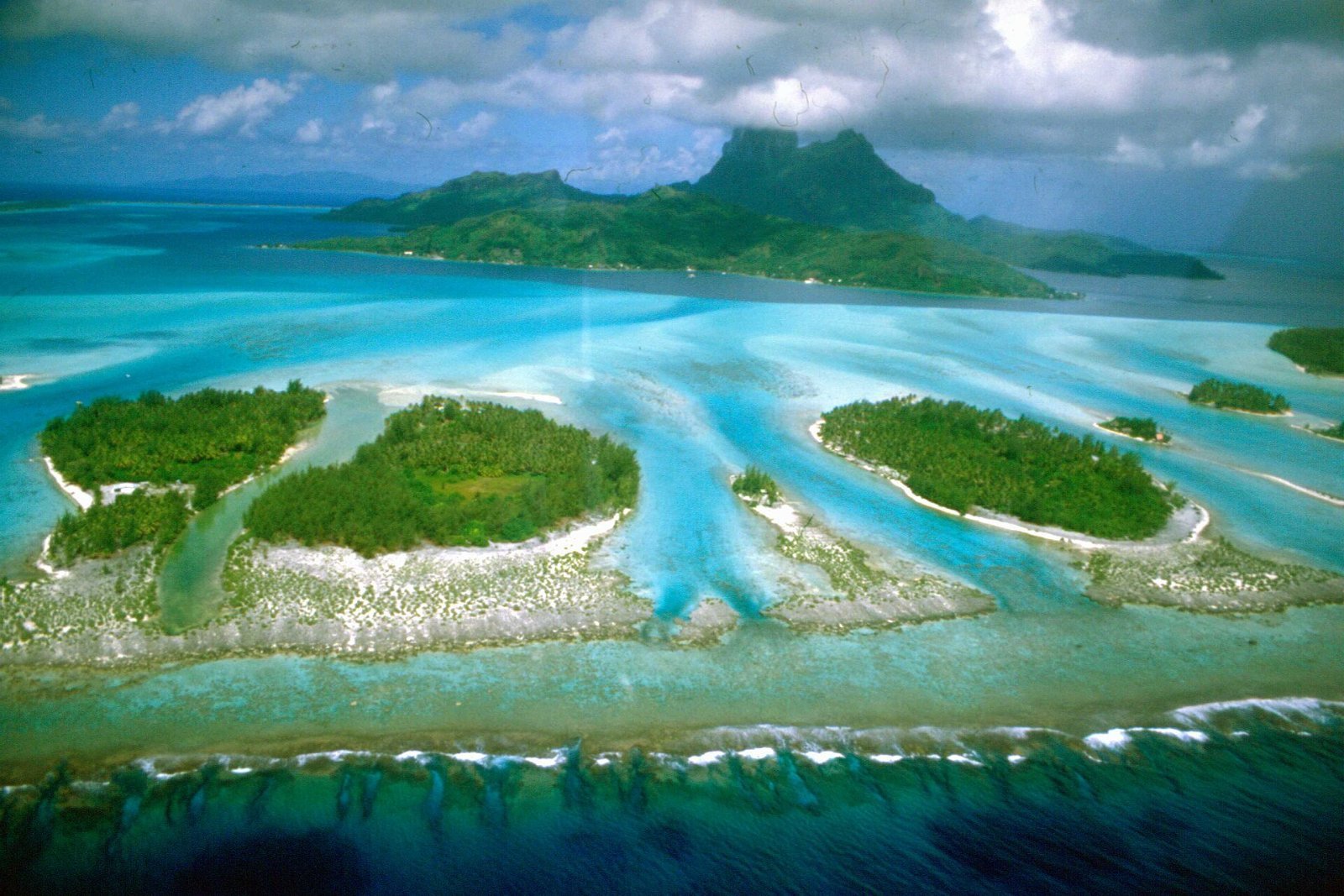
Illustrative island photograph. Not a photograph of the specific resorts described below.
French Polynesia is a year-round destination, but the difference between its dry and wet seasons — and between peak and shoulder pricing — is big enough to shape your whole trip. This guide focuses specifically on timing a French Polynesia visit, with a month-by-month breakdown of weather, crowds, prices and events across Tahiti, Moorea and Bora Bora, so you can pick the window that fits your priorities. Whether you are chasing the clearest lagoons, the lowest rates, or humpback whales, the tables and notes below will help. Conditions were reviewed in September 2026; weather is variable, so treat these as typical patterns rather than guarantees.
The two seasons in brief
French Polynesia has just two seasons. The dry season, roughly May to October, is cooler, less humid and the most reliable for sunshine, clear water and outdoor activities — it is the high season for good reason. The wet season, November to April, is hotter and more humid, with short tropical downpours and a small risk of cyclones late in the period; it also brings lower prices and thinner crowds. Because Tahiti, Moorea and Bora Bora sit close together, this pattern applies across all three, so you can time the whole trip as one. For where each island fits, see our Moorea guide, Tahiti guide and Tahiti vs Bora Bora comparison.
Month-by-month at a glance
The table below summarises each month across the metrics that matter most for planning.
| Month | Season | Weather | Crowds & price | Notable |
|---|---|---|---|---|
| January | Wet | Hot, humid, rain | Low–mid | Green, quiet |
| February | Wet | Hottest, wettest | Low | Cyclone risk peak |
| March | Wet | Warm, showers | Low | Good value |
| April | Shoulder | Drying out | Mid | Sweet spot begins |
| May | Dry | Warm, clearer | Mid | Excellent value |
| June | Dry | Sunny, pleasant | Mid–high | Great conditions |
| July | Dry | Cool, dry, breezy | High | Heiva festival, whales |
| August | Dry | Cool, dry | High | Peak season, whales |
| September | Dry | Sunny, calm | Mid–high | Ideal, fewer crowds |
| October | Dry | Warming up | Mid | Last of dry season, whales |
| November | Shoulder | Humidity rising | Mid | Whales taper off |
| December | Wet | Hot, humid | High | Holiday peak pricing |
Best time for clear lagoons and diving
For the vivid, glassy lagoons French Polynesia is famous for, the dry season from May to October is unbeatable — lower humidity means clearer skies, calmer water and better underwater visibility for snorkelling and diving. September and October in particular combine excellent conditions with slightly thinner crowds than the July–August peak. Divers heading to the Tuamotu atolls such as Rangiroa and Tikehau will find the passes at their best in these months. If underwater time is your priority, aim squarely at this window; our overwater villa alternatives guide also flags dive-focused stays.
Best time for value and fewer crowds
Budget-minded travellers should look at the shoulder months of April, May and November, when weather is often still good but rates and crowds drop noticeably from the July–August and December peaks. The full wet season from January to March is the cheapest of all; the islands are lush and quiet, and while you should expect passing showers and a cyclone risk in February, many days are still sunny. If your dates are flexible and you can accept some rain, low season delivers the same islands for markedly less. For honeymoon budgeting specifically, our island-hopping itinerary shows how to stretch the spend.
Best time for whales
One of French Polynesia’s signature experiences is swimming with or watching humpback whales, which migrate through its waters from roughly July to November. Moorea and Tahiti are among the better islands for respectful, guided encounters. This window overlaps neatly with the dry season, so a July-to-October trip can combine ideal lagoon weather with whale-watching — one of the strongest reasons to favour those months despite higher prices.
Events worth timing your trip around
The cultural calendar can tip your decision. The Heiva i Tahiti festival in July is the archipelago’s biggest celebration of Polynesian dance, music and sport, centred on Papeete and worth planning around if culture matters to you. The Hawaiki Nui Va’a outrigger canoe race in late October or early November is a thrilling spectacle across the Leeward Islands. New Year and the December holidays bring festive energy but peak prices. Aligning your visit with an event adds a memorable dimension, though it also means booking further ahead.
Typical temperatures and rainfall
French Polynesia is warm all year, with sea temperatures rarely dropping below the mid-20s Celsius. The main variables are humidity and rainfall rather than temperature. The table below shows the broad pattern to expect.
| Season | Air temp | Humidity | Rain |
|---|---|---|---|
| Dry (May–Oct) | Mid-to-high 20s C | Lower, comfortable | Occasional, brief |
| Wet (Nov–Apr) | High 20s to low 30s C | High, sticky | Frequent, heavier |
| Shoulder (Apr, Nov) | Warm | Moderate | Variable |
For detailed climate data and forecasts, consult the French Polynesia encyclopedia entry and reputable forecasting services close to your travel dates. The official Tahiti Tourisme site publishes seasonal event calendars, and community notes on Wikivoyage add practical, on-the-ground context.
What to pack by season
Year-round essentials include reef-safe sunscreen, a hat, sunglasses, a rash guard and modest cover-ups for villages. In the dry season, pack a light layer for cooler, breezier evenings, especially July and August. In the wet season, bring a compact rain jacket, quick-dry clothing and insect repellent, since humidity brings more mosquitoes. Whatever the month, keep luggage light for Air Tahiti’s stricter baggage limits, and leave room for a purchase or two of Tahitian pearls or vanilla.
How far ahead should you book?
For the July–August and December peaks, book flights, inter-island legs and overwater villas six to nine months ahead; the best rooms and routes sell out early. Shoulder and low-season trips can often be arranged with two to four months’ notice, and last-minute deals occasionally surface in the wet season. Whenever you go, reserve Air Tahiti flights at the same time as international tickets to lock in connections. Couples planning around this calendar should read our honeymoon itinerary guide, and travellers comparing regions may find our Fiji luxury resorts guide a useful seasonal contrast.
So, when should you go?
If you want the surest weather and the clearest lagoons, target May, September or October within the dry season; if whale-watching tops your list, come July to October; and if value matters most, look at April, May or November, or accept some rain for the low prices of January to March. There is no truly bad time to visit French Polynesia — only trade-offs between weather, crowds and cost — and understanding those trade-offs is the key to timing the trip that suits you.
Best time for a honeymoon
Honeymooners tend to want two things: reliable weather and a romantic atmosphere without oppressive crowds. That points to the shoulder edges of the dry season — May, early June, September and October — when lagoons are clear, resorts are lively but not overrun, and rates sit below the July–August and December peaks. These months also catch the tail or start of whale season, adding a memorable excursion to the trip. Avoid February if you can, as it is the wettest, stickiest month with the highest cyclone risk. Couples on a tighter budget can still honeymoon beautifully in the wet season by choosing an overwater villa and accepting the chance of afternoon showers.
Understanding the cyclone risk
The South Pacific cyclone season runs roughly from November to April, overlapping French Polynesia’s wet season. In practice, direct cyclone strikes on the Society Islands are relatively infrequent, and most wet-season visits pass with nothing worse than passing squalls. Still, if you are travelling between December and March, comprehensive travel insurance that covers weather disruption is wise, and flexible resort and flight bookings give you room to adapt. February carries the highest statistical risk, so the most cautious travellers avoid it. Booking refundable rates and arriving with a day or two of schedule flexibility further reduces the odds that a passing storm disrupts your plans, and it lets you shift lagoon excursions to the clearest day of your stay.
Island-by-island timing notes
The three main islands share a climate, but their appeal shifts slightly by season. Bora Bora’s lagoon is at its most photogenic under dry-season skies, making May to October ideal for the classic overwater experience. Moorea’s waterfalls and greenery are lushest just after the wet season, while its lagoon tours are best in the dry months. Tahiti’s surf on Tahiti Iti is powerful year-round but draws the biggest swells and events in the cooler season. Wherever you focus, planning around the dry season gives the most dependable all-round conditions, which is why the itineraries in our Moorea and Tahiti vs Bora Bora guides assume that window.
Frequently asked questions
What is the best month to visit French Polynesia?
Many travellers consider September the sweet spot: dry-season weather and clear lagoons with slightly fewer crowds than July and August, plus the chance of whale sightings.
When is the cheapest time to go?
The wet season from January to March is cheapest, followed by the shoulder months of April, May and November. Rates and crowds peak in July, August and December.
Is the rainy season a bad time to visit?
Not necessarily. November to April is hotter and wetter with a cyclone risk in February, but showers are often brief, the islands are green, and prices are low. Flexible travellers can do well in shoulder months.
When can you see whales in French Polynesia?
Humpback whales pass through from about July to November, overlapping the dry season. Moorea and Tahiti offer some of the best guided whale encounters.
Does the weather differ between Tahiti and Bora Bora?
Very little. The islands are close together and share the same two-season pattern, so you can plan the whole trip around one seasonal window.