Nevis Luxury Travel Guide: Quiet Caribbean (2026)
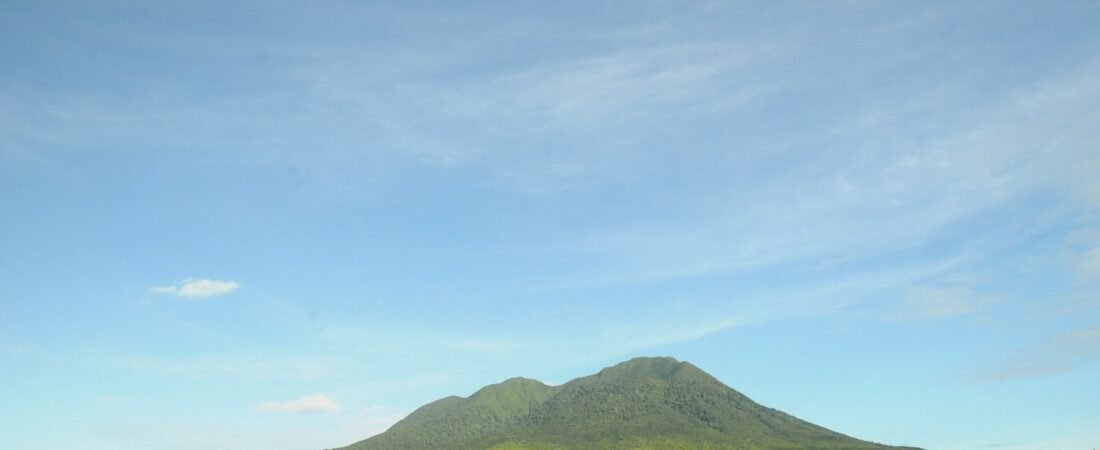
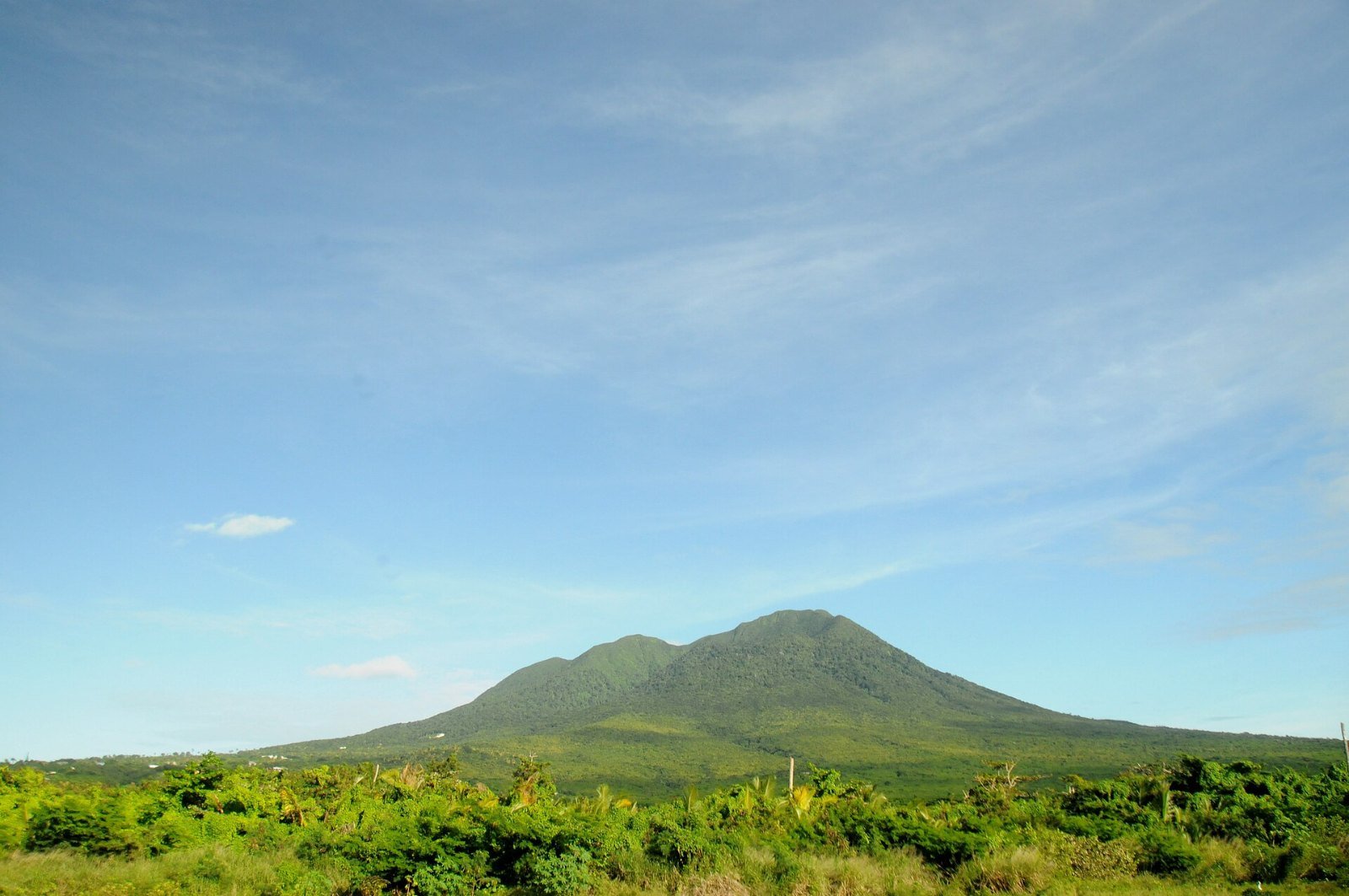
Illustrative photograph of Nevis Peak (Wikimedia Commons, CC BY 3.0).
Nevis is small, green and quietly wealthy — an island with no cruise port, no high-rise hotels and no traffic lights. This guide focuses on Nevis specifically for experienced Caribbean travellers who have done the big-name islands and now want somewhere slower, with historic plantation inns, one world-class resort and a volcanic peak wrapped in cloud. If you want nightlife or a long list of beach clubs, look elsewhere; if you want peace with excellent hospitality, read on.
Research-based guide · Updated 2026-09-23. Rates and policies change — verify with each property before booking.
Why Nevis Is Different
Nevis forms one half of the Federation of Saint Kitts and Nevis, and it covers only around 36 square miles. Almost the entire island is the slopes of Nevis Peak, a dormant volcano rising to roughly 985 metres (3,232 feet), usually capped with cloud. Christopher Columbus is said to have named the island after the snow — “nieves” in Spanish — that the clouds resembled.
What makes Nevis special for luxury travellers is its scale and pace. There is no large cruise-ship dock, so the island never feels crowded. Accommodation is dominated by restored sugar-plantation estates converted into intimate inns, alongside one large beach resort. Days revolve around long lunches, gardens, gentle hikes and beach time; evenings are quiet and often spent over dinner on a candlelit veranda. It is a destination for travellers who value character and privacy over scene. Service tends to be personal rather than polished, and staff at the smaller inns often remember your name and preferences by the second day.
Where to Stay: Plantation Inns vs Beach Resort
Nevis offers two distinct styles of luxury, and your choice will shape the trip.
| Property | Style | Setting | Best for |
|---|---|---|---|
| Four Seasons Resort Nevis | Full-service beach resort | Pinney’s Beach, west coast | Families, golfers, those wanting resort facilities |
| Montpelier Plantation & Beach | Boutique plantation inn (Relais & Châteaux) | Hillside, south-west, with a private beach | Couples, food lovers |
| Golden Rock Inn | Art-filled plantation inn | Hillside, east side, gardens | Design and nature lovers |
| Nisbet Plantation Beach Club | Plantation inn on the beach | North coast, palm avenue to the sea | Couples wanting history plus a beach |
| Paradise Beach Nevis | Private villas with pools | West coast beachfront | Couples and small groups seeking privacy |
Four Seasons Resort Nevis
The island’s largest and best-known luxury property sits on Pinney’s Beach, facing St Kitts across The Narrows. It has a Robert Trent Jones II golf course climbing the lower slopes of Nevis Peak, several restaurants, a spa, pools, tennis and a kids’ club. It is the obvious choice for families and for travellers who want a full resort experience with all the facilities on site.
Montpelier Plantation & Beach
A member of Relais & Châteaux, Montpelier combines a small hillside estate, an old sugar mill converted into a romantic dining room and a private beach shuttle. It has strong historical ties — Horatio Nelson married Frances Nisbet on the estate in 1787 — and is one of the island’s most intimate, food-focused addresses.
Golden Rock Inn
High on the windward side, Golden Rock was reimagined by the artists Brice and Helen Marden, with lush, sculptural gardens and colourful cottages. It is less about the beach — a shuttle runs to the coast — and more about the setting, art and easy access to rainforest trails.
Nisbet Plantation Beach Club and Paradise Beach
Nisbet is notable as the island’s plantation inn directly on the beach, with a grand avenue of palms leading down to the sea. Paradise Beach offers private villas with pools for couples and small groups who want more independence.
What a luxury stay costs
Nevis is not a budget destination, but it is often better value than St Barts or Anguilla for a comparable level of service. Four Seasons commands the highest rates, especially over the holidays, while the plantation inns are generally priced a tier lower and often include breakfast. Villa rentals range widely. Government taxes and service charges are usually added to quoted rates, so ask for fully inclusive prices when comparing.
Beaches and the Coast
Nevis’s best beaches are on its calmer west and north coasts. Pinney’s Beach is the island’s longest, a gently curving stretch of golden sand lined with palms and a handful of beach bars, including Sunshine’s, famous for its potent rum punch. Oualie Beach in the north-west is the base for watersports, diving and kayaking. Lover’s Beach on the north coast is quiet and undeveloped. The east coast, exposed to the Atlantic, is wilder and not ideal for swimming.
The water between Nevis and St Kitts is good for sailing and snorkelling, and private boat charters can take you along the coast or across to St Kitts’ quieter southern beaches.
Things to Do on Nevis
Climb Nevis Peak or walk the Source Trail
The hike to the summit of Nevis Peak is steep, muddy and strenuous, usually taking five to six hours return with a local guide and ropes on the upper sections. Most visitors choose gentler options, such as the Source Trail through rainforest to the island’s water source, or guided walks through old plantation lands where you may spot the island’s green vervet monkeys.
Explore the island’s history
Nevis was once one of the wealthiest islands in the Caribbean, and its history is visible everywhere. Charlestown, the small capital, is home to the Museum of Nevis History, housed on the site of Alexander Hamilton’s birthplace. The Bath Hotel, built in the 18th century and one of the Caribbean’s earliest hotels, stands near natural hot springs where locals still bathe. The Nevis Historical and Conservation Society runs the island’s museums and heritage sites.
Gardens, food and rum
The Botanical Garden of Nevis is a peaceful stop with tropical plants and views across to Montserrat. Nevis has a strong food culture for its size, and the plantation inns take their kitchens seriously; a long lunch at a different inn each day is a classic Nevis ritual. In July, the Nevis Mango Festival celebrates the island’s many mango varieties with chef competitions and tastings.
Getting There and Getting Around
Most visitors fly into Robert L. Bradshaw International Airport on St Kitts, which has direct flights from the US, UK and Canada in season. From there, a short drive to the southern tip of St Kitts and a water taxi across The Narrows takes around 10–15 minutes; public ferries also run from Basseterre to Charlestown. Many luxury properties, including Four Seasons, arrange transfers. Nevis has its own small airport, Vance W. Amory International, served by regional flights and charters.
On the island, traffic drives on the left. Taxis are readily available and many inns provide shuttles, but hiring a car gives flexibility to explore, particularly the scenic road that circles the island in about an hour. Visitors need a temporary local driving permit. The Nevis Tourism Authority publishes current information on access and entry requirements.
When to Visit
The dry season, from mid-December to April, brings sunny days, lower humidity and the most reliable weather; it is also the most expensive period. May and June are excellent shoulder months. The hurricane season runs from June to November, with the highest risk between August and October, according to the US National Hurricane Center, and some smaller inns close for part of September and October. Culturama, Nevis’s cultural festival, fills late July and early August with music and celebrations.
Is Nevis Right for You?
- Choose Nevis if you want quiet, historic character, excellent small hotels, good food and a relaxed pace.
- Choose another island if you want nightlife, a large choice of restaurants within walking distance, or long white-sand beaches as the main attraction.
A sample five-day Nevis itinerary
- Day 1: Arrive via St Kitts, cross The Narrows by water taxi and settle in with sunset drinks on your inn’s veranda.
- Day 2: Beach day on Pinney’s Beach, with lunch at a beach bar and a sunset rum punch at Sunshine’s.
- Day 3: Morning rainforest walk on the Source Trail, afternoon at the Botanical Garden of Nevis and dinner at another plantation inn.
- Day 4: Explore Charlestown, the Museum of Nevis History and the hot springs near the Bath Hotel, then spend the afternoon snorkelling or kayaking from Oualie Beach.
- Day 5: A private boat trip along the coast or across to St Kitts’ southern beaches before departure.
Because distances are short, it is easy to stay in one place for the whole trip. Some couples split their time between a hillside plantation inn and a beachfront property to experience both sides of the island.
Nevis pairs well with a few nights on St Kitts or with a larger island elsewhere in the Leeward Islands. If you prefer longer white-sand beaches, see our Anguilla vs St Barts comparison. For more resort choice, explore our guides to Antigua, Barbados and Grenada, or read about the best time to visit the BVI.
Frequently Asked Questions
Is Nevis good for a luxury holiday?
Yes, if you value privacy and character. Nevis offers Four Seasons Resort Nevis plus several highly regarded plantation inns, excellent food and a calm, uncrowded atmosphere.
How do you get to Nevis?
Most visitors fly into St Kitts and cross to Nevis by water taxi or ferry, a journey of around 10 to 45 minutes depending on the route. Nevis also has a small airport for regional flights.
What is the best beach on Nevis?
Pinney’s Beach on the west coast is the longest and most popular. Oualie Beach is best for watersports, and Lover’s Beach is the quietest.
When is the best time to visit Nevis?
December to April offers the driest weather. May and June are good-value shoulder months. August to October has the highest hurricane risk and some inn closures.
Is Nevis good for families?
Four Seasons Resort Nevis is well set up for families, with a kids’ club and resort facilities. The plantation inns are generally better suited to couples.
Do you need a car on Nevis?
Not necessarily. Taxis are easy to find and many inns offer shuttles, but a rental car lets you explore the island road at your own pace. Traffic drives on the left and a temporary local permit is required.