Best Time to Visit the BVI for Luxury Travel (2026)
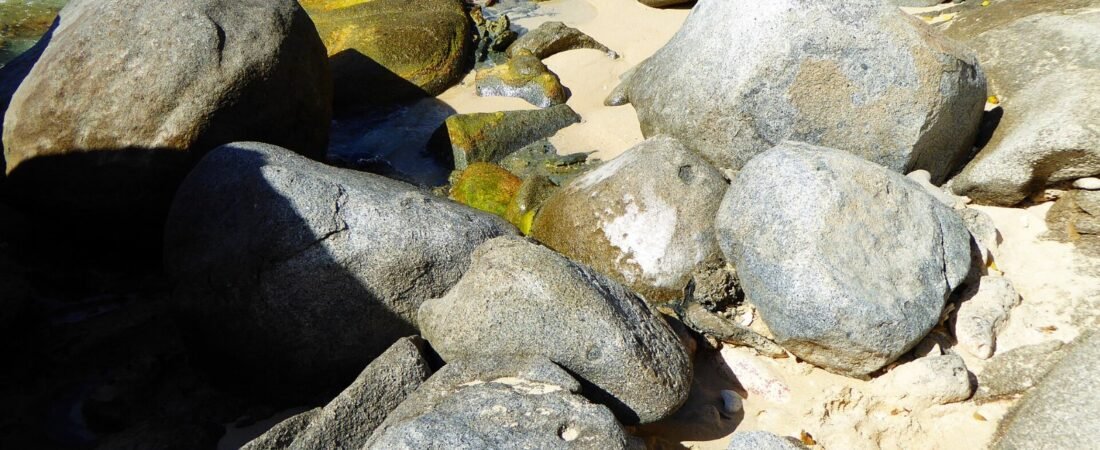
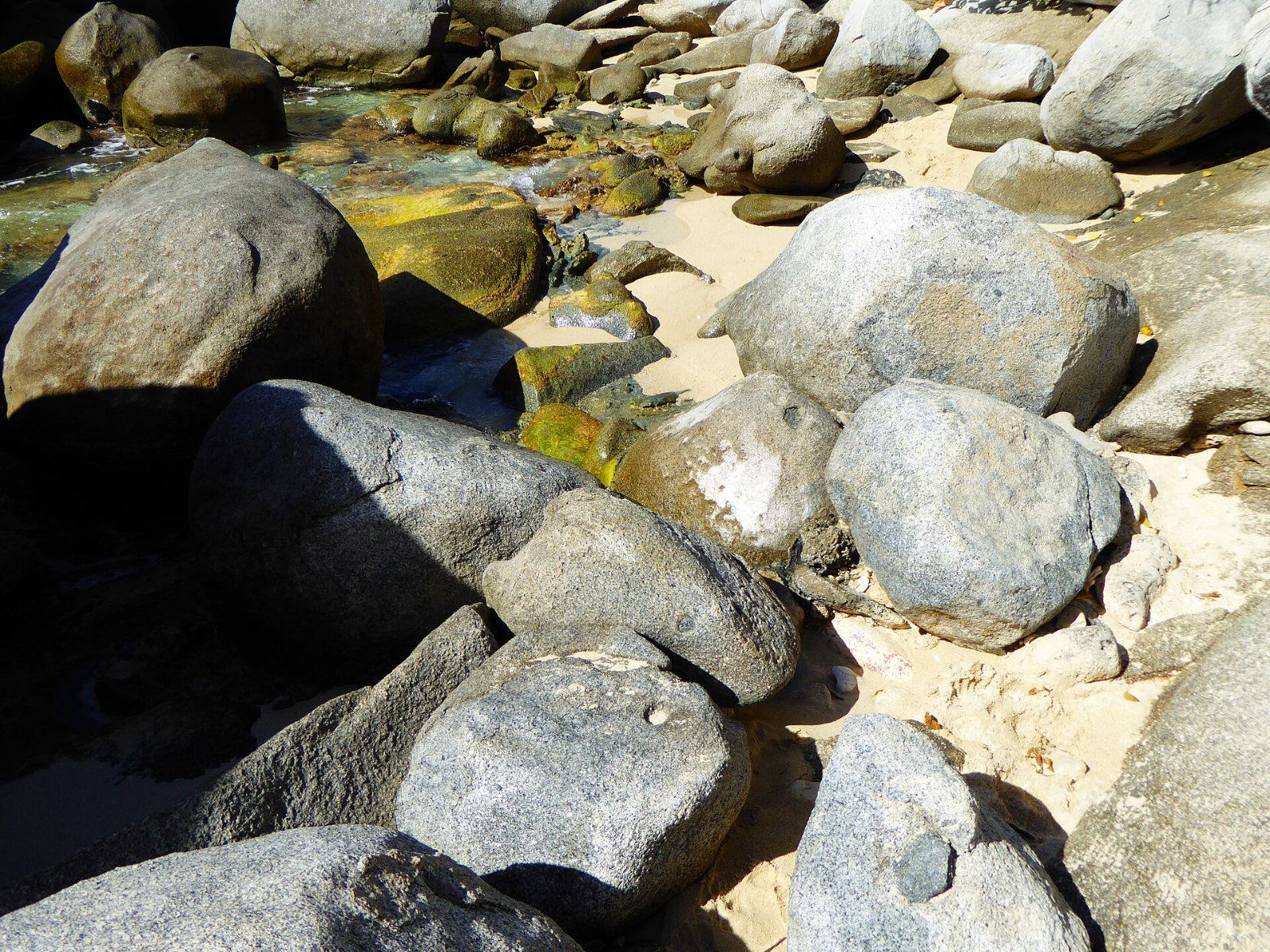
Illustrative photograph of The Baths, Virgin Gorda (Wikimedia Commons, CC BY 2.0 DE).
The British Virgin Islands are one of the few Caribbean destinations where the best time to visit depends as much on the wind as on the sun. This guide focuses on timing a BVI trip specifically for luxury travellers — whether you are booking a resort on Virgin Gorda, a private-island escape, or a crewed yacht charter through the Sir Francis Drake Channel — and explains how each season changes weather, sailing conditions, crowds and price.
Research-based guide · Updated 2026-09-23. Rates and policies change — verify with each property before booking.
Quick Answer: The BVI Season by Season
For most luxury travellers, the best time to visit the BVI is mid-December to April, when the weather is dry, the trade winds are reliable and every resort and restaurant is open. The best-value window is May to June, when conditions are still very good and rates fall. August to October is the riskiest period because of hurricanes, and several properties close for part of it.
| Period | Weather | Sailing conditions | Crowds and rates | Verdict |
|---|---|---|---|---|
| Mid-Dec – Jan | Dry, warm, occasional showers | Strong “Christmas winds”, can be lively | Highest rates, holiday minimum stays | Festive and busy |
| Feb – Apr | Driest, sunniest months | Steady trade winds, ideal | High season, book early | Best overall |
| May – Jun | Warmer, mostly dry | Lighter winds, calm anchorages | Shoulder rates, fewer boats | Best value |
| Jul | Hot, humid, brief showers | Generally good | Summer deals, festival period | Good, with some risk |
| Aug – Oct | Hottest, wettest, storm risk | Unpredictable | Lowest rates, closures | Only for flexible travellers |
| Nov – early Dec | Drying out, pleasant | Winds building | Rates rising, quiet | Good shoulder option |
Sea temperatures and daylight
The sea around the BVI is warm all year. Water temperatures typically sit around 26°C (79°F) in February and rise to around 29°C (84°F) by September, so swimming and snorkelling are comfortable in every month. Daylight varies less than in temperate destinations, but winter sunsets arrive around 6pm, while summer evenings stay light a little longer — worth considering if you plan long sundowner sails.
Peak Season: Mid-December to April
Winter is the classic time to visit the BVI. Daytime temperatures typically sit in the high 20s Celsius (low to mid 80s Fahrenheit), humidity is lower than in summer, and rain tends to arrive in short, passing showers. For yacht charters, the steady easterly trade winds make for fast, comfortable sailing between Tortola, Virgin Gorda, Jost Van Dyke and Cooper Island.
The flip side is demand. The two weeks around Christmas and New Year command the highest rates of the year, with minimum-stay rules at most resorts and crewed yachts often booked a year ahead. Old Year’s Night on Jost Van Dyke draws a large flotilla of boats, which is either a highlight or something to avoid depending on your taste. By late March and April, the BVI Spring Regatta brings racing yachts and a festive atmosphere to Nanny Cay; see the BVI Spring Regatta site for dates.
If you want the best weather with slightly less pressure on availability, target late January to early March, after the holidays but before the Easter surge.
Peak season also brings the widest choice of experiences. Beach bars on Jost Van Dyke, the Soggy Dollar Bar at White Bay among them, are in full swing; restaurants in Virgin Gorda’s North Sound run full menus; and charter bases in Tortola have their full fleets available. If your idea of luxury includes a lively social scene in the evenings, this is the season when the islands feel most alive.
Shoulder Season: May, June and Early December
Late spring is the BVI’s best-kept secret. The weather remains largely dry, the sea is warm enough for long swims and snorkelling, and the wind usually eases, which makes anchorages calmer and suits less experienced sailors and families. Resorts that charge peak rates in February often discount significantly in May and June, and some add resort credit or free nights.
The main watch-out in this period is sargassum seaweed, which can wash up on some east-facing beaches in certain years. West- and north-facing bays are usually less affected, and resorts generally clear their beaches, but it is worth asking about recent conditions before you book.
The weeks between the end of November and mid-December offer a similar balance. The hurricane season has officially ended, the landscape is green after the autumn rains, and rates have not yet jumped for the holidays. The Anegada Lobster Festival, usually held in late November, is a good reason to add a day trip to the BVI’s flat coral outlier.
Shoulder season also suits travellers who value privacy over atmosphere. Popular anchorages such as The Bight at Norman Island and Cane Garden Bay are noticeably emptier, restaurant reservations are easier to secure, and villa owners are often more flexible with minimum stays. For couples and small groups who want a quieter, more personal experience of the islands, this can be the best time of year.
Hurricane Season: July to November
The Atlantic hurricane season officially runs from 1 June to 30 November, and historical data from the US National Hurricane Center shows activity peaking between mid-August and mid-October. The BVI were severely damaged by Hurricanes Irma and Maria in 2017, and while the islands have largely rebuilt, the memory shapes how many resorts operate: several close for part of September and October for maintenance.
July and early August can still be enjoyable, with warm water, quiet anchorages and the Emancipation Festival bringing music and street celebrations to Road Town. From mid-August onwards, only book if you have flexible plans, comprehensive travel insurance that covers named storms, and a clear understanding of the resort’s cancellation policy.
The Best Time by Type of Trip
Crewed yacht charter
February to April offers the most reliable sailing winds; May and June suit those who prefer calmer water. Book crewed catamarans for peak dates as early as possible — the best crews fill up first.
Honeymoon
May, June and early December combine good weather, fewer people and more romantic, quieter resorts, often at noticeably lower rates.
Families
School holidays around Easter and Christmas are busy but reliable. Summer is warm and calm, though families should weigh hurricane risk from August.
Diving and snorkelling
Visibility is good year-round. Calmer summer seas make sites such as the wreck of the RMS Rhone and the reefs around the Dogs and Norman Island easier to reach.
Wellness and slow travel
Travellers planning a restorative break, with spa treatments, yoga and long days on a quiet beach, often prefer May, June or early December. The pace is slower, staff have more time, and the combination of warm water and lighter winds suits paddleboarding, gentle swims and sunrise walks.
Where to Stay in Each Season
In peak season, the BVI’s top resorts justify their prices. Rosewood Little Dix Bay on Virgin Gorda, rebuilt after 2017, offers a long crescent beach and a polished resort experience. Oil Nut Bay, on the North Sound of Virgin Gorda, is a private-island-style resort with villas and a marina, while the revived Bitter End and Saba Rock appeal to sailors. For a total escape, Guana Island and the famous Necker Island offer exclusive-use and private-island stays.
In shoulder season, look for smaller boutique options such as Cooper Island Beach Club or Scrub Island Resort, which often offer the best value, and consider a combination of a few nights on land with a short crewed charter. Always check that your chosen property is open on your dates: the BVI Tourist Board lists accommodation and seasonal information.
Wherever you stay, think about your base in relation to your plans. Virgin Gorda suits beach-focused trips and easy access to The Baths, the islands’ most famous natural landmark, where giant granite boulders form grottoes and tidal pools. Tortola is the practical hub, with the main airport nearby, more restaurants and the largest charter bases. Jost Van Dyke and Anegada are best as day trips or overnight stops unless you want a very simple, barefoot experience. In high season, visit The Baths early in the morning, before charter boats and cruise excursions arrive.
Booking Tips for a Luxury BVI Trip
- Plan your arrival route. Few long-haul flights land in the BVI directly. Most visitors connect through San Juan, Antigua or St Thomas and continue by small plane or ferry, so allow a buffer day in peak season.
- Book holidays early. For Christmas, New Year and Easter, book resorts and crewed yachts nine to twelve months ahead.
- Check closures. Confirm your resort’s opening dates if travelling between August and early November.
- Insure for storms. Choose a policy that covers named storms and disruption, and confirm the resort’s hurricane policy in writing.
- Pack for the season. Winter evenings on the water can feel breezy, so bring a light layer; in summer, prioritise sun protection, reef-safe sunscreen and insect repellent.
- Mix land and sea. A split stay of resort and charter lets you experience both the islands’ quiet bays and their resort comforts.
If you are weighing up other islands for the same dates, compare our guides to Anguilla vs St Barts, Antigua, Exuma and Turks and Caicos.
Frequently Asked Questions
What is the best month to visit the British Virgin Islands?
February to April is generally the best period, with dry weather, reliable trade winds and every resort open. May and June are the best value months.
When is hurricane season in the BVI?
The Atlantic hurricane season runs from 1 June to 30 November, with the highest risk between mid-August and mid-October. Several resorts close for part of this period.
When is the best time for a BVI sailing charter?
February to April offers the most reliable sailing winds. May and June are calmer and suit families and less experienced sailors.
Is the BVI expensive at Christmas?
Yes. The Christmas and New Year period has the highest rates of the year, with minimum-stay requirements and crewed yachts often booked a year in advance.
How do you get to the British Virgin Islands?
Most visitors connect through San Juan, Antigua or St Thomas and continue by small plane to Beef Island or by ferry to Tortola or Virgin Gorda.
Is it worth visiting the BVI in summer?
Yes, for flexible travellers. June and July offer warm water, calm anchorages and lower rates. From mid-August, hurricane risk and resort closures increase, so good insurance and flexible plans are essential.