Best Time to Visit Naxos, Greece (2026)
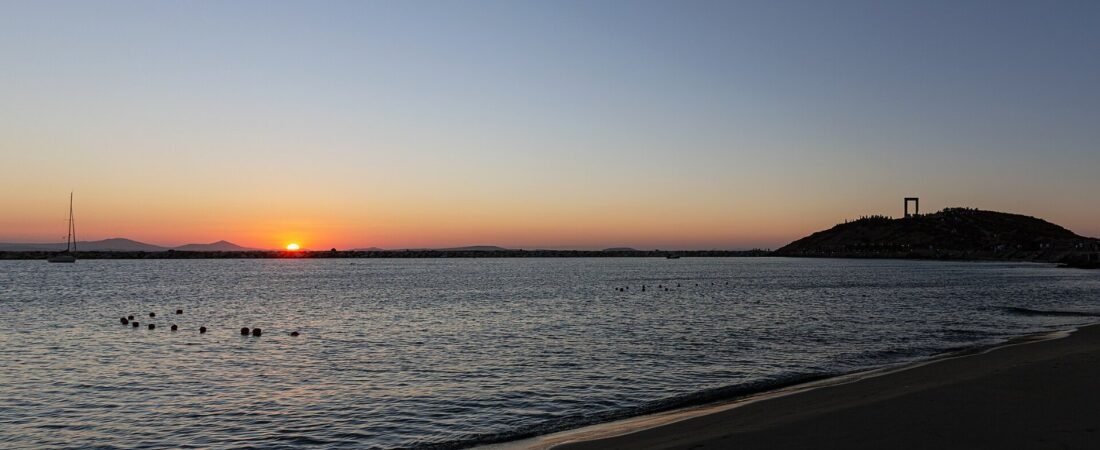
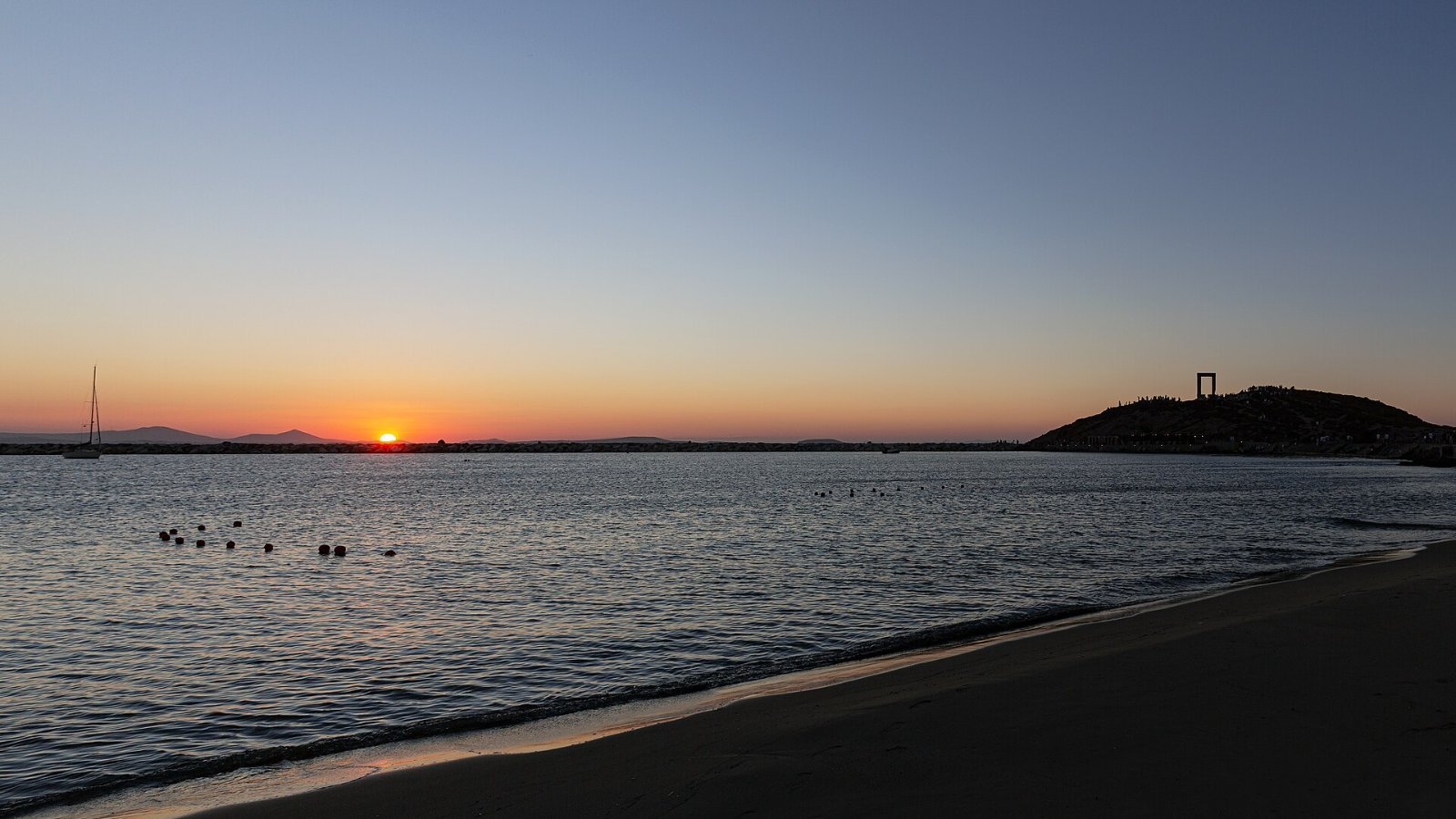
Illustrative Naxos sunset. Not a photograph of the properties or seasons compared below.
Naxos doesn’t have a single showpiece view the way Santorini does, which makes timing a bigger factor in how good your trip actually feels. This guide focuses on when to visit Naxos specifically, month by month, covering sea temperature, crowd levels, the meltemi wind, and which weeks deliver the best balance for a luxury trip rather than just repeating a generic “shoulder season is best” line that doesn’t account for how this particular island actually behaves across the calendar year.
Research-based guide · Official sources checked 25 September 2026. This is not a first-hand stay review or a ranking based on guest scores.
Naxos in One Line: The Cyclades’ Most Self-Sufficient Island
Naxos is by far the largest island in the Cyclades and, unusually for the group, produces much of its own food locally: potatoes, citrus, cheese and wine all come from its fertile interior rather than being shipped in. That matters for timing because Naxos feels less dependent on peak-season tourism than Santorini or Mykonos, so its shoulder-season experience is fuller and less shuttered than on islands built almost entirely around a short summer window. Combined with its long, sandy west-coast beaches and a mountainous interior of hill villages, Naxos rewards visitors across a wider calendar than most Cycladic islands. That’s the frame for everything below: rather than treating “high season” and “low season” as the only two settings, this guide breaks the year into the windows that actually change what your trip looks and feels like.
Best Overall Months: Late May, June, and September
Late May through June and early-to-mid September are Naxos’ strongest windows. The sea is warm enough for comfortable swimming by late May and stays that way into October, daylight hours are long, and hotel and restaurant capacity is fully open without the peak-season crowding. June in particular combines the mildest heat with the longest days, making it a strong choice for travelers who want to combine beach time with hiking in the interior toward villages like Halki and Apiranthos, an activity that becomes uncomfortable in the full heat of July and August. Hotel availability is also meaningfully better in June than in the two months that follow, which matters if you are booking a specific room category rather than whatever is left. Late May carries slightly more variability, with occasional cooler spells and rougher seas, but rewards travelers with the thinnest crowds of the entire main season, and it is often the easiest window to secure a specific villa or suite category without booking many months in advance.
Peak Summer: July and August, Trade-Offs Worth Knowing
July and August bring the warmest sea temperatures and the most reliable sunshine, but also the heaviest crowds, the highest resort rates, and the strongest and most consistent meltemi winds, which can make some north-facing beaches choppy for days at a time. Naxos’ size means it absorbs peak-season crowds better than smaller islands, but its most photogenic beaches, like Plaka and Agios Prokopios, still fill up by late morning in August. If you are locked into these months, book beach loungers and dinner reservations further ahead than you would in June, and consider a resort on the island’s calmer southeast coast as an alternative to the busier west-coast strip. Restaurant reservations in Naxos Town also tighten considerably in August, and popular tavernas in the Old Market district can be fully booked by mid-afternoon for that evening, so plan key dinners a day or two ahead rather than deciding spontaneously.
Shoulder Season and Winter: April, October, and the Months Between
April and early May bring green hillsides and wildflowers but a sea that is still too cool for most swimmers, typically under 20°C. October holds up well on Naxos compared with smaller islands, since its size and fertile interior keep more restaurants and shops open later into autumn than you’ll find on islands that shut down almost entirely once September ends. Late October can still deliver comfortable afternoon temperatures, though evenings cool noticeably and some beach-facing hotels begin closing for the season. From November through March, most beach resorts and a large share of restaurants close entirely. Naxos Town itself stays more alive than the beach strip, since it serves a resident population year-round, but this is not the season for a beach-resort trip. Travelers interested in Naxos’ Venetian Kastro, its archaeological sites, or a quieter cultural visit can still find value in the off-season, provided expectations are adjusted accordingly, and flight and ferry schedules published through Visit Greece are checked well ahead of a winter visit. A small number of hotels near Naxos Town do stay open year-round specifically to serve this quieter market, so a winter trip is possible with the right research, even though it looks nothing like a July visit.
Compare Naxos by Month
| Period | Sea temperature | Crowd level | Best for |
|---|---|---|---|
| Late May – June | Warm, comfortable | Low to moderate | Hiking plus beach time, first-time visitors |
| July – August | Warmest of the year | High, especially west-coast beaches | Guaranteed beach weather, families on school holidays |
| September – early October | Warm, holding steady | Low to moderate | Couples wanting a quieter version of peak-summer weather |
| April – mid-May | Cool, limited swimming | Low | Hiking, sightseeing, budget-conscious travel |
These are general patterns rather than guarantees; always check a current seasonal forecast through Greece’s National Observatory weather service closer to your travel dates, since year-to-year variation can shift these windows by a week or two.
What Changes with the Season: Beaches, Villages, and the Meltemi Wind
The meltemi, a strong seasonal north wind, typically peaks in July and August and can make west-facing beaches like Agios Prokopios choppier than usual for several days in a row; Naxos’ more sheltered bays and its southeast coast tend to hold up better on windy days. Hill villages like Apiranthos and Halki are pleasant for walking year-round but are genuinely more enjoyable outside the peak summer heat, when a midday walk through marble-paved lanes is far more comfortable. If your priority is calm water for swimming rather than a specific date, checking a short-range wind forecast a few days before your trip is more useful than relying on general seasonal averages. Beach choice also shifts with the wind: on a strong meltemi day, Agia Anna and Plaka on the west coast can see noticeable chop and blown sand, while the more sheltered coves near Mikri Vigla and the southeast coast often stay calmer, which is also why that stretch has become popular with windsurfers and kitesurfers precisely because of the wind that frustrates swimmers elsewhere on the island. For a different Cycladic pace altogether, our Milos trip-planning guide and Rhodes vs Corfu comparison cover two islands with meaningfully different wind and crowd patterns.
Compare the Full Booking Cost
Timing affects price on Naxos as much as it affects weather, and the two don’t always move together in the way you’d expect. A room that costs a premium in the last week of July can drop noticeably by the first week of September, for a sea temperature that has barely changed, which is exactly the kind of gap worth exploiting if your travel dates have any flexibility at all.
- Compare June and September rates directly; September sometimes runs slightly cheaper than June despite similarly good weather.
- Confirm your specific hotel’s opening and closing dates if you are booking April, late October, or later.
- Check whether ferry frequency to Naxos drops on your travel dates, since off-peak schedules run far less often than summer ones; Greek Travel Pages tracks current Cycladic ferry timetables.
- Ask about shoulder-season minimum-stay requirements, which are typically shorter than peak-August policies.
- Read the cancellation policy carefully for any booking made more than a few months ahead of a shoulder-season date, since weather-driven itinerary changes are more likely outside peak summer.
Frequently Asked Questions
What is the single best month to visit Naxos?
June is generally the strongest single month: warm, swimmable seas, long daylight hours, and crowd levels well below the July and August peak.
Is Naxos windier than Santorini or Mykonos?
Naxos experiences the same summer meltemi winds as the rest of the Cyclades, but its larger landmass and mountainous interior offer more sheltered beaches and villages than smaller, flatter islands. See our Santorini vs Mykonos comparison for how those two handle the same wind pattern.
Do Naxos hotels and restaurants stay open in winter?
Many close for the season, typically from November through March or April, though Naxos Town keeps more year-round options open than the beach resort areas do.
Is September a good time to visit Naxos?
Yes. Early-to-mid September combines warm sea temperatures with thinner crowds than August, and it is one of the two best-value windows alongside June.
How does Naxos compare to Milos or Crete for timing?
The same May-June and September sweet spots apply broadly across the Cyclades and Crete, though Crete’s longer season and milder microclimates give it slightly more flexibility at the shoulder-season edges. See our Crete guide for that island’s specific seasonal pattern.
Explore more of our Top Lists for other Greek island guides, or read our Greek island hopping guide if you’re planning a multi-island trip around Naxos. Always confirm current forecasts and hotel operating dates before finalizing your travel dates. Whichever window you choose, treat the sea temperature, the meltemi and the crowd calendar as three separate variables rather than one, since the month that wins on all three rarely exists and the right trade-off depends entirely on what you actually want from the week.