Raja Ampat Travel Guide 2026
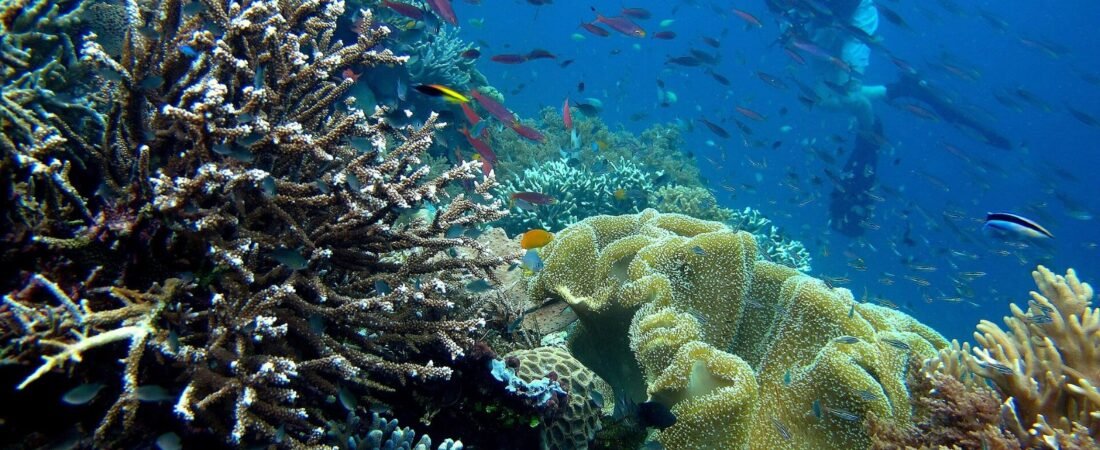
Illustrative island photograph. Not a photograph of the resorts compared below.
This guide focuses on Raja Ampat specifically for travelers weighing a remote, high-biodiversity island trip against Indonesia’s more established beach hubs. Raja Ampat is not a drop-in beach stop: it is an archipelago of roughly 1,500 small islands, cays and karst outcrops off the northwest tip of West Papua, reached by a domestic flight to Sorong and a ferry or speedboat transfer, and it rewards travelers who plan the logistics before they plan the itinerary. Unlike Bali or Phuket, there is no international airport nearby and no strip of beachfront hotels to fall back on, so the planning work happens up front rather than on arrival.
Research-based guide · Compiled from official tourism and conservation sources, September 2026. This is not a first-hand stay review or a ranking based on guest scores.
Start with the transfer, not the resort
Most Raja Ampat trip planning goes wrong at the transfer stage. You fly into Sorong (Domine Eduard Osok Airport), pay a marine park entry tag (roughly IDR 1,000,000 for foreign visitors, valid one calendar year), then take a public or chartered boat to Waisai and on to your homestay, eco-resort or liveaboard. Confirm your accommodation’s pickup point before booking flights, since Sorong-to-island transfers can take two to five hours depending on the destination, and the last public ferry of the day often leaves Sorong in the early afternoon.
Where Raja Ampat Is and How to Get There
Raja Ampat Regency sits in West Papua province, at the western entrance to the Coral Triangle, the marine region with the planet’s highest recorded reef fish and coral diversity according to conservation research on the Coral Triangle. Unlike Bali’s adults-only resort strip, Raja Ampat has almost no large-scale hotel infrastructure; most beds are family-run homestays, small eco-lodges, or liveaboard dive boats, and the total number of rooms across the entire regency is still smaller than a single large resort elsewhere in Indonesia.
Getting there takes planning: fly into Jakarta or Makassar first, connect to Sorong, then transfer by public ferry (a few hours, budget-friendly) or a chartered speedboat (faster, considerably more expensive) to your island. Flight schedules to Sorong can be limited, so most experienced visitors build at least one buffer night into both ends of the trip in case of delays or missed connections.
Background reading on the archipelago’s geography and history is available on Wikipedia’s Raja Ampat Islands entry, and the official national tourism board publishes current access advisories at Indonesia.travel’s Raja Ampat page.
Compare the Four Main Hubs
| Hub | Best For | Access From Sorong | Typical Stay |
|---|---|---|---|
| Waisai & Mansuar (Dampier Strait) | First-timers, homestays, manta cleaning stations | 2-3 hr ferry + short boat | 3-5 nights |
| Piaynemo & Wayag | Karst-island viewpoints, day trips or liveaboards | Day-trip or liveaboard only | 1-2 day visits |
| Misool | Eco-resorts, honeymoon privacy, marine reserve diving | Separate flight/boat route, longer transfer | 4-7 nights |
| Kri & Gam Islands | Budget divers, snorkeling straight off the beach | 2-3 hr ferry + short boat | 3-6 nights |
Most first-time visitors base themselves in one hub rather than island-hopping, since inter-hub transfers within Raja Ampat can themselves take half a day. Combining two hubs generally means adding a liveaboard segment or a private charter rather than relying on scheduled boats.
Where to Stay: Homestays, Eco-Resorts or Liveaboards
Homestays on Kri, Mansuar and Arborek are simple, family-run wooden bungalows on stilts, usually with shared bathrooms and set meal times; they are the most affordable way to reach the reefs and the most common first booking for independent travelers. Most homestays quote a per-person, full-board nightly rate that includes three meals, so a couple’s total cost is roughly double the listed per-person price rather than a single room rate.
Eco-resorts, concentrated around Misool and a handful of Dampier Strait properties, add private bathrooms, dedicated dive centers and direct access to no-take marine reserve zones for a significantly higher nightly rate, often booked months ahead during the high season. Liveaboard dive boats are the only practical way to reach Wayag and the outer reefs in one trip, and they typically run 7 to 10 day itineraries booked well in advance, with cabin categories ranging from shared bunks to private suites.
If you are deciding between a fixed base and boat-based travel, our guide to planning a diving trip to Natuna walks through the same liveaboard-versus-homestay trade-off for a comparable remote Indonesian dive region, and our Anambas Islands resort guide covers a similar remote-archipelago booking pattern closer to Singapore.
Diving and Marine Life
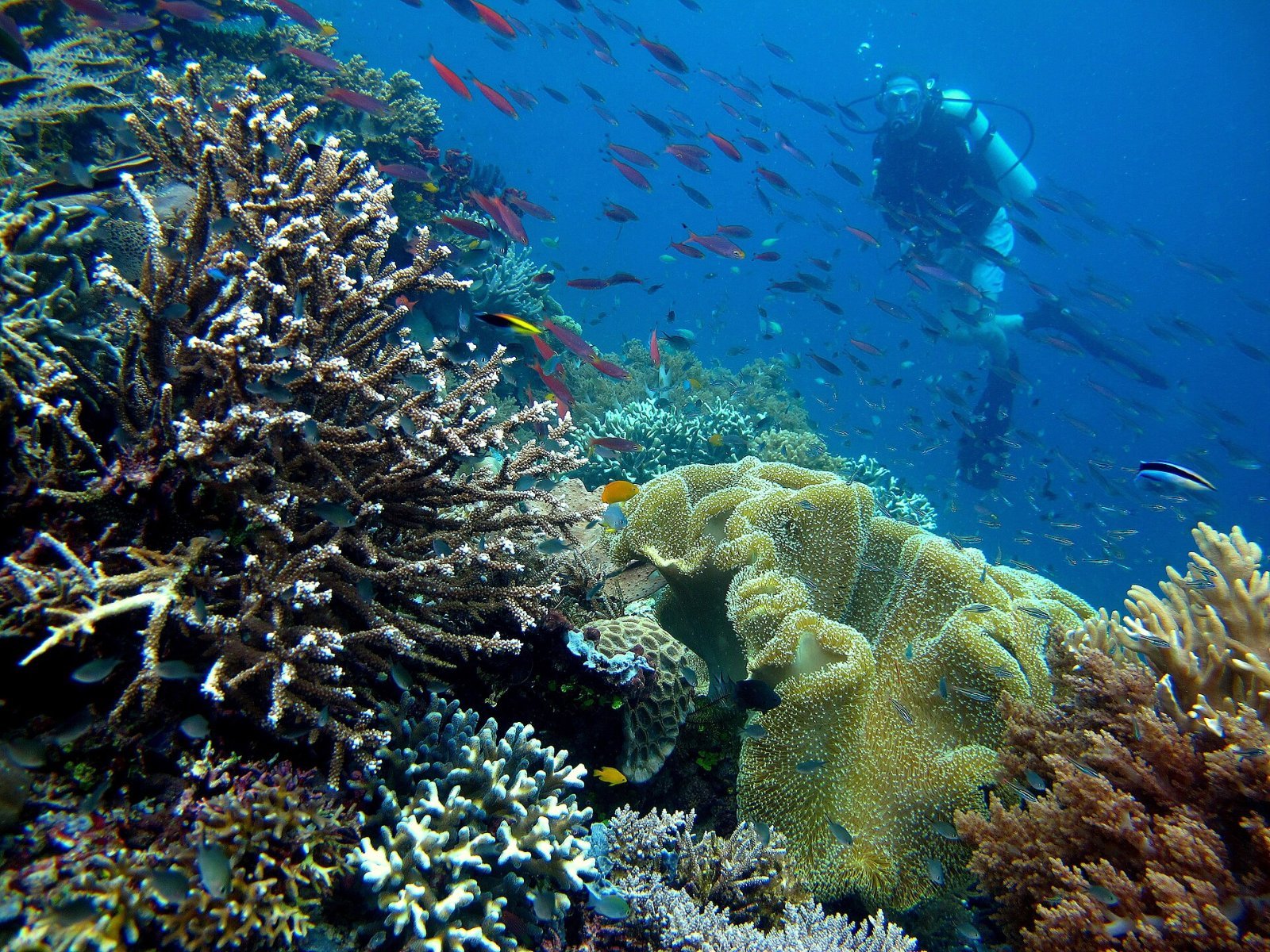
Raja Ampat’s reefs are frequently cited by marine researchers as the most biodiverse in the world, with survey counts exceeding 1,300 fish species and over 550 coral species across the regency, a density that is a core reason the area sits inside the Coral Triangle. Manta ray cleaning stations near Mansuar and Arborek are accessible by snorkel, not just scuba, which makes Raja Ampat one of the few Coral Triangle destinations where non-divers can reliably see mantas without a dive certification.
Visibility and current strength vary sharply by site and season, so ask your dive operator which sites suit your certification level before booking a multi-day package. For a broader regional comparison of dive seasons across nearby island groups, see our guide to the best time for scuba diving across Southeast Asia’s islands and our comparison of dive bases near Manila if you are weighing several Coral Triangle trips in one year.
The marine park entry tag is not a formality: revenue funds ranger patrols, waste management and village infrastructure across the regency, and most homestays are directly owned and staffed by local Papuan families rather than outside hospitality groups. Bringing cash for tags, homestay bills and small purchases supports this local ownership model directly, and travelers should expect a slower, more community-oriented pace than at a branded resort, with meal times, boat schedules and even wifi availability set by the household rather than a front desk.
A Sample Week in Raja Ampat
A common first-timer itinerary spends two nights in Sorong or Waisai adjusting to the transfer schedule, three to four nights at a Dampier Strait homestay near Kri or Mansuar for manta snorkeling and easy reef access, then a day trip or short liveaboard segment to Piaynemo for the karst-island viewpoint. Travelers with more time or a diving focus often add a Misool leg, since its marine reserve diving and eco-resort comfort level differ enough from Dampier Strait to justify the extra transfer.
Building in a buffer day before your international departure is worth the cost of an extra night, since Sorong flight schedules and inter-island boats are both weather-dependent and delays are common during shoulder-season transitions.
Best Time to Visit
October to April generally brings calmer seas and better visibility, while the outer islands like Wayag can be weather-dependent year-round and occasionally inaccessible during rougher stretches. We cover the month-by-month breakdown, including shoulder-season pricing and manta season timing, in our dedicated best time to visit Raja Ampat guide.
Budgeting, Packing and Practical Tips
Budget for the marine park entry tag, Sorong-to-island transfers, and meals separately from accommodation, since most homestays quote a per-person, full-board nightly rate rather than a room rate, and boat charters between hubs are priced per trip rather than per person. Cash is essential outside Waisai’s small town center; card payments and reliable ATMs are not available on most islands, so withdraw what you expect to need before leaving Sorong.
Bring reef-safe sunscreen and a dry bag, since inter-island transfers are by open boat and spray is common. Power is often solar or generator-based on smaller islands, so pack a portable charger and expect limited or no wifi outside the larger homestays. The local currency is the Indonesian rupiah, and while Bahasa Indonesia is the working language, many homestay hosts in the main dive hubs speak enough English for booking and meal logistics; a translation app is still useful once you are away from Waisai. Malaria prophylaxis is worth discussing with a travel clinic before departure, since West Papua carries more risk than Bali or Java. Travelers comparing Raja Ampat against a more infrastructure-heavy Indonesian base should read our Raja Ampat versus Bali comparison before booking flights.
Frequently Asked Questions
Do I need a permit to visit Raja Ampat?
Yes. All visitors must buy a Raja Ampat Marine Park entry tag (PIN), checked on arrival and at some dive sites, valid for one calendar year from purchase.
How many days do I need in Raja Ampat?
Most independent travelers plan 5 to 7 nights to cover one hub properly with a couple of day trips; liveaboard itineraries typically run 7 to 10 nights to also reach Wayag and Misool.
Is Raja Ampat good for non-divers?
Yes, snorkeling at manta cleaning stations and the Piaynemo and Wayag viewpoints do not require dive certification, though a liveaboard focused purely on scuba sites may not suit non-divers.
What is the nearest airport to Raja Ampat?
Domine Eduard Osok Airport in Sorong, West Papua, connected by domestic flights from Jakarta, Makassar and Manado; from Sorong you continue by ferry or boat.
Is Raja Ampat expensive to visit?
Homestays keep daily costs moderate, but flights to Sorong, boat charters and the marine park tag add up, so total trip cost is usually higher than a comparable Bali or Lombok trip of the same length.
Can I visit Raja Ampat without diving?
Yes, many visitors come purely for the karst-island viewpoints at Piaynemo and Wayag, snorkeling and homestay island life, with diving as an optional add-on rather than the main draw.