How to Plan a Luxury Diving Trip to Natuna 2026
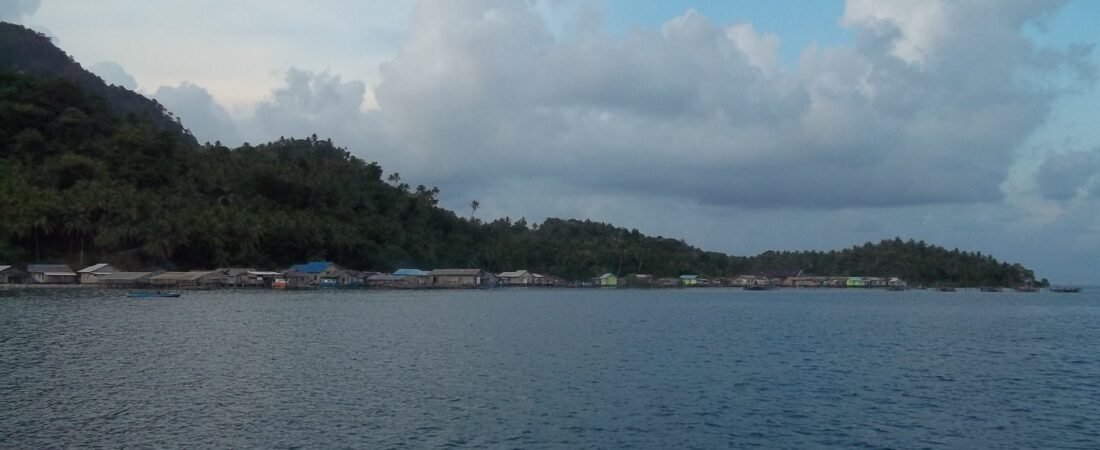
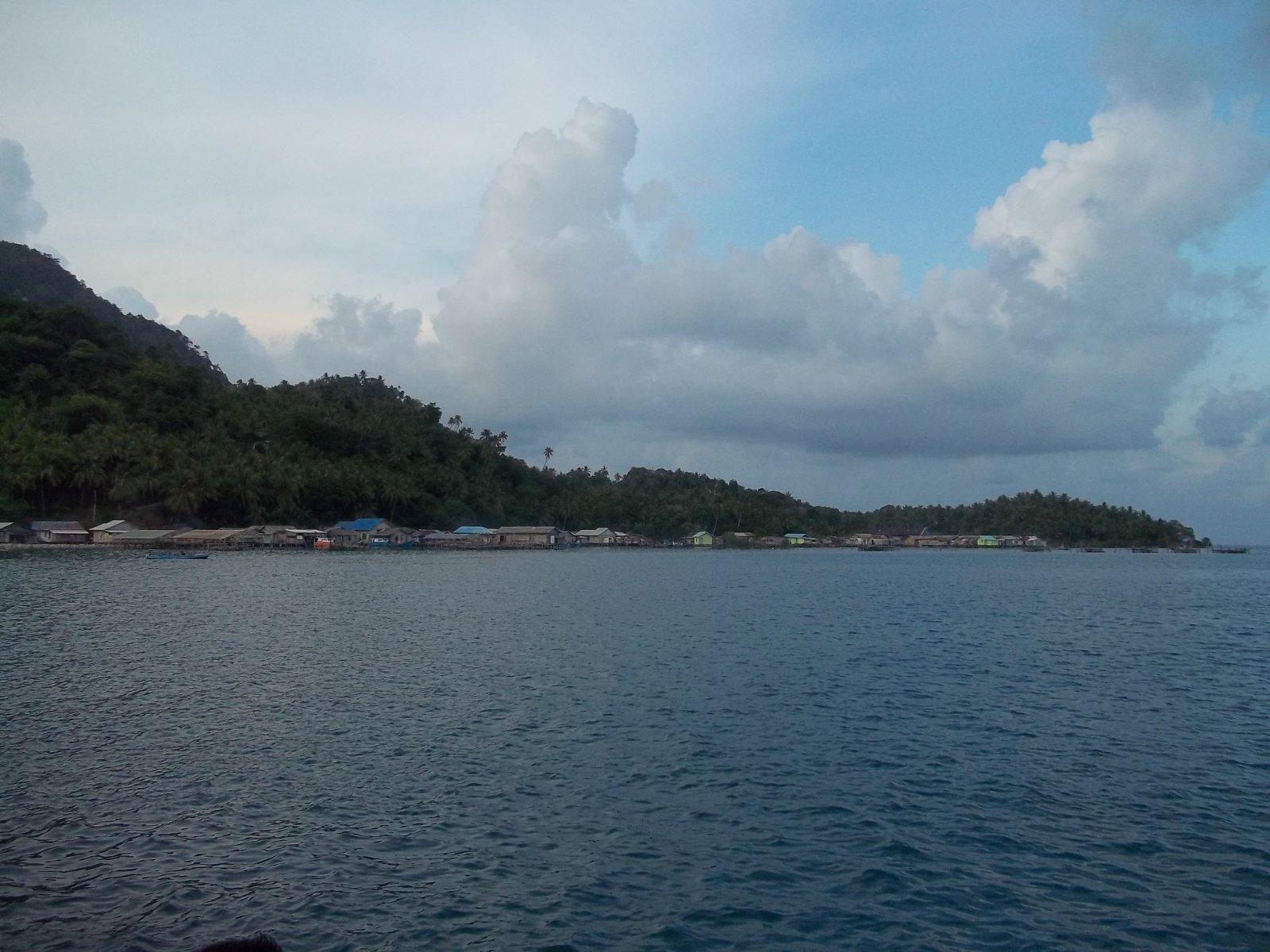
Illustrative Natuna Islands photograph. Not a photograph of a specific dive site or resort.
How to Plan a Luxury Diving Trip to Natuna 2026
The Natuna Islands sit at the far northern edge of Indonesia’s territory in the South China Sea, closer to Vietnam and Malaysia than to Jakarta, and almost no luxury travel content covers them at all. This guide focuses on planning a diving-led trip to Natuna specifically for experienced travelers comfortable with minimal infrastructure and long transit days — not a resort-and-spa itinerary, and not a first trip to Indonesia. We walk through permits, flights, where to base yourself, dive conditions, and what to expect once you land.
Why Natuna Is Different From Indonesia’s Other Dive Islands
Natuna Regency is administered as part of Riau Islands province but sits roughly 600 miles north of Bintan, in waters shared with Vietnam’s and Malaysia’s exclusive economic zones. The islands are lightly populated, economically tied to fishing and offshore gas extraction rather than tourism, and almost entirely undeveloped for visitors. There is no resort infrastructure comparable to Bali, Raja Ampat, or even the Anambas Islands one archipelago south — our Anambas Islands guide covers the nearest comparable destination with an actual luxury resort. Natuna is for travelers who want to see reef systems that essentially never appear on a dive itinerary, and who are willing to trade comfort for that. Indonesia’s own Wonderful Indonesia tourism portal lists Natuna only briefly, which is itself a useful signal of how far outside the mainstream tourism trail this destination sits — most of what you need to plan a trip here comes from local operators rather than a polished national campaign.
The regency spans more than two hundred islands, though only a handful are inhabited, and the main draw for visitors is concentrated around Natuna Besar and Serasan. Offshore gas platforms are visible from some boat routes, a reminder that the regional economy runs on energy extraction rather than tourism dollars, and that infrastructure investment has followed gas revenue rather than visitor demand. That said, the state of the reefs is precisely what you’d expect from decades of minimal dive tourism: healthy coral structures, low anchor damage, and fish biomass that dive operators elsewhere in Indonesia describe wistfully as “how Raja Ampat used to look.”
Step 1: Sort Out Flights and Timing
Ranai, on Natuna Besar (the main island, also called Bunguran), has the only commercial airport, served by a small number of weekly flights connecting through Batam or Jakarta. Schedules change often and seats are limited, so book as early as your itinerary allows and build in a buffer day on both ends — a missed or cancelled connection here can cost you two or three days rather than a few hours. Because flight frequency is genuinely low, most trips are built around a single fixed arrival and departure window rather than a flexible island-hopping pace. Treat the Batam or Jakarta connection as its own logistics problem: if you’re arriving internationally the same day, plan an overnight in Batam rather than attempting a tight same-day connection onward to Ranai, since a delayed international arrival with no same-day backup flight can unravel an entire itinerary built around a single weekly departure.
Step 2: Confirm Permits and Border-Area Requirements
Because Natuna sits in a sensitive maritime border zone, some outer islands and dive sites require coordination with local authorities or a registered local operator rather than independent access. This isn’t the bureaucratic hurdle it sounds like — in practice it means booking through a Ranai-based dive or boat operator who already holds the necessary permissions, rather than attempting to charter independently. Check current entry requirements and any regional advisories through Indonesia’s Directorate General of Immigration well before booking flights, since foreign nationals are occasionally asked to register their itinerary with local police upon arrival in Ranai.
| Planning step | What to do | Lead time |
|---|---|---|
| Flights to Ranai | Book via Batam or Jakarta as soon as dates are fixed | 8–12 weeks |
| Dive operator booking | Confirm a Ranai-based operator with permit access | 6–8 weeks |
| Itinerary registration | Check current local police/immigration registration rules | 2–4 weeks |
| Gear and cash | Bring your own dive gear and sufficient cash reserves | Before departure |
Step 3: Choose Where to Base Yourself
Ranai is the default base simply because it’s the only town with more than one guesthouse and any reliable services. Accommodation is simple — clean, family-run guesthouses rather than resorts — and you should not expect air conditioning or hot water as a given at every property. Serasan, further south, is quieter still and better suited to travelers who’ve already sorted a boat charter and want to dive straight from a smaller outpost. For most first-time visitors, basing in Ranai and running day boats out to nearby reef systems is the more realistic plan than trying to island-hop independently. Expect single-digit numbers of guest rooms at any one property, which means group trips of more than four or five people should book multiple guesthouses rather than assuming one property can absorb a larger party, and should confirm room counts directly with the owner rather than relying on third-party booking platforms, which have patchy coverage of Natuna at best.
Step 4: Understand the Diving
Natuna’s reefs benefit from exactly the isolation that makes logistics hard: minimal fishing pressure in some zones, healthy hard coral cover, and a real chance of pelagic sightings that more accessible Indonesian dive sites have lost to decades of visitor traffic. Conditions vary sharply by site and season, with currents that can run stronger than the more sheltered dive sites around Bintan or Batam. This is not a beginner dive destination; go in with Advanced Open Water certification at minimum, and confirm with your chosen operator what backup and emergency evacuation plans exist, since the nearest hyperbaric chamber is not local. Visibility swings more with local weather than in the sheltered dive sites further south, so a serious dive trip here should build in flexible days rather than a tightly packed schedule, and divers should be comfortable adjusting plans at short notice based on the operator’s read of conditions that morning. For a broader sense of how Natuna’s profile compares with Indonesia’s better-known dive regions, our Indonesia diving destinations comparison and Raja Ampat dive resort guide are useful benchmarks for what a more developed alternative looks like.
Step 5: Time Your Trip Around the Weather
The calmest sea conditions generally run from March through August, before the northeast monsoon brings rougher water and reduced visibility from around November through February. Because this is open South China Sea rather than a sheltered strait, sea state matters more here than on most Indonesian island trips — a marginal forecast can mean a cancelled boat day rather than just a wetter one. Check the Indonesian Agency for Meteorology, Climatology and Geophysics (BMKG) marine forecast in the two weeks before departure, and build at least one contingency day into your schedule in case a boat day gets cancelled for weather.
Step 6: Budget and Pack Correctly
There is essentially no card payment infrastructure outside Ranai’s largest shops, so bring enough rupiah in cash to cover your entire trip plus a buffer. Bring your own dive computer, regulator, and BCD if you have them — rental gear is limited and not always well maintained. Pack basic first-aid and any personal medication in excess of what you think you’ll need, since Ranai’s medical facilities are limited and anything more serious means evacuation to Batam or Jakarta. Travel insurance that explicitly covers dive evacuation and repatriation from a remote Indonesian border region is worth confirming before you book anything else — a standard travel policy sometimes excludes exactly this kind of location, and finding that out after an incident is the worst possible time. If your trip is timed around a broader Riau Islands loop, our Bintan vs Batam comparison covers the far more developed, resort-friendly end of the same province for context.
Frequently Asked Questions
Is Natuna safe to visit as a foreign traveler?
Yes, for travelers who plan ahead and go through a registered local operator. The border-area sensitivity is administrative rather than a safety concern for visitors following standard registration steps.
How do I get to Natuna?
Fly into Ranai on Natuna Besar via Batam or Jakarta. Flight frequency is low, so book well ahead and confirm schedules close to your travel date.
Do I need a special permit to dive in Natuna?
Some outer sites require coordination with local authorities. Booking through a Ranai-based dive operator that already holds the necessary access is the practical way to handle this.
What dive certification level do I need?
Advanced Open Water or higher is recommended given current strength and the lack of nearby emergency dive medicine facilities.
When is the best time to visit Natuna?
March through August offers the calmest seas. November through February brings the northeast monsoon and rougher, less predictable conditions.
Can beginners dive in Natuna?
It’s not recommended. Current conditions and the distance from emergency dive medicine facilities make Natuna better suited to divers with Advanced Open Water certification or higher.
Natuna isn’t a trip to book on a whim — it rewards travelers who plan permits, flights, and gear well in advance and accept a genuinely undeveloped destination in exchange. Verify current flight schedules and any regional entry requirements directly before finalizing dates, since both change without much notice this far from Indonesia’s main tourism infrastructure. Treat this as a trip for your second or third visit to remote Indonesia rather than your first — the payoff is real, but so is the margin for things to go sideways in ways a more developed destination simply wouldn’t allow.