5 Best Liveaboard Diving Trips in Raja Ampat (2026)
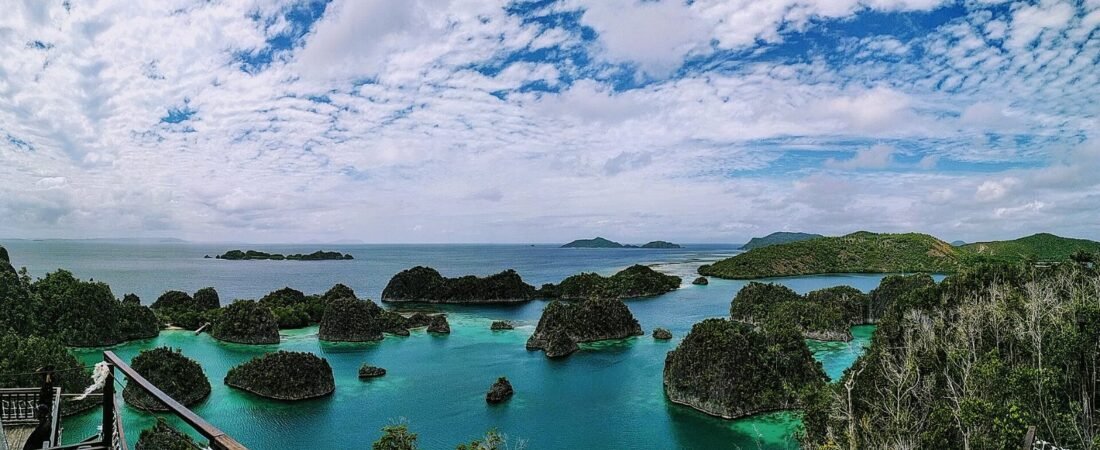
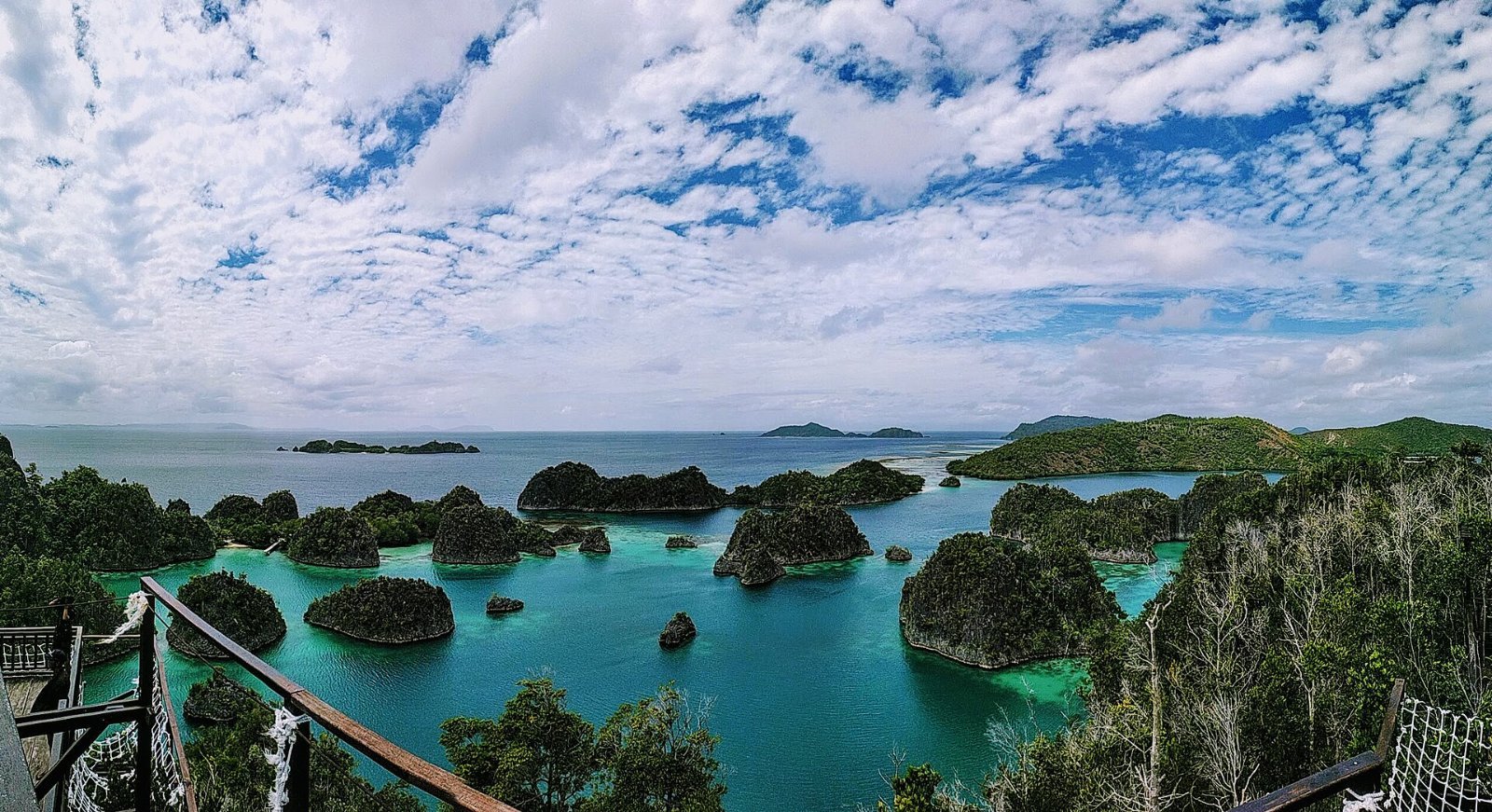
Illustrative island photograph. Not a photograph of the resorts compared below.
This guide focuses on liveaboard diving routes specifically for divers who have already decided a land-based homestay will not get them to Raja Ampat’s outer reefs and want to understand which itinerary style fits their certification level and trip length. Rather than naming specific vessels, whose availability and itineraries change season to season, this list covers the five route types that Raja Ampat liveaboard operators consistently run, so you can match a route to your goals before comparing individual boats. A liveaboard is a meaningfully different commitment than a land-based dive trip: you are sharing a small boat with a fixed group for a week or more, meals and schedules are set by the crew, and there is no option to simply skip a day and relax on shore, so matching the route to your actual diving interests matters more here than at almost any other destination. Background on why Raja Ampat draws so much liveaboard traffic in the first place is covered on Wikipedia’s Coral Triangle entry, which describes the marine biodiversity hotspot that spans this part of Indonesia.
Research-based guide · Compiled from official tourism and conservation sources, September 2026. This is not a first-hand stay review or a ranking based on guest scores.
Quick answer
First-time liveaboard divers should look at Dampier Strait and Manta Loop routes for an easier, shorter introduction; experienced divers chasing pelagic action and dramatic scenery should prioritize Wayag and Piaynemo explorer routes or a full Grand Loop itinerary that covers both the north and south of the archipelago.
1. Dampier Strait & Manta Loop
This is the most common short liveaboard route, typically 4 to 7 nights, covering the manta cleaning stations near Mansuar and Arborek along with a selection of Dampier Strait reef sites. It suits first-time liveaboard divers and mixed groups where not everyone wants a demanding itinerary, since the strait’s currents are generally milder than the outer islands. Because it overlaps with sites also reachable from land-based homestays, it is the easiest route to combine with a short land stay before or after, letting you compare the liveaboard experience against a homestay-based trip on the same visit.
Expect two to three dives most days on this route, with surface intervals often spent near a homestay-populated island rather than in genuinely remote water, which some divers find reassuring on a first liveaboard trip and others find slightly less adventurous than the more remote route types below.
2. Misool Marine Reserve Circuit
Misool routes focus on the no-take marine reserve zones in the south of the regency, known for exceptionally healthy reefs and consistent big-fish sightings, a direct result of the reserve’s protection status. These routes run 6 to 10 nights and typically depart from a southern hub rather than Sorong directly, so check your operator’s exact departure point before booking flights. Misool circuits suit divers who have already done a Dampier Strait trip and want to see what protected, lower-traffic reefs look like by comparison. Expect longer surface intervals between dive sites on this route, since the reserve’s boundaries are spread across a wider area than the compact Dampier Strait, and pack accordingly for longer days on the water.
3. Wayag & Piaynemo Explorer
These routes prioritize the karst-island scenery of Wayag and Piaynemo alongside diving, making them the best choice for divers traveling with a non-diving partner who still wants the iconic viewpoint photos. Days on this route typically alternate between a morning dive and an afternoon or sunset landing at a karst viewpoint, giving both divers and non-divers something to look forward to rather than filling every hour with tank time. Because Wayag is only reachable by boat and is genuinely weather-dependent, these routes carry the highest risk of itinerary changes; book one with real flexibility built in, and see our best time to visit Raja Ampat guide before choosing dates, since outer-island access varies sharply by season.
4. Fam Islands & Aljui Bay Muck Diving
A route type aimed specifically at underwater photographers, Fam Islands and Aljui Bay itineraries prioritize muck diving and macro subjects over the wide-angle reef and pelagic focus of the other routes. These trips run 5 to 8 nights and are a strong choice for divers who have already done a standard Dampier Strait or Misool trip and want a different kind of diving on a return visit rather than repeating the same highlights. If your primary interest is a camera-friendly trip rather than wide-open reef vistas, ask specifically whether the operator’s dive guides are experienced macro spotters, since this route type rewards a guide who can find small, well-camouflaged subjects far more than one used to leading wide-angle reef dives.
5. The Grand Loop (North and South Combined)
The most comprehensive option, Grand Loop routes run 10 to 14 nights and combine Dampier Strait, Wayag or Piaynemo, and Misool into a single itinerary. These suit experienced, well-traveled divers who have already narrowed down Raja Ampat as a priority destination and want to see as much of the regency as possible in one trip rather than planning a return visit. Expect the highest price point of the five route types, reflecting both the trip length and the fuel and logistics of covering the full archipelago. Because these itineraries cross more open water than the shorter routes, they are also more exposed to weather-driven changes, so build in the same flexibility expectations you would for a dedicated Wayag trip.
Comparing the Five Route Types
| Route Type | Typical Length | Best For |
|---|---|---|
| Dampier Strait & Manta Loop | 4-7 nights | First-time liveaboard divers |
| Misool Marine Reserve | 6-10 nights | Divers wanting protected, lower-traffic reefs |
| Wayag & Piaynemo Explorer | 6-9 nights | Mixed diver/non-diver couples, scenery focus |
| Fam Islands & Aljui Bay | 5-8 nights | Underwater photographers, repeat visitors |
| Grand Loop | 10-14 nights | Experienced divers wanting full coverage |
How to Choose Between Them
Match the route to your certification level and trip goals rather than picking the longest or most comprehensive option by default. A newly certified diver on a Grand Loop itinerary may find several outer-island sites more demanding than expected, while an experienced diver on a short Dampier Strait route may feel it is too easy. Ask your operator directly which specific sites are on their current itinerary and what certification level they recommend, since route names vary between operators even when they describe similar coverage. It is also worth asking how many other guests will be aboard and how dive groups are split, since a smaller boat with two dive groups gives a very different in-water experience than a larger vessel running four or five groups per site.
If a full liveaboard trip does not fit your schedule or budget, our Raja Ampat travel guide covers land-based homestay alternatives, and our Natuna diving trip planning guide and Anilao versus Puerto Galera comparison cover comparable dive-focused trips elsewhere in the region if Raja Ampat’s liveaboard costs do not fit this year’s budget.
Booking and Certification Notes
Liveaboards typically require Advanced Open Water certification or higher for outer-island routes, and some operators request a minimum logged dive count for Wayag and Grand Loop itineraries specifically. Book 6 to 12 months ahead for the October-to-April high season, since cabin counts on Raja Ampat liveaboards are small, often under 20 guests, and popular departure dates sell out well in advance. Confirm nitrox availability if you dive it regularly, since not every Raja Ampat liveaboard offers it as standard, and ask about cancellation and rerouting policies specifically for weather events, since this is a real possibility on any Raja Ampat itinerary regardless of season. According to Wikipedia’s Raja Ampat Islands entry, the regency’s reef systems are frequently cited among the most biodiverse on the planet, which is the underlying reason liveaboard demand here consistently outpaces the limited number of boats operating in the region; the official Indonesia.travel Raja Ampat page lists current permit requirements that apply to liveaboard passengers as well as land-based visitors.
Frequently Asked Questions
Do I need to be an advanced diver for a Raja Ampat liveaboard?
For Dampier Strait and Manta Loop routes, Open Water certification is often sufficient; Wayag, Misool and Grand Loop routes generally expect Advanced Open Water or a substantial logged dive count.
How far ahead should I book a Raja Ampat liveaboard?
Book 6 to 12 months ahead for the October-to-April high season, since cabin counts are small and popular departures sell out well in advance.
Can non-divers join a Raja Ampat liveaboard?
Some operators accept non-diving guests on Wayag and Piaynemo explorer routes for the scenery and snorkeling, but check directly, since not all liveaboards accommodate non-divers.
Which route sees the most manta rays?
Dampier Strait and Manta Loop routes are built specifically around known manta cleaning stations, making them the most reliable route type for manta sightings.
Is a Grand Loop worth it for a first Raja Ampat trip?
Not usually; most operators and experienced divers recommend a shorter, more focused route for a first visit, saving the Grand Loop for a return trip once you know what you enjoyed most.