Redang Island Travel Guide 2026
A practical 2026 guide to Malaysia’s marine park island: transport, season, and where to stay.
This guide focuses on Redang Island specifically for first-time visitors planning a beach-and-reef trip from Terengganu, Malaysia — not backpackers chasing nightlife, and not technical divers hunting wrecks. If calm, clear water, easy snorkeling, and a resort you can walk to from the jetty sound like your trip, this is the practical rundown: how to get there, when to go, what marine park status actually means for you, and where to base yourself.
Where Redang Island Is and Why It’s Worth the Trip
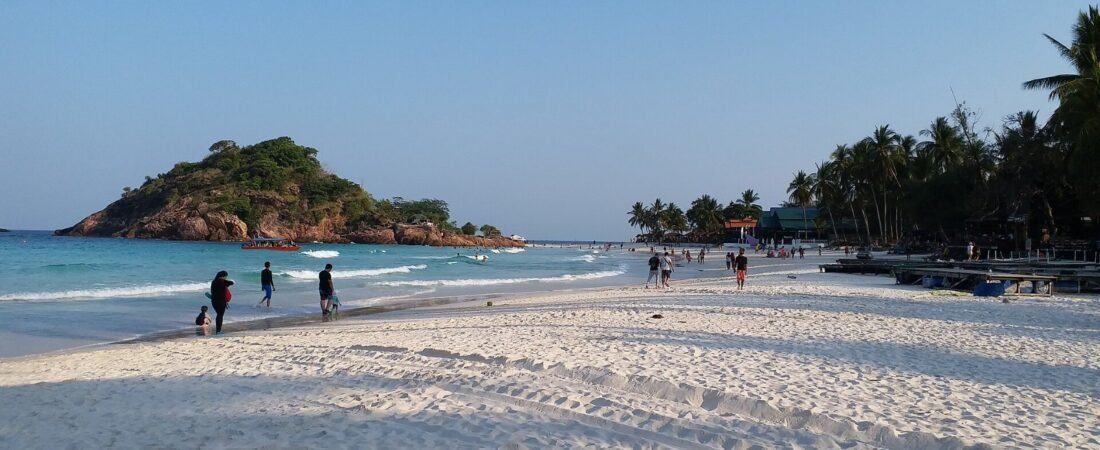
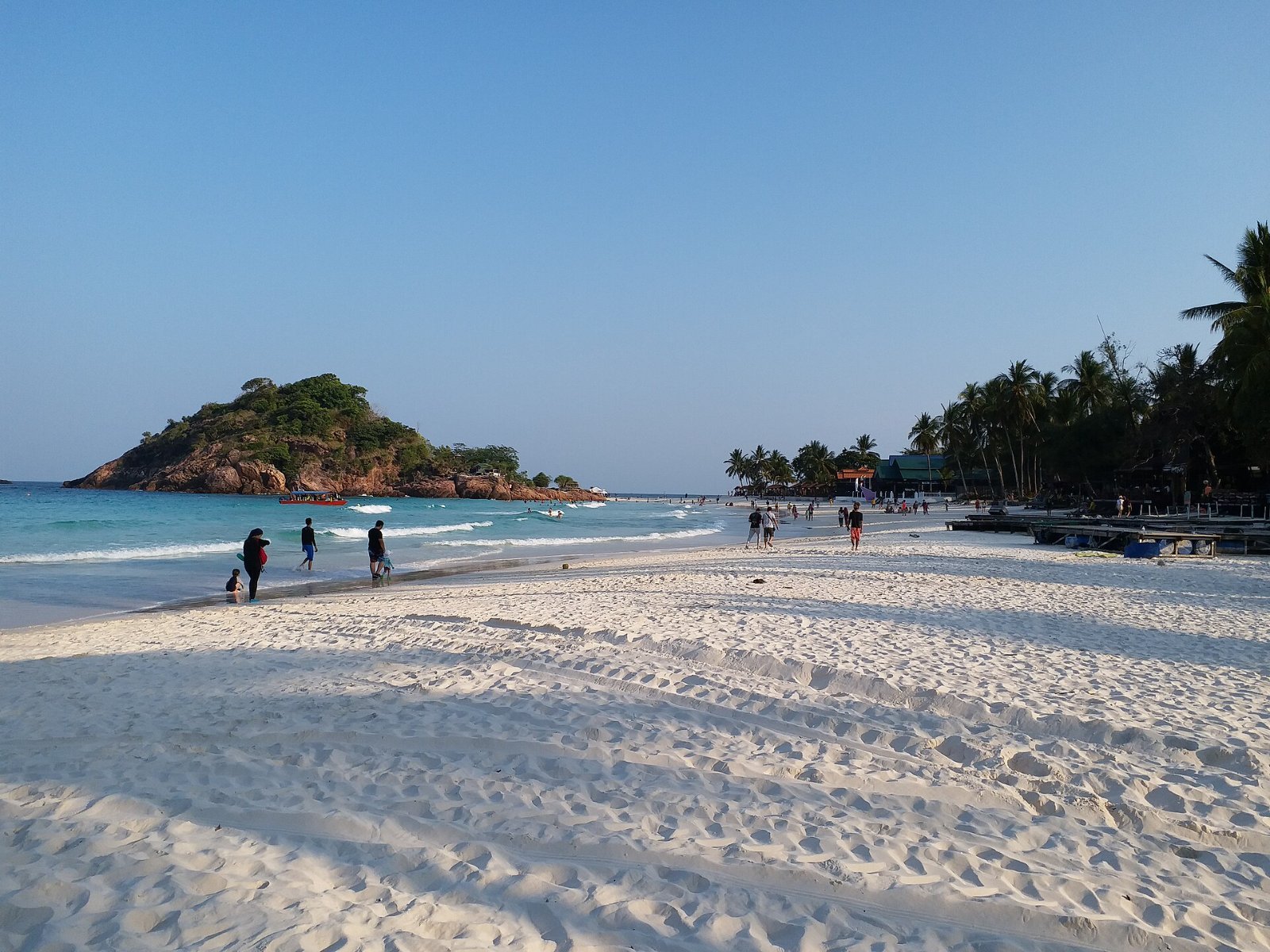
Pulau Redang sits around 45 kilometres off the coast of Terengganu, on Malaysia’s east coast, inside the South China Sea. It’s the largest island in a small archipelago that includes several uninhabited satellite islets, and the whole group is protected as a gazetted marine park. The appeal is straightforward: fine white sand, water clear enough to see reef fish from the shoreline, and a pace that suits a three- to five-night stay rather than a long backpacking loop. Compared with west-coast islands like Langkawi, Redang has fewer roads, almost no cars, and no real nightlife scene — most evenings end with dinner at your resort and an early night before a morning snorkel trip. That trade-off is the whole point: you’re choosing quiet over convenience, and reef access over shopping and bars.
It’s also worth setting expectations on scale. Redang is small enough to walk between some beaches, but not so small that you’ll run out of things to do in three days — between snorkeling, a jungle trail, and simply resetting away from mobile signal, most visitors find four or five nights is the sweet spot before it starts to feel repetitive.
Getting to Redang: Flights, Jetties, and Boat Transfers
The usual route starts with a flight from Kuala Lumpur to Kuala Terengganu (TGG), which takes about an hour on Malaysian domestic carriers. From the airport, it’s roughly a 40-minute drive to one of two jetty points — Shahbandar Jetty in Kuala Terengganu town, or Merang, which sits closer to the island and cuts the boat crossing to about 30 minutes. Speedboats operated by resorts or independent operators make the crossing in 30 to 45 minutes depending on the jetty and sea conditions. If you’d rather skip domestic flights, it’s also possible to drive from Kuala Lumpur to Terengganu in six to seven hours and join a boat from there, which some travelers prefer if they’re combining Redang with other stops on the east coast.
Most resorts arrange jetty transfers as part of a package, so confirm pickup details when you book rather than assuming a taxi or shuttle will be waiting at the airport. If your flight lands late in the day, double-check that a boat crossing is actually available — some jetties stop running after late afternoon, especially outside peak season, which can mean an unplanned night on the mainland.
Best Time to Visit Redang
Redang’s tourist season runs from roughly early March through the end of October, which lines up with the calmer Southwest Monsoon period on Malaysia’s east coast. From November to February, the Northeast Monsoon brings rough seas, heavy rain, and strong winds, and almost every resort on the island closes for the season while ferries are suspended for safety. For a full month-by-month breakdown, including how Redang’s season compares with the nearby Perhentian Islands, see our guide to the best time to visit Redang and Perhentian.
What Marine Park Status Means for Your Trip
Redang and its surrounding islets are protected under Malaysia’s marine park system, which restricts activities like coral collection, spearfishing, and anchoring on reef. As a visitor, the most direct effect is a small conservation fee, usually collected by your resort on arrival or built into the package price — confirm this when you book so there are no surprises at check-in. The upside of the protected status is the reef itself: shallow coral gardens close to shore stay in noticeably better condition than on islands without marine park protection, which is a big part of why the snorkeling here is worth the trip.
Universiti Malaysia Terengganu also runs the Chagar Hutang Turtle Sanctuary on the island’s northeast side, a nesting beach for green and hawksbill turtles with managed, restricted access rather than an open swim-with-turtles beach. Most visitors are more likely to spot turtles while snorkeling elsewhere around the island than at the sanctuary itself, so don’t build your whole trip around a guaranteed sighting there — treat any turtle encounter as a bonus rather than the plan.
Where to Stay: Resort Areas on Redang
Pasir Panjang, also called Long Beach, is Redang’s main resort strip and the easiest base if you want a wide choice of dining and easy beach access. Teluk Dalam and Teluk Kalong are quieter bays a short boat ride from the main jetty, better suited to travelers who want fewer neighbours and a more private stretch of sand. Because the island has no real road network connecting the bays, which beach your resort sits on matters more here than it might elsewhere — moving between bays generally means a boat transfer, not a short walk. For a full rundown of specific properties, room types, and price brackets, see our separate guide to the best luxury resorts on Redang Island, which covers the island’s coral-reef and turtle-adjacent stays in more depth than fits here.
Top Things to Do on Redang Island
Snorkeling is the headline activity, and you don’t need a boat trip to do it well — several resorts sit directly on a house reef you can swim out to from the beach. For a wider range of sites, half-day boat trips typically stop at three or four spots around the main island and its satellite islets, giving you a mix of coral gardens and open-water patches where larger fish pass through. Diving is well established too, with several PADI centres on the island running Open Water courses for beginners and fun dives for certified divers who want to go deeper than a snorkel allows.
On land, a marked jungle trail connects Pasir Panjang to Teluk Kalong, a walk of roughly 30 to 40 minutes through forest that’s worth doing in the cooler morning hours. A small marine park interpretation centre near the main jetty is worth 20 minutes if you want context on the reef ecosystem before you get in the water — it’s free and gives useful background for anyone traveling with kids who ask questions about what they’re seeing underwater. For a curated list of specific snorkeling and diving spots worth building a day around, see our guide to Redang’s best snorkeling and diving spots.
Redang vs Nearby Islands: A Quick Comparison
Redang isn’t the only marine park island off Malaysia’s east coast, and it’s worth knowing how it stacks up before you commit. The table below compares Redang with three islands travelers often shortlist alongside it.
| Island | Vibe | Best for | Season |
|---|---|---|---|
| Redang | Polished, quiet resorts | Couples, easy snorkeling | March–October |
| Perhentian | Mixed budget, livelier on Kecil | Backpackers, budget divers | March–October |
| Tioman | Larger, more infrastructure | Longer stays, families | March–October |
| Langkawi | Full resort island, duty-free | Nightlife, year-round access | Year-round |
For a deeper side-by-side on the closest comparison, read our full Redang vs Perhentian Islands guide.
Practical Tips: Fees, Packing, and Connectivity
Pack reef-safe sunscreen — marine park rules generally discourage products that can damage coral, and some resorts ask guests not to bring standard sunscreen into the water at all. Mobile signal is patchy outside the main resort strip, and most properties rely on their own Wi-Fi rather than reliable cellular data, so download offline maps and confirm transfer times before you leave the mainland. Cash is still useful for small purchases, since card machines can be unreliable this far from the mainland grid, and many smaller stalls near the jetty don’t accept cards at all.
Weather on Malaysia’s east coast is tracked by the Malaysian Meteorological Department, a reliable source to check in the shoulder months of March and October when conditions can be more variable than the peak-season average. For broader trip planning and visa information, Malaysia’s official Tourism Malaysia site is the best starting point, and the Wikipedia entry for Pulau Redang is useful for geography and history background beyond what fits in a travel guide.
Redang Island FAQ
Is Redang Island good for non-divers?
Yes. Most of Redang’s best reefs sit close to shore in shallow, clear water, so snorkeling directly from the beach or a short boat hop shows you coral and reef fish without a diving certification. Resorts also run house-reef snorkel trips for guests who have never dived.
How do I get to Redang Island from Kuala Lumpur?
Fly from Kuala Lumpur to Kuala Terengganu (roughly a one-hour flight), then transfer by road to a jetty at Merang or Kuala Terengganu itself, followed by a speedboat crossing of about 30 to 45 minutes. Some resorts include jetty transfers and the boat ride in their packages.
Is Redang Island closed during monsoon season?
Most resorts and the marine park close from around November through February or early March, when the Northeast Monsoon brings rough seas and heavy rain to Malaysia’s east coast. Ferry services are suspended for safety during this window, so plan trips outside those months.
Do I need to pay a marine park fee to visit Redang?
Yes. Redang sits inside a gazetted marine park, and visitors pay a conservation fee that supports reef management. Resorts typically collect this on arrival or include it in the package price, so confirm with your accommodation before you travel.
Is Redang better than Perhentian for couples?
Redang generally suits couples who want a quieter, more polished resort stay, while Perhentian offers a wider mix of budgets and a livelier backpacker scene on Perhentian Kecil. See our detailed Redang vs Perhentian comparison for a side-by-side breakdown.
What should I pack for a Redang Island trip that I might not think of?
Bring reef-safe sunscreen, a dry bag for the boat transfer (spray is common even on calm days), a light jacket for air-conditioned rooms, and cash in smaller denominations since card acceptance is inconsistent away from the main resort desks. A basic first-aid kit is worth having too, since the nearest clinic is back on the mainland.