Best Snorkeling Spots on Redang Island 2026
Seven real snorkeling and diving spots on Redang, from easy house-reef access to boat-trip dive sites.
This guide focuses specifically on where to get in the water on Redang, for travelers who want a shortlist of real spots rather than a generic “go snorkeling” recommendation. It’s built around a mix of easy beach-access sites and boat-trip stops, ordered roughly from easiest to reach to further afield, with enough detail on each to help you plan actual days rather than just a wishlist. Each entry below notes how to get there and who it suits, so you can match spots to your group’s comfort level and skill rather than chasing every name on the list.
The 7 Best Snorkeling and Diving Spots on Redang
Redang’s reef quality benefits directly from its marine park status, which keeps anchoring, spearfishing, and coral collection off-limits across the island group. That protection is a big part of why even the easiest, most convenient spots below still hold up well compared with unprotected reefs elsewhere in the region, and it’s worth keeping in mind as a reason not to touch or stand on coral even when a spot looks sturdy enough to grab onto.
1. Pasir Panjang House Reef
The most convenient spot on the island by far. Several resorts along Pasir Panjang (Long Beach) sit directly on a fringing reef you can swim out to without a boat, making it the easiest option for a spontaneous session before breakfast or after check-in. Visibility and coral condition vary by exact spot along the beach, so ask your resort’s front desk which stretch is best that week. Because it needs no boat and no booking, this is the spot to use for a first taste of the water on your arrival afternoon.
2. Pulau Lima
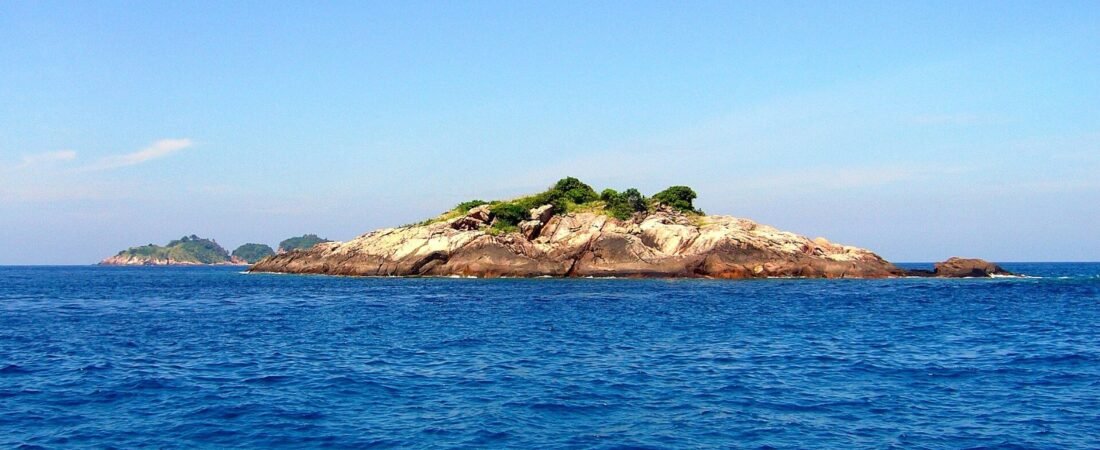
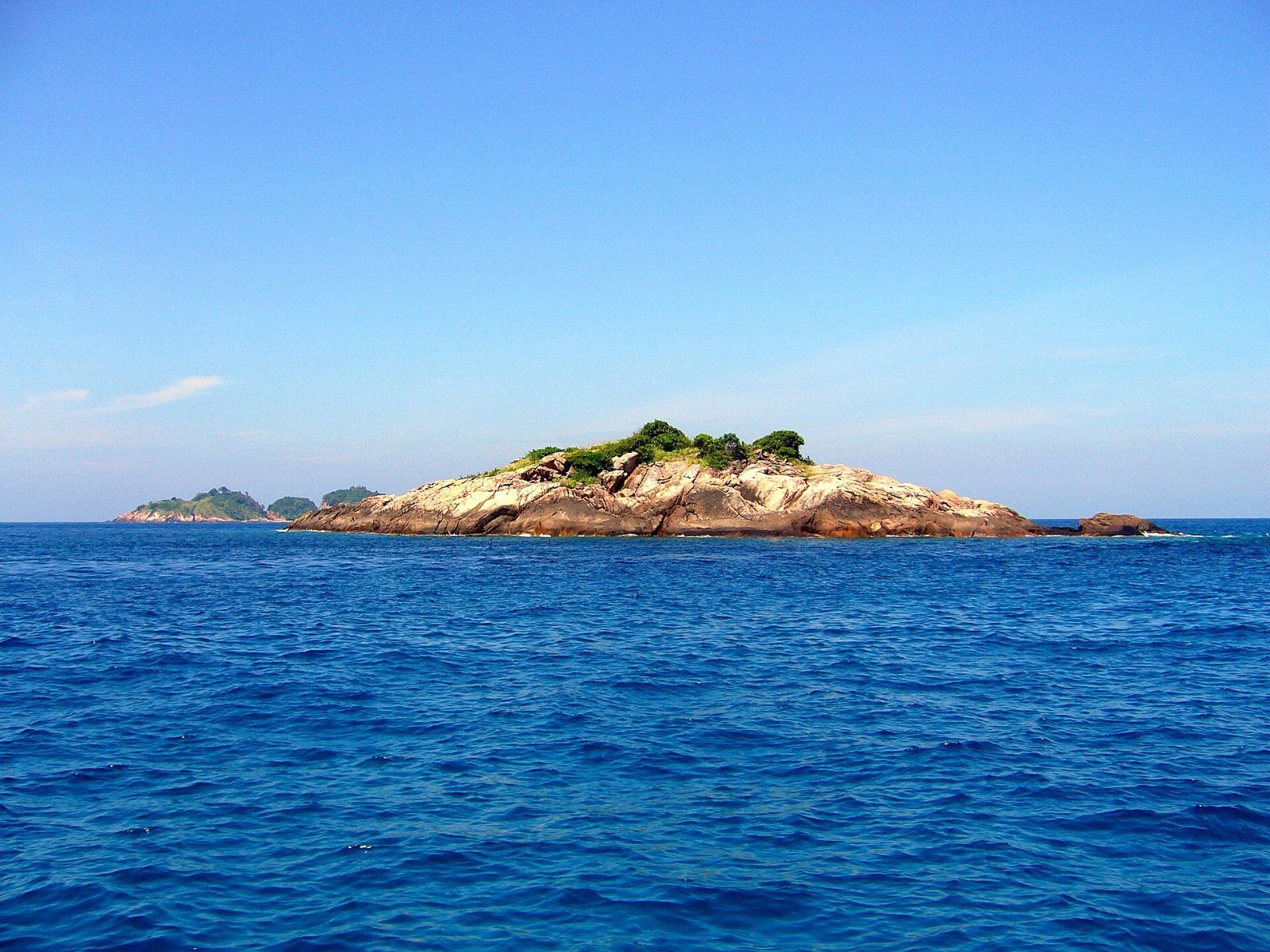
A small satellite islet a short boat ride from the main island, commonly included on half-day snorkel trips. The appeal here is less crowding than the main beach reefs and a good chance of spotting reef fish in noticeably clearer water when conditions are calm. Boat operators usually pair it with one or two other stops on the same outing, so it rarely stands alone on an itinerary.
3. Teluk Kalong
A quieter bay on the northeast side of Redang, reachable by a short boat transfer or the jungle trail from Pasir Panjang. The reef here tends to be less trafficked than the main beach strip, which can mean better coral condition and a calmer, less crowded session. It also doubles as a nice half-day plan on its own: walk the trail over, snorkel, then boat back rather than retracing your steps.
4. Tanjung Tengah
A frequently cited stop on boat-based snorkel and dive itineraries, known for a mix of coral bommies and open sandy patches where larger fish pass through. It suits both snorkelers on the surface and divers going deeper on the same trip, which makes it a practical choice if your travel group has mixed skill levels and wants to stay together on one boat rather than splitting into separate trips.
5. Big Mount (Pinnacle Reef)
A dive site rather than a snorkel spot, popular with certified divers doing fun dives from Redang’s PADI centres. If you’re not certified but curious, ask a dive shop about a Discover Scuba session, which lets first-timers experience sites like this under instructor supervision without a full certification course.
6. Chagar Hutang Turtle Sanctuary (view only)
This UMT-managed nesting beach on the island’s northeast side isn’t an open snorkeling site, since access is restricted to protect nesting green and hawksbill turtles. It’s included here mainly so you know not to plan a trip around swimming with turtles at this specific spot; sightings elsewhere around the island, including at some of the other spots on this list, are the more realistic way to see one.
7. Marine Park Centre Reef
Close to the main jetty, this spot is convenient for a quick session either at the start or end of your island stay, and doubles as a good orientation stop if you visit the small interpretation centre first to learn what you’re looking at underwater before you get in.
Quick Comparison: Which Spot Fits Your Trip
The table below summarizes access, difficulty, and who each spot suits best, so you can build a rough day-by-day plan before you arrive.
| Spot | Access | Best for | Level |
|---|---|---|---|
| Pasir Panjang House Reef | Swim from shore | Beginners, spontaneous sessions | Easy |
| Pulau Lima | Short boat ride | Fewer crowds | Easy |
| Teluk Kalong | Boat or jungle trail | Quiet, less-trafficked reef | Easy-moderate |
| Tanjung Tengah | Boat trip | Mixed snorkel and dive groups | Moderate |
| Big Mount (Pinnacle Reef) | Boat, dive only | Certified divers | Advanced |
What to Bring for a Day on the Water
Reef-safe sunscreen matters more here than on most beach trips, since Redang’s marine park rules generally discourage products that can damage coral, and some boat operators will ask before you get in. A rash guard or light long-sleeve top cuts down on both sun exposure and the amount of sunscreen you need in the water in the first place, which is a better trade-off than it sounds for a full day of snorkeling. Bring a dry bag for your phone and any valuables, since boat spray is common even on calm days, and pack reef shoes or sturdy sandals if you plan to walk into the water from a rocky or coral-adjacent entry point rather than soft sand, particularly around Teluk Kalong and the Marine Park Centre reef.
If you’re prone to seasickness, take precautions before you board rather than after symptoms start, since return trips on a rolling boat after a full day in the sun are when most people struggle. And bring more drinking water than you think you’ll need. Between the sun, the salt water, and a full day of swimming, dehydration sneaks up faster on a snorkeling day than on a normal beach day, and most boats carry only a limited supply for the whole group.
How to Book: Resort Trips vs Independent Boat Operators
Most guests book snorkel and dive trips directly through their resort, which is the simplest option since transport, timing, and gear rental are bundled together with no separate arrangements to make. Independent boat operators near the main jetty offer more flexibility on timing and sometimes lower prices, but you’ll need to coordinate gear rental and transport to the jetty yourself, which only makes sense if you’re staying somewhere without an easy resort-run option. Prices for independent operators fluctuate more with demand than resort-bundled trips do, so it’s worth asking two or three operators near the jetty rather than booking with the first one you find. For divers, book directly through one of the island’s PADI centres rather than a general boat operator, since dive trips need certified staff and proper safety equipment that a standard snorkel boat won’t carry, and a reputable centre will also check your certification level before assigning you to a site like Big Mount.
Planning Your Days in the Water
Most resorts offer half-day boat trips that combine two or three of these spots, which is the most efficient way to see a range of reef without arranging separate outings. If your trip is short, prioritize the house reef on your arrival and departure days, and book a boat trip for at least one full day in between. For general trip logistics beyond snorkeling, see our full Redang travel guide, and for accommodation near the best reef access, our Redang resort guide notes which properties sit closest to the house reef.
Timing matters too: see our best time to visit guide for the months with the clearest water, and if you’re also considering Perhentian’s dive sites for comparison, our Redang vs Perhentian comparison covers how the two islands’ underwater options differ. Malaysia’s marine parks fall under national conservation policy described by Tourism Malaysia, the Wikipedia entry for Pulau Redang has useful background on the island’s marine park status, and current sea conditions can be checked via the Malaysian Meteorological Department.
Redang Snorkeling Spots: FAQ
Do I need to be a certified diver to enjoy Redang’s reefs?
No. Most of the spots on this list are snorkel-friendly, with shallow coral close enough to shore or to an anchored boat that you don’t need certification. Only a couple of the deeper sites really call for scuba to appreciate fully.
Can I snorkel at Chagar Hutang Turtle Sanctuary?
Not casually. Chagar Hutang is a managed turtle nesting beach run by Universiti Malaysia Terengganu, and access is restricted rather than open to general snorkeling visitors. Treat any turtle sighting elsewhere around the island as the realistic way to see one, not a visit to this specific site.
Is a boat trip necessary, or can I snorkel from the beach?
Both work. Pasir Panjang’s house reef is genuinely swimmable from shore, which is why it’s the easiest option for a spontaneous session. The other spots on this list are boat-accessible, usually as part of a half-day trip that stops at three or four sites.
What’s the best month for underwater visibility at these spots?
May and June tend to offer the clearest water, after the season has had a couple of months to settle following the March reopening and before the July-August crowds arrive. See our full guide to the best time to visit Redang for the complete month-by-month picture.
Do I need to bring my own snorkeling gear?
Most resorts and boat operators rent masks, snorkels, and fins, so it isn’t essential to bring your own. If you’re particular about mask fit or plan to snorkel every day, packing a personal set is worth the extra luggage space.