Guam vs Saipan 2026: Which Island to Choose
Two Mariana Islands neighbors compared for a short beach escape
Guam and Saipan are neighbors in the Mariana Islands, roughly 200 kilometers apart in the western Pacific. Both are American territories with warm water, white-sand beaches and easy access from East Asia, which makes them easy to confuse. In practice, they deliver quite different holidays.
This guide focuses on choosing between Guam and Saipan specifically for first-time visitors from Japan, Korea and Taiwan planning a four-to-six-night beach trip. We compare beaches, hotels, diving, flights, crowds and costs, then give a verdict by traveler type. For deeper hotel details, see our Guam luxury hotels guide.
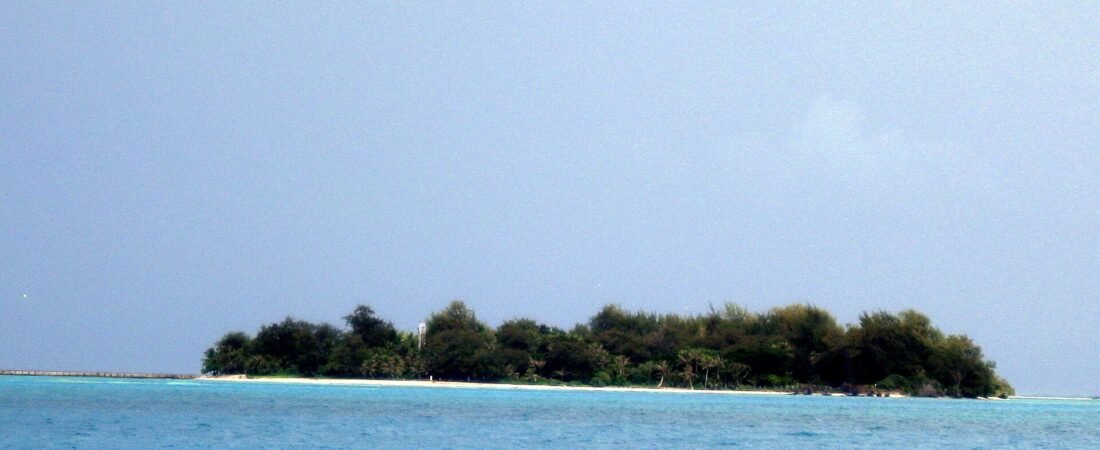
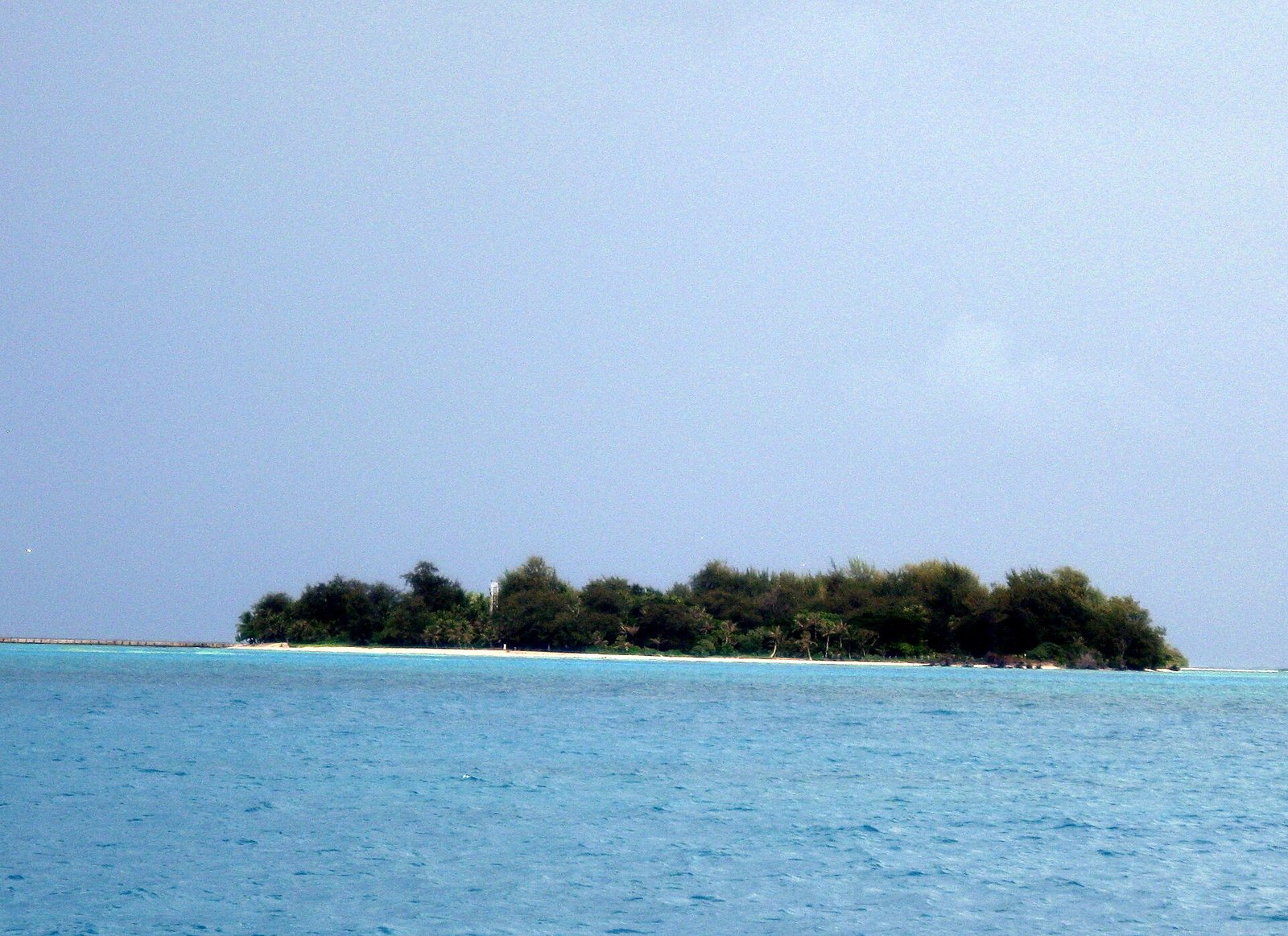
Last updated: October 2026. Hero photo: User:Takoradee / CC BY-SA 3.0 via Wikimedia Commons. Rates and policies change; confirm directly with each property before booking.
Quick answer
Choose Guam if you want more hotel choice, easier flights, shopping and a calm swimming lagoon. Choose Saipan if you want a quieter, slower island with better day-trip beaches like Managaha and world-class diving at the Grotto. Couples who want both can add Saipan to a Guam trip with a short flight.
The short version: how Guam and Saipan differ
Guam is the larger, busier and more developed island. It is the main air hub of Micronesia, with a long strip of resort hotels on Tumon Bay, big shopping malls, duty-free stores and a lively dining scene. It is a U.S. territory with a population of around 150,000.
Saipan is the capital island of the Commonwealth of the Northern Mariana Islands (CNMI). It is smaller and quieter, with a population of roughly 45,000 and a slower pace. Development is concentrated along the west coast around Garapan, and much of the rest of the island is green hills, WWII sites and rugged cliffs. It feels more like a laid-back island town than a resort city.
Both islands share the same tropical climate, the same U.S. dollar currency and similar entry rules, so the decision really comes down to the type of trip you want. Think of Guam as the convenient, full-service option and Saipan as the quieter, more outdoorsy one. Neither is a remote castaway island in the way that Palau or Yap can be, but Saipan gets noticeably closer to that feeling.
Guam vs Saipan at a glance
| Factor | Guam | Saipan |
|---|---|---|
| Atmosphere | Busy resort city | Quiet island town |
| Luxury hotels | Many, mostly on Tumon Bay | A few, around Garapan and the west coast |
| Best beach experience | Tumon Bay lagoon | Managaha Island day trip |
| Diving | Good (wrecks, walls) | Excellent (the Grotto, wrecks) |
| Flights from East Asia | Frequent, many routes | Fewer, mainly Korea |
| Shopping | Excellent (duty-free, outlets) | Limited |
| Best for | Families, shoppers, first-timers | Couples, divers, slow travelers |
Beaches and water: Managaha vs Tumon Bay
Guam’s Tumon Bay is a long, reef-protected lagoon with shallow, calm water and soft sand. It is ideal for swimming, paddleboarding and easy snorkeling straight from your hotel. The downside is that it is a resort beach: lined with hotels and busy during East Asian holidays.
Saipan’s headline beach experience is Managaha Island, a small islet in the Saipan lagoon reached by a short boat ride from Garapan. The water around it is spectacularly clear, and it feels like a true day-trip escape. Saipan’s Micro Beach and the lagoon in front of Garapan are calm too, while the east and north coasts are wild and better for viewpoints than swimming.
- Best swimming from your hotel: Guam (Tumon Bay).
- Best postcard day trip: Saipan (Managaha Island).
- Best for small children: Guam, thanks to shallow, sheltered water.
Hotels and luxury level
Guam has far more luxury choice. Tumon Bay has a dense cluster of upscale hotels, including Dusit Thani Guam Resort, The Tsubaki Tower, Hyatt Regency Guam and The Westin Resort Guam. Rooms are generally newer, service levels are higher, and there is real competition between properties.
Saipan’s hotel scene is smaller. The leading options are Kensington Hotel Saipan, a modern resort on the northwest coast that is popular with Korean couples and families, and Crowne Plaza Resort Saipan on Micro Beach in Garapan. Family resorts like Pacific Islands Club offer water parks and activities. If a true five-star feel matters most, Guam wins; if you prefer a smaller resort with fewer guests, Saipan can feel more personal.
On cost, Saipan’s top hotels are often priced below Guam’s leading Tumon Bay resorts for similar room sizes, though the gap narrows during Korean holidays when Saipan fills up. Guam’s bigger supply means more frequent promotions, especially in the shoulder months of February, March and early May. In both places, the best value usually comes from booking an ocean-view room at a slightly older resort rather than a city-view room at the newest one.
Families will find more kid-friendly infrastructure on Guam, from hotel water parks to calm beaches and indoor rainy-day options such as malls and an aquarium. Saipan’s Pacific Islands Club is the standout family choice there, with its own water park and organized activities, but outside the resorts there is simply less to do on a rainy afternoon.
Diving and snorkeling
Divers often rank Saipan above Guam. The Grotto, a collapsed limestone cavern on Saipan’s north-east coast, is one of the most famous dive sites in Micronesia, with blue light filtering through underwater tunnels. Saipan also has WWII wrecks in the lagoon, and the neighboring island of Tinian offers more dramatic dive sites.
Guam has good diving too, including WWII wrecks in Apra Harbor and walls along the west coast, plus an easy marine preserve at Tumon. For casual snorkelers, both islands are excellent. For experienced divers, Saipan has the edge. If diving is the main reason for your trip, also consider our guide to Palau’s Rock Islands, which are in a league of their own.
Water visibility on both islands is usually best in the drier months, when there is less runoff after rain. Book dives through established operators that check sea conditions on the day, as the Grotto in particular can be closed when swells roll in from the east.
Flights, entry and getting around
Guam is much easier to reach. It has frequent flights from Tokyo, Osaka, Seoul, Busan, Taipei and Manila, plus connections across Micronesia. Saipan has fewer direct flights, mainly from Korea, and schedules from Japan and elsewhere change from season to season. Many travelers reach Saipan via Guam; the hop between the islands takes under an hour.
Both islands share the Guam–CNMI visa waiver program, which lets citizens of some eligible countries visit without a U.S. visa. Others can use ESTA. Requirements change, so check U.S. Customs and Border Protection before booking. On both islands, a rental car is the easiest way to explore; Guam also has more taxis and hotel shuttles.
Weather is essentially identical on both islands: warm year-round, with a drier season from roughly January to May and a wetter, more typhoon-prone period from late summer into November. Saipan and Tinian were badly damaged by Typhoon Yutu in 2018, and while most tourism infrastructure has long since recovered, it is a reminder to buy travel insurance for any trip between August and November.
Atmosphere, culture and things to do
Guam offers more variety: shopping malls, outlet stores, dinner shows, Chamorro culture at the Wednesday night market in Hagåtña, Spanish-era churches and forts, and clifftop viewpoints like Two Lovers Point. The Guam Visitors Bureau lists events and tours.
Saipan is about slowing down: Managaha Island, the Grotto, Bird Island lookout, Banzai Cliff and the Last Command Post WWII memorials, plus sunsets along Beach Road in Garapan. The Marianas Visitors Authority has information on Saipan, Tinian and Rota. Nightlife on Saipan is limited, which many visitors see as a feature rather than a flaw.
A five-night Guam plan
Spend two days on Tumon Bay snorkeling and relaxing by the pool, one day driving the south loop past Umatac and the Inarajan pools, one morning at Two Lovers Point and Ritidian Point, and an evening at the Chamorro Village night market. Add a shopping afternoon at the duty-free stores before you fly home.
A five-night Saipan plan
Spend a full day on Managaha Island, a morning diving or snorkeling at the Grotto (in calm conditions only), and an afternoon touring Bird Island, Banzai Cliff and the Last Command Post. Take the short commuter flight to Tinian (check current schedules, as services change) for a day of empty beaches, then finish with sunset drinks along Beach Road in Garapan.
Whichever you choose, both islands make a convenient short-haul beach break. If you are comparing with Japan’s subtropical islands instead, see Amami Oshima vs Okinawa or the Yaeyama islands hopping guide.
Our verdict: first-time visitors and families should start with Guam for its easy logistics and swimming lagoon. Couples, divers and anyone who has already “done” Guam will get more out of Saipan’s quieter pace and clearer day-trip water.
Frequently asked questions
Is Guam or Saipan better for a honeymoon?
Saipan is quieter and feels more like an escape, especially with a day on Managaha Island. Guam offers more luxury hotel choice and fine dining. Couples who want seclusion lean toward Saipan; those who want polish and variety lean toward Guam.
Can you visit Guam and Saipan on one trip?
Yes. Flights between the islands take under an hour, so it is easy to spend three or four nights on Guam and two or three on Saipan.
Which island has better diving?
Saipan, mainly thanks to the Grotto and the lagoon wrecks, with Tinian nearby. Guam is still very good for wreck dives and easy shore snorkeling.
Is Saipan cheaper than Guam?
Hotel rates on Saipan are often lower than comparable Tumon Bay properties, but flights can cost more because there are fewer routes. Compare the total trip cost, including connections.
When is the best time to visit Guam and Saipan?
The drier season, roughly January to May, is the best time for both islands. Late summer to November is wetter and carries a higher typhoon risk.