Amami Oshima vs Okinawa 2026
Crowds, price, beaches, and access — compared side by side
This guide focuses on Amami Oshima versus Okinawa specifically for travelers choosing between Japan’s two best-known subtropical island destinations, rather than a general island round-up, since the two get confused often enough that the practical differences — administration, access, and crowd levels — are worth spelling out clearly.
The Short Answer
Choose Okinawa if you want more direct flights, a wider range of resorts, and easy nightlife in Naha. Choose Amami if you want quieter beaches, lower prices, and a slower pace, with mangrove kayaking and a UNESCO-listed rainforest in place of a dense resort strip. The rest of this guide breaks down exactly where that trade-off shows up, category by category.
Administration and Geography
Okinawa is its own prefecture, with Naha as its capital and air hub. Amami Oshima, despite sitting geographically between Kyushu and Okinawa, is governed as part of Kagoshima Prefecture. That single fact explains most of the practical differences between the two: Okinawa has decades of dedicated prefectural tourism investment, while Amami’s infrastructure has developed more slowly and more recently, accelerated partly by its 2021 UNESCO World Heritage listing.
| Factor | Amami Oshima | Okinawa Main Island |
|---|---|---|
| Crowds | Low, even in peak season | Moderate to high near Naha and the west coast resorts |
| Price level | Lower; mostly independent guesthouses | Higher; international resort chains common |
| Flight access | Limited direct routes via Kagoshima/Tokyo/Osaka | Frequent direct flights from across Japan and Asia |
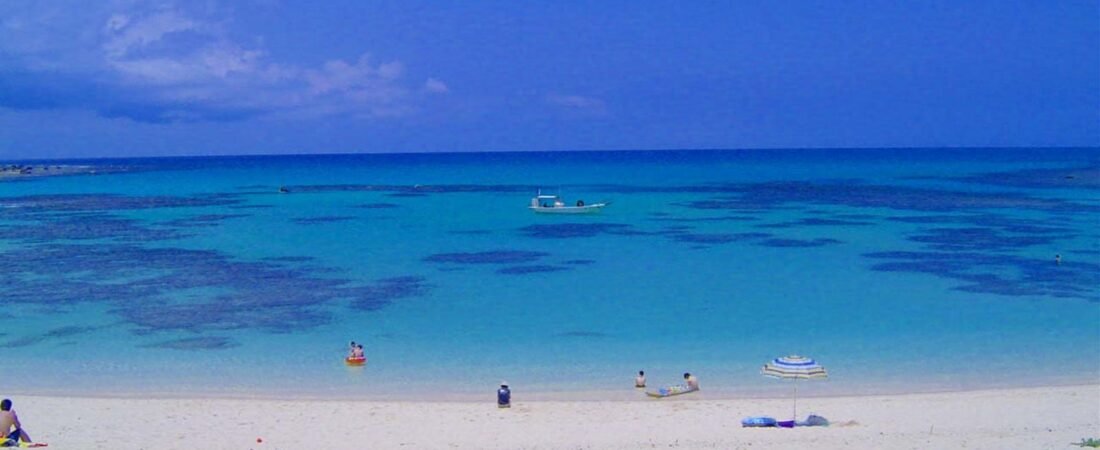
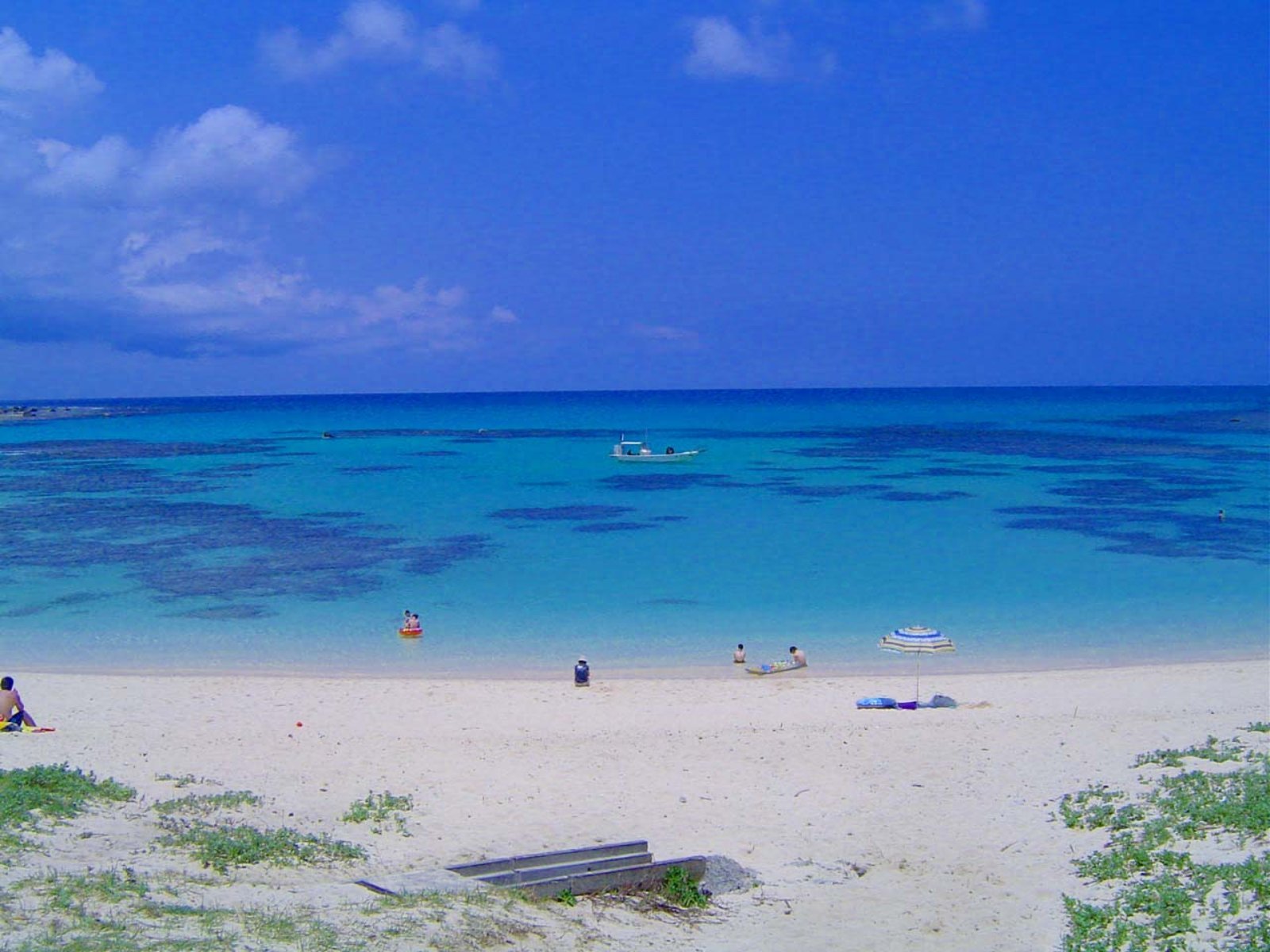
| Beaches | Quiet, undeveloped, reef-shoe terrain common | Wide sand beaches, more resort-managed access |
| Food scene | Small, local — keihan, black vinegar, izakaya | Larger — international dining plus Okinawan specialties |
Crowds and Pace
Okinawa’s main island, especially the west coast resort corridor around Onna and the Chatan nightlife strip, feels busy for most of the year and genuinely crowded during Japanese domestic holidays, Golden Week, and the Obon period in August. Amami, by contrast, rarely feels crowded even in August; its largest town, Naze, has a population under 40,000, and much of the coastline sees only a handful of visitors on any given day, even at well-known spots like Honohoshi beach.
That difference in pace shapes the whole trip: an Okinawa itinerary tends to be built around moving between named attractions and resort amenities, while an Amami itinerary is more open-ended, built around whichever beach or trail looks good that morning.
Price and Accommodation Style
Okinawa has a mature resort industry, including large international chains with full amenities, pools, and spa facilities, which pushes nightly rates up accordingly, particularly on the west coast resort strip. Amami’s accommodation is almost entirely small, independent guesthouses and a handful of boutique dive-focused hotels, which keeps average nightly rates noticeably lower but also means fewer amenities like on-site pools, room service, or multiple on-site restaurants.
Travelers who specifically want a full-service resort stay with spa treatments and multiple dining options will likely be disappointed by Amami’s current lodging options; those who prefer a simpler, more local stay will find the trade-off worthwhile.
Getting There
Okinawa’s Naha Airport has frequent direct flights from Tokyo, Osaka, and several other Japanese cities, plus a growing number of international routes from elsewhere in Asia, making it one of the most accessible island destinations in the country. Amami Airport has a thinner schedule, mostly routed through Kagoshima, with some direct seasonal service from Tokyo and Osaka; the overnight ferry from Kagoshima City is a realistic backup option that doesn’t really have an Okinawa equivalent for most mainland travelers.
In practice, this means an Okinawa trip can be booked with far less lead time and far more flight-time flexibility than an Amami trip, where missing the one or two daily flights can mean a full extra day lost to the ferry schedule instead.
Beaches and Diving
Both islands offer genuinely good diving and snorkeling, but the character differs: Okinawa’s dive operators are larger and better set up for first-time divers, with dive shops clustered near major beaches and English-language instruction widely available. Amami’s reef access tends to be smaller-scale and more local, often arranged through a single guesthouse-affiliated operator rather than a dedicated dive shop row, which suits experienced divers more than complete beginners.
Food and Culture
Okinawan cuisine — goya champuru, Okinawa soba, and the island’s distinct pork dishes — is well documented and widely available even outside the islands, and most restaurants in Naha cater confidently to international visitors with English menus. Amami’s food culture is less exported: keihan and kuro-zu black vinegar are genuinely distinctive but much harder to find outside the island itself, which is part of the appeal for food-focused travelers who want something less familiar, though it also means fewer English menus and more pointing-and-gesturing ordering.
Culturally, Okinawa’s identity as a once-independent kingdom is more visible in its castles, music, and crafts, which are actively promoted to visitors. Amami’s Oshima tsumugi weaving and shima-uta singing are just as distinctive but far less packaged for tourism, so finding them takes a bit more initiative.
Nightlife and Things to Do After Dark
Naha’s Kokusai-dori strip gives Okinawa a genuine nightlife scene — bars, live Okinawan music venues, and late-night dining within walking distance of most hotels. Amami’s evenings are quieter by design: a handful of izakaya in Naze host live shima-uta folk singing on weekends, but there is no real equivalent to a walkable bar district, and most visitors end the day early after a day of beaches or kayaking.
Family Travel Considerations
Okinawa’s resorts are generally better set up for families, with kids’ clubs, shallow resort beaches, and attractions like the Okinawa Churaumi Aquarium built around family itineraries. Amami works well for families who prioritize nature — mangrove kayaking is genuinely a good activity for older children — but the lack of large resort infrastructure means less built-in entertainment for younger kids on a rainy day.
Weather Risk Side by Side
Both islands sit in the same general typhoon belt, and both see peak storm risk in August and September. Okinawa’s larger airport and more frequent flight schedule make rebooking around a storm somewhat easier than on Amami, where a cancelled flight or ferry sailing can mean a longer wait for the next available option. Outside that window, both islands have broadly similar subtropical weather, so the seasonal calculation is not really a deciding factor between the two.
Which Islands Pair Well with Each
Travelers building a longer Kyushu-to-Ryukyu itinerary often combine Amami with a Kagoshima mainland stop, while an Okinawa trip pairs naturally with onward hops to Ishigaki luxury resorts guide, Miyako Island trip guide, or the wider Yaeyama Islands hopping guide. It is possible to combine Amami and Okinawa in one trip, but the Kagoshima-routed flights to Amami mean it usually adds a day of transit rather than a simple island hop, so most travelers treat them as two separate trips rather than one combined itinerary.
Our Take
If this is a first trip to Japan’s subtropical islands and ease of access matters, Okinawa is the safer default. If you’ve already done Okinawa, or specifically want a quieter, less developed alternative with similar scenery, Amami is the stronger pick for 2026 — our full Amami Oshima travel guide and seasonal guide cover the planning details once you’ve decided. Neither island is objectively “better” — they solve different trips, and the honest answer depends more on how much you value convenience versus quiet than on any single feature of either destination.
Frequently Asked Questions
Is Amami Oshima part of Okinawa?
No. Amami Oshima is governed by Kagoshima Prefecture, while Okinawa is its own separate prefecture.
Is Amami Oshima cheaper than Okinawa?
Generally yes — Amami’s accommodation is dominated by smaller independent guesthouses, while Okinawa has more large international resort chains at higher price points.
Which is better for diving, Amami or Okinawa?
Both offer good diving; Okinawa has more established dive-shop infrastructure, while Amami offers quieter, less-visited reef sites.
Can you visit both Amami Oshima and Okinawa in one trip?
Yes, though flights to Amami route through Kagoshima rather than Naha, so expect an extra transit day compared with a direct Okinawa-only itinerary.
Is Okinawa or Amami Oshima more crowded?
Okinawa, especially the west coast resort area near Naha, sees significantly more visitors than Amami at any time of year.