Amami Oshima Travel Guide 2026
Japan’s quiet subtropical island, between Kyushu and Okinawa
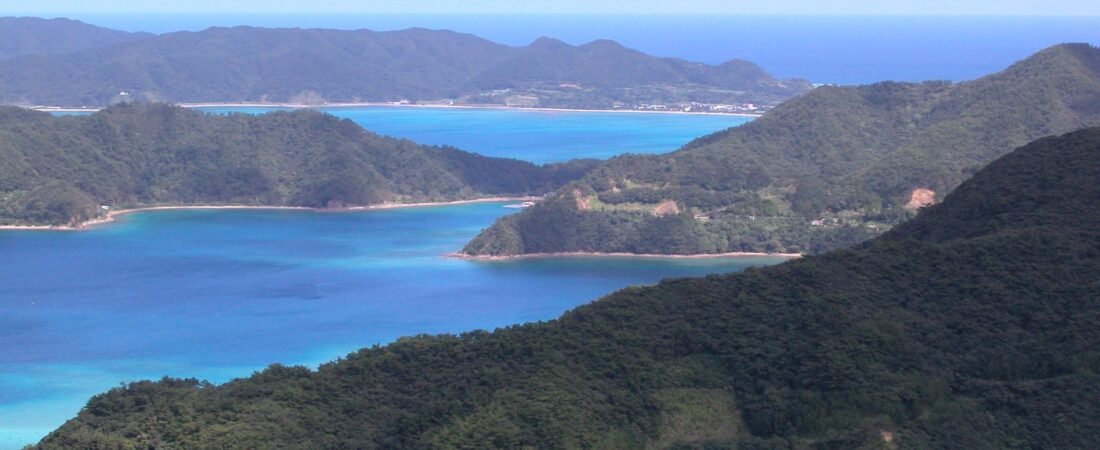
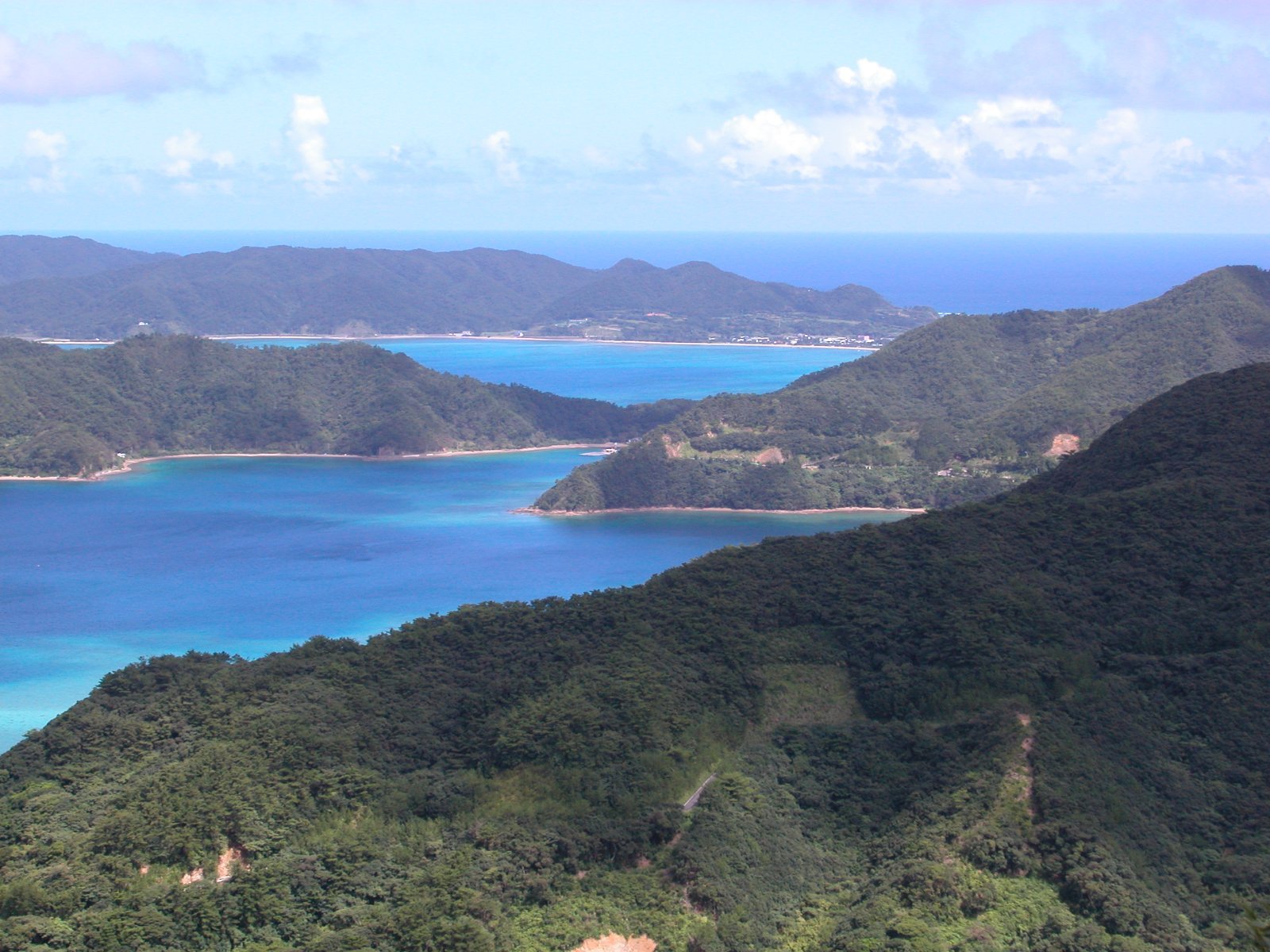
This guide focuses on Amami Oshima specifically for travelers who want Okinawa-style beaches and reefs without Okinawa’s main-island crowds. Amami sits in Kagoshima Prefecture, roughly halfway between mainland Kyushu and Okinawa, and in 2026 it remains one of the least-visited large islands in Japan’s subtropical arc — despite a 2021 UNESCO World Heritage listing for its ancient subtropical rainforest.
Where Is Amami Oshima and Why Visit
Amami Oshima is the largest island in the Amami archipelago, administered as part of Kagoshima Prefecture rather than Okinawa Prefecture. That distinction matters for planning: flights and ferries route through Kagoshima City, not Naha, and the island feels culturally closer to a quieter, older version of the Ryukyu chain. Divers come for coral gardens that rival Ishigaki luxury resorts guide, while hikers come for mangrove rivers and a rainforest interior that few Okinawa-bound travelers ever see.
The island earned a 2021 UNESCO World Heritage listing alongside Tokunoshima, northern Okinawa, and Iriomote, recognizing a chain of subtropical evergreen forest that shelters endemic species found nowhere else on earth, including the Amami rabbit. That ecological pedigree is part of why the island has stayed relatively undeveloped: large stretches of the interior are protected forest rather than resort land, which keeps the coastline quieter than comparable islands further south.
If you’ve already compared Yaeyama Islands hopping guide or looked at Iriomote Island travel guide, Amami is the next logical stop for a quieter, Kagoshima-administered alternative with similar scenery and a fraction of the visitor numbers. It also sits at a useful midpoint for travelers building a longer Kyushu-to-Okinawa itinerary, since Kagoshima City — the mainland gateway — is itself worth a day for its onsen and views of the active Sakurajima volcano.
Getting to Amami Oshima
Amami Airport (ASJ) connects directly to Kagoshima, Osaka, and Tokyo on Japan Airlines group carriers, with flight time from Kagoshima around 50 minutes and from Tokyo Haneda around two and a half hours. A slower but scenic option is the overnight ferry from Kagoshima City, which takes roughly 11 hours and is popular with travelers bringing a car or simply wanting a budget overnight berth with a sunrise arrival into Naze port.
Most visitors rent a car on arrival, since public transport on the island is limited to a handful of bus routes and the best beaches and mangrove put-in points are spread along a coastline with no train line. International travelers should bring an International Driving Permit, as Amami car rental counters are stricter about checking one than some mainland Japan locations used to a higher volume of foreign tourists.
Best Areas to Stay
Naze, the island’s main town, has the widest choice of hotels, restaurants, and rental car counters, and works well as a first-night base before heading further up the coast. Tatsugo, north of Naze, sits closer to the mangrove river system and several quiet beaches, and makes sense if kayaking is the main reason for the trip.
For a resort-style stay with direct beach access, the southern coast near Setouchi has smaller, low-key properties aimed at divers heading out to the reef at Honohoshi and the channel between Amami and Kakeroma Island. None of these areas has the dense resort strip you would find on Okinawa’s west coast, so expect independent guesthouses and small hotels rather than large international chains.
| Island | Flight time from Tokyo | Best for | Signature experience |
|---|---|---|---|
| Amami Oshima | ~2.5 hrs (via Kagoshima/Haneda) | Mangrove kayaking, quiet beaches | UNESCO rainforest + mangrove river |
| Okinawa Main Island | ~2.5 hrs direct | Resorts, nightlife, easy access | Full-service beach resorts |
| Ishigaki | ~3 hrs via Naha | Diving, manta rays | Kabira Bay + reef diving |
| Miyako | ~3 hrs via Naha | Bridges, beaches | Sunayama Beach + island-hopping bridges |
Top Things to Do
- Kayak or SUP through the Mangrove Primeval Forest Park river system near Sumiyo
- Snorkel or dive the reef at Ohama Beach or Kuroshio no Mori
- Walk part of the subtropical rainforest interior that earned the island its UNESCO status
- Try Amami-style keihan (shredded chicken over rice with broth) in Naze
- Browse an Oshima tsumugi silk-weaving workshop, a textile craft unique to the island
Food and Island Culture
Amami cuisine leans on keihan — shredded chicken, shiitake, and egg served over rice with a hot broth poured tableside — and on kuro-zu, a black vinegar fermented in rows of clay jars that you can see at open-air brewing yards near Fukugi. The island is also the historic home of Oshima tsumugi, a hand-dyed silk weaving technique that uses mud from local rice paddies to set the color; a handful of workshops in Naze let visitors watch the dyeing process or try a short weaving demonstration.
Music matters here too: Amami shima-uta, a distinctive falsetto-heavy folk singing style, is still performed in small izakaya in Naze on weekend evenings, and is worth seeking out if you want a cultural counterpoint to a day of beaches and reef.
Budget and Practical Tips
- ATMs are limited outside Naze, so carry enough cash for fuel and smaller guesthouses
- Cell signal drops out in parts of the mangrove and interior forest roads — download offline maps before setting out
- Reef shoes are worth packing; much of the snorkeling access is over coral rubble rather than sand
- Typhoon season (roughly August–September) can cancel flights and ferries with little notice, so build a buffer day into departure plans
When to Go
Amami’s climate is subtropical, with a rainy season from May into June and typhoon risk peaking in August and September; for a month-by-month breakdown, see our dedicated best time to visit Amami Oshima guide. Shoulder months of April and late October tend to offer the best balance of calm seas and lower humidity, according to seasonal patterns tracked by the Japan Meteorological Agency.
How Amami Compares to Okinawa
Amami and Okinawa share a similar subtropical look, but the experience differs: Okinawa has far more resort infrastructure and direct flights, while Amami trades convenience for quieter beaches and lower prices. We cover this trade-off in detail in our Amami Oshima vs Okinawa comparison, including which island makes more sense for a first trip versus a repeat visit to the region.
A Simple 3-Day Amami Itinerary
Day one: fly into Amami Airport, pick up a rental car, and settle into Naze for the night, leaving the afternoon free for a walk along the harbor and a keihan dinner. Day two: head north to Tatsugo for a morning mangrove kayak session, then continue to a quiet northern beach for the afternoon. Day three: drive south toward Setouchi for a reef snorkel or dive at Honohoshi, then loop back to Naze in time for an evening flight or the overnight ferry back to Kagoshima.
Travelers with a fourth day sometimes add a short hop to neighboring Kakeroma Island by local ferry, which has an even lower-key pace than Amami itself and a handful of small coves that rarely see outside visitors.
One last practical note: pack layers even in warm months. Evening sea breezes along the Tatsugo coast and the shaded mangrove trails can feel noticeably cooler than the midday sun on an open beach, and interior forest walks near the UNESCO zone stay humid and cool under the canopy regardless of season.
Frequently Asked Questions
Do I need a car on Amami Oshima?
Yes — public transport is limited, and a rental car is the only practical way to reach the mangrove put-in points and the quieter southern beaches.
Is Amami Oshima part of Okinawa?
No. Amami Oshima is administered by Kagoshima Prefecture, not Okinawa Prefecture, even though it sits geographically between Kyushu and the Okinawa island chain.
How many days do you need on Amami Oshima?
Three to four days is enough to cover the mangrove kayaking, a couple of beaches, and a reef snorkeling or dive trip without rushing.
Is English widely spoken on Amami Oshima?
Less so than in Tokyo or Naha; basic Japanese phrases or a translation app help, especially outside Naze.
What is Amami Oshima famous for?
Its UNESCO-listed subtropical rainforest, mangrove river system, and Oshima tsumugi silk weaving, alongside quiet, uncrowded beaches.