Best Whale Shark Encounters in Southeast Asia 2026
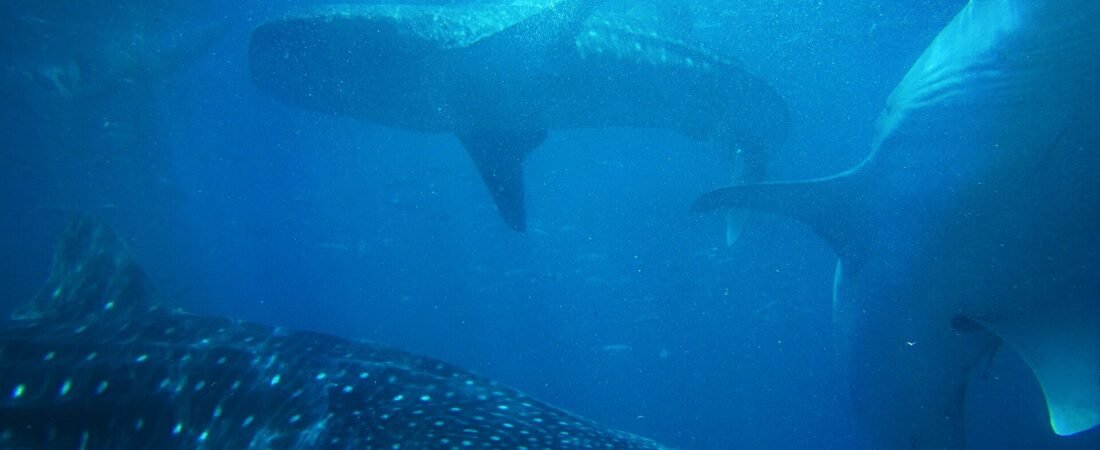
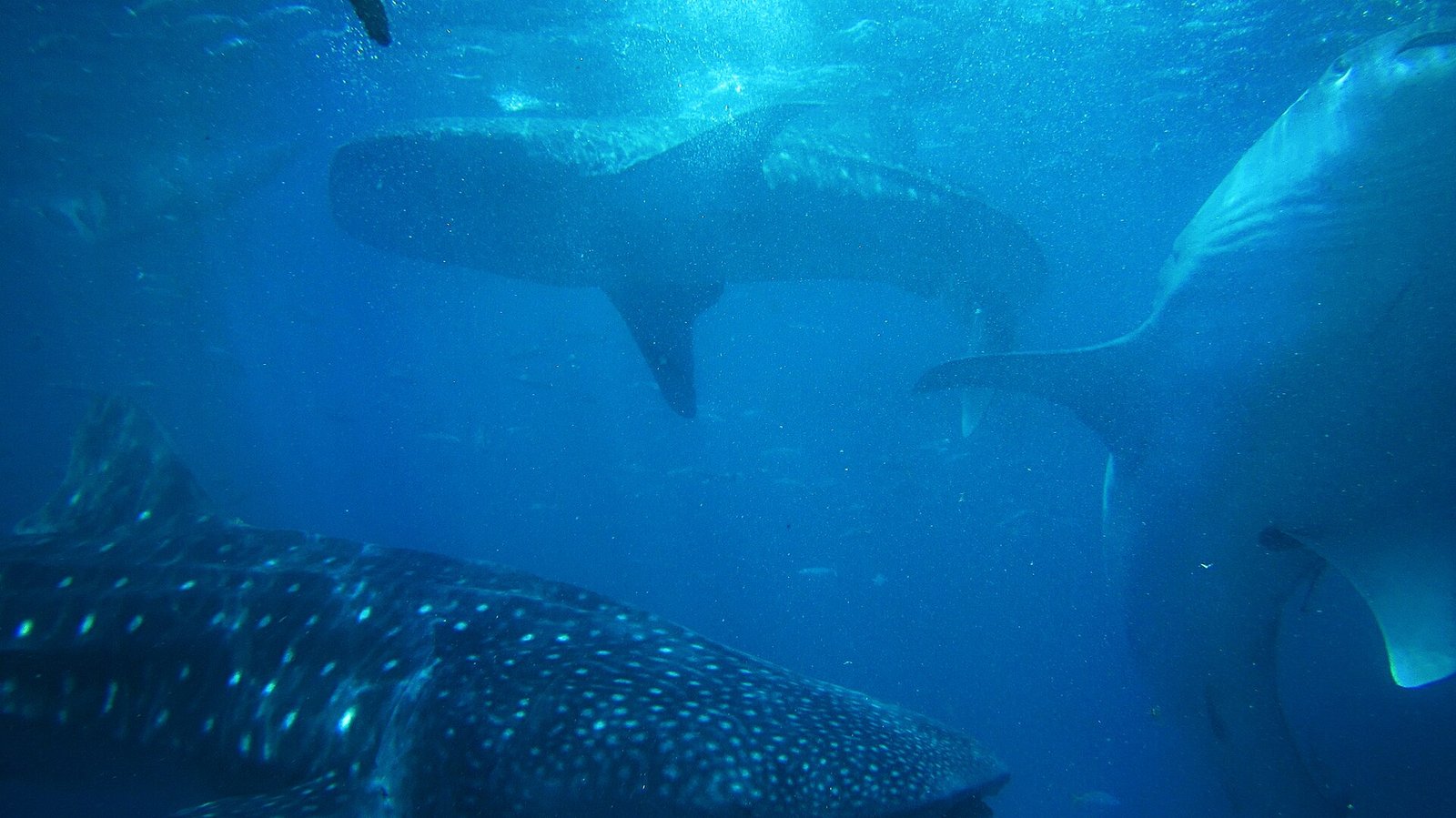
Photo: Wikimedia Commons (CC0). Whale shark in Philippine waters.
Swimming beside the largest fish in the ocean is a once-in-a-lifetime moment, but where and how you do it matters. This guide focuses on whale shark encounters specifically for luxury travellers who want a high chance of a sighting without supporting feeding practices that harm the animals. We rank seven sites across Southeast Asia and the Indian Ocean islands by season, likelihood, ethics and the quality of nearby places to stay.
Research-based guide · Updated October 2026. Prices and policies change, so verify directly with operators before booking.
The short answer
For a natural, regulated snorkel encounter, go to Donsol (February to April) or Southern Leyte (November to May). For a year-round chance in genuine luxury, choose a South Ari Atoll resort in the Maldives. Divers with a bigger budget should look at a Cenderawasih Bay liveaboard in Indonesian Papua.
Why the way you meet a whale shark matters
The whale shark (Rhincodon typus) is listed as Endangered on the IUCN Red List. Populations in the Indo-Pacific have declined sharply over the last few decades, mainly because of fisheries, vessel strikes and bycatch. Tourism can help, because a living whale shark is worth far more to coastal communities than a dead one, but only if the encounters are managed well.
There are two broad models in Southeast Asia. In natural encounter sites, boats search for sharks that are feeding on plankton in the wild, and sightings are never guaranteed. In provisioned sites, operators feed the sharks so that they stay close to shore every day. Researchers, including the team at LAMAVE in the Philippines, have documented how provisioning changes behaviour, keeps sharks in shallow water for long periods and increases the risk of boat injuries. This list favours natural encounters, and we flag the provisioned sites so you can make an informed choice.
How we ranked the sites
Each destination was judged on four points: the reliability of sightings in season, the strength of local rules (group sizes, distance, no touching, no flash), the quality of nearby accommodation for travellers who want comfort after a day on the water, and ease of access from a regional hub such as Manila, Bangkok, Bali or Malé. Seasons are approximate and shift from year to year with plankton blooms and water temperature, so always confirm with a local operator a few weeks before you travel.
| Site | Best months | Encounter type | Activity | Nearest hub |
|---|---|---|---|---|
| Donsol, Philippines | Feb to Apr | Natural, regulated | Snorkel only | Legazpi |
| Southern Leyte, Philippines | Nov to May | Natural, community-run | Snorkel | Tacloban / Maasin |
| South Ari Atoll, Maldives | Year-round | Natural | Snorkel and dive | Malé |
| Cenderawasih Bay, Indonesia | Year-round (liveaboard season varies) | Around fishing platforms | Dive and snorkel | Nabire / Manokwari |
| Koh Tao, Thailand | Mar to May, Sep to Oct | Natural, opportunistic | Dive | Koh Samui |
| Tubbataha Reefs, Philippines | Mar to Jun | Natural, opportunistic | Liveaboard dive | Puerto Princesa |
| Oslob, Philippines | Year-round | Provisioned (fed) | Snorkel | Cebu |
1. Donsol, Sorsogon: the classic natural encounter
Donsol is the reason the Philippines became known for whale sharks. From roughly December to May, with a peak between February and April, sharks gather in the plankton-rich waters of Donsol Bay. Boats leave from the visitor centre with a trained Butanding Interaction Officer who spots the shark and briefs the group. Swimmers are kept in small groups, must stay several metres away, may not touch the animal and may not use scuba. Encounters are short and the water is often murky green, which is a sign of the plankton the sharks feed on.
Accommodation in Donsol itself is simple, so most comfort-focused travellers base themselves in Legazpi, about an hour away, and combine the trip with views of Mayon Volcano. Book the earliest boat slot for calmer water and fewer boats.
2. Southern Leyte and Sogod Bay: the quiet alternative
Across the Visayas, the villages of Pintuyan and San Francisco in Southern Leyte run community-based whale shark watching between about November and May. Local fishermen paddle small outrigger boats to find the sharks, and the number of visitors is much lower than at Donsol. Visibility is usually better, too, because Sogod Bay is deep and clear. Several small dive resorts in the Padre Burgos area offer comfortable rooms, and the reefs nearby are excellent for macro diving, which makes this a good add-on to a Moalboal sardine run trip.
3. South Ari Atoll, Maldives: year-round luxury option
The southern edge of Ari Atoll is one of the few places in the world where whale sharks can be seen in every month of the year. Most of the animals are juvenile males that patrol the outer reef between Dhigurah and Dhangethi. The Maldives Whale Shark Research Programme has identified hundreds of individuals here, and the area is protected as a marine protected area.
This is the best choice for travellers who want a five-star base. Several resorts in South Ari run their own whale shark excursions with marine biologists on board, and you can return to a water villa in the afternoon. Mornings tend to be best, and calm seas in the northeast monsoon (roughly December to April) make spotting easier. Read our Maldives best time to visit guide before you pick dates.
4. Cenderawasih Bay, West Papua: the bucket-list liveaboard
In Cenderawasih Bay, whale sharks gather beneath bagans, the floating fishing platforms used to catch small baitfish. Fishermen traditionally share part of their catch with the sharks, so the animals stay near the platforms, and divers can spend long periods with them in clear, deep water. Because the sharks are partly fed by fishermen rather than by tour operators, this site sits between the natural and provisioned models. Ask your operator how it limits divers per platform and whether it follows national park guidelines.
Access is via liveaboard, usually on trips that also include Raja Ampat or remote Papuan reefs. Read our Raja Ampat diving guide to plan a combined itinerary.
5. Koh Tao and the Gulf of Thailand: a lucky bonus
Whale sharks pass through the Gulf of Thailand, and dive sites such as Chumphon Pinnacle and Sail Rock record sightings most years, especially around March to May and again in September and October. Sightings are never guaranteed, so treat a whale shark as a bonus on a wider dive holiday. Koh Tao has a wide range of hotels, and nearby Koh Samui offers more polished resorts. Our Koh Tao diving guide covers schools, sites and seasons. On the Andaman side, Richelieu Rock near the Surin Islands is another well-known spot, usually visited from Similan Islands liveaboards.
6. Tubbataha Reefs: remote and protected
Tubbataha Reefs Natural Park, a UNESCO World Heritage Site in the Sulu Sea, opens only from about mid-March to mid-June, when seas are calm enough for liveaboards from Puerto Princesa. Whale sharks are seen on a good share of trips, along with manta rays, turtles and large schools of reef fish. Strict park rules and a short season keep visitor numbers low. Expect five to seven nights on board and book many months ahead.
7. Oslob, Cebu: why we rank it last
Oslob is the easiest whale shark experience in Southeast Asia. Sharks are fed by local boatmen every morning, and sightings are almost certain. Many travellers go because it is simple to reach from Cebu resorts. However, studies of Oslob sharks have recorded changes in behaviour, long periods spent in shallow water and injuries from boats. If you care about the animals, choose a natural site instead. If you do go, do not touch the sharks, keep your distance and avoid the crowded mid-morning slots.
Encounter etiquette: how to be a responsible swimmer
- Keep a distance of at least three to four metres from the body and more from the tail.
- Never touch, ride or block the path of a whale shark.
- Do not use flash photography or underwater scooters.
- Wear a rash guard instead of sunscreen where possible, or use a mineral, reef-safe sunscreen.
- Choose operators that limit the number of swimmers per shark and send photo IDs to research projects.
- Report your photos to citizen science databases such as the global whale shark photo-ID library, which helps track individuals over time.
Planning tips for a comfortable trip
Whale sharks feed near the surface early in the day, so plan for early starts and pick a hotel close to the departure point. Bring your own well-fitting mask and fins, because rental gear varies in quality. A light wetsuit is useful in the Maldives and Indonesia for long sessions. Travel insurance that covers snorkelling and diving is essential for liveaboard trips. Finally, keep your expectations realistic: on natural sites, a day without a sighting is part of the deal, so build at least one spare day into your itinerary.
Frequently Asked Questions
What is the best month to see whale sharks in Southeast Asia?
For the Philippines, February to April is the most reliable window, with Donsol and Southern Leyte both in season. The Maldives South Ari Atoll offers sightings in every month, with calmer seas from December to April.
Is it ethical to swim with whale sharks in Oslob?
Oslob uses daily feeding to keep sharks close to shore. Researchers have linked this to changes in behaviour and boat injuries, so many conservation groups recommend natural encounter sites such as Donsol, Southern Leyte or South Ari instead.
Can I scuba dive with whale sharks at Donsol?
No. Donsol allows snorkelling only, with trained interaction officers on every boat. If you want to dive with whale sharks, consider the Maldives, Cenderawasih Bay, Tubbataha or Koh Tao.
Are whale sharks dangerous to humans?
Whale sharks feed on plankton and small fish and are not dangerous to people. The main risk is being hit by the tail, which is why operators require swimmers to keep a safe distance.
Where can I stay in luxury near a whale shark site?
South Ari Atoll in the Maldives has the widest choice of five-star resorts with in-house whale shark excursions. In the Philippines, Legazpi is the most comfortable base for Donsol.