Best Time to Visit Ly Son Island 2026
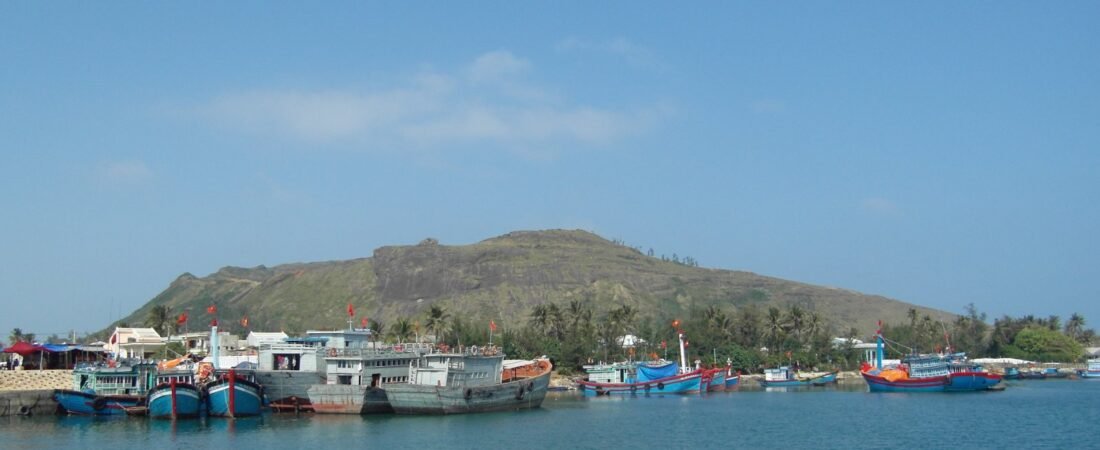
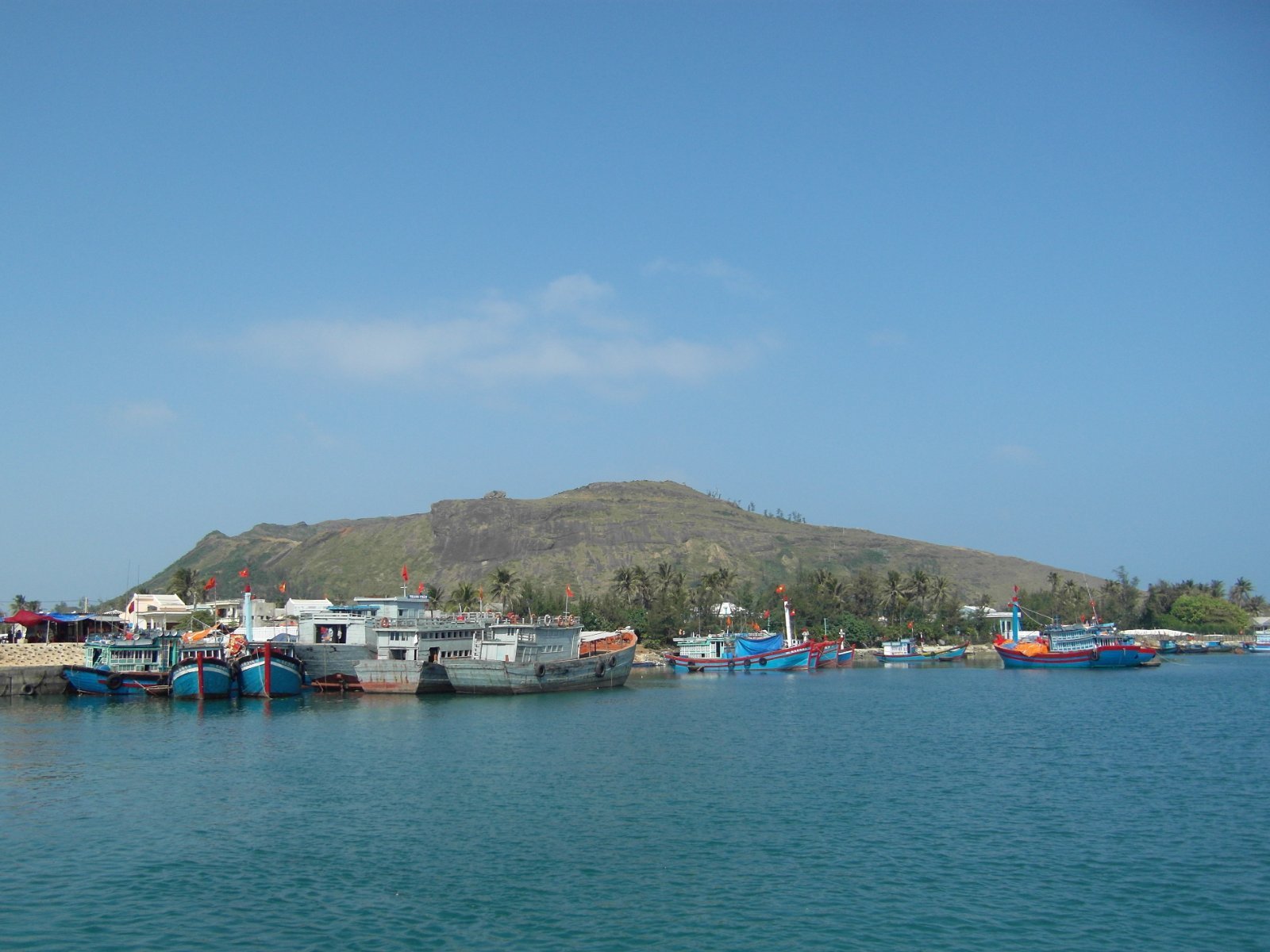
Ly Son’s volcanic coastline, Quang Ngai province, Vietnam.
Ly Son is a volcanic island off the coast of Quang Ngai, built from craters that last erupted millions of years ago, and its weather window is narrower and less forgiving than most Vietnamese beach destinations. This guide focuses on Ly Son’s timing specifically for travelers planning a short, ferry-dependent trip who can’t afford to have their one or two available days wiped out by a cancelled sailing or a flat, grey sea.
Why timing matters more here than on most Vietnamese islands
Ly Son has no airport and only one practical way across: a fast ferry from Sa Ky Port, about 20km from Quang Ngai city, with up to a dozen sailings a day on a good-weather schedule. That frequency sounds reassuring until you remember it only holds when the sea cooperates — strong winds or swell can suspend the whole route for a day or more, stranding visitors on either side. Because most people visit Ly Son as a tight add-on to a central Vietnam itinerary built around Quy Nhon or Da Nang, getting the season right is the difference between a smooth day trip and a frustrating one.
The dry season window: March to September
The reliable stretch runs roughly March through September, when the weather turns dry and bright with only light rainfall and the crossing from Sa Ky stays calm on most days. Inside this window you can reasonably plan a trip without building in a backup day, though central Vietnam’s weather can still surprise you, so checking a short-range forecast a day or two before you travel is still worth the five minutes it takes, particularly if your onward travel plans leave no slack for a delayed return crossing.
Month-by-month: what to expect
| Period | Sea & weather | Crowd level | Verdict |
|---|---|---|---|
| March–May | Dry, bright, calm seas building | Low to moderate | Excellent, arguably the best window |
| June–August | Hot, dry, generally calm | High (domestic summer holidays) | Good weather, book ferries and rooms early |
| September | Still mostly dry, early storm risk rising | Lower | Good, but watch the forecast |
| October–February | Wet, rougher seas, higher cancellation risk | Low | Avoid unless you have flexible days |
What happens outside the dry season
From roughly October through February, central Vietnam’s wet season brings rougher water and a real chance that Sa Ky’s ferries get suspended for a day while conditions settle. If you’re traveling then anyway, build at least one spare day into your schedule on the mainland side, and avoid treating Ly Son as a quick, can’t-miss day trip squeezed between two other commitments — that’s exactly the kind of plan a cancelled morning sailing ruins.
Ferry reliability and how to plan around it
Even in the dry season, it’s worth checking sailing status the evening before and again first thing on travel day, since local operators adjust schedules around wind and swell forecasts rather than a fixed timetable. Arrive at Sa Ky with some buffer, since queueing for tickets can take longer than the 30-minute crossing itself during busy periods. If you’re coordinating Ly Son with a longer central-coast itinerary, treat the island as the flexible, weather-dependent piece of the plan, not the one fixed anchor everything else is booked around. Even in the dry months, bring reef-safe sunscreen and a hat rather than relying on shade, since the crater-rim trails and coastal roads offer very little natural cover, and pack a light rain shell even in July, since central Vietnam’s weather can still produce a short, sharp shower with no real warning deep into the dry season. Cash is the safer default for guesthouses and small restaurants; card acceptance on the island remains limited outside the handful of larger operations.
Big Island vs Dao Be: does the season affect them differently?
Ly Son proper (Dao Lon, the “Big Island”) and the smaller Dao Be sit close together, but the short local boat between them is just as weather-sensitive as the mainland crossing, sometimes more so in a stiff wind. In the dry season this is rarely an issue and most visitors manage both islands in a single well-planned day; outside it, don’t assume you’ll get across to Dao Be even if you made it to Ly Son itself. Build Dao Be in as a bonus, not a guaranteed stop, if you’re visiting in a shoulder month. Ly Son’s defining feature is geological rather than purely scenic: the island sits on three large, extinct volcanic craters formed somewhere between 25 and 30 million years ago, and most of the best viewpoints involve climbing or riding along their exposed rims, where a stiff wind that’s a minor inconvenience on a sheltered beach becomes a genuine hazard with no shade or wind-break for a kilometre in either direction. The island’s two inhabited areas together hold a population of roughly 20,000, most of whom fish or farm the garlic that grows unusually well in the volcanic soil, and visiting in the recommended window means catching that daily rhythm — boats heading out at dawn, garlic fields tended mid-morning — comfortably on foot rather than ducking between rain showers.
Planning around crowds, not just weather
Weather aside, Ly Son gets busy with domestic tourists on weekends and especially during Vietnamese summer school holidays, when guesthouse rooms (typically 200,000–500,000 VND a night) sell out and the island’s limited infrastructure feels stretched. Visiting on a weekday in the March–May or September window gets you the calm seas without the crowd, and it’s the combination our research kept surfacing as the genuine sweet spot rather than either variable alone. Plan at least two nights if you can; a single-day turnaround leaves no room for a cancelled return sailing, and a short delay on either side of a day trip can otherwise turn into a missed flight or a scrapped onward itinerary.
Ly Son’s defining feature is geological rather than scenic in the usual beach-island sense: the island sits on three large, extinct volcanic craters formed somewhere between 25 and 30 million years ago, and most of the best viewpoints involve climbing or motorbiking along their exposed rims. That exposure is exactly why season matters here more than on a typical sheltered beach island — strong wind that would be a minor inconvenience on a calm cove becomes a real hazard on an open crater edge with no shade or wind-break for a kilometre in either direction.
The island’s two inhabited areas, Ly Son proper and the smaller Dao Be, together hold a population of roughly 20,000, most of whom fish or farm garlic in the volcanic soil. Visiting in the recommended window also means arriving when the island’s own daily rhythm — boats heading out at dawn, garlic fields being tended mid-morning — is easiest to observe comfortably on foot or by rented motorbike, rather than ducking between rain showers.
Even in the dry months, bring reef-safe sunscreen and a hat rather than relying on shade, since the crater-rim trails and coastal roads offer very little natural cover. A light rain shell is still worth packing even in July, since central Vietnam’s weather can produce a short, sharp shower with no real warning even deep into the dry season. Cash is the safer default for guesthouses and small restaurants; card acceptance on the island remains limited outside the handful of larger operations.
FAQ: timing a Ly Son trip
What’s the single best month to visit Ly Son?
April and May tend to combine calm seas, dry weather, and lighter crowds better than any other month, though June through August works well if you don’t mind booking everything further ahead.
How do I check if the ferry is running before I travel?
Local operators and Quang Ngai travel agencies typically post same-day or next-day sailing status; asking your accommodation to check the evening before is the most reliable low-effort option for visitors.
Is one day enough to see Ly Son properly?
It’s possible in good weather, but a minimum of two nights gives you a safety margin if the return ferry is delayed and lets you add Dao Be without rushing.
Does the volcanic terrain make hiking weather-dependent too?
Yes — the exposed crater rims and coastal paths are far more pleasant and safer to hike in the dry season’s lighter winds than during wet-season storms, when trails can be slippery and visibility poor.
Is Ly Son worth visiting if I can only get the wet season?
It can still work if your schedule is flexible enough to absorb a delayed crossing, but if your itinerary is tight and non-negotiable, it’s safer to swap Ly Son for a mainland central-coast stop instead.
What should I eat while I’m there?
Ly Son’s volcanic soil produces well-known garlic, and the island’s seafood is correspondingly fresh; pair both with a visit to Quang Ngai city’s signature chicken rice (com ga) before or after your crossing.
All of this is grounded in current, published reporting rather than guesswork. This guide draws on Vietnam Coracle’s Ly Son island guide, the official Vietnam Tourism Board page on Ly Son, and VnExpress International’s reporting on the island. For a province-wide view of timing, see our best time to visit Vietnam’s islands guide.
The short version: aim for a weekday between March and September, keep an eye on the ferry forecast the day before, and give yourself at least two nights so one weather delay doesn’t sink the whole trip. Get those three things right and Ly Son delivers one of central Vietnam’s more distinctive islands without the stress of a schedule that depends entirely on the sea staying calm.