Quy Nhon City Guide 2026: Beaches, Food & Stays
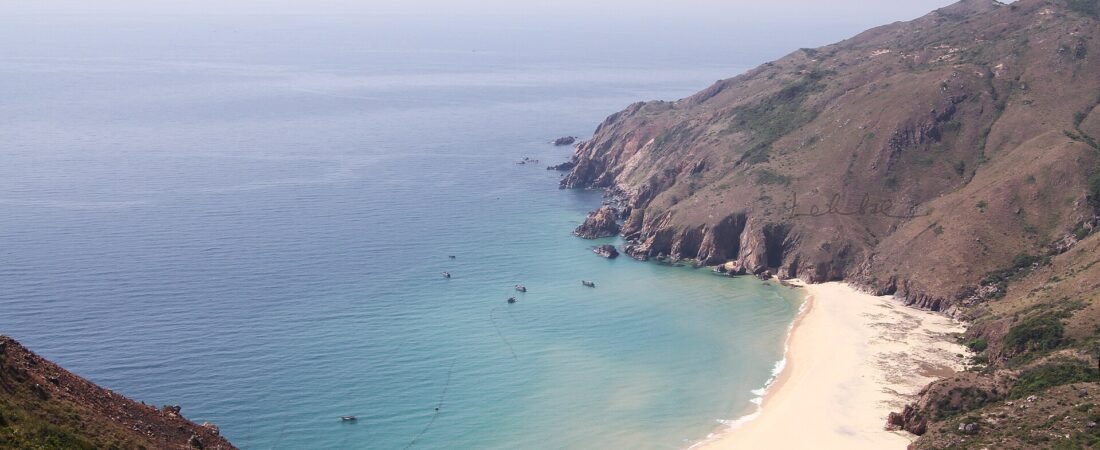
Ky Co Beach, Quy Nhon. Photo: Lê Hồ Bắc, CC BY-SA 4.0, via Wikimedia Commons
Quy Nhon is the Vietnamese beach city that many travellers still have not heard of: a long seafront promenade, thousand-year-old Cham towers, fishing villages and some of the clearest water on the central coast, all without the crowds of Nha Trang or Da Nang. This guide focuses on Quy Nhon specifically as a city base for independent couples and families who want to combine urban comforts, local food and easy beach day trips.
Research-based city guide · Checked October 2026 against official tourism and transport sources. Prices and opening hours change; confirm locally before visiting.
Quy Nhon in one paragraph
Stay on the city seafront for food and convenience, or at a resort in the Ghenh Rang hills to the south for seclusion. Spend at least one day on the Phuong Mai peninsula for Ky Co Beach, Eo Gio and the fishing village of Nhon Ly. Visit between February and August for the most reliable weather.
Getting to Quy Nhon
Most visitors fly into Phu Cat Airport, roughly 30 km north of the city, with direct domestic flights from Hanoi and Ho Chi Minh City; transfers into town take around 40 minutes. Quy Nhon is also served by Dieu Tri station on Vietnam’s North–South railway, a scenic option if you are travelling the coast overland from Hoi An or Nha Trang.
Note that after Vietnam’s 2025 administrative reforms, Quy Nhon, formerly the capital of Binh Dinh province, now falls within an expanded Gia Lai province, so you may see either name on maps and booking sites. For wider planning, see Vietnam’s official tourism site.
If you are arriving from Hoi An or Da Nang by road, the drive along the coast takes most of a day, so many travellers choose the train for comfort. From Nha Trang, the journey south to north is similarly long. Within the city, distances are short: the airport road enters from the north via the Thi Nai bridge area, and the main beachfront is a compact strip that is easy to navigate.
Where to Stay: Best Areas in Quy Nhon
City seafront (Xuan Dieu and An Duong Vuong streets)
The best base for first-timers. You get a walkable beachfront promenade, cafés, seafood restaurants and easy taxis to everything. Mid-range and upscale hotels line the shore, many with rooftop pools and bay views.
Ghenh Rang and the southern hills
Just south of the centre, the coast turns rocky and green. Here you find Quy Nhon’s most refined stays, including Anantara Quy Nhon Villas, with private pool villas on a secluded bay, and Avani Quy Nhon Resort, a relaxed beachfront resort further along the coast. Both are ideal if you want resort calm with the city 15–30 minutes away.
Nhon Hai, Nhon Ly and the Phuong Mai peninsula
Across the Thi Nai bridge, fishing villages offer homestays and beachfront guesthouses close to Ky Co and Hon Kho island. Choose this area for sunrise swims and seafood straight from the boats.
For a deeper resort comparison, read our best luxury resorts in Quy Nhon and Quy Nhon and Phu Yen resorts guides.
Your choice of area should reflect how you like to spend evenings. If you enjoy wandering out for dinner, choosing between seafood restaurants and finishing with a drink by the beach, the city seafront is unbeatable. If you prefer a quiet villa, a long spa treatment and dinner at the resort, Ghenh Rang delivers that atmosphere, with the city just a short taxi ride away when you want it. Families often find the city easier, while honeymooners tend to favour the southern resorts.
A third option is Bai Xep, a small fishing village south of Ghenh Rang that has become popular for its relaxed homestays and boulder-strewn beach. It is simple and rustic but captures the slow pace of coastal life.
Top Things to Do in and Around the City
- Twin Towers (Thap Doi): two Cham towers dating from around the 12th century, right in the city and easy to combine with a café stop.
- Banh It Towers: a hilltop group of Cham towers about 20 km north, with sweeping rice-field views.
- Ghenh Rang Tien Sa: a rocky headland with coves and the hillside tomb of poet Han Mac Tu.
- Seafront promenade: join locals for sunrise exercise or an evening stroll along the bay.
- Quang Trung Museum: about an hour inland in Tay Son, dedicated to the 18th-century Tay Son leaders, with martial-arts performances.
Background reading on the city’s history is available via the Quy Nhon overview.
Quy Nhon is also an easy city to explore on foot in the early morning or evening, when temperatures drop and locals fill the seafront. The central market and side streets around it are worth a wander for snacks and coastal produce, and the views from the hills near Ghenh Rang over the bay are especially fine at sunset.
Day Trip: Ky Co, Eo Gio and Hon Kho
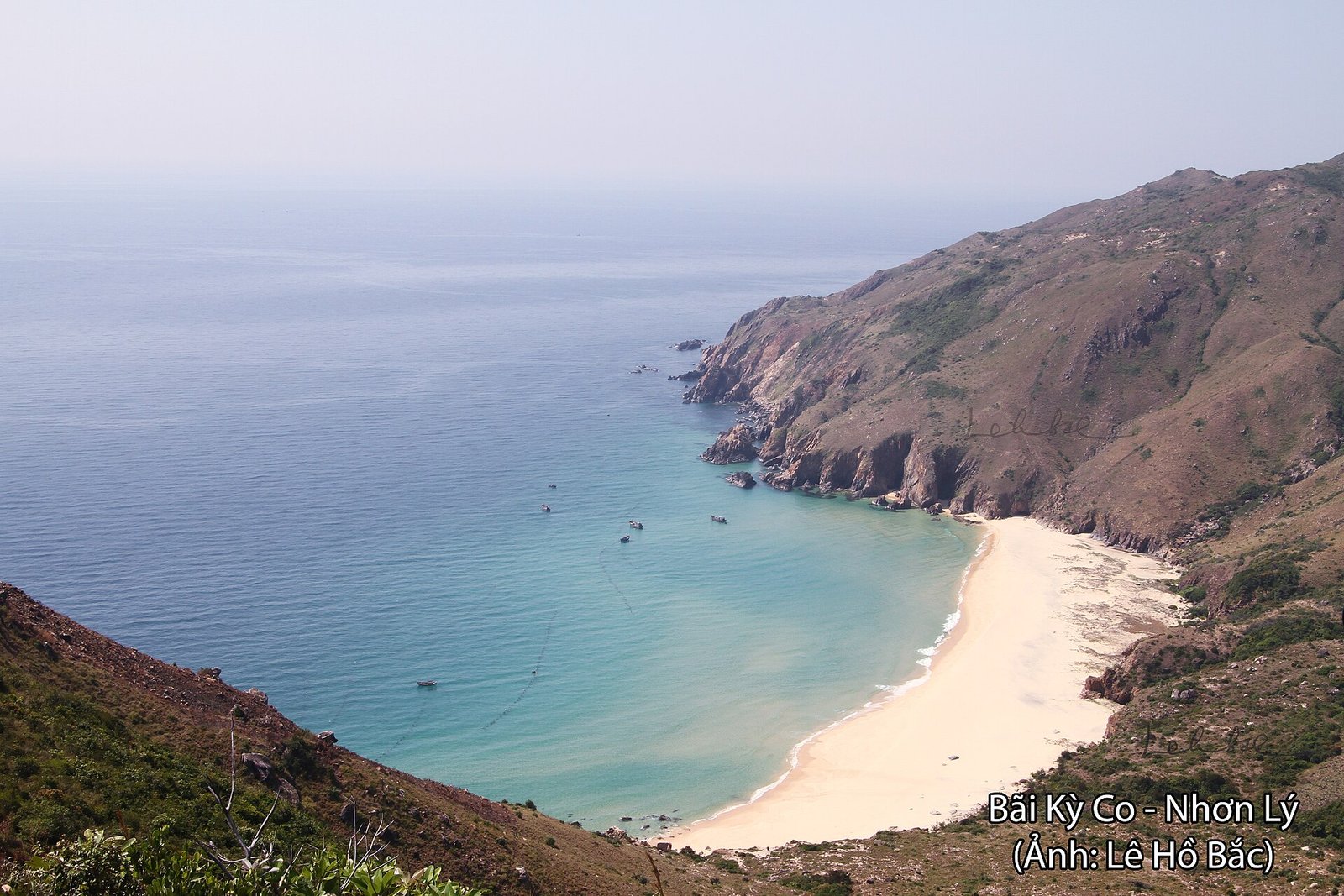
The Phuong Mai peninsula is Quy Nhon’s headline day out. Ky Co Beach is a sheltered cove of turquoise water backed by cliffs, reached by speedboat from Nhon Ly or by road and a short walk. Arrive early to avoid peak tour-boat hours.
Nearby Eo Gio (Wind Strait) is a dramatic rocky inlet with walking paths and viewpoints, best at sunset. Hon Kho, off Nhon Hai village, offers coral snorkeling and a scenic island walk. Many hotels arrange combined tours including snorkeling and a seafood lunch in Nhon Ly.
If you prefer a slower day, visit Ky Co on a weekday and outside Vietnamese holiday periods, when it is far quieter. Bring water shoes for rocky entries, reef-friendly sunscreen and some cash for boat fees and food. Sea conditions decide everything here: if the wind is up, operators may cancel boats, so keep your itinerary flexible and plan this day early in your stay.
What to Eat in Quy Nhon
Quy Nhon’s food is a big reason to stay in the city rather than at a remote resort. Look for:
- Banh xeo tom nhay – crispy pancakes with tiny “jumping” shrimp.
- Banh hoi chao long – fine rice-vermicelli sheets with pork offal congee, a classic breakfast.
- Bun cha ca – fish-cake noodle soup, the city’s signature bowl.
- Banh it la gai – sticky black rice cakes wrapped in leaves, a local souvenir.
- Fresh seafood – grilled squid, clams and lobster at beachfront restaurants and in Nhon Ly.
Many of the best dishes are found at small, family-run spots rather than polished restaurants, and a few phrases of Vietnamese or a translation app go a long way. Breakfast is the most local meal of the day, so head out early. In the evenings, the seafront is lined with places grilling fresh seafood to order, typically priced by weight, so confirm the price before cooking.
Best Time to Visit and Practical Tips
The dry season generally runs from about February to August, with hot, sunny days and calm seas ideal for boat trips. From roughly September to December the central coast is affected by heavy rain and storms, and boat tours to Ky Co may be suspended.
- Getting around: ride-hailing apps and metered taxis are widely available; scooters suit confident riders.
- Money: cards work in hotels and larger restaurants, but carry cash in dong for street food and boat fees.
- Sun and sea: the midday sun is intense; plan beach time for mornings and late afternoons.
Check Vietnam Airlines and other domestic carriers for seasonal flight schedules.
Quy Nhon is generally relaxed and safe, but standard precautions apply: keep valuables secure in busy areas, use registered taxis or apps, and check that boat operators provide life jackets. Domestic holiday periods, especially the summer school break, make the city noticeably busier and push up hotel rates, so book early if you are travelling then.
Quy Nhon Quick Reference and Combining Destinations
Quy Nhon combines well with other central-coast stops. Head north to Hoi An for heritage and tailors, or south towards Nha Trang and the secluded bays covered in our Ninh Van Bay resorts guide. The table below summarises the essentials.
Three or four nights is ideal for most travellers: one day for the city and Cham towers, one for the Ky Co and Eo Gio trip, and one or two for beach or resort time. If you have more time, continue south along the coast to discover quieter bays and fishing villages between Quy Nhon and Nha Trang.
| Topic | Quick answer |
|---|---|
| Nearest airport | Phu Cat (UIH), about 40 minutes by car |
| Best base | City seafront for food; Ghenh Rang for resorts |
| Must-do day trip | Ky Co Beach and Eo Gio |
| Best season | February to August |
| Ideal stay | 3–4 nights |
Frequently Asked Questions
Is Quy Nhon worth visiting?
Yes. Quy Nhon offers clear water, Cham heritage, excellent seafood and far fewer crowds than Nha Trang or Da Nang, making it a rewarding stop on the central coast.
How many days do you need in Quy Nhon?
Three to four days lets you explore the city, take a Ky Co and Eo Gio day trip and enjoy some resort or beach time.
Where should I stay in Quy Nhon?
Stay on the city seafront for restaurants and convenience, or in the Ghenh Rang area to the south for luxury villas and seclusion.
How do you get to Ky Co Beach?
Take a speedboat from Nhon Ly fishing village or travel by road and walk down to the cove. Many hotels arrange combined tours.
When is the rainy season in Quy Nhon?
Heavy rain and storms are most likely from about September to December. February to August is generally the driest period.
Ky Co Beach, Quy Nhon. Photo: Lê Hồ Bắc, CC BY-SA 4.0, via Wikimedia Commons