Pulau Kapas Travel Guide 2026
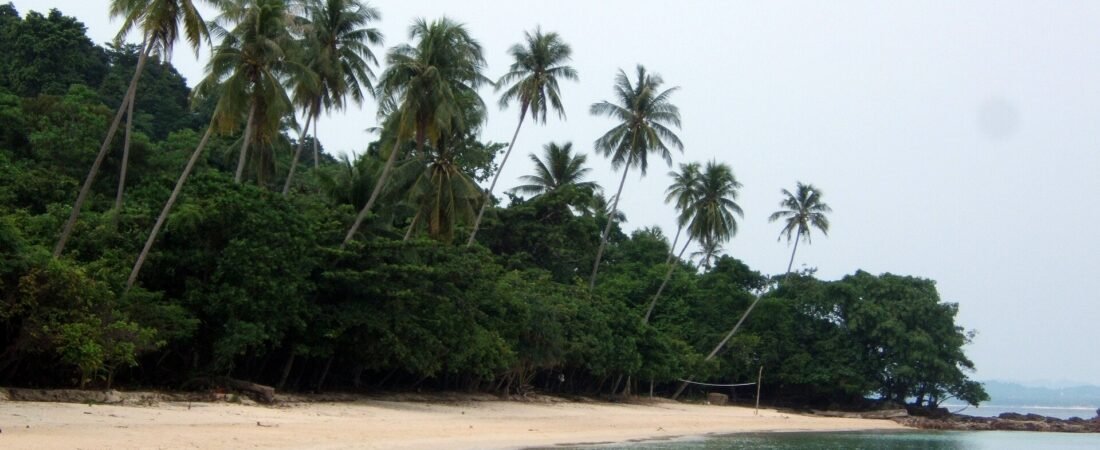
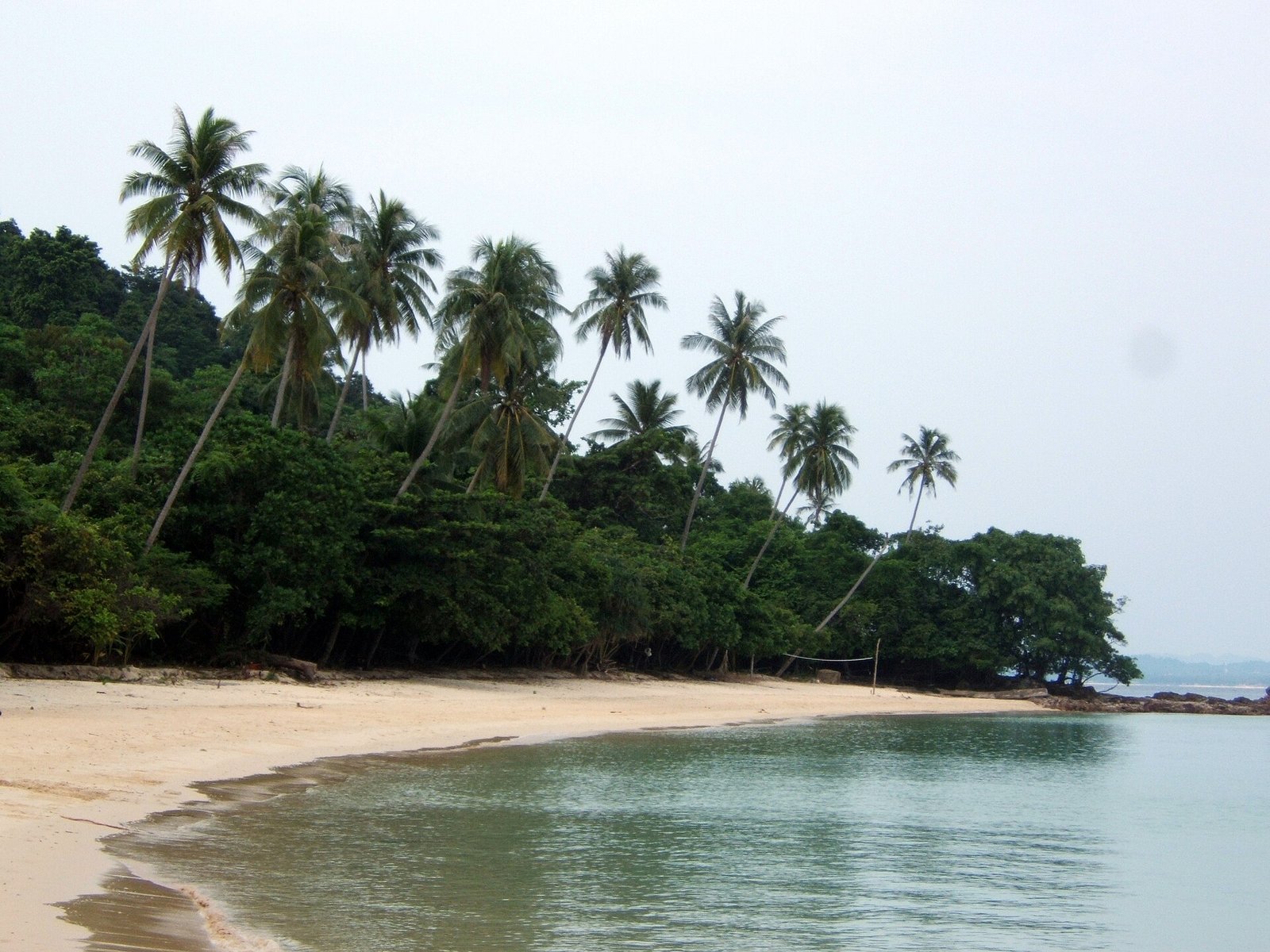
Photo: Tim Parkinson from Sheffield, UK / Wikimedia Commons (CC BY 2.0)
Pulau Kapas is the island Malaysians mention when someone asks for “Redang, but quieter.” It sits a short boat ride off Marang on the Terengganu coast, has no roads and no cars, and closes almost entirely during the northeast monsoon. This guide focuses on Pulau Kapas specifically for couples and solo travellers who want two to four slow days of snorkelling, kayaking and reading in a hammock, and who are happy to trade big-resort facilities for a small, low-key island.
Research-based guide · Information checked October 2026. Prices and schedules are indicative; confirm with operators before booking.
Kapas in one paragraph
Go between March and October, fly into Kuala Terengganu (TGG), transfer about 30–40 minutes by road to the Marang jetty, then take a 15–20 minute boat. Stay on the west-facing beaches for calm water and sunsets, budget for a marine park conservation fee, and bring cash. If you want a pool, spa and polished service, look at neighbouring Pulau Gemia or at the Perhentians instead.
Why Pulau Kapas Is Different From Redang and Perhentian
The east coast of Peninsular Malaysia has three well-known island groups: Redang, the Perhentians and Tioman. All three draw large numbers of divers, package tourists and school-holiday crowds. Kapas is smaller, closer to the mainland and much less developed. The main stretch of accommodation is a handful of chalet-style properties spread along the western shore, connected by sand paths rather than roads.
That scale is the point. You will not find a strip of beach bars, nightly fire shows or large dive operations here. What you will find is clear water a few steps from your room, a forested interior you can cross on foot, and evenings that end early. Travellers who loved the energy of Long Beach on Perhentian Kecil sometimes find Kapas too quiet; those who found Long Beach too busy usually love it.
Kapas is also part of a protected marine park area administered at federal level by the Department of Marine Park Malaysia, which means fishing and coral collection are restricted and a small conservation fee applies to visitors. Treat the reef gently: stand on sand, not coral, and use reef-friendly sunscreen.
When to Visit Pulau Kapas
Timing matters more on Kapas than on almost any other Malaysian island because the northeast monsoon effectively shuts it down. From roughly November to February, heavy rain and big seas make boat crossings unreliable, and most chalets close for the season. Some operators reopen in late February or March depending on conditions, so always confirm dates directly before booking flights.
The sweet spot runs from April to August, when the sea is usually calm, visibility for snorkelling is at its best and rain tends to arrive in short afternoon bursts. March and September are good shoulder months with fewer visitors. October can still be pleasant, but the first monsoon swells can arrive late in the month.
Avoid Malaysian school holidays and long weekends if you want the island at its quietest. Day-trippers from Marang and Kuala Terengganu visit on weekends throughout the season, but they mostly leave by mid-afternoon.
| Period | Sea conditions | Crowds | Verdict |
|---|---|---|---|
| Nov – Feb | Rough, monsoon swells; many boats suspended | Very low (most chalets closed) | Avoid |
| Mar | Settling; occasional choppy days | Low | Good shoulder month |
| Apr – Aug | Usually calm, best visibility | Moderate; busier on weekends and holidays | Best time to visit |
| Sep – Oct | Mostly calm, rising chance of swell late Oct | Low to moderate | Good, check forecasts |
How to Get to Pulau Kapas
Most visitors arrive via Kuala Terengganu’s Sultan Mahmud Airport (TGG), which has frequent domestic flights from Kuala Lumpur. From the airport, a taxi or ride-hailing car to the Marang jetty takes around 30–40 minutes depending on traffic. Long-distance buses from Kuala Lumpur also stop in Marang town if you prefer overland travel.
At Marang, several small operators run boats to Kapas. Crossings typically take 15–20 minutes and drop you directly at your chalet’s beach or at a central jetty. Many accommodations can arrange the boat as part of your booking, which is the easiest option because they will also tell you when to be at the jetty for the return trip. Expect a fixed return fare per person; prices are modest but change seasonally, so confirm when you book.
If you are combining islands, Marang is about two to three hours by road from the jetties for Redang (Merang/Shahbandar) and Perhentian (Kuala Besut). A popular loop is Kuala Terengganu city for a night, Kapas for three nights, then onward to the Perhentians. The Tourism Terengganu website is a useful starting point for regional planning.
Where to Stay on Pulau Kapas
Accommodation on Kapas is simple by luxury standards. Think wooden chalets with fans or basic air-conditioning, beachfront restaurants and limited Wi-Fi. A few properties stand out for setting and atmosphere rather than marble bathrooms.
- Kapas Island Resort – one of the larger properties, with a pool and a range of room types; a sensible pick if you want a few more facilities.
- Captain’s Longhouse and smaller beach chalets – rustic, characterful stays right on the sand, ideal for travellers who prioritise location over amenities.
- Kapas Turtle Valley – a small, adults-oriented hideaway on a secluded bay, known for its relaxed feel; it books out early in peak months.
- Gem Island Resort & Spa (Pulau Gemia) – technically on the tiny neighbouring island, this is the closest thing to a resort experience in the area, with a spa and turtle-conservation programme.
Because inventory is small, book early for June to August and for any public holiday. Read recent guest reviews for comments about power supply, water pressure and noise from generators, which vary between properties. If you need reliable air-conditioning and a pool, filter for those specifically rather than assuming they are standard.
Things to Do: Snorkelling, Kayaking and Island Walks
Snorkelling is the main event. The water directly off the western beaches is often clear enough to see reef fish from the shallows, and short boat trips take you to better coral gardens around the northern tip and towards Pulau Gemia. Chalets and small operators rent masks and fins and run half-day snorkel trips that visit several sites.
Kayaking is the best way to explore independently. On calm mornings you can paddle along the coast to quieter coves or across to Gemia, but stay close to shore and return before afternoon winds pick up. Stand-up paddleboards are available at some properties.
A forest trail crosses the island to the eastern side, where the beach is wilder and more exposed. The walk is short but steep in places and can be muddy after rain, so wear proper sandals and carry water. On the way you may see monitor lizards, hornbills and plenty of butterflies.
Divers will find a small number of sites, including artificial reefs and coral slopes, but Kapas is not a major dive destination. If diving is your main goal, compare Redang’s dive sites or the Perhentians first and treat Kapas as a rest stop.
Pulau Kapas vs Other East Coast Islands
Choosing between the east coast islands comes down to how much activity, comfort and nightlife you want. The table below summarises the trade-offs.
| Island | Vibe | Accommodation range | Best for |
|---|---|---|---|
| Pulau Kapas | Very quiet, car-free, close to mainland | Rustic chalets to one or two mid-range resorts | Slow couples’ break, short trips |
| Redang | Resort-focused, package tours | Mid-range to upscale beach resorts | Families, snorkelling, comfort |
| Perhentian Islands | Lively (Kecil) to relaxed (Besar) | Backpacker huts to upscale resorts | Divers, mixed groups, social travellers |
| Tioman | Large, jungle-covered, varied villages | Budget to luxury | Longer stays, hiking plus diving |
| Pulau Gemia | Single private resort island | One resort | Privacy and spa time |
Practical Tips Before You Go
- Bring cash. Card acceptance is limited and there is no ATM on the island; withdraw ringgit in Kuala Terengganu or Marang.
- Pack light. You may wade ashore from the boat, so a soft bag is easier than a large suitcase.
- Respect local customs. Terengganu is a conservative state; cover up when you are in Marang town and away from the beach.
- Plan meals. Most guests eat at their chalet restaurant. Alcohol is sold at some properties but not all, and choice is limited.
- Check boat times. Confirm your return boat the day before departure, especially if you have a flight to catch.
- Mind the sun and jellyfish. Wear a rash guard while snorkelling; jellyfish appear occasionally in some months.
Mobile coverage is generally available on the western beaches, but it can be patchy. If you need to work remotely, Kapas is better as a digital detox than a co-working base.
Sample Three-Day Pulau Kapas Itinerary
Day 1: Morning flight to Kuala Terengganu, lunch in the city, then an afternoon boat from Marang. Settle into your chalet and catch sunset from the west-facing beach.
Day 2: Half-day snorkelling trip to the coral gardens and Pulau Gemia, lunch back at your chalet, a lazy afternoon, and an early-evening kayak along the shoreline.
Day 3: Walk the trail to the eastern beach after breakfast, swim, then take a late-morning boat back to Marang. Continue to the Perhentians or return to Kuala Lumpur.
With an extra day, simply slow down: Kapas rewards travellers who leave time for nothing at all. For a broader regional plan, see our guide to the best time to visit Redang and the Perhentians, or read more on Kapas itself on Wikipedia.
Frequently Asked Questions
Is Pulau Kapas worth visiting?
Yes, if you want a quiet, car-free island with good snorkelling close to the mainland. It is less suitable if you want nightlife, big resorts or serious diving.
How long should I stay on Pulau Kapas?
Two to three nights is ideal for most travellers. That gives you a full day for snorkelling and another for kayaking and the island trail.
Can I visit Pulau Kapas as a day trip?
Yes. Boats from Marang make day trips easy, but staying overnight lets you enjoy the island after the day-trippers leave.
Is Pulau Kapas open during the monsoon?
Most accommodation closes from roughly November to February because of rough seas. Confirm opening dates directly with your chosen property.
Is there luxury accommodation on Pulau Kapas?
Kapas itself is mostly rustic, with a few mid-range resorts. For a more polished stay, look at the resort on neighbouring Pulau Gemia or the upscale options on the Perhentian Islands.