Malapascua Diving Guide 2026: Thresher Sharks
Photo: Vyacheslav Argenberg / Wikimedia Commons (CC BY 4.0)
Malapascua is a small island off the northern tip of Cebu that has built its entire reputation on one remarkable encounter: pelagic thresher sharks rising from the deep at dawn to visit cleaning stations on Monad Shoal. Few places on earth offer near-daily sightings of these shy, long-tailed sharks within recreational depths. This guide focuses on Malapascua specifically for certified divers planning a dedicated dive trip, covering the sites worth your bottom time, the training you need, when to go and how to choose a dive resort.
Research-based guide · Information checked October 2026. Prices and schedules are indicative; confirm with operators before booking.
The short version
Fly into Cebu (CEB), allow four to five hours by road and boat to reach the island, and plan at least four nights so you can do two or three thresher dawn dives plus Gato Island and a wreck. Advanced Open Water (or equivalent deep training) makes Monad Shoal much easier to book. The calmest seas are typically from March to June; typhoon risk rises from July to December.
Why Divers Travel to Malapascua
Pelagic thresher sharks normally live in deep, open water and are rarely seen by recreational divers. At Monad Shoal, a sunken island plateau a short boat ride from Malapascua, they ascend early in the morning to cleaning stations where small wrasse remove parasites. The plateau edge sits at roughly 20–30 metres, so divers can kneel behind a rope line and watch the sharks circle in the blue.
Sightings are not guaranteed, but operators report encounters on the majority of dawn dives in a typical year. Beyond the threshers, the area offers a varied mix: white-tip reef sharks and sea snakes at Gato Island, macro life on muck slopes, manta and devil ray sightings in some seasons, and a couple of accessible wrecks.
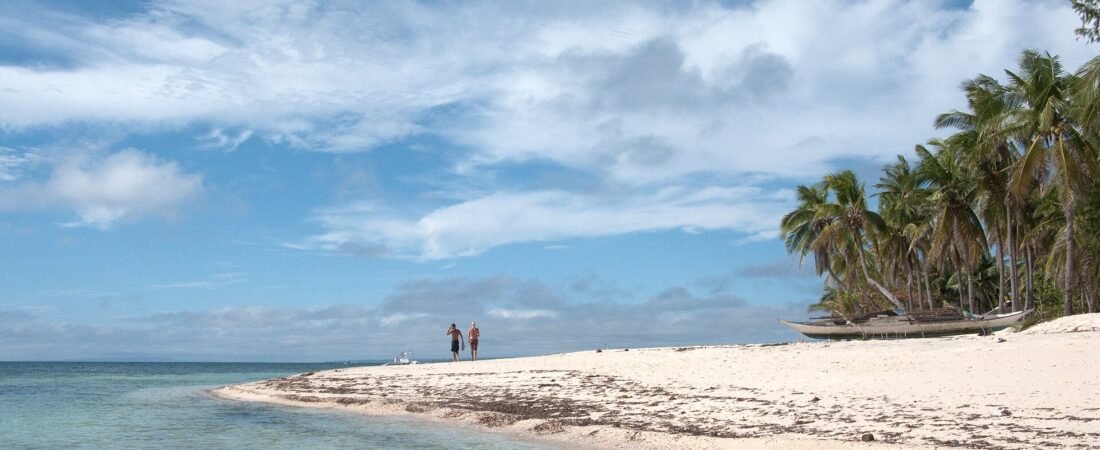
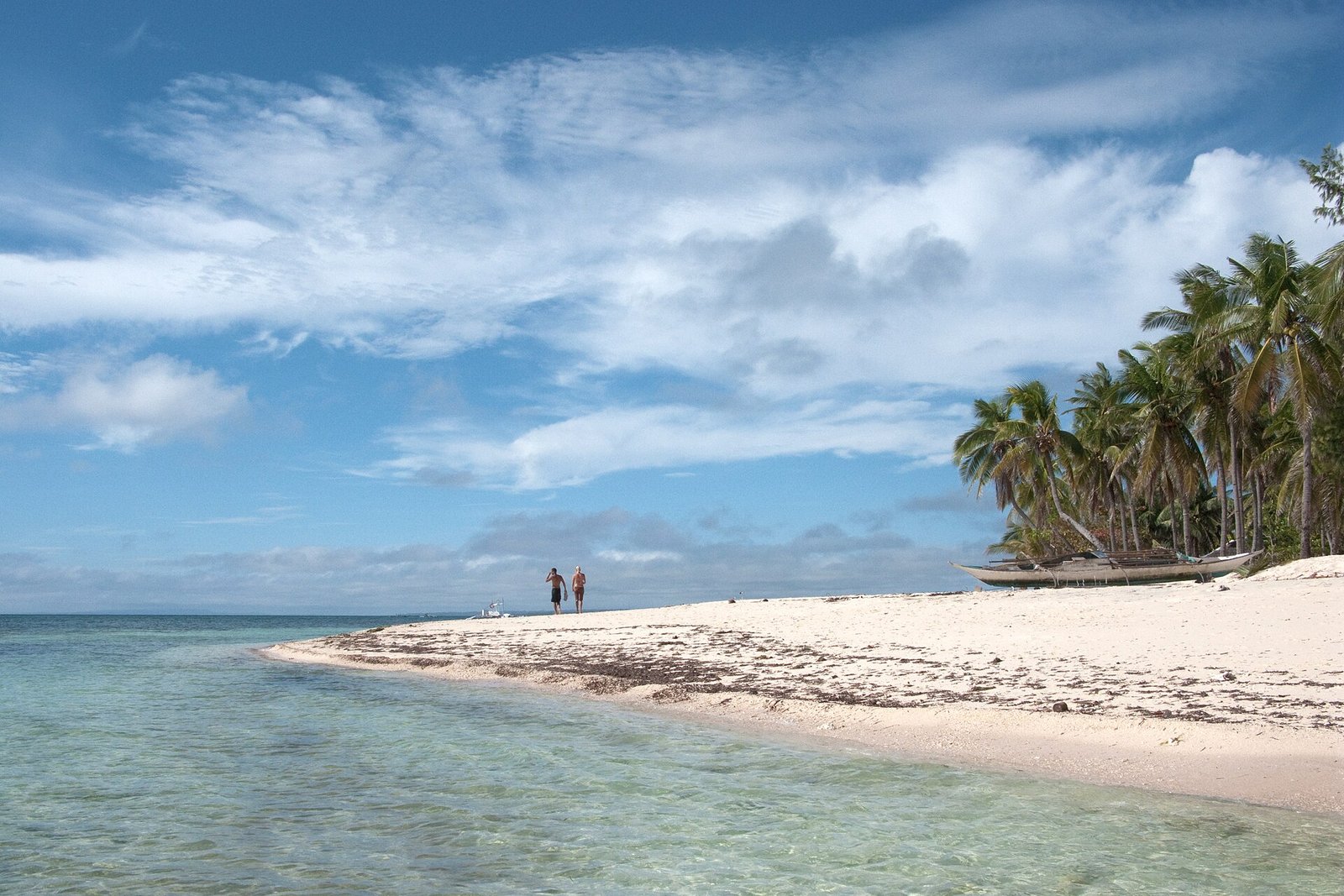
The island itself is small and walkable, with no cars and a relaxed, dive-centred rhythm. Most visitors stay along Bounty Beach on the south coast, where dive shops, resorts and restaurants are clustered. Read more background on the island on Wikipedia.
Top Dive Sites Around Malapascua
Most dive centres run a similar menu of sites. The table below summarises the highlights so you can plan your days.
Mandarinfish dusk dives near the lighthouse are a popular late-afternoon option and pair well with an early night before the next dawn dive. If you are travelling with non-divers, the Kalanggaman day trip combines snorkelling with one of the most photographed sandbars in the Visayas.
| Site | Typical depth | Highlights | Recommended level |
|---|---|---|---|
| Monad Shoal | 15–30 m | Thresher sharks at dawn, occasional mantas and devil rays | Advanced Open Water or deep training preferred |
| Gato Island | 5–25 m | Tunnel swim-through, white-tip reef sharks, sea snakes, seahorses | Open Water; tunnel needs good buoyancy |
| Doña Marilyn wreck | 18–32 m | Passenger ferry wreck with soft corals and rays | Advanced; strong currents possible |
| Lighthouse / Bantigue | 5–15 m | Macro life, mandarinfish at dusk | All levels |
| Kalanggaman Island (day trip) | 5–30 m | Sandbar beach, reef walls, big fish | All levels (long boat ride) |
Monad Shoal Thresher Dives: What to Expect
Thresher dives usually leave Bounty Beach between about 4:30 and 5:30 a.m. so divers reach the cleaning stations as the sharks arrive. The boat ride takes roughly 25–40 minutes. After a controlled descent, the group settles behind a rope line at the plateau edge and waits quietly; sharks typically pass from a few metres away to the limit of visibility.
Local rules are strict and worth respecting. Flash photography and video lights are prohibited at Monad Shoal because threshers have large, light-sensitive eyes. Divers must stay behind the rope and avoid chasing animals. A marine sanctuary fee is collected per dive or per day; your dive centre will normally add it to the bill.
Because the dive is relatively deep and often done on air, no-decompression time is short. Many divers use nitrox to extend bottom time; it is widely available on the island, but you need a nitrox certification to use it. Plan a surface interval and breakfast before any second dive, and do two or three dawn dives across your trip to improve your odds of a close pass.
A sensible five-night plan looks like this: arrive on day one and do a relaxed checkout dive in the afternoon; dawn thresher dives on days two, three and five; Gato Island on day two after breakfast; the Doña Marilyn wreck or a macro site on day three; and a non-diving day trip to Kalanggaman on day four to break up the early starts. Leave day six for the transfer back to Cebu and a final night on land before flying.
Best Time to Dive Malapascua
Threshers are present year-round, so the main seasonal variables are sea conditions, visibility and weather risk. From roughly March to June, the sea is usually calm and water temperatures sit around 27–29°C, making this the most comfortable window. December to February can bring wind and choppier boat rides from the northeast monsoon, with slightly cooler water.
From about July to November, the Philippines enters typhoon season. Malapascua was badly damaged by Typhoon Haiyan in 2013, and while most trips during these months go ahead normally, a storm can cancel boats for days. If your dates are fixed, travel insurance that covers weather disruption is strongly recommended. The Philippine Department of Tourism posts travel information, and our Philippines seasonal guide explains the wider weather pattern.
Getting to Malapascua From Cebu
Fly into Mactan-Cebu International Airport (CEB), which has direct international flights from several Asian hubs and frequent domestic links. From the airport, the most comfortable option is a private car or resort transfer to Maya port at the northern tip of Cebu, which takes around three and a half to four and a half hours depending on traffic. Buses from Cebu North Bus Terminal are cheaper but slower.
From Maya, public outrigger boats cross to Malapascua in about 30–45 minutes, and many resorts offer private boats. Some boats anchor offshore, so you may need to wade or transfer by small boat, which is worth considering when packing heavy camera gear. Avoid arriving in Maya after dark, when public boats become infrequent.
Many divers combine Malapascua with other Cebu sites. A common route is Malapascua for four nights followed by Moalboal and its sardine run on the southwest coast, or a beach break on Bantayan. See our Bantayan vs Malapascua comparison if you are deciding between the two.
Where to Stay: Choosing a Dive Resort
Malapascua’s accommodation ranges from simple fan rooms to comfortable boutique dive resorts with pools. True five-star luxury is not available on the island, so divers who want spa-level comfort often split their trip with a few nights at one of the luxury resorts on Mactan or Cebu.
When comparing places to stay, think about the dive operation first and the room second. Useful questions to ask:
- Does the resort have its own dive centre, and how many divers per guide on Monad Shoal?
- Is nitrox available, and are rental regulators and computers recently serviced?
- Do they offer camera rinse tanks and charging stations for underwater photographers?
- How far is the room from the dive centre, and can they store gear overnight?
- Is there a quiet room category away from beach-bar noise, given the early starts?
Well-reviewed options include boutique dive resorts such as Evolution, Ocean Vida and Tepanee, along with a range of smaller guesthouses. Read recent reviews for comments on dive briefing quality and safety culture rather than décor alone.
Pack a few dive-specific extras that are hard to find on the island: spare mask strap and fin straps, a dive computer you already know well, a surface marker buoy, a reusable water bottle and dry bags for the boat. Pharmacies on Malapascua are basic, so bring ear drops, seasickness tablets and any prescription medication you need for the whole trip.
Safety, Insurance and Responsible Diving
Malapascua is relatively remote, so plan conservatively. The nearest recompression facilities are on Cebu, several hours away. Dive insurance from an organisation such as Divers Alert Network (DAN) is strongly recommended in addition to standard travel insurance.
- Log your recent dives honestly; if you have not dived in a year, book a refresher before Monad Shoal.
- Keep a conservative ascent profile and respect your computer, especially with repeated early deep dives.
- Avoid flying for at least 18–24 hours after your final dive, which means planning a buffer night on Cebu.
- Use reef-safe sunscreen, never touch coral or animals, and choose operators who brief on shark etiquette.
Responsible behaviour matters here: the thresher encounter is a major source of local income, and community rules exist to protect the sharks’ cleaning stations for the long term. For another Philippine dive base, compare Anilao and Puerto Galera.
Frequently Asked Questions
Do I need Advanced Open Water to see thresher sharks at Malapascua?
Many operators prefer Advanced Open Water or deep training because the plateau edge is around 25 metres. Some take Open Water divers to a shallower part of the shoal, but sightings can be less consistent.
How many dives should I plan for Malapascua?
Plan at least two or three Monad Shoal dawn dives plus Gato Island, a wreck and a dusk dive. Four nights is a comfortable minimum.
Are thresher shark sightings guaranteed?
No wild encounter is guaranteed, but sightings are reported on most dawn dives in a typical year. Doing several dives improves your chances.
Can non-divers enjoy Malapascua?
Yes. Non-divers can snorkel, take the Kalanggaman sandbar day trip and relax on Bounty Beach, though the island is very dive-focused.
What is the water temperature at Malapascua?
Expect roughly 26–29°C most of the year. A 3 mm wetsuit is usually enough, though some divers prefer 5 mm for repeated deep dawn dives.
Is there luxury accommodation on Malapascua?
There are comfortable boutique dive resorts but no true five-star hotels. Pair your dive stay with a few nights at a luxury resort on Cebu or Mactan if you want more comfort.