Moorea Honeymoon Guide 2026
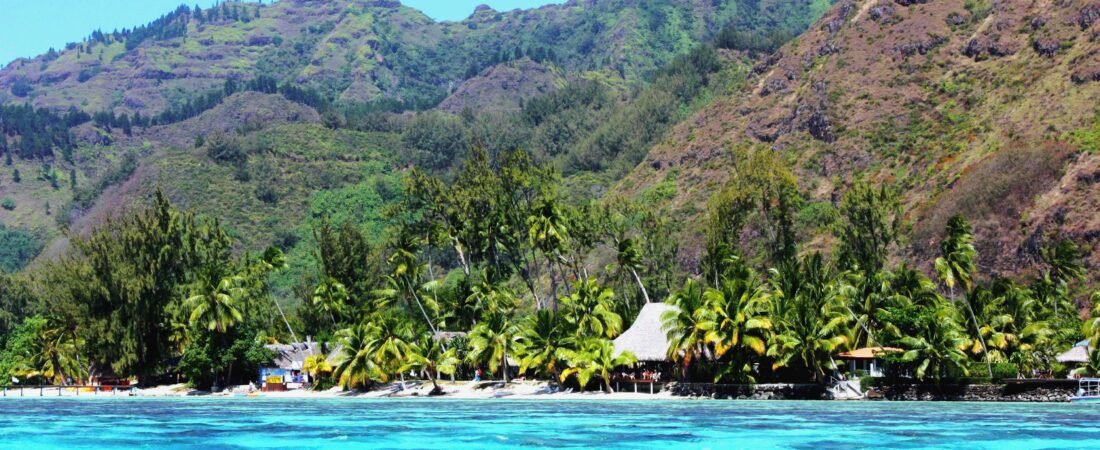
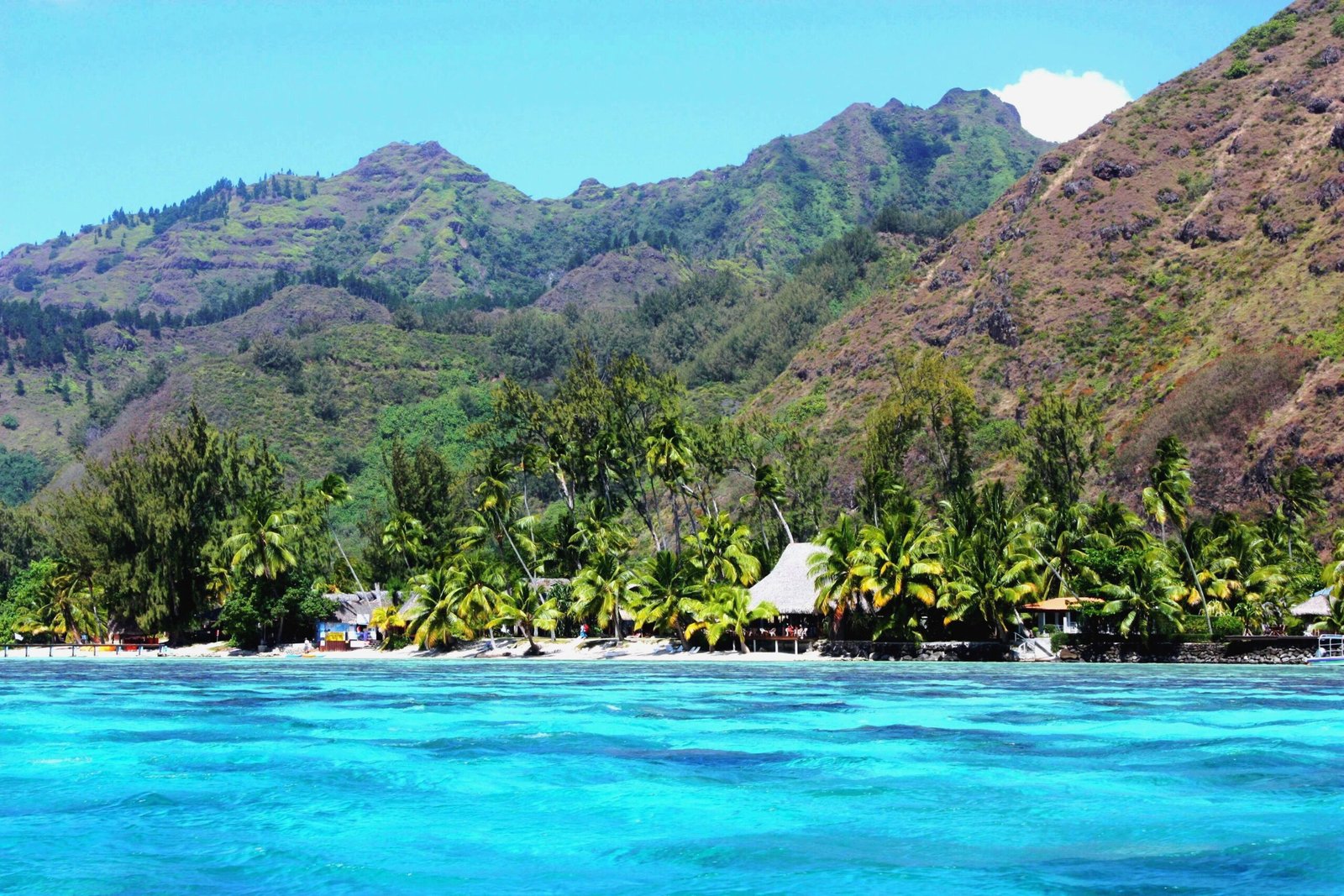
Hauru lagoon, Moorea. Photo: Daniel Julie, CC BY 2.0, via Wikimedia Commons.
Moorea sits just across the Sea of the Moon from Tahiti, close enough to see from Papeete on a clear day, yet it feels like a different world: jagged green peaks, two deep bays and a lagoon that turns electric blue on the northwest coast. This guide focuses on planning a Moorea honeymoon specifically for couples who want overwater romance without Bora Bora pricing, or who want to pair Moorea with another island on a French Polynesia trip.
Rather than ranking resorts by star rating, we look at how the island actually works for two people: which coast to base yourselves on, how to time the ferry, which experiences are worth the money, and where Moorea can disappoint if your expectations are set by Bora Bora photos. If you are still deciding between islands, read our Tahiti vs Bora Bora comparison first, then come back here.
The unique angle: Moorea is a honeymoon for doers
Bora Bora is built around the bungalow and the view. Moorea is built around the island itself. Couples who enjoy hiking a ridge in the morning, snorkelling with rays at lunch and eating at a roadside roulotte at night tend to love it. Couples who want to never leave the room may be happier elsewhere.
Why Moorea Works for Honeymooners
The first reason is access. Most international flights land at Faa’a near Papeete, and Moorea is the only major island you can reach by a short, frequent ferry. That means no extra domestic flight on your first or last day, which is a real advantage after a long-haul journey. Many couples spend their first night in Papeete, catch a morning ferry and are in the lagoon by lunchtime.
The second reason is variety. Moorea has an inland that is worth exploring: the Opunohu Valley with its archaeological marae sites, pineapple plantations on the slopes, and the Belvedere lookout that frames both Cook’s Bay and Opunohu Bay. On the coast you can kayak, paddleboard, snorkel the coral gardens near Tiahura and take a lagoon tour to the shallow sandbank areas where rays and blacktip reef sharks gather.
The third reason is value. Moorea has a genuine range of accommodation, from international resorts with overwater bungalows to family-run pensions with a handful of beach fare. That flexibility lets you splurge on a few nights over the water and spend the rest of the trip more simply, or use the savings for a second island. Our French Polynesia island-hopping itinerary shows how Moorea fits into a longer route.
Best Time to Go: Season by Season
French Polynesia has a warm tropical climate all year. Broadly, the drier and slightly cooler period runs from about May to October, when trade winds keep humidity down and clear days are more common. The wetter, hotter period runs from about November to April, with more frequent heavy showers and higher humidity, though rain often comes in bursts rather than all-day downpours.
For honeymooners, the practical difference is lagoon clarity and hiking comfort. Inland trails can be muddy and slippery after heavy rain, and visibility for snorkelling is usually better on calm, dry days. On the other hand, wet-season rates can be more forgiving, and the island is lush and dramatic. July and August overlap with European summer holidays, and the Heiva festival period brings cultural events to Tahiti and the islands, so book early for those months.
Humpback whales visit the waters around the Society Islands roughly from July to October or November. If whale watching matters to you, aim for that window and book a licensed operator that follows local approach rules. For a month-by-month breakdown across all the islands, see our French Polynesia seasons guide.
Where to Stay: Choosing Your Coast
Moorea is roughly triangular, with one road circling the coast. Where you sleep shapes the whole honeymoon, so choose the area before you choose the hotel.
Northwest: Hauru and Tiahura
This is the classic postcard Moorea, with the widest stretch of shallow turquoise lagoon, good sunset views towards the west and easy snorkelling. Several larger resorts and many guesthouses cluster here, along with small restaurants and dive shops. It suits couples who want to swim straight from the beach and watch the sun set every evening.
North: Cook’s Bay and Opunohu Bay
The two bays are the dramatic heart of the island, with steep peaks rising straight from the water. The lagoon here is narrower, but the scenery is extraordinary and you are close to the Belvedere road and the valley trails. This area suits couples who want a quieter, more scenic base and do not mind driving to the best snorkelling.
East: Temae and Afareaitu
The east is closest to the ferry terminal at Vaiare and the airport at Temae. Temae has one of the island’s best public white-sand beaches. Staying here keeps transfers short and works well if you are only on the island for two or three nights before moving on.
When comparing specific properties, our Moorea luxury resorts guide breaks down overwater and beach options. Check current room categories, minimum stays and honeymoon inclusions directly with each property, as these change from season to season.
Moorea Honeymoon Stay Styles Compared
| Stay style | Best for | Typical trade-off | Suggested nights |
|---|---|---|---|
| Overwater bungalow at an international resort | The signature honeymoon moment, swimming from your deck | Highest nightly cost; meals at resort prices | 2–3 |
| Beach or garden villa with plunge pool | Privacy and space at a lower rate than over the water | No lagoon below the room | 2–4 |
| Boutique hotel or small lodge | Character, personal service, quieter atmosphere | Fewer facilities; limited dining on site | 2–4 |
| Family-run pension or guesthouse | Local hospitality and the best value | Simpler rooms; you will want a car | 2–5 |
| Split stay (bungalow + villa) | Getting the overwater experience while controlling budget | One extra check-in and check-out | 4–6 total |
Getting There and Getting Around
Ferry. Two operators run the Papeete–Vaiare crossing, which takes roughly 30 to 45 minutes depending on the vessel and sea conditions. You can check current schedules with Aremiti and Terevau. Departures run throughout the day, but evening options are limited, so do not plan a late international arrival followed by a same-night crossing without checking.
Flight. Air Tahiti operates very short hops from Faa’a to Moorea Temae. Flying makes sense if you are connecting directly from an international flight and would rather not transfer to the port, but baggage allowances on domestic flights can be tighter than on long-haul carriers.
On the island. The coastal road is about 60 kilometres around. Resorts can arrange transfers from the ferry, and taxis exist but are not abundant. Renting a small car for one or two days is the easiest way to see viewpoints and beaches on your own schedule. E-bikes and scooters are fun for confident riders on short stretches, though traffic on the main road deserves respect.
Couple Experiences Worth Booking
- Lagoon tour with a motu picnic. Half-day or full-day boat tours typically include snorkelling stops, a visit to shallow water where rays gather, and lunch on a small islet. Choose a smaller-group operator for a more relaxed day.
- Belvedere lookout and Opunohu Valley. Drive or join a 4×4 tour up through pineapple fields to the lookout, then walk among the restored marae stone platforms in the forest. Go early for softer light and fewer people.
- Sunset from the northwest coast. Hauru faces west, so a beach dinner or a sunset paddle here is an easy highlight that costs very little.
- Hike to a ridge viewpoint. Fit couples can tackle trails such as the Three Coconuts pass. Use a guide if you are unsure of conditions, as trails can be steep and muddy.
- Whale watching in season. Between roughly July and October, licensed operators run small-boat trips to see humpbacks. Choose one that follows approach regulations.
- A spa afternoon. Polynesian-style treatments with monoi oil are a good rainy-day plan and a natural fit for a slow honeymoon day.
For broader context and cultural etiquette, the official Tahiti Tourisme site is a reliable starting point.
Sample 5-Day Moorea Honeymoon
Day 1: Morning ferry from Papeete, transfer to your bungalow, swim and nap. Sunset drinks on the deck.
Day 2: Full-day lagoon tour with snorkelling, ray encounter and a motu picnic. Quiet dinner at the resort.
Day 3: Pick up a rental car. Belvedere lookout at sunrise, Opunohu Valley marae, pineapple country, then lunch near Cook’s Bay. Afternoon at Temae beach.
Day 4: Move to a beach villa or stay put. Spa treatment, paddleboard at golden hour, dinner at a local restaurant in Hauru.
Day 5: Slow breakfast, last swim, ferry back to Papeete or flight onward to the next island. If you are continuing to Bora Bora, our Bora Bora travel guide covers the next leg.
Budget Planning and Honest Caveats
French Polynesia is expensive, and Moorea is no exception for dining and imported goods. The local currency is the CFP franc (XPF), which is pegged to the euro. Budget for resort meals at international prices, and balance them with lunches at snack bars and roulottes, the food trucks that serve grilled fish, poisson cru and steak frites at fair prices.
A realistic way to plan is in tiers: a guesthouse-based trip with a rental car, a mid-range trip in a beach villa with a couple of tours, and a splurge trip with several overwater nights and private excursions. Ask resorts whether they offer honeymoon packages, as these can bundle breakfasts, transfers or a spa credit.
Some honest caveats. The lagoon on the north and east coasts is narrower than at Bora Bora, so the classic shallow turquoise view is best on the northwest. Weather can change quickly around the peaks. And Moorea is not a nightlife destination; evenings are about dinner and stars. If those trade-offs suit you, it is one of the most rewarding honeymoon islands in the South Pacific.
Frequently Asked Questions
Is Moorea good for a honeymoon on a smaller budget than Bora Bora?
Usually, yes. Moorea has overwater bungalows, but it also has beach bungalows, guesthouses and family-run pensions, and the ferry from Papeete is inexpensive. Many couples save enough here to add a few nights on another island.
How do you get from Tahiti to Moorea?
Most couples take the passenger ferry from Papeete, which takes roughly 30 to 45 minutes. Air Tahiti also runs very short flights to Moorea Temae airport, which can be convenient if your bags are heavy or you are connecting straight from an international arrival.
How many nights should we spend on Moorea?
Four to five nights is a comfortable minimum. It gives you one lagoon day, one inland day for the Belvedere lookout and pineapple country, one slow resort day and some buffer for weather.
When is the best time for a Moorea honeymoon?
The drier, slightly cooler months from about May to October are the most reliable for clear lagoon days. November to April is warmer and more humid, with heavier showers, but it can bring better rates.
Do we need a car on Moorea?
Not strictly, but it helps. A single coastal road loops the island, and a small rental car or scooter for one or two days lets you reach viewpoints, beaches and restaurants without relying on taxis or resort shuttles.
Hero photo: Daniel Julie (CC BY 2.0) via Wikimedia Commons. Research-based guide; verify prices, schedules and policies with official sources before booking.