Mantanani Island Day Trip Guide 2026
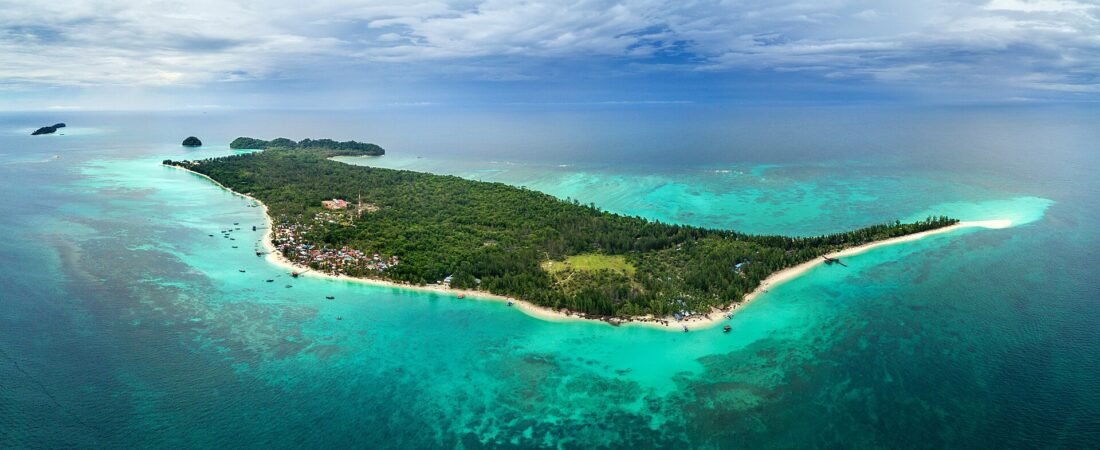
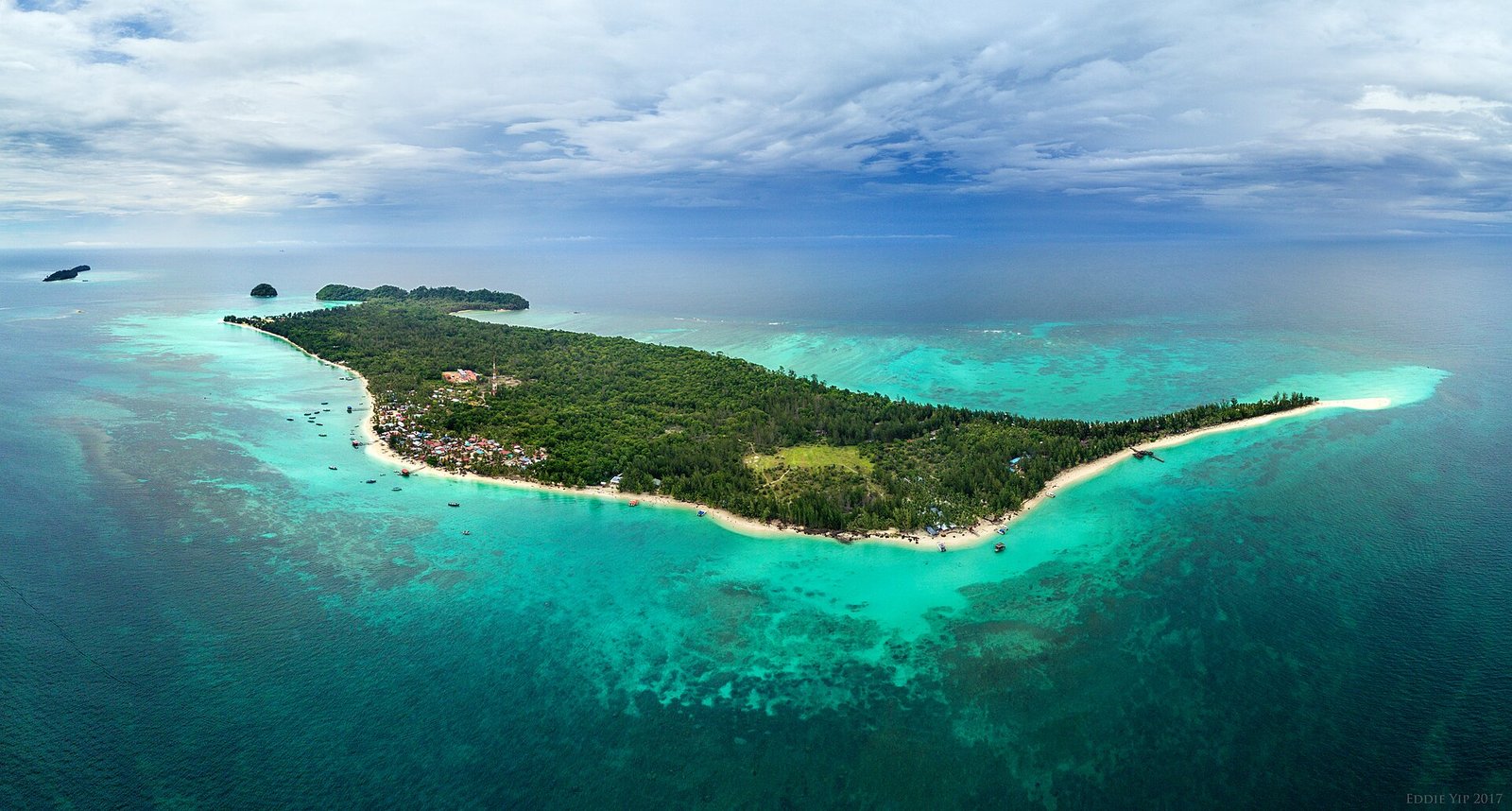
Mantanani Island, Sabah. Photo: Eddie Yip, CC BY-SA 2.0, via Wikimedia Commons.
The Mantanani islands lie off the northwest coast of Sabah, far enough from Kota Kinabalu to escape the crowds of the city’s nearby islands yet close enough for a long, rewarding day out. Think powder-soft sand, turquoise shallows and a slow Bajau fishing village. This guide focuses on planning a Mantanani Island day trip specifically for travellers based in Kota Kinabalu who want to know how the logistics work, what the day really looks like and whether an overnight stay is a better idea.
Travel planning guide · Updated October 2026. Transfer times and inclusions vary by operator. Always confirm details, cancellation terms and safety equipment before booking.
The short answer
A Mantanani day trip is a long but worthwhile day: an early pick-up in Kota Kinabalu, a scenic drive to Kota Belud, a speedboat to the island and several hours of snorkelling and beach time. Go between March and September for the calmest seas, and consider an overnight stay if you want to see sunset.
Where Is Mantanani and Why Go?
The Mantanani Islands are a small group of three islands, Mantanani Besar, Mantanani Kecil and Lingisan, in the South China Sea off the district of Kota Belud. Mantanani Besar, the largest, is home to a Bajau village and the handful of simple resorts and lodges that host visitors.
Compared with the islands of Tunku Abdul Rahman Park just off Kota Kinabalu, Mantanani feels more remote and less developed. The beaches are wide, the water is often clearer and, outside weekends and holidays, you may have long stretches of sand to yourself. That is why many travellers who have already seen the city islands make the extra effort to come here.
- Clearer water and long white-sand beaches.
- Fewer crowds than the islands near the city.
- Village life in a traditional Bajau community.
- Sunsets over the open sea if you stay the night.
How a Mantanani Day Trip Works
Almost all visitors join an organised tour or arrange a private package, because the transfer involves both road and sea legs. A typical day looks like this, although timings vary by operator and season.
| Time (approx.) | Activity | Notes |
|---|---|---|
| Early morning | Hotel pick-up in Kota Kinabalu | Often between 6 and 7 am |
| Mid-morning | Arrive at Kuala Abai jetty, Kota Belud | Roughly 1.5–2 hours by road |
| Late morning | Speedboat to Mantanani | Around 45–60 minutes |
| Midday | Snorkelling and lunch on the island | Lunch usually included |
| Afternoon | Beach time or second snorkel | Free time varies |
| Late afternoon | Boat and road transfer back | Arrive in KK in the evening |
Packages usually include transfers, lunch, snorkelling equipment and a guide, but check whether marine conservation fees, jetty fees and drinks are included. Some tours add a stop at a viewpoint or a visit to the Kota Belud countryside, where the paddy fields and views of Mount Kinabalu are lovely on a clear morning.
Best Time to Visit
Mantanani is exposed to the open South China Sea, so weather matters more than for islands close to the city. The calmer period from about March to September generally offers the smoothest crossings and best visibility for snorkelling. From roughly November to February, the northeast monsoon brings stronger winds and swells, and operators may cancel or reschedule trips.
| Months | Conditions | Advice |
|---|---|---|
| March to May | Usually calm and sunny | Excellent; book ahead for holidays |
| June to September | Mostly settled, some showers | Very good; afternoon storms possible |
| October | Transitional | Check forecasts closely |
| November to February | Monsoon swell, rougher seas | Expect cancellations; keep plans flexible |
If your Sabah trip falls in the wetter months, schedule Mantanani early in your stay so there is time to rebook if the sea is too rough. Our guide to where to stay in Kota Kinabalu can help you choose a convenient base for early pick-ups.
What to Do on the Island
Snorkelling
Snorkelling is the main event. Guides usually take groups to reef areas just offshore where you can see corals, reef fish and occasionally turtles. Visibility is typically best on calm, sunny days. If you are a confident swimmer, ask the guide whether there is time for a second site.
Beaches and walks
The beaches of Mantanani Besar are long, wide and gently shelving, ideal for paddling and swimming at high tide. At low tide, the shallows reveal sandbars and seagrass beds. A walk along the shore toward the village gives a sense of island life, with stilt houses, drying fish and children playing in the water.
Diving and dugongs
Some operators offer scuba diving around the islands, including wreck sites, for certified divers. The waters are also known for occasional dugong sightings in the seagrass meadows, though these are rare. Responsible operators will not promise encounters, and any sighting is a privilege rather than a guarantee.
What to Pack and Practical Tips
- Reef-safe sunscreen, a hat and a long-sleeved rash vest; there is little shade on the beach.
- Motion sickness tablets if you are sensitive, especially outside the calm season.
- Dry bag for your phone, camera and passport copy.
- Cash in ringgit for small purchases, tips and any fees not included.
- Water shoes for rocky or seagrass areas.
- Change of clothes for the long ride back to the city.
Safety deserves a moment of thought. Check that the speedboat carries life jackets for everyone, and do not hesitate to wear one during the crossing. If the sea looks rough and the operator still plans to depart, it is reasonable to ask about rescheduling. Reputable operators will respect weather decisions made by the marine authorities.
Respect the local community as well. Dress modestly when walking through the village, ask before photographing residents and take your rubbish back to the mainland, as waste management on small islands is limited.
Fitting Mantanani into a Sabah Itinerary
Because the day starts early and ends in the evening, it is best to keep the days on either side of a Mantanani trip relatively light. Many travellers combine it with a few nights in Kota Kinabalu, a trip to the cool highlands around Kinabalu Park and a wildlife extension on the east coast. A sample week might look like the plan below.
| Day | Plan | Base |
|---|---|---|
| Day 1 | Arrive in Kota Kinabalu; waterfront sunset and seafood market | Kota Kinabalu |
| Day 2 | Mantanani day trip, or first night of an island stay | Kota Kinabalu or Mantanani |
| Day 3 | Easy day: city islands or spa | Kota Kinabalu |
| Day 4–5 | Kinabalu Park and Kundasang highlands | Kundasang |
| Day 6–7 | Fly to Sandakan for Sepilok and the Kinabatangan | River lodge |
Travellers who love islands can also add a few nights on the east coast, where the reefs of Sipadan and Mabul and the turtle beaches of the Sulu Sea offer a very different experience. Our guide to luxury dive resorts at Sipadan and Mabul explains how to reach them.
If you are travelling with children, a Mantanani day trip is manageable for older kids who are comfortable in the water, but the long transfers can be tiring for toddlers. In that case, an overnight stay or a closer island near Kota Kinabalu may be a better fit. Couples, on the other hand, often find that a night on Mantanani is the most memorable part of their Sabah trip.
Day Trip or Overnight Stay?
A day trip is ideal if you are short on time, but you will spend a large part of the day in transit. Staying overnight transforms the experience. Once the day-trippers leave in the afternoon, the island becomes almost silent, the light softens and the sunset over the sea is spectacular. Sunrise snorkelling in glassy water is another reward.
Accommodation on Mantanani is simple: beach chalets, longhouse-style rooms and basic resorts, often sold as packages with meals and transfers. Do not expect luxury. If you want comfort before or after the island, spend a night or two at one of the best luxury hotels in Kota Kinabalu, or extend your trip to the top luxury resorts in Sabah.
For official destination information and current events, the Sabah Tourism Board website is a useful starting point. Whether you choose a day trip or a night under the stars, Mantanani offers a glimpse of a quieter, simpler Borneo that is increasingly hard to find. If you are deciding between Sabah and Sarawak for your wider trip, our comparison of Kuching vs Kota Kinabalu may help.
Frequently Asked Questions
How far is Mantanani Island from Kota Kinabalu?
Mantanani lies off the northwest coast of Sabah. A day trip usually involves a road transfer of around one and a half to two hours from Kota Kinabalu to the Kuala Abai jetty near Kota Belud, followed by a speedboat ride of roughly 45 minutes to an hour, depending on conditions.
Is a Mantanani day trip worth it?
Yes, if you want clearer water and quieter beaches than the islands closest to Kota Kinabalu and do not mind an early start. Expect to spend more time travelling than on islands near the city, but the reward is a far less crowded island setting.
Can you see dugongs at Mantanani?
Dugongs have been recorded in the seagrass areas around the Mantanani islands, but sightings are rare and should never be expected on a day trip. Treat the islands as a snorkelling and beach destination first.
When is the best time for a Mantanani trip?
The calmer months, broadly from March to September, offer the most reliable crossings and clearest water. During the northeast monsoon, roughly November to February, rough seas can lead to cancellations.
Should we stay overnight on Mantanani?
An overnight stay lets you enjoy the island after the day-trippers leave, including sunset and sunrise. Accommodation is simple, so it suits travellers who value atmosphere over facilities.
Details such as transfer schedules, fees and resort policies change often. Confirm with official sources before booking.