Kuching vs Kota Kinabalu 2026: Which Borneo Base?
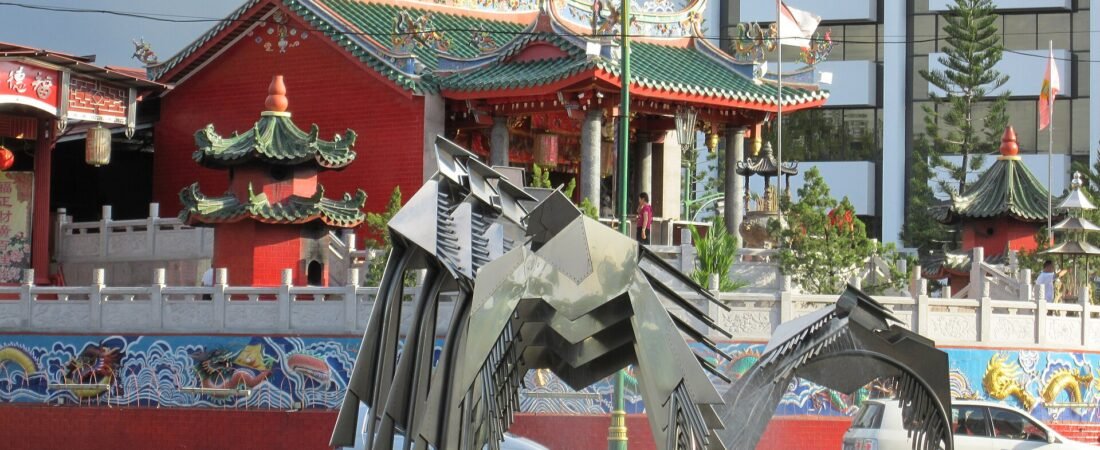
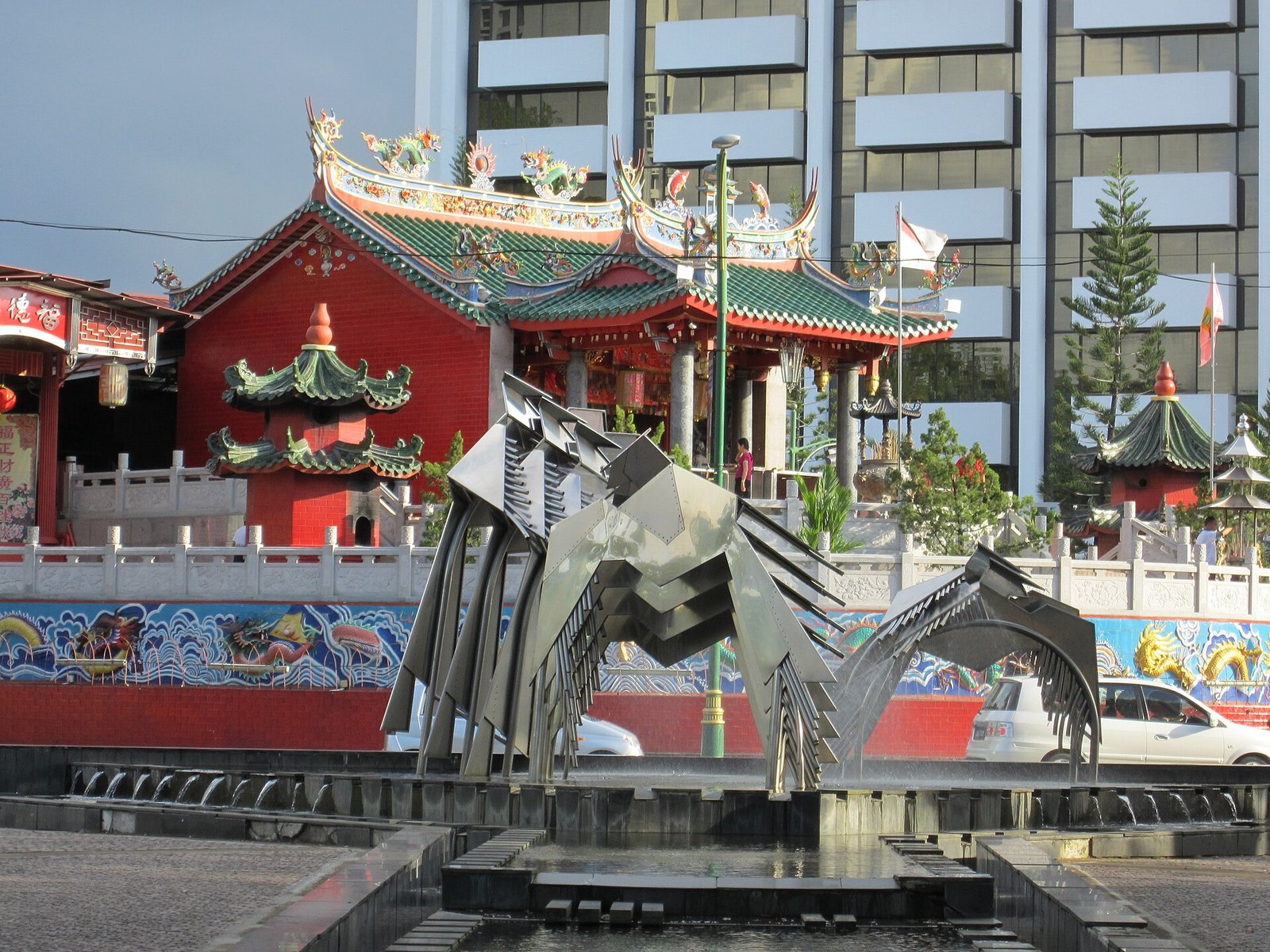
Kuching Waterfront. Photo: Marufish, CC BY-SA 2.0, via Wikimedia Commons.
Malaysian Borneo is divided into two states, Sarawak and Sabah, and most trips start from one of their capitals: Kuching in Sarawak or Kota Kinabalu, usually shortened to KK, in Sabah. They feel very different. This comparison focuses on Kuching and Kota Kinabalu specifically for first-time Borneo visitors with five to seven days who can only choose one base, and it compares wildlife, beaches, culture, food and luxury stays side by side.
Research-based guide · Official sources checked October 2026. This is not a first-hand stay review; confirm rates, policies and schedules before booking.
The short answer
Choose Kota Kinabalu if you want beach resorts, island-hopping, diving and Mount Kinabalu. Choose Kuching if you want a characterful riverside city, easy orangutan and proboscis-monkey encounters, longhouse culture and some of Malaysia’s best food. With ten days or more, do both: they are about ninety minutes apart by air.
The two cities at a glance
Kuching sits on the Sarawak River in the far south-west of Borneo. It has a relaxed riverside waterfront, colonial buildings from the era of the White Rajahs of the Brooke family, Chinese shophouse streets and a strong cat motif in its public art. Rainforest, national parks and the Santubong peninsula are all within an hour.
Kota Kinabalu sits on the west coast of Sabah, facing the South China Sea and a cluster of small islands. The city itself is modern and functional, rebuilt after the Second World War, but its setting is spectacular: islands offshore, beach resorts north and south, and Mount Kinabalu, at 4,095 metres the highest peak in Malaysia, rising about two hours inland.
| Factor | Kuching | Kota Kinabalu |
|---|---|---|
| City character | Historic, riverside, walkable | Modern, coastal, practical |
| Beaches and islands | Damai beaches; limited snorkelling | Five-island marine park offshore; resort beaches |
| Wildlife highlight | Semenggoh orangutans, Bako proboscis monkeys | Kinabatangan and Sepilok via Sandakan; reef life |
| Mountain | Mount Santubong (810 m) | Mount Kinabalu (4,095 m) |
| Luxury resorts | Fewer, smaller | More choice, larger beach resorts |
| Food | Sarawak laksa, kolo mee, outstanding hawker culture | Seafood, Sabah specialities, night markets |
| Best for | Culture, food, easy nature | Beaches, diving, trekking, families |
Wildlife and nature
Kuching wins for easy wildlife. Semenggoh Wildlife Centre, about forty minutes from the city, has semi-wild orangutans that often come to the forest feeding platforms at set times; sightings are likely but never guaranteed, especially in fruiting season when food is plentiful in the forest. Bako National Park, reached by a short boat ride from the fishing village of Bako, is one of the best places in Borneo to see proboscis monkeys, alongside bearded pigs, long-tailed macaques and pitcher plants on well-marked trails.
Kota Kinabalu wins for range. Kinabalu Park is a UNESCO World Heritage Site with rich montane forest and the famous summit climb, which requires permits and a licensed guide and is usually done over two days. For orangutans and river safaris, travellers fly or drive east to Sandakan for the Sepilok Orangutan Rehabilitation Centre and the Kinabatangan River. Underwater, Sabah has Borneo’s best diving, from the islands off KK to world-famous Sipadan; see our Sipadan and Mabul resort guide.
Responsible wildlife viewing
Whichever base you choose, keep a respectful distance from animals, follow ranger instructions at feeding platforms and never feed wildlife. Choose operators that keep group sizes small on river cruises and that do not chase or crowd animals for photographs. In Bako, macaques are bold and will grab food or bags, so keep snacks sealed and away from open terraces. On reefs, use reef-safe sunscreen, avoid standing on coral and choose dive centres that brief guests on marine-park rules.
Beaches, islands and resorts
This is the clearest difference. KK looks out over Tunku Abdul Rahman Park, a group of five islands including Manukan, Sapi and Gaya, reached in fifteen to twenty minutes by boat from the city jetty. The water is fine for a casual snorkel and the beaches are pretty, though busy on weekends.
KK also has Borneo’s best-known beach resorts. Shangri-La Tanjung Aru sits on the city’s southern edge with sunset views over the islands. Shangri-La Rasa Ria, about forty-five minutes north, has a long beach, golf and its own nature reserve. Gaya Island Resort, reached by boat, offers forest villas on a quiet bay. Our where to stay in Kota Kinabalu guide compares the areas in detail.
Kuching’s beach options are concentrated at Damai on the Santubong peninsula, about forty minutes from the city, with resorts set between rainforest and sea. They are pleasant for a couple of relaxing days, but the water is less clear than in Sabah and the choice of high-end stays is smaller. In the city, riverside hotels near the waterfront are the most convenient luxury bases.
A practical tip for KK: if you want a quiet island day, go early on a weekday and choose Sapi or Mamutik rather than the busiest beaches. Private boat charters can be arranged through resorts, and some packages combine snorkelling with a seafood lunch. For Kuching, think of Damai as an add-on after time in the city rather than as the main event; two nights by the sea is usually enough, and the resorts make a convenient base for the Sarawak Cultural Village and treks on Mount Santubong.
Culture and food
Kuching has the stronger cultural offer. Walk the waterfront, cross the river by small sampan boat to the white Astana palace and Fort Margherita, and explore Carpenter Street and India Street. The Sarawak Cultural Village at Santubong shows traditional houses of the Iban, Bidayuh, Orang Ulu and Melanau peoples, and longer trips can include a night in a working Iban longhouse upriver. The annual Rainforest World Music Festival at the cultural village draws international performers, usually in mid-year; check the Sarawak Tourism site for dates.
Food is a big reason to choose Kuching. Sarawak laksa, a spicy, sour, coconut-rich noodle soup, is a breakfast institution, and kolo mee, springy noodles tossed in a light dressing with barbecued pork or chicken, is everywhere. KK counters with superb seafood at its waterfront markets, the Sunday Gaya Street market and Sabah dishes such as hinava, a fresh fish salad cured with lime.
Access, costs and when to go
Both cities have international airports with frequent flights from Kuala Lumpur, Singapore and other regional hubs. Kuching to Kota Kinabalu is a short domestic flight of roughly ninety minutes, so combining them is easy. Note that Sabah and Sarawak run their own immigration checks even for travellers arriving from Peninsular Malaysia, so keep your passport handy on domestic flights.
Costs are broadly similar, though KK’s beach resorts command higher rates than Kuching’s city hotels. Weather is hot and humid all year. The north-east monsoon brings heavier rain to much of Borneo from around November to February, and rough seas can affect boat trips; the drier months are typically March to October. For Mount Kinabalu, book climbing permits and mountain accommodation well in advance through Sabah Tourism listed operators.
Getting around also differs. Kuching’s heritage centre is walkable, and the main nature sites are easily reached by ride-hailing apps or a hired driver for the day. In KK, the city itself is spread along the coast, so most visitors rely on cars and boats; resorts such as Rasa Ria and Gaya Island include transfers in many packages. Self-drive is possible in both states, but roads into the interior can be slow, and long journeys such as KK to Kinabalu Park are easier with a driver.
Which should you choose?
- Honeymooners: Kota Kinabalu, for sunsets, island villas and resort pampering.
- Food lovers and culture seekers: Kuching, for laksa breakfasts, heritage streets and longhouse visits.
- Families with young children: Kota Kinabalu, for beach resorts with kids’ clubs and easy island days; Rasa Ria’s nature programme is a bonus.
- Wildlife on a short trip: Kuching, because Semenggoh and Bako are both easy half-day or day trips from the city.
- Adventure travellers: Kota Kinabalu, for the Mount Kinabalu climb, diving and onward trips to Sandakan.
If you have ten days, start in Kuching for three nights of food and wildlife, then fly to KK for four nights split between the city and a beach resort. Brunei sits between the two and makes an easy add-on; see our Brunei luxury travel guide. For Indonesian Borneo, the Derawan Islands offer a very different island experience. The Borneo overview on Wikipedia is a handy primer on the island’s geography.
Still undecided? Think about your perfect afternoon. If it involves a hammock, a pool bar and an island on the horizon, go to Kota Kinabalu. If it involves wandering old streets, stopping for a bowl of laksa and watching boats cross the river at sunset, go to Kuching.
Frequently asked questions
Is Kuching or Kota Kinabalu better for orangutans?
Kuching is easier for a short trip, thanks to Semenggoh Wildlife Centre about forty minutes from the city. From Kota Kinabalu, most visitors travel to Sepilok near Sandakan, which requires a flight or long drive.
Which city has better beaches?
Kota Kinabalu, by a wide margin. It has an offshore marine park of five islands and several large beach resorts, while Kuching’s beaches are limited to the Damai area.
Can I climb Mount Kinabalu from Kota Kinabalu?
Yes. Kinabalu Park is about two hours by road. The climb is normally done over two days with a licensed guide, and permits and mountain accommodation should be booked well ahead.
How long is the flight from Kuching to Kota Kinabalu?
Roughly ninety minutes. There are several flights a day, which makes it easy to combine both cities in one trip.
Do I need my passport for flights within Malaysian Borneo?
Yes. Sarawak and Sabah operate their own immigration controls, so carry your passport even on domestic flights from Peninsular Malaysia or between the two states.