Tonga Whale Swimming Guide 2026
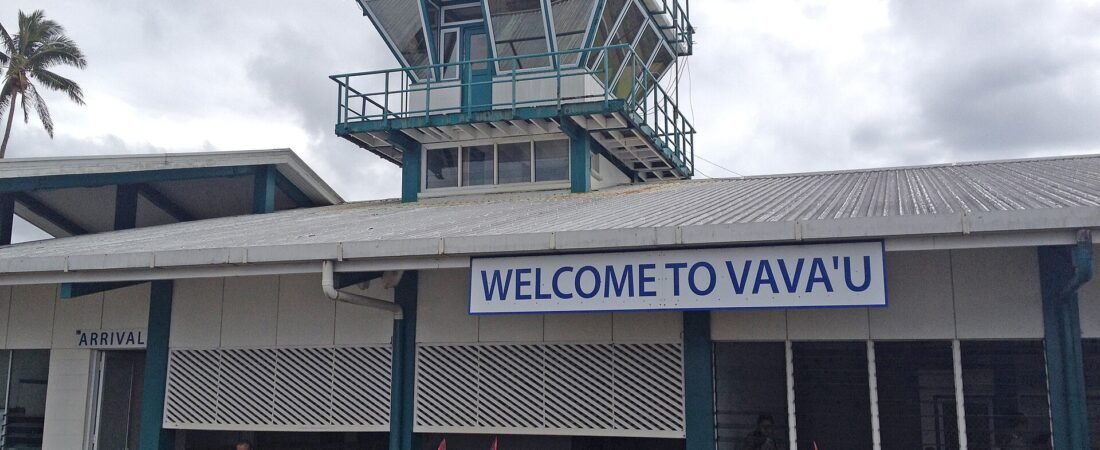
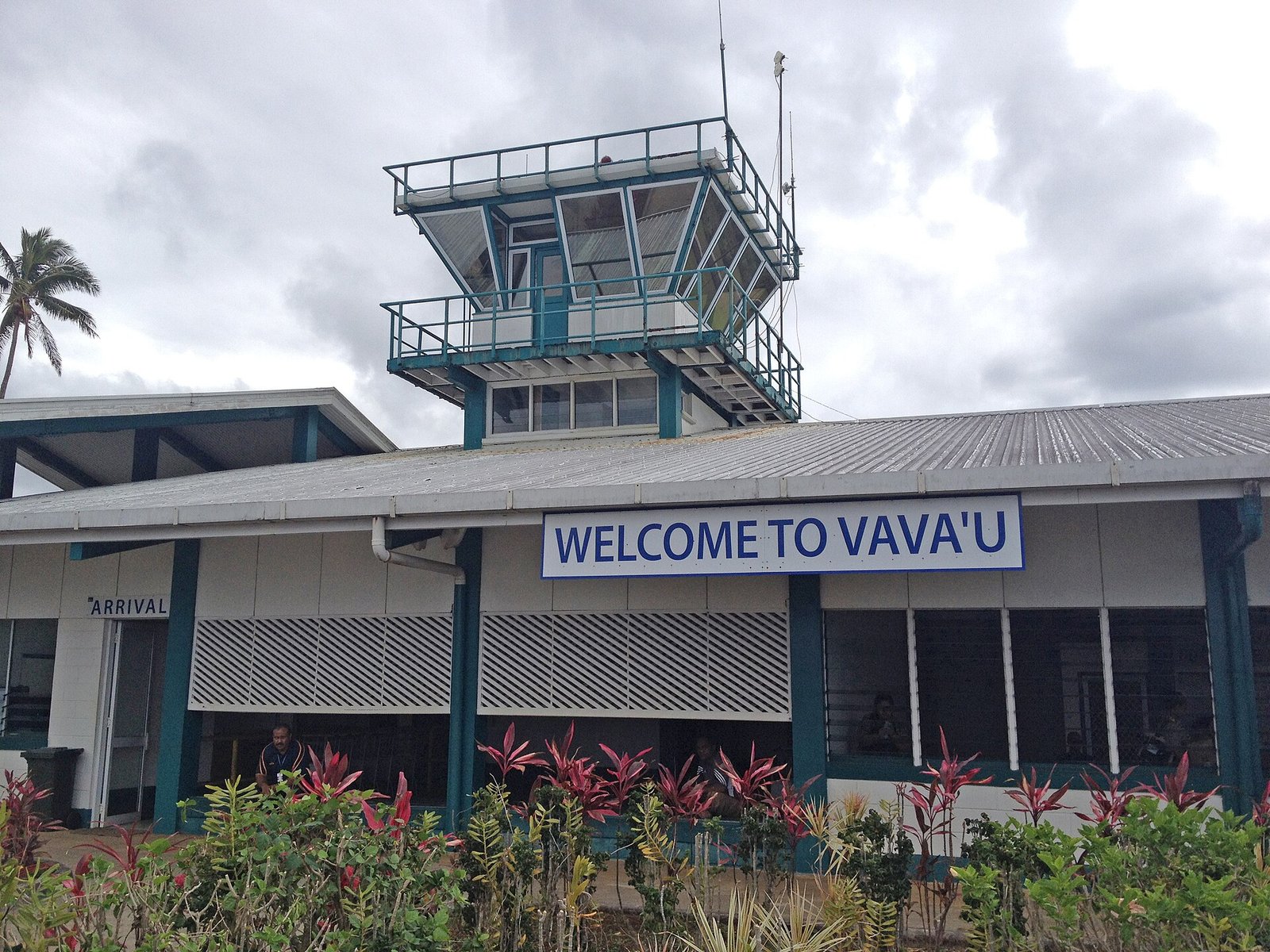
Photo: David Broad via Wikimedia Commons (CC BY 3.0)
Every southern winter, humpback whales travel thousands of kilometres from Antarctic feeding grounds to the warm, sheltered waters of Tonga to give birth and raise their calves. Tonga is one of very few places in the world where licensed operators can take small groups into the water with them. For many travellers, floating a few metres from a mother and calf is the wildlife experience of a lifetime.
This guide focuses on swimming with whales in Tonga specifically for first-timers and reasonably confident swimmers who want a well-run, responsible experience and a comfortable place to stay. It is a planning guide: when to go, which island group to choose, how the rules work, what it costs, and how to give yourself the best chance of a good encounter.
Research-based guide · Updated October 2026 · Verify rates and policies with official sources before booking
The unique angle: plan for the weather, not just the whales
Whales are rarely the limiting factor in peak season; wind and sea conditions are. Operators cancel trips when it is too rough, and Sundays have no tours at all. The single best thing you can do is book enough days in the water (at least three, ideally four or five) so one or two lost days do not ruin the trip.
When Is Whale Season in Tonga?
Humpback whales are generally present in Tongan waters from around July to October. Arrival and departure dates vary each year, but August and September are usually the most reliable months, when mothers and calves are resting in sheltered water and males are competing in heat runs. Early July and late October can still be good, with fewer boats, but sightings are less predictable.
Remember that this is the southern hemisphere winter. Daytime temperatures are pleasant, but water temperatures are cooler than in high summer, and a wetsuit (often 3 mm) is recommended for long sessions in the water. Trade winds can also make the sea choppy on some days.
If your dates are fixed by school holidays or work, do not worry too much about choosing the “perfect” week. Within the core season, local conditions on the day matter more than the calendar. What matters most is building in spare days and staying flexible about which morning you go out on the water.
Choosing Your Base: Vava’u, Ha’apai or ‘Eua
Vava’u: the classic choice
Vava’u has a large, sheltered harbour at Neiafu and dozens of small islands, so boats can often find calm water even on windy days. It has the most licensed operators, the most restaurants and the widest range of places to stay, including small island resorts reached by boat. For a first whale trip, it is the easiest choice.
Ha’apai: quiet and remote
Ha’apai is a scattered group of low coral islands between Tongatapu and Vava’u. There are fewer operators and fewer boats on the water, which many visitors love. Lodges are small and simple-but-charming, and the beaches are superb. Weather exposure is higher, so allow extra days.
‘Eua: whales plus hiking
‘Eua is close to Tongatapu but feels very different, with cliffs, rainforest and a national park. Whales pass close to its coast, and a few operators run swims. It suits travellers who want to combine whales with hiking and do not need luxury.
How the Rules Work and Why They Matter
Tonga regulates commercial whale swimming to reduce stress on the animals. Only licensed operators can run swims, and the rules limit how many people can be in the water with a whale at the same time, typically small groups of four plus a guide. Boats must approach slowly and keep their distance, and guides decide when and whether to enter the water based on the whales’ behaviour.
Good operators will not chase whales or pressure them to interact. If a mother and calf move away, you return to the boat. This can feel frustrating, but it is exactly why the encounters remain possible. For the science behind responsible viewing, the International Whaling Commission whale watching handbook is a helpful resource, and NOAA’s humpback whale profile explains the species and its migrations.
Choosing a Licensed Operator
- Check the licence: ask to see it, and avoid anyone offering unlicensed swims.
- Group size: smaller boats mean more time in the water for each guest.
- Guide experience: ask how many seasons the guides have worked and whether they brief you before each swim.
- Weather policy: understand refund or rebooking terms for cancelled days.
- Equipment: confirm whether wetsuits, masks, snorkels and fins are included and in good condition.
- Reviews: look for recent reviews that mention respectful behaviour around the whales, not just big sightings.
Many experienced travellers book a multi-day package with one operator, which often includes accommodation and gives the operator flexibility to use the calmest days.
Where to Stay for a Comfortable Whale Trip
Tonga is not a mega-resort destination, and that is part of its charm. Expect small, locally run lodges, boutique island resorts and guesthouses rather than international luxury brands. In Vava’u, Neiafu has guesthouses and apartments close to the harbour where most boats depart, which makes early starts easy. Small island resorts around Vava’u offer more privacy and beach time but rely on boat transfers.
In Ha’apai and ‘Eua, accommodation is simpler, with beach fales and eco-lodges. Near Tongatapu, small island resorts are a relaxing option at the start or end of a trip. Book early for August and September, as the best rooms fill months ahead.
If you want a more polished South Pacific resort experience after your whale days, consider adding a few nights in Fiji; see our guide to the best luxury resorts in Fiji. Honeymooners may also like our Samoa luxury honeymoon planner or our Cook Islands honeymoon guide.
A practical plan for a seven-night trip looks like this: arrive in Tongatapu and rest for a night at a small island resort, fly to Vava’u the next morning, then book four whale days across the following five, leaving the Sunday and one spare day free. Finish with a final night back on Tongatapu so a delayed domestic flight cannot make you miss your international connection. Couples who want more comfort can split the Vava’u stay between a harbour-side base for the whale days and an island resort for two final nights of beach time.
Getting There and Practical Logistics
International flights arrive at Fua’amotu International Airport on Tongatapu, mainly via Auckland, Nadi in Fiji, and Australian cities such as Sydney and Brisbane. Domestic flights connect Tongatapu with Vava’u, Ha’apai and ‘Eua; schedules can change, so leave buffer time between international and domestic connections.
Plan for Sundays. Tonga observes Sunday as a day of rest, and most commercial activity stops, including whale tours and many flights. Use Sunday for church (visitors are welcome and the singing is beautiful), rest, or a lodge-based day. Check entry requirements and travel advice on Smartraveller’s Tonga page before you go.
Costs, Fitness and What to Pack
A full-day whale swim trip typically costs several hundred Tongan pa’anga per person, and prices are higher on private charters. Multi-day packages can offer better value. Add accommodation, domestic flights and meals, and Tonga is a mid-to-high budget trip, mostly because of the logistics.
You do not need to be an expert, but you should be comfortable snorkelling in open water, sometimes in waves, and able to climb back into a boat from the water. Guides will often ask you to stay calm and close together at the surface.
- A well-fitting mask and snorkel (bring your own if you have one)
- A 3 mm wetsuit or a confirmed rental
- Reef-safe sunscreen and a hat for long boat days
- Seasickness tablets, even if you rarely get seasick
- A camera with a wrist strap; no flash and no touching the whales
- A dry bag and a warm layer for the ride home
Travel insurance that covers water activities and medical evacuation is strongly recommended, because Tonga’s islands are remote and serious medical care may require a flight to New Zealand. Cash is useful outside Tongatapu and Neiafu, as card payments are not accepted everywhere.
How to Get the Best Encounters
- Book four or five days in the water across a week to allow for weather.
- Travel in August or September for the best odds, and early July or October for fewer boats.
- Listen to your guide and enter the water quietly, without splashing.
- Stay in a group and let the whales decide how close to come.
- Compare the experience with other marine encounters, such as whale shark encounters in Southeast Asia or whale watching in the Azores.
Frequently Asked Questions
When is the best time to swim with whales in Tonga?
Humpback whales are usually in Tongan waters from about July to October. August and September generally offer the most reliable encounters.
Is swimming with whales in Tonga safe?
With a licensed operator and an experienced guide, it is considered safe for confident swimmers. Guides brief you, control how you enter the water and keep a respectful distance from the whales.
How many people can swim with a whale at once in Tonga?
Regulations limit in-water groups to small numbers, typically four swimmers plus a guide at a time. Check the current rules with your operator.
Can you go whale swimming in Tonga on Sunday?
No. Sunday is a day of rest in Tonga, and whale tours and most commercial activities do not operate.
Which island group is best for whale swimming?
Vava’u is best for first-timers because it has the most operators and sheltered water. Ha’apai and ‘Eua are quieter alternatives with fewer boats.