
Aitutaki Lagoon Travel Guide 2026
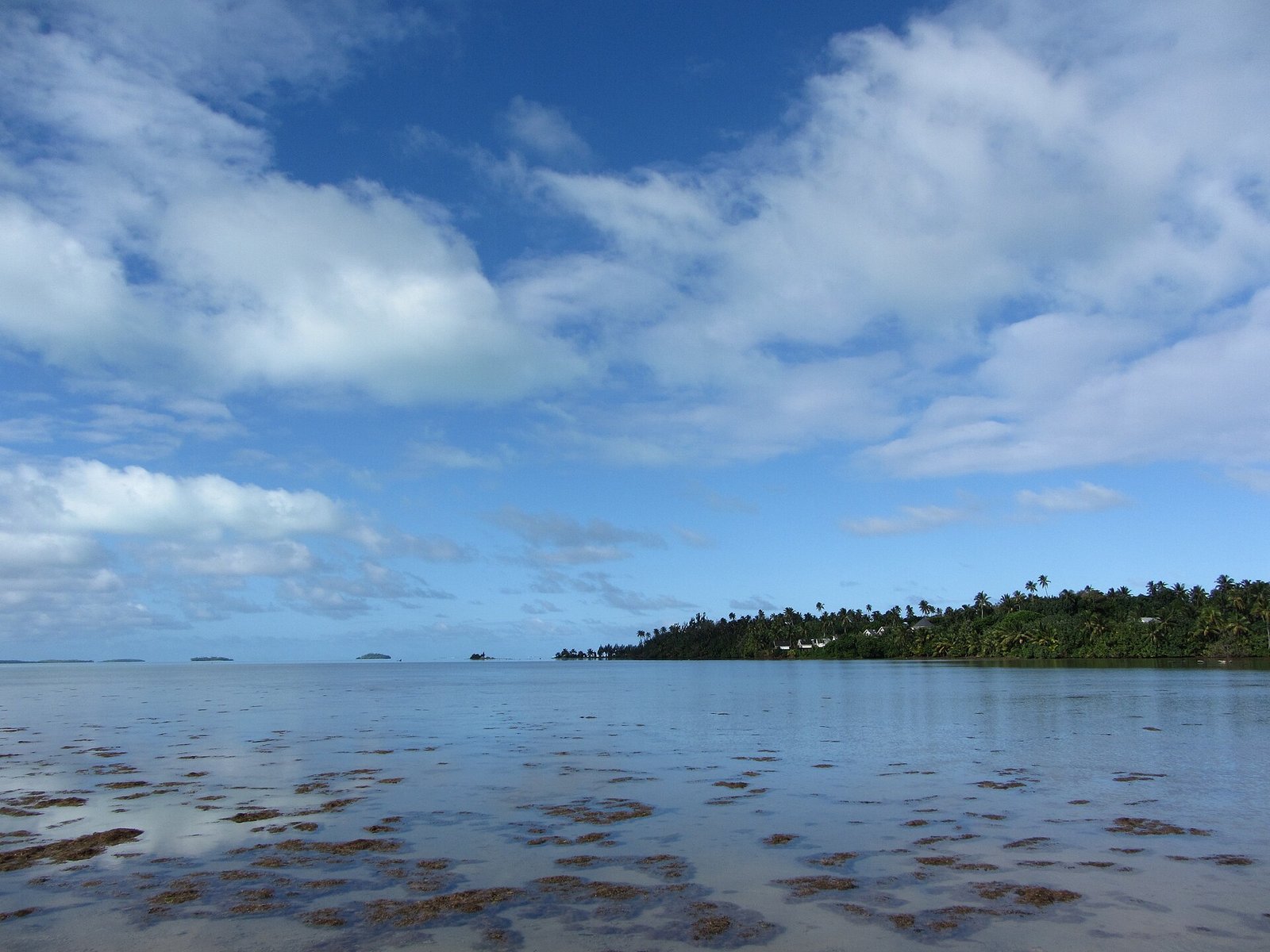
Inside the Aitutaki lagoon, Cook Islands.
Aitutaki is the island most people picture when they think of the Cook Islands: a triangle-shaped lagoon of shallow turquoise water ringed by a reef and dotted with small sandy motu (islets). It sits roughly 260 km north of Rarotonga, and although it is only a short flight away, it feels far quieter, with no traffic lights, a handful of small villages and a pace that slows the moment you land.
This guide focuses on Aitutaki specifically for travellers adding three to five nights to a Rarotonga-based trip, especially couples and slow travellers who want to know how to get there, how many nights to book, which lagoon cruise to choose and where to stay. If you are planning a honeymoon across both islands, pair this with our Cook Islands honeymoon guide.
Quick answer
Fly Rarotonga to Aitutaki with Air Rarotonga (about 50 minutes), stay at least three nights, book one full-day lagoon cruise that stops at One Foot Island (Tapuaetai), and spend the remaining days snorkelling, kayaking and doing very little. Day trips are possible but rushed; overnight stays let you see the lagoon at its calmest in the early morning and late afternoon.
Why Aitutaki is different from Rarotonga
Rarotonga is a high volcanic island with a jagged, jungle-covered interior, a 32 km ring road and most of the country’s hotels, restaurants and services. Aitutaki is lower and flatter, and its main attraction is the water rather than the land. The lagoon is large, shallow and sheltered, with sandbars that appear and disappear with the tide and colours that shift from pale aqua to deep blue over a few metres.
That contrast is why so many itineraries split time between the two. Rarotonga gives you hiking, markets, dining and culture; Aitutaki gives you a lagoon that is genuinely hard to match in the South Pacific outside French Polynesia. If you are weighing Aitutaki against Bora Bora or Moorea, the key difference is scale: Aitutaki is smaller, less developed and has only one resort with overwater bungalows.
How to get to Aitutaki
Almost all visitors arrive via Rarotonga International Airport, which is served by Air New Zealand from Auckland, with additional routes that vary by season. From Rarotonga, Air Rarotonga operates the domestic flights to Aitutaki several times a day. The flight takes around 50 minutes and offers excellent lagoon views on approach, so ask for a window seat.
- Book domestic flights early in peak periods (New Zealand and Australian school holidays, July to September) because seats on small aircraft sell out.
- Check baggage allowances; domestic limits are lower than international ones, so pack light or leave a bag at your Rarotonga hotel.
- Day-tour packages bundle the flight, a lagoon cruise and lunch. They are good value if your time is tight but involve an early start and a late return.
- Transfers on arrival are usually arranged by your accommodation; confirm this when you book.
How many nights to spend on Aitutaki
The single most common regret among visitors is not staying long enough. A day trip shows you the highlights, but you miss the quiet hours when the lagoon is mirror-flat and the cruise boats have gone home. Use this as a starting point:
| Stay length | Best for | What you can fit in |
|---|---|---|
| Day trip | Very tight itineraries | Return flights, one lagoon cruise, lunch on a motu |
| 2 nights | Short Rarotonga add-ons | One cruise day plus one free day of snorkelling and kayaking |
| 3–4 nights | Most couples and first-timers | Cruise, island drive, sunset dinners, a lazy beach day or two |
| 5+ nights | Honeymooners and slow travellers | All of the above plus fishing, diving or a private lagoon charter |
| 7 nights | Remote-work or deep-rest trips | Daily routine of swim, read, nap; real decompression |
For most travellers, three or four nights on Aitutaki and four to six on Rarotonga is a well-balanced 8–10 night Cook Islands trip.
The lagoon cruise: what to expect and how to choose
A full-day lagoon cruise is the essential Aitutaki experience. Most cruises leave in the morning, visit a series of motu and snorkelling spots, serve lunch on a beach and finish mid-afternoon. The headline stop is One Foot Island (Tapuaetai), where a small post office has traditionally stamped passports with a novelty footprint stamp.
What to compare between operators
- Group size and boat type: larger vessels are stable and social; smaller boats feel more personal and can reach shallower spots.
- Snorkel stops: look for itineraries that include coral gardens and giant clam areas, not only sandbars.
- Lunch: some cruises serve a barbecue on a motu, others a simpler picnic.
- Private charters: for honeymooners or families, a private boat lets you set the pace and avoid the busiest motu at peak times.
Bring reef-safe sunscreen, a rash vest, water shoes and a dry bag. The sun on the lagoon is intense even on cloudy days, and the sandbars offer very little shade.
Where to stay on Aitutaki
Accommodation on Aitutaki is small-scale, and that is part of the appeal. There are no high-rise hotels, and even the best-known resorts have only a few dozen rooms. Broadly, your choices fall into three groups:
- Lagoon-front luxury resorts: beachfront villas with direct lagoon access, on-site restaurants and spa treatments. Some are adults-only.
- Private-island style stays: Aitutaki is the only place in the Cook Islands with overwater bungalows, located at a resort on its own motu reached by a short bridge or boat.
- Boutique villas and guesthouses: self-catering bungalows and small family-run properties that offer far better value, often with free kayaks.
If you want an overwater experience above all else, compare Aitutaki with Fiji and the Maldives before booking, since those destinations have far more choice. If you want a lagoon without crowds, Aitutaki’s small inventory is an advantage.
Things to do beyond the cruise
- Snorkel from the shore where reef patches are close to the beach; ask your hotel about currents and safe entry points.
- Kayak or paddleboard across the shallows to nearby motu at high tide.
- Drive or cycle around the main island, stopping at villages, churches and the lookout at Maunga Pu, the island’s highest point.
- Bonefishing with a local guide; Aitutaki’s sand flats are well known among fly anglers.
- Attend an Island Night, a dinner show with drumming and dance that is one of the best introductions to Cook Islands culture.
- Go to church on Sunday; visitors are welcome at services, and the hymn singing is memorable. Dress modestly.
Note that Sunday is a quiet day on Aitutaki. Many businesses close, and boating activity may be limited, so plan your cruise for another day.
A sample three-night Aitutaki itinerary
Day 1: Take a morning flight from Rarotonga, check in, and spend the afternoon snorkelling or kayaking near your accommodation. Watch the sunset from the west-facing beaches, then have an early dinner because cruise days start early.
Day 2: Join a full-day lagoon cruise with stops at coral gardens, giant clam areas, sandbars and One Foot Island. Back on land, rest, rehydrate and keep the evening simple.
Day 3: Rent a scooter or bicycle and loop the main island, stopping at villages, the Maunga Pu lookout and a roadside café. Book an Island Night dinner show for the evening.
Day 4: Have a slow breakfast and a final swim, then take an afternoon flight back to Rarotonga. If your schedule allows, adding a fourth night for doing nothing at all is rarely a mistake.
Practical tips and budgeting
The Cook Islands use the New Zealand dollar alongside local Cook Islands coins and notes. Card payments are accepted at resorts and larger businesses, but carry some cash for small shops, market stalls and tips. ATMs on Aitutaki are limited, so withdraw money on Rarotonga before you fly.
- Groceries cost more than on Rarotonga because supplies are shipped or flown in; self-caterers should bring some staples.
- Wi-Fi can be slow and metered; download maps and entertainment in advance.
- Mosquito repellent is worth packing, especially in the wetter months.
- Respect the reef: do not stand on coral or remove shells, and follow guidance from your cruise crew.
For official visitor information and entry requirements, check Cook Islands Tourism and your government’s travel advisory, such as SafeTravel New Zealand or Smartraveller. If you want to compare other South Pacific options, see our guides to Samoa and swimming with whales in Tonga.
Frequently Asked Questions
How do you get from Rarotonga to Aitutaki?
Air Rarotonga flies between the two islands several times a day, and the flight takes around 50 minutes. Book early in July to September and during school holidays.
Is a day trip to Aitutaki worth it?
A day trip is worthwhile if you have no other option, but you will be rushed. Two to four nights let you enjoy the lagoon without the crowds and at its calmest.
Does Aitutaki have overwater bungalows?
Yes. Aitutaki is the only place in the Cook Islands with overwater bungalows, at a resort on its own small motu. Availability is limited, so book well ahead.
What is One Foot Island famous for?
One Foot Island (Tapuaetai) is a sandy motu in the lagoon visited on most cruises. It is known for its scenery and a small post office that stamps passports with a footprint.
When is the best time to visit Aitutaki?
May to October is drier and less humid, with good lagoon conditions. November to April is hotter and wetter and falls within the cyclone season.
Hero photo: Akos Kokai via Wikimedia Commons, CC BY 2.0. Details such as rates, schedules and policies change; confirm directly with operators before booking.