Fiji vs Maldives: Which Luxury Island Escape Wins in 2026?
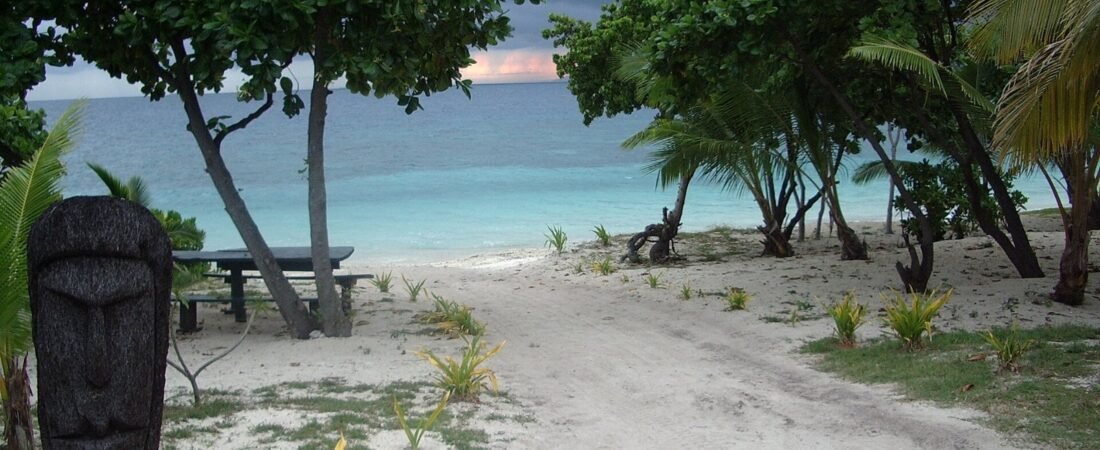
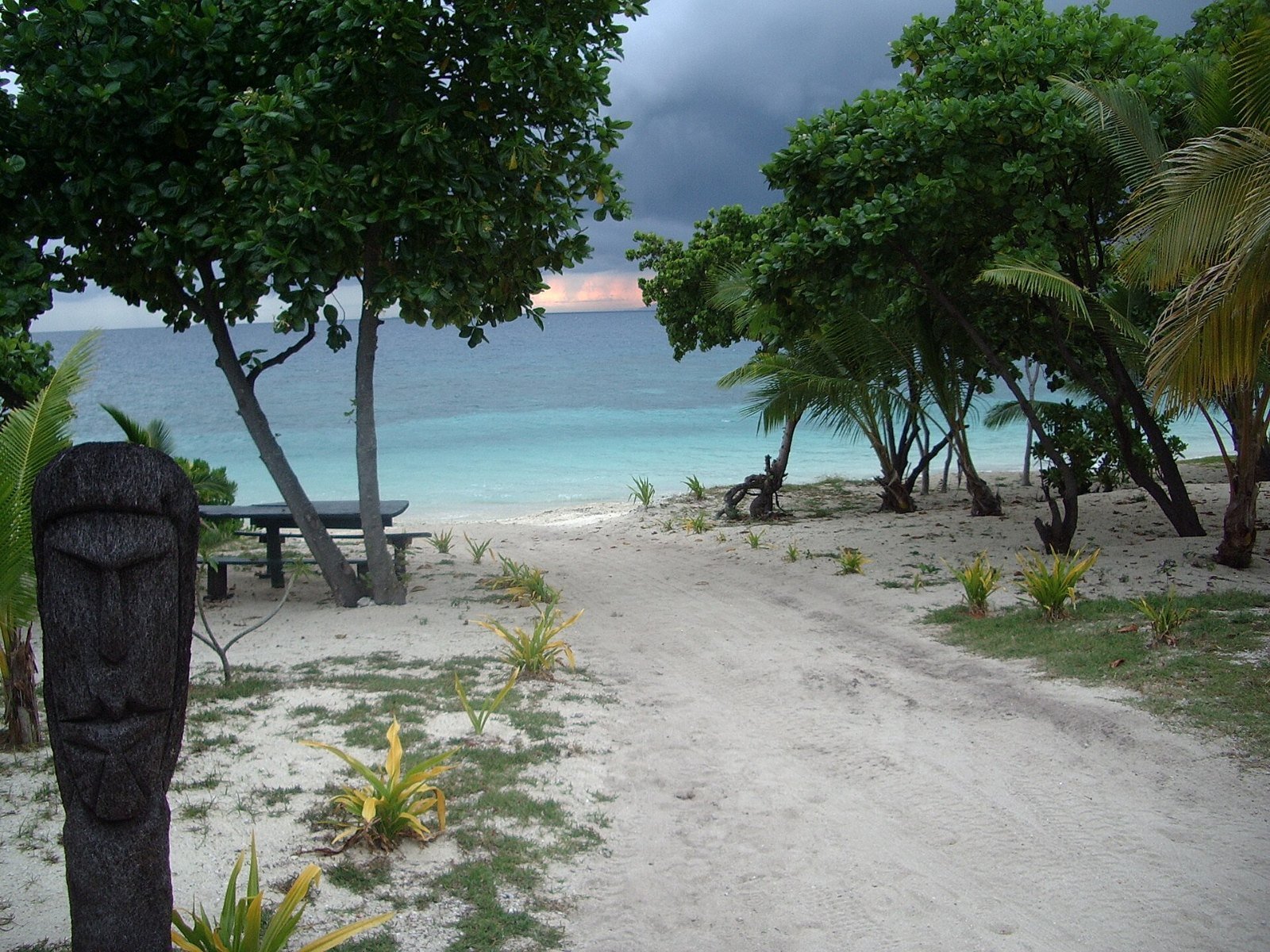
Illustrative island photograph. Not a photograph of the resorts compared below.
Fiji vs Maldives
Choosing between Fiji and the Maldives is one of the happiest dilemmas in luxury travel — two tropical icons that photograph almost identically yet feel completely different on the ground. This guide focuses on the practical trade-offs specifically for luxury travelers deciding where to spend a high-value honeymoon, anniversary or milestone escape, comparing seclusion, culture, cost, access and the overwater-villa experience side by side so you can book the one that fits your trip rather than the one that trends on your feed.
| Factor | Maldives | Fiji |
|---|---|---|
| Signature stay | Overwater villas, one-island-one-resort | Beach bures, volcanic islands, some overwater |
| Best for | Seclusion & pure beach downtime | Culture, adventure & families |
| Access from Asia | 4–5 hrs + seaplane | 12–16 hrs via AU/NZ/HK |
| Scenery | Flat coral atolls, turquoise lagoons | Lush volcanic peaks, jungles, reefs |
| Culture | Resort-focused, limited local contact | Rich, welcoming Fijian village life |
| Typical luxury week | From ~US$8,000–20,000+ | From ~US$6,000–16,000+ |
The Big Picture: Two Very Different Paradises
The Maldives is a nation of some 1,200 low-lying coral islands scattered across the Indian Ocean, where the luxury formula is refined to a single idea: one private island, one resort, your own overwater villa suspended above a lagoon. Fiji, by contrast, is a Melanesian archipelago of high volcanic islands in the South Pacific, greener and more rugged, where resorts sit on beaches backed by rainforest and the culture is front and centre from the moment a choir greets you at the jetty.
Neither is objectively better. The right answer depends on whether you want to disappear into a glassy blue bubble or trade a little seclusion for landscape, warmth and things to do. If overwater villas are your priority, our roundup of the best overwater bungalows in the Maldives and the best overwater bungalows in Fiji is a useful next stop.
Seclusion and Privacy
This is where the Maldives is genuinely peerless. Because most resorts occupy their own island, you rarely see anyone outside your resort, and villa design maximises privacy with direct lagoon access, plunge pools and staggered decks. It is the closest thing in mainstream luxury travel to having an ocean to yourself.
Fiji delivers privacy too, especially at boutique islands in the Mamanuca and Yasawa groups, but the model is different: you are more likely to share a larger island with a village, a dive centre or day-trippers. Couples chasing total isolation should look at Fiji’s small private-island resorts; those wanting guaranteed one-island seclusion will find it more consistently in the Maldives.
Scenery and the Overwater Experience
Both destinations offer the postcard lagoon, but the backdrop differs sharply. Maldivian islands are flat coral cays ringed by sandbanks — the drama is all in the water, which shades from white to jade to deep sapphire. Fiji stacks jungle-clad volcanic peaks behind the beach, with waterfalls, hiking and dramatic sunsets over silhouetted islands.
On overwater villas, quantity favours the Maldives overwhelmingly; Fiji has only a handful. If you are weighing the overwater dream more broadly, compare notes in our guide to overwater villa alternatives outside the Maldives. For a nearer-to-Asia comparison of atoll versus archipelago, our Seychelles vs Maldives breakdown is a helpful companion read.
Culture, Activities and Adventure
Fiji’s trump card is its people and culture. A traditional kava ceremony, a village visit, church singing that raises the hairs on your arms — these experiences are woven into a Fijian stay in a way the resort-island Maldives cannot easily match. Add world-class soft-coral diving, surfing at Cloudbreak, river tubing and highland treks, and Fiji becomes the clear pick for travelers who get restless lying still.
The Maldives excels at water-based luxury — snorkelling with manta rays and whale sharks, house reefs off your villa steps, sunset dolphin cruises and some of the best spa programmes on the planet. But land-based variety is limited by geography. As a rule: Fiji for doing, the Maldives for being.
Getting There: Access and Transfers
For travelers based in Asia, access is decisive. The Maldives is a short hop — around four to five hours from Singapore or Kuala Lumpur — followed by a scenic seaplane or speedboat to your island. According to Visit Maldives, the country is served by frequent direct flights from major Asian and Middle Eastern hubs.
Fiji has no direct Southeast Asian service; most routings connect through Australia, New Zealand or Hong Kong, turning the trip into a 12–16 hour affair. Tourism Fiji details the main gateways into Nadi. If your holiday time is tight, this single factor often settles the debate in the Maldives’ favour.
Cost: What a Luxury Week Really Runs
At the very top, both destinations reach the same stratospheric numbers. The difference shows in the mid-luxury band and in mandatory extras. Maldives overwater packages usually bundle seaplane transfers (often US$500–800 per person return) and full-board or all-inclusive dining because there is nowhere else to eat. Fiji offers more range, easier dining flexibility, and stronger value in the US$600–1,200-per-night bracket.
| Trip style | Maldives (per night) | Fiji (per night) |
|---|---|---|
| Entry luxury | US$700–1,100 | US$500–900 |
| Premium overwater | US$1,200–2,500 | US$1,400–2,800 (limited) |
| Ultra-luxury | US$3,000–15,000+ | US$2,500–12,000+ |
| Transfers | Seaplane US$500–800 pp | Boat/heli US$150–600 pp |
For couples building a bigger regional trip, pairing either island with a Southeast Asian city or beach can spread cost and add variety — see how we structure that in how to plan a luxury Maldives honeymoon.
Best Time to Visit Each
Their seasons are almost mirror images. The Maldives shines from November to April, its northeast-monsoon dry season, with calm seas ideal for snorkelling. Fiji is at its best from May to October, the cooler, drier South Pacific winter. Travelers with fixed dates should let the calendar guide the choice: a July escape leans Fiji, a February escape leans Maldives. Reef-health and weather baselines can be sanity-checked against general Fiji geography references before you commit.
So, Which Should You Book?
Choose the Maldives if your priority is an overwater villa, maximum seclusion, short travel time from Asia and pure water-focused relaxation. Choose Fiji if you want lush scenery, genuine cultural connection, more to do, better family credentials and stronger mid-luxury value — and you can spare the longer flight. Many seasoned travelers ultimately do both, a decade apart, and never regret either.
Frequently Asked Questions
Is Fiji or the Maldives better for a honeymoon?
Both are outstanding, but they suit different couples. The Maldives is unbeatable for pure overwater seclusion, glassy lagoons and one-island-one-resort privacy. Fiji wins if you want warm Melanesian culture, lush volcanic scenery, and the option to combine beach time with waterfalls, villages and reef adventures. For a first, once-in-a-lifetime overwater stay, the Maldives edges ahead; for a more active, culturally rich escape, choose Fiji.
Which is more expensive, Fiji or the Maldives?
At the ultra-luxury tier the two overlap, but the Maldives is generally pricier once seaplane transfers and mandatory full-board dining are included. Fiji offers more mid-luxury range and easier self-catering, so a comparable week in Fiji often lands 15–30% lower than an equivalent Maldives overwater package.
How long is the flight to each from Asia?
From Southeast Asian hubs the Maldives is far closer — roughly 4–5 hours from Singapore or Kuala Lumpur. Fiji has no direct SEA flights and typically routes via Australia, New Zealand or Hong Kong, making it a 12–16 hour journey. Proximity is a major reason Maldives dominates the Asian luxury market.
Does Fiji have overwater bungalows like the Maldives?
Yes, but far fewer. A handful of Fijian resorts offer overwater villas, whereas the Maldives has hundreds across dozens of islands. If an overwater villa is non-negotiable, the Maldives gives you vastly more choice.
When is the best time to visit?
Both peak in their respective dry seasons. The Maldives is best from November to April; Fiji is driest and sunniest from May to October. Shoulder months offer lower rates with a slightly higher chance of rain.
Which is better for families with children?
Fiji is the more natural family choice, with kids clubs, cultural activities, shallow lagoons and resorts built around multi-generational travel. Many Maldives resorts are adults-focused, though family-oriented islands exist.