Bocas del Toro vs San Blas Islands 2026
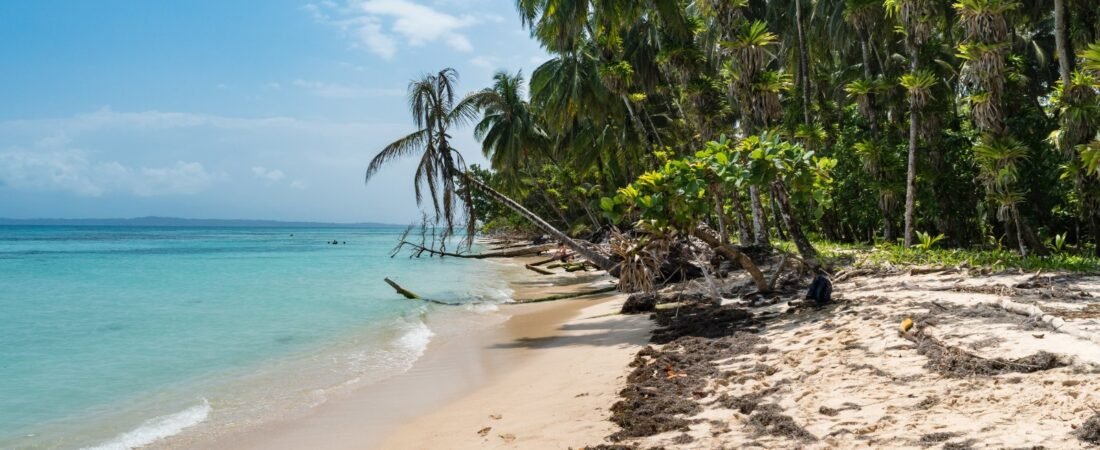
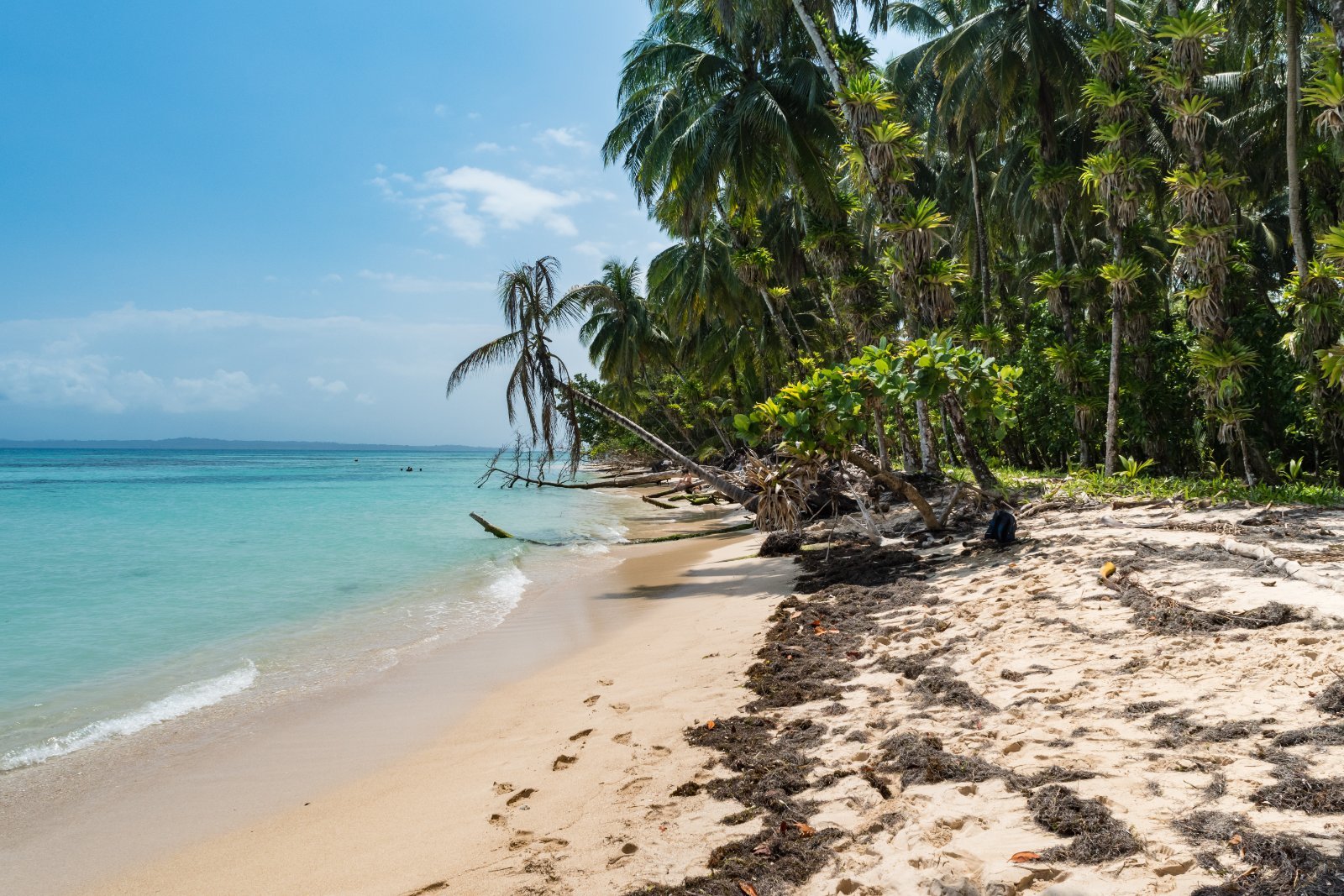
Illustrative Bocas del Toro photograph. Not a photograph of the San Blas Islands discussed below.
Panama has two very different Caribbean island destinations, and travellers often assume they are interchangeable. This guide focuses on the choice between them specifically for travellers choosing between Panama’s two main Caribbean island regions, since Bocas del Toro and the San Blas Islands (Guna Yala) differ sharply in access, lodging style and who runs the islands.
Research-based guide · Sources checked 8 October 2026. This is not a first-hand stay review or a ranking based on guest scores.
The core difference: resort infrastructure vs. indigenous-run islands
Bocas del Toro has an airport, a town, dive shops and a range of hotels from backpacker to boutique. The San Blas Islands are the autonomous territory of the Guna people (Guna Yala), with no large resorts; accommodation is almost entirely small, family-run cabins on islands the Guna themselves own and manage. If you want restaurants, nightlife and hotel amenities, Bocas fits better. If you want a simpler, culturally immersive island stay, San Blas fits better.
Side-by-Side Comparison
| Factor | Bocas del Toro | San Blas Islands (Guna Yala) |
|---|---|---|
| Getting there | ~1-hour flight from Panama City (Albrook) to Isla Colón | Small-plane flight to a Guna airstrip, or a 4×4 drive to Carti plus boat |
| Accommodation | Hotels and lodges from simple to boutique; some overwater bungalows | Small Guna-run cabins, mostly basic, often no air conditioning |
| Who manages the islands | Panamanian national administration, private landowners | Guna Yala, an autonomous indigenous territory |
| Typical activities | Diving, snorkelling, surfing, jungle lodges, town nightlife | Island-hopping by boat, swimming, Guna cultural visits, sailing trips |
| Connectivity | Reasonably reliable in Bocas Town; patchy on outer islands | Very limited; many islands have little to no signal |
How each destination is run
Bocas del Toro is part of mainland Panama’s provincial administration, which is why it has conventional infrastructure — an international-style small airport, paved streets in Bocas Town, and privately owned hotels. The San Blas Islands are different: they form Guna Yala, a comarca (autonomous territory) governed by the Guna people under their own authority, and tourism there runs through Guna-owned lodges and guides rather than outside hotel chains.
Read the official tourism board page on Guna Yala / San BlasComfort level and what to expect from a room
Expect a real range of comfort in Bocas, from simple guesthouses to boutique lodges such as Red Frog Beach Island Resort on Isla Bastimentos or overwater rooms at Punta Caracol Acqua Lodge near Isla Colón. In San Blas, cabins are typically simple wooden or thatched structures without air conditioning, run directly by Guna families or cooperatives, such as those listed by Kuanidup; the appeal is the setting and cultural access, not hotel-style amenities.
Access and how much travel time to budget
Bocas is the easier of the two to reach: a roughly one-hour flight from Panama City, or a longer overland-plus-boat route. San Blas access usually means a small aircraft to a Guna-run airstrip, or a rougher 4×4 transfer to the coastal village of Carti followed by a boat crossing; either way, build extra schedule flexibility around weather delays, which are common for both routes.
See independent planning notes on reaching the San Blas IslandsWhich one actually suits your trip
Choose Bocas del Toro if you want diving infrastructure, a range of hotel styles and a town base with restaurants and nightlife. Choose San Blas if the priority is a simple, remote, culturally distinct island experience and you are comfortable with basic facilities and limited connectivity. Some itineraries combine a few nights in each, though the overland connection between them is long and not a casual day trip.
Start with the full Bocas del Toro travel guideFood, water and daily comfort. Bocas Town has grocery stores, a real restaurant scene and reliably available bottled water. In San Blas, meals are typically included with your cabin stay and prepared by your host family, often featuring freshly caught fish and coconut-based dishes; variety is more limited, and most cabins run on generator power for only part of the day, so pack accordingly if you rely on charging devices overnight.
Booking logistics and who you pay. In Bocas, you can typically book flights, hotels and tours separately through normal booking channels. In San Blas, most trips are sold as a package by a tour operator or directly by a Guna-run lodge, often bundling transport, meals and a set island-hopping itinerary; this is partly a function of the territory’s self-governance, and partly how Guna communities have structured tourism revenue to stay within the comarca rather than flowing to outside hotel owners.
A note on respectful visiting. Guna Yala is a sovereign indigenous territory within Panama, not simply a scenic backdrop, and the Guna control tourism on their own terms, including photography permissions and a community-set visitor fee on many islands. Bocas del Toro does not have this same structure, since it falls under standard provincial administration; either way, check current local guidance with your operator before you travel.
Group size and trip pacing. Bocas suits both solo travellers and larger groups comfortably, with enough independent hotels and restaurants to absorb a bigger party. San Blas trips are usually organised in smaller groups per boat and per cabin cluster, which can mean a more intimate pace but less flexibility to peel off and do your own thing mid-trip.
Compare independent planning resources for San BlasHow each destination developed its tourism. Bocas del Toro’s tourism grew up around its existing Afro-Caribbean town, the natural harbour that made it a banana-export port historically, and later a surf and backpacker scene that gradually added boutique lodges. San Blas tourism developed differently: the Guna people secured recognised autonomy over their territory in the early 20th century and have since controlled how outside visitors and operators engage with their islands, deliberately limiting large-scale resort development.
Who tends to choose each destination. Divers, surfers and travellers who want a social home base with restaurants and nightlife options tend to gravitate to Bocas. Travellers prioritising a remote, unplugged, culturally immersive trip, including sailing-charter passengers transiting between Panama and Colombia through San Blas waters, tend to choose Guna Yala.
Environmental and cultural preservation differences. Both regions face real environmental pressure — coral stress and coastal development concerns in Bocas, and reports of rising sea levels affecting some low-lying San Blas islands. The Guna’s self-governance has kept San Blas free of large resort construction, while Bocas has seen more conventional tourism development pressure typical of a province open to outside investment.
A rough cost-shape comparison. Rather than quoting specific rates that change by season and operator, it helps to compare cost shape: Bocas trips are usually à la carte, so your total cost scales with how upscale a lodge you pick and how many add-on tours you book. San Blas trips are usually sold as a fixed multi-day package per person, so the total is more predictable upfront but harder to trim once booked.
What each destination is not. Bocas del Toro is not a wilderness escape in the way San Blas is — expect a real town with traffic, music and tourism infrastructure. San Blas is not a honeymoon-luxury destination in the way Bocas’ boutique lodges can be — expect simple cabins, not turndown service or a spa menu. Setting the right expectation for each avoids disappointment on either side.
If you can only pick one. For a first Panama trip with limited time, most travellers get more out of Bocas del Toro simply because the infrastructure matches a shorter visit better — easier flights, more flexible bookings and a wider range of things to do if weather or energy levels change mid-trip. Save San Blas for a trip where a slower, more deliberate pace and a smaller, fixed itinerary are themselves part of the appeal, rather than defaulting to it simply because the photographs look dramatic online.
Frequently Asked Questions
Can I visit both Bocas del Toro and San Blas on one trip?
It’s possible but requires real planning: there is no quick direct route between them, and most travellers fly back through Panama City between the two rather than travelling overland directly.
Which destination is better for diving?
Bocas del Toro has established dive shops, a marine park and more consistent infrastructure for certification courses and multi-day diving. San Blas offers snorkelling and boat-based swimming more than structured dive operations.
Is San Blas more expensive or cheaper than Bocas?
Costs vary by operator, but San Blas packages are often sold as all-inclusive multi-day boat-and-cabin trips, while Bocas lets you mix and match flights, hotels and activities independently; compare total package cost rather than a single nightly rate.
Do I need a guide in the San Blas Islands?
Most visits are arranged through a tour operator or lodge because the Guna manage access to their own territory; independent, unarranged travel is uncommon and logistically difficult.
Is there air conditioning in San Blas accommodation?
Rarely. Most Guna-run cabins rely on sea breeze and are built from local materials without air conditioning, which is part of the simpler, lower-impact experience the islands are known for.
Which destination has better connectivity for remote work?
Bocas Town is the more realistic option for any connectivity needs; San Blas islands generally have very limited or no signal, which is part of the appeal for a true digital break.
For Bocas-specific planning, see our best-time-to-visit breakdown and luxury resort shortlist. Confirm current access requirements and any community fees for Guna Yala directly with your tour operator before booking.