Best Time to Visit Bocas del Toro 2026
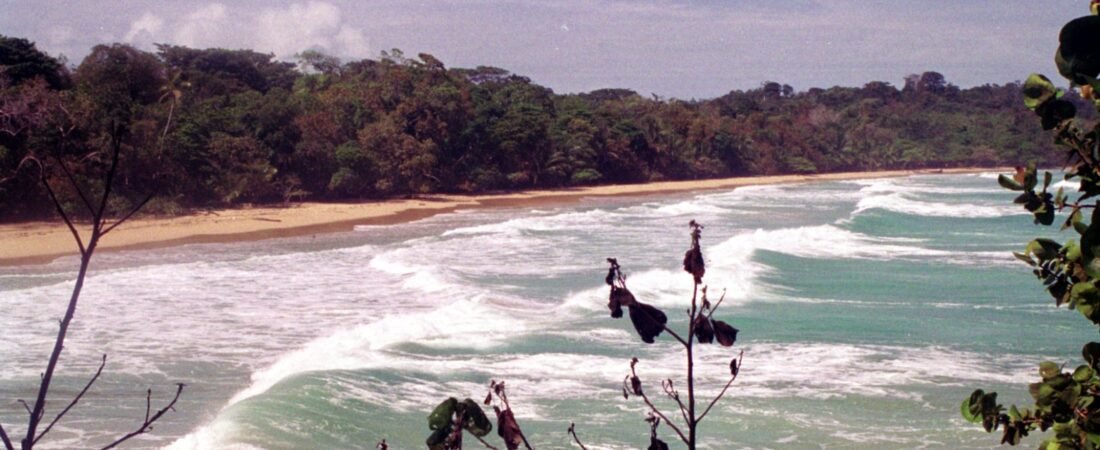
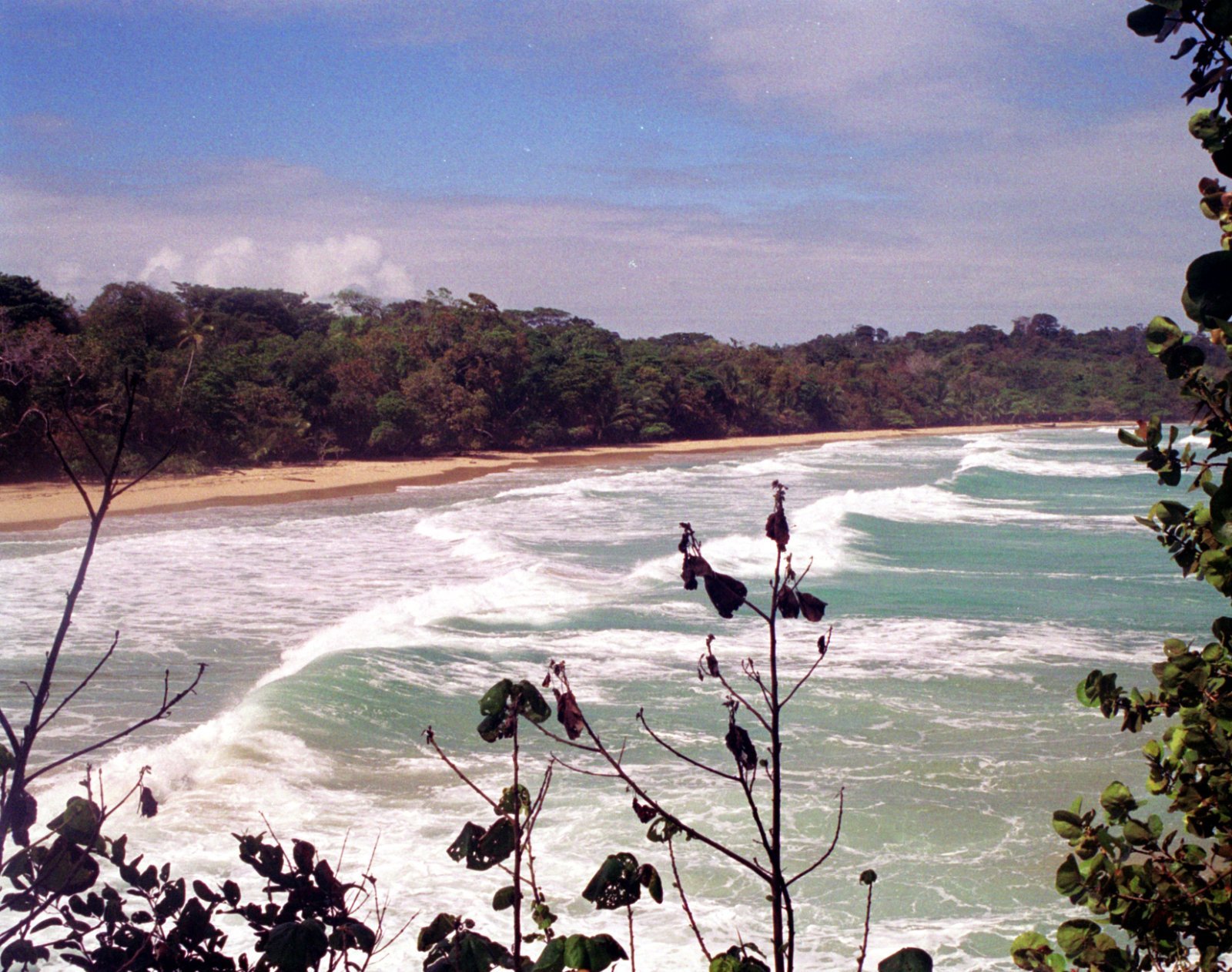
Illustrative beach photograph. Seasonal conditions described below vary by month.
Panama’s Caribbean coast does not have a single clean dry season the way the Pacific side does. This guide focuses on Bocas del Toro specifically for travellers weighing diving conditions and rainfall against hotel prices, since the archipelago’s weather is split into a wetter main season and two shorter, drier windows worth planning around.
Research-based guide · Sources checked 8 October 2026. This is not a first-hand stay review or a ranking based on guest scores.
Target the short dry windows, not a single dry season
Bocas del Toro’s Caribbean-side climate gets rain in most months, but two shorter, comparatively drier windows — roughly September to October and February to March, locally called the “veranillo” — tend to bring calmer seas and better underwater visibility than the wetter months. Treat any specific date range as a planning guide, not a guarantee, and check a short-range marine forecast closer to your trip.
Seasonal Overview
| Period | General pattern | Best for |
|---|---|---|
| February – March | Shorter dry spell (veranillo); generally calmer seas | Diving, snorkelling, island-hopping |
| April – August | Wetter, with frequent afternoon showers | Lush scenery, fewer crowds, lower rates |
| September – October | Second shorter dry spell; often the clearest water of the year | Diving and snorkelling visibility |
| November – January | Wettest and roughest-sea period on the Caribbean coast | Budget stays; expect boat-transfer delays |
Why Bocas del Toro’s seasons differ from Panama’s Pacific coast
Panama’s Pacific beaches follow a fairly conventional December-to-April dry season. The Caribbean side, where Bocas del Toro sits, receives rain in most months because it faces the trade winds directly. That is why operators and the official tourism board describe two shorter drier windows rather than one long dry season.
See the official tourism board overview of Bocas del ToroPlanning around rain, not avoiding it entirely
Expect short, heavy afternoon downpours rather than all-day grey skies for most of the year. Many visitors still enjoy a trip in the wetter months by building a flexible itinerary — mornings for boat tours and beaches, afternoons for Bocas Town’s restaurants and bars if a shower rolls in.
Hurricane and storm risk
Panama sits south of the main Atlantic hurricane belt, so direct hurricane strikes are rare. The Caribbean coast can still see rough seas and heavy rainfall from the broader Atlantic storm season, particularly October through December, which can delay the small boats used between islands. Build a buffer day into any itinerary during these months, and check the current Atlantic outlook if you are travelling during the official hurricane season (June through November).
Check the current Atlantic season outlook from the US National Hurricane CenterMatching season to your main activity
If diving or snorkelling visibility is the priority, lean toward the February–March or September–October windows. If a lower hotel rate and quieter beaches matter more than underwater visibility, the wetter mid-year months can work well, especially paired with flexible, rain-friendly activities.
Review island-by-island options in the full Bocas del Toro guideHow sea conditions affect inter-island transfers. Because every hotel transfer between islands relies on an open boat, rougher seas during the wetter months do not just affect comfort — they can shorten or delay the day’s schedule. Lodges on Isla Bastimentos and the outer cays are more exposed to swell than properties tucked into the calmer channels near Bocas Town, so factor this in if you are travelling with anyone prone to seasickness or booking a tight multi-stop itinerary. A transfer that normally takes fifteen minutes can take noticeably longer, or be postponed to a calmer window later in the day, during the wettest weeks of the year.
Shoulder-season value without the heaviest rain. The edges of the two drier windows — late January into February, and late August into September — often offer a reasonable middle ground: rates have not yet climbed to peak levels, crowds are thinner than in the busiest weeks, and rainfall is usually lighter than the core wet months. Treat this as a general pattern rather than a fixed rule, since year-to-year variation is real on this coast and any single week can over- or under-perform the average.
Checking conditions closer to your trip. Longer-range seasonal patterns are a planning tool, not a forecast. In the final one to two weeks before travel, check a marine or general weather forecast for Bocas del Toro directly, and ask your hotel about current sea conditions and whether any inter-island transfers have been running late. Dive operators in particular will usually give a frank read on recent visibility if you contact them ahead of booking a multi-day package.
Temperature and humidity year-round. Unlike rainfall, temperature in Bocas del Toro stays fairly consistent across the year, typically warm and humid with daytime highs in the low-to-mid 30s Celsius. Pack for heat and humidity regardless of which season you choose, and treat the seasonal guidance above as mainly about rain and sea state rather than temperature.
Cross-check seasonal notes on the official tourism board sitePublic holidays and local events. Panamanian public holidays, especially around Carnival (February or March, dates shift with the calendar) and the November independence holidays, can push domestic travel and hotel demand up across the country, including Bocas del Toro. Checking the national holiday calendar alongside the seasonal weather pattern can help you avoid an unexpectedly booked-out week.
Comparing timing to Panama’s Pacific beaches. If you are also considering Pacific-side Panama destinations on the same trip, keep in mind their dry season (roughly December to April) does not line up neatly with Bocas del Toro’s shorter Caribbean-side dry windows. A single trip covering both coasts may need to compromise on timing for one side or the other.
How far ahead to book around the drier windows. Because the upscale lodge count in Bocas is relatively small, the February–March and September–October windows can sell out popular properties well in advance. Booking three to six months ahead is a reasonable target if you have a specific lodge in mind for one of these periods.
How this compares to other Caribbean seasons. Travellers familiar with a classic Caribbean dry season (roughly December to April in much of the wider Caribbean basin) sometimes assume Bocas del Toro follows the same calendar. It largely does not: Panama’s southern-Caribbean position and local geography produce the two-shorter-windows pattern described above instead of one long dry stretch, so carry that adjustment into your planning rather than defaulting to a generic Caribbean-season assumption.
Group trips and flexible dates. If you are coordinating a trip across several travellers with fixed holiday dates, prioritise locking in accommodation at your preferred lodge over chasing the theoretically best weather week, since a good property with a slightly less ideal weather window usually beats an available weather window with no good rooms left.
Reading local signs of an approaching dry spell. Locals and long-term residents in Bocas Town often watch for a run of consecutive clear mornings and a shift in wind direction as an informal sign the veranillo is beginning, a few days before official seasonal averages would suggest it. This is not a substitute for a real forecast, but it explains why residents sometimes have a better short-term read on conditions than a generic seasonal chart.
Planning a dive-certification trip around timing. If the goal is a multi-day certification course rather than a single dive, building in one or two buffer days around your chosen window gives the dive shop room to reschedule a session if a particular day’s conditions are too rough, without derailing the whole course.
Combining a wetter-month trip with indoor options. A wetter-month trip does not have to mean a washed-out holiday. Bocas Town has enough restaurants, a small museum on local history, and covered market areas to fill an unexpected rainy afternoon, which is worth knowing if you are booking the lower-rate months on purpose.
A final word on managing expectations. No month in Bocas del Toro guarantees wall-to-wall sunshine, and no month guarantees constant rain either. Treat every figure in this guide as a seasonal tendency to plan around, confirm specifics with your lodge close to departure, and build enough flexibility into the itinerary that one rainy afternoon does not define the whole trip.
Frequently Asked Questions
Is there a true dry season in Bocas del Toro?
Not in the way the Pacific coast has one. Expect rain in most months, with two comparatively drier windows around February–March and September–October.
What is the wettest month in Bocas del Toro?
November through January tend to bring the heaviest rainfall and roughest inter-island boat crossings on this stretch of coast.
Does Bocas del Toro get hurricanes?
Direct hurricane hits are uncommon because Panama sits outside the main Atlantic hurricane track, but heavy rain and swell from the wider storm season can still disrupt boat transfers.
When are hotel rates lowest in Bocas del Toro?
Rates are generally softer during the wetter mid-year months (April–August) and around the heavy-rain period at year end, when fewer travellers book diving-focused trips.
Can I still dive in Bocas del Toro during the wetter months?
Yes, but visibility is typically lower than during the drier windows. Ask your chosen dive operator about recent conditions before booking a multi-day package.
Does rain affect the whole day, or just part of it?
Most rain on this coast falls as shorter, heavier showers rather than continuous all-day rain, so many visitors still get usable beach and boat time even outside the drier windows.
Once you have a season in mind, compare island bases in the Bocas del Toro travel guide, or see how the timing compares with Panama’s other Caribbean archipelago in our Bocas del Toro vs San Blas Islands breakdown.