Huahine Travel Guide 2026: Tahiti’s Quiet Garden Isle
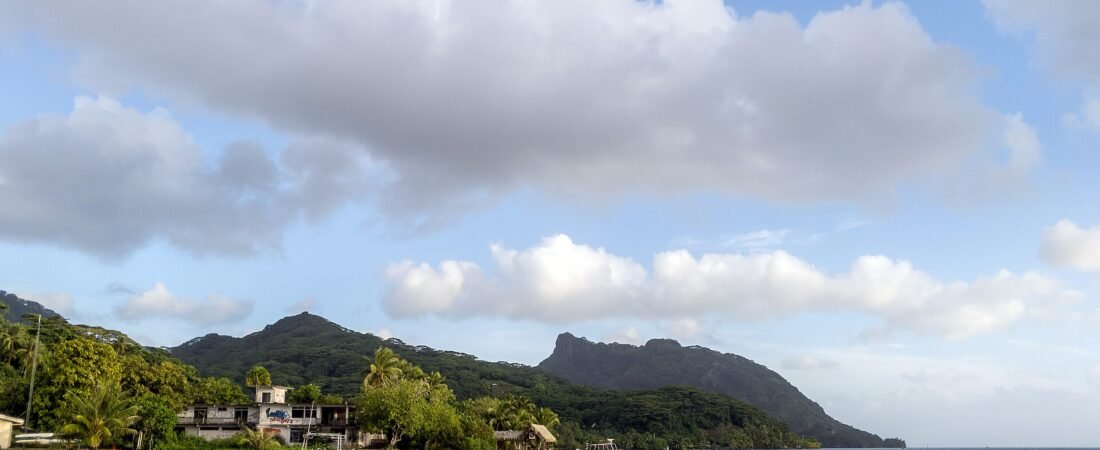
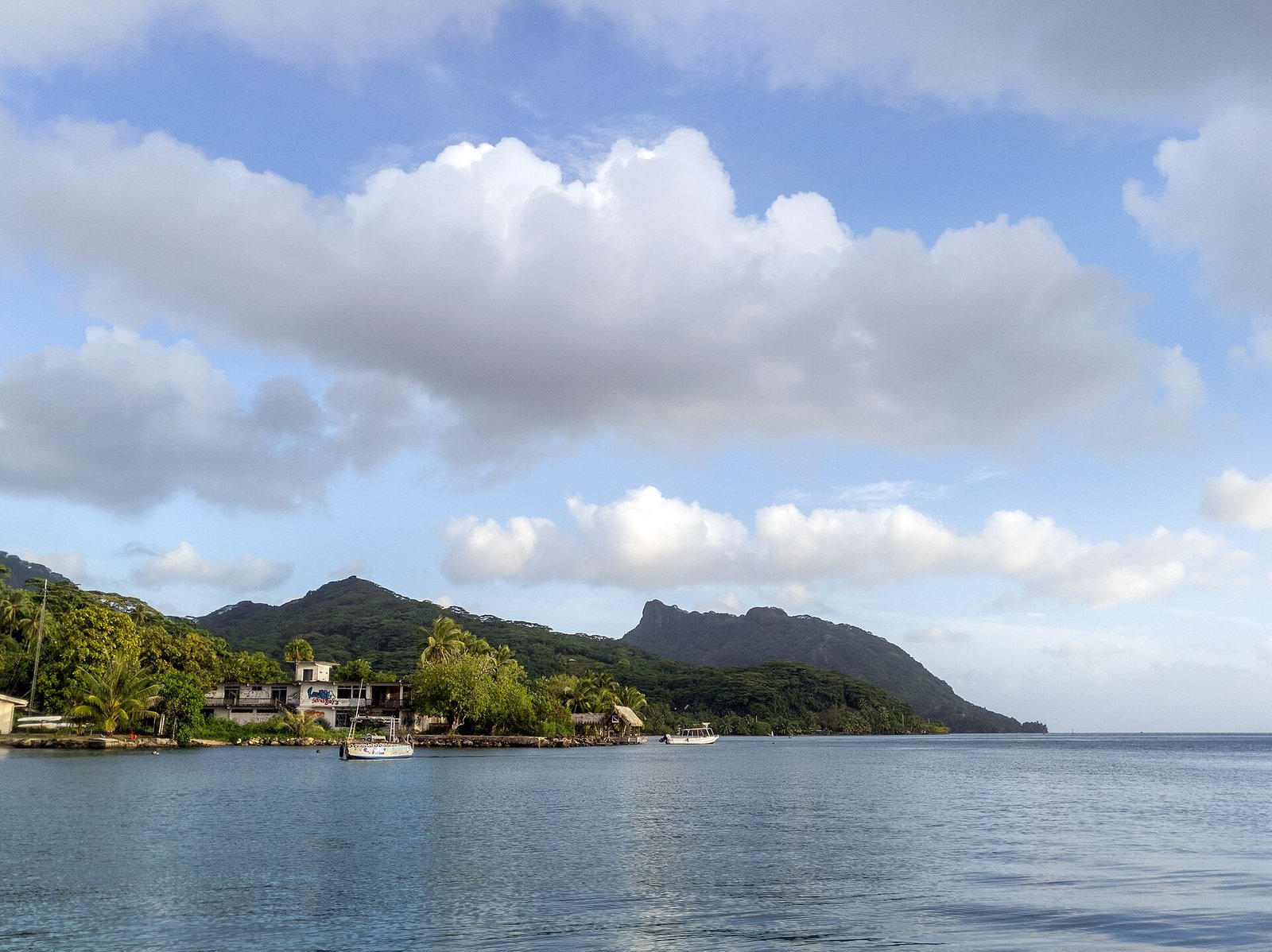
Lagoons, marae and vanilla farms without the Bora Bora crowds · Photo: Matthew Dillon from Hollywood, CA, USA / Wikimedia Commons, CC BY 2.0
TL;DR: Huahine is the Society Islands pick for travellers who want lagoon swimming, Polynesian archaeology and village life rather than overwater-villa glamour; fly 35–40 minutes from Papeete, stay 4–5 nights, and base yourself at Avea Bay for beaches or near Fare for restaurants.
Most first trips to French Polynesia follow the same arc: a night in Papeete, a few days on Moorea, then the big splurge on Bora Bora. Huahine sits right between those islands on the Air Tahiti route map, yet it receives a fraction of their visitors. Locals call it the “garden island” or the “wild woman” of the Society Islands, and the nickname fits: there are no high-rise hotels, few chain brands and long stretches of road where the only traffic is a farmer on a scooter.
This guide focuses on Huahine specifically for couples and independent travellers who have already seen (or deliberately want to skip) the overwater-villa circuit and want a slower, more authentic Polynesian island with boutique-level comfort. We cover how to get there, how the two halves of the island differ, where to stay, what to do, when to go and how Huahine stacks up against its better-known neighbours.
Research-based guide · Sources checked October 2026. Prices, schedules and policies change, so confirm directly before booking.
Why Huahine Is Different
Huahine is actually two islands — Huahine Nui in the north and Huahine Iti in the south — joined by a short bridge across a narrow channel and enclosed by one shared lagoon. The landmass is small enough to circle by car in an afternoon, but the interior is steep, green and largely uncultivated, which gives the island a far wilder feel than its size suggests.
What sets it apart is the combination of cultural depth and low development. The village of Maeva, on the shores of Lake Fauna Nui, holds one of the densest concentrations of ancient marae (ceremonial stone platforms) in French Polynesia, and the island has been the site of important archaeological digs into early Polynesian settlement. At the same time, accommodation is limited to a handful of small hotels, family-run pensions and private villas, so even in peak season the beaches feel uncrowded.
For luxury-minded travellers this is a trade-off worth understanding up front. You will not find the butler service or the dozen restaurants of a Bora Bora mega-resort. You will find quieter water, warmer local encounters and a lower nightly spend — which many couples happily redirect into an extra few nights or a splurge elsewhere on the itinerary.
How to Get to Huahine
The practical route is by air. Air Tahiti operates flights from Faa’a International Airport in Papeete to Huahine Airport (near Fare on Huahine Nui), with a flight time of roughly 35–40 minutes. Huahine is also linked directly to Raiatea, Bora Bora and Moorea on many schedules, which makes it easy to slot into an island-hopping loop rather than treating it as a dead end.
If you plan to visit several Society Islands, look at Air Tahiti’s multi-island air passes, which bundle sectors at a lower combined fare than buying each flight separately. Inter-island ferries and cargo-passenger boats also call at Huahine on certain days, but schedules are irregular and crossings from Tahiti take many hours, so they suit adventurous travellers with flexible plans more than couples on a tight honeymoon timeline.
Once on the island, rent a car or an e-bike. There is no meaningful public transport, taxis are scarce, and the best beaches and archaeological sites are spread around the coast road. Most hotels can arrange a rental and airport pick-up in advance.
Huahine Nui vs Huahine Iti: Where to Base Yourself
Huahine Nui (north) is home to Fare, the island’s main village, with its waterfront snack bars, small supermarket, dive centres and the airport a few minutes away. Staying near Fare means easy dinners, the best access to Maeva’s marae and Lake Fauna Nui, and the famous surf break at the reef pass just offshore. Maitai Lapita Village, a small hotel of bungalows set among ponds and gardens near Fare, is the best-known upscale option in this area.
Huahine Iti (south) is quieter and more rural, with the island’s best sandy beaches around Avea Bay and the motu (islets) near Parea. This is where you come to swim, paddleboard and do very little. Le Mahana, a beachfront hotel on Avea Bay, is the main hotel here, alongside a scattering of pensions and private villas with their own pontoons. The trade-off is distance: Fare is roughly a 30–40 minute drive away, so plan on eating where you stay most nights.
A simple rule of thumb: first-timers who want variety should split their stay or base near Fare; honeymooners and beach-first travellers should go straight to Avea Bay.
Huahine vs Other Society Islands at a Glance
If you are deciding where Huahine fits in a wider French Polynesia trip, this comparison shows the main differences. For deeper detail on the alternatives, see our Tahiti vs Bora Bora comparison.
| Island | Overall vibe | Flight from Papeete | Typical stays | Best for |
|---|---|---|---|---|
| Huahine | Wild, rural, culturally rich | ~35–40 min | Boutique hotels, pensions, villas | Slow travel, culture, quiet lagoons |
| Bora Bora | Iconic, polished, busy | ~50 min | Large luxury resorts, overwater villas | Bucket-list honeymoons |
| Moorea | Dramatic peaks, easygoing | Short ferry or flight | Mix of resorts and guesthouses | Short trips, hiking, families |
| Taha’a | Sleepy, vanilla-scented | Via Raiatea + boat | Private-motu luxury resorts | Secluded luxury |
| Raiatea | Sailing hub, spiritual heart | ~45 min | Small hotels, yacht charters | Sailing and Taputapuatea marae |
Huahine works especially well as the “decompression” stop at the start or end of a trip — two or three nights here after the bustle of Papeete makes a more expensive Bora Bora stay feel even more special.
Best Things to Do on Huahine
The island rewards curiosity rather than a packed schedule. These are the experiences most worth building your days around:
- Maeva marae and Lake Fauna Nui: Walk among restored stone platforms that once formed the ceremonial centre of the island’s chiefly families, and look out for the ancient stone fish traps still visible in the channel.
- The sacred blue-eyed eels of Faie: In the village of Faie, large freshwater eels with striking pale eyes live in the river and are considered sacred. It is a quirky, much-loved stop on any island drive.
- Lagoon tours by outrigger or boat: Half- and full-day tours typically combine snorkelling coral gardens, a motu picnic and visits to a pearl farm. They are the easiest way to see the lagoon’s best spots without your own boat.
- Vanilla and pearl farms: Small family farms grow Tahitian vanilla, and a pearl farm on the lagoon near Faie explains how black pearls are cultured — a far more personal place to buy than resort boutiques.
- Diving and surfing: Dive centres near Fare run trips to the outer reef and passes, where sharks, rays and turtles are regular sightings. Experienced surfers come for the powerful reef pass break; it is not a beginner wave.
- Avea Bay beach days: Paddleboard, swim and watch the sunset from one of the island’s few long stretches of sand on Huahine Iti.
When to Visit, How Long to Stay and Practical Tips
Like the rest of the Society Islands, Huahine has two broad seasons. The cooler, drier months from roughly May to October bring lower humidity, steadier trade winds and the most reliable sunshine — this is peak season, so book flights and the small number of good rooms early. July and August overlap with European holidays and the Heiva cultural festival period in Tahiti, which pushes demand up across the islands.
From November to April the weather is hotter and more humid, with heavier rain showers and a higher risk of tropical storms. Showers are often short, prices can soften and the island feels even emptier. Humpback whales migrate through Society Islands waters roughly from July to November, so the shoulder months of September and October are a particularly good balance of weather, value and wildlife.
Check current entry requirements and seasonal advice on the official Tahiti Tourisme site before you book.
Four to five nights is the sweet spot. Two nights feels rushed once you account for flight times, while a week suits travellers who genuinely want to slow down with a book and a paddleboard.
Day 1: Arrive, pick up your rental car and settle in; sunset drinks in Fare. Day 2: Full-day lagoon tour with snorkelling and motu picnic. Day 3: Drive the island loop — Maeva marae, Faie eels, a vanilla farm and the pearl farm. Day 4: Beach and paddleboard day at Avea Bay, or a morning dive. Day 5: Slow breakfast and onward flight to Bora Bora or Raiatea.
If you are combining islands, our Bora Bora island-hopping guide explains how Huahine, Raiatea and Taha’a fit together, and our Tahiti luxury resorts guide helps with the Papeete end of the trip.
A few practical points make a stay smoother:
- Carry some cash in French Pacific francs (XPF); smaller pensions, roadside fruit stalls and snack bars may not take cards.
- Stock up at the supermarket in Fare if you are staying on Huahine Iti or in a villa, as shops in the south are limited.
- Bring reef-safe sunscreen, reef shoes and a light rain jacket — showers can roll through even in the dry season.
- Restaurants are few and often close early or on certain days; reserve dinner, especially on Sundays.
- Respect marae sites: do not climb on the stone platforms or move stones, and ask before photographing people in villages.
For background on the island’s geography and history, the Huahine entry on Wikipedia is a useful starting point.
Key Takeaways
- Huahine is the quiet, culturally rich alternative to Bora Bora, best for slow travel rather than resort glamour.
- Fly 35–40 minutes from Papeete with Air Tahiti and rent a car — there is no practical public transport.
- Base near Fare for convenience and culture, or at Avea Bay on Huahine Iti for the best beaches.
- May to October is the driest period; September and October add humpback whale season and better value.
- Plan 4–5 nights and pair Huahine with Bora Bora, Raiatea or Taha’a for a balanced Society Islands loop.
Frequently Asked Questions
Is Huahine worth visiting compared with Bora Bora?
Yes, if you value authenticity and quiet over polished resort facilities. Huahine has a similar lagoon setting with far fewer visitors, rich archaeology and lower prices, while Bora Bora is better for iconic overwater villas and full-service luxury.
How do you get to Huahine from Tahiti?
Most travellers take an Air Tahiti flight from Papeete, which takes roughly 35–40 minutes. Inter-island ferries and cargo boats also run on some days, but schedules are irregular and the crossing is much longer.
Are there overwater bungalows on Huahine?
Huahine is mainly known for beachfront and garden bungalows, boutique hotels, pensions and villas rather than large overwater-villa resorts. If an overwater villa is essential, combine Huahine with Bora Bora or Taha’a.
How many days do you need on Huahine?
Four to five nights lets you do a lagoon tour, drive the island loop, see the marae and still have full beach days. Two nights is possible but feels rushed once flights are factored in.
What is the best month to visit Huahine?
September and October are a strong choice, combining dry-season weather, humpback whale sightings and slightly softer demand than July and August. May and June are also pleasant and less busy.
About the Author
This guide was researched by the LuxStay editorial team — curating luxury island and Southeast Asia stays, updated regularly with on-the-ground verification.