Maratua Island Travel Guide 2026
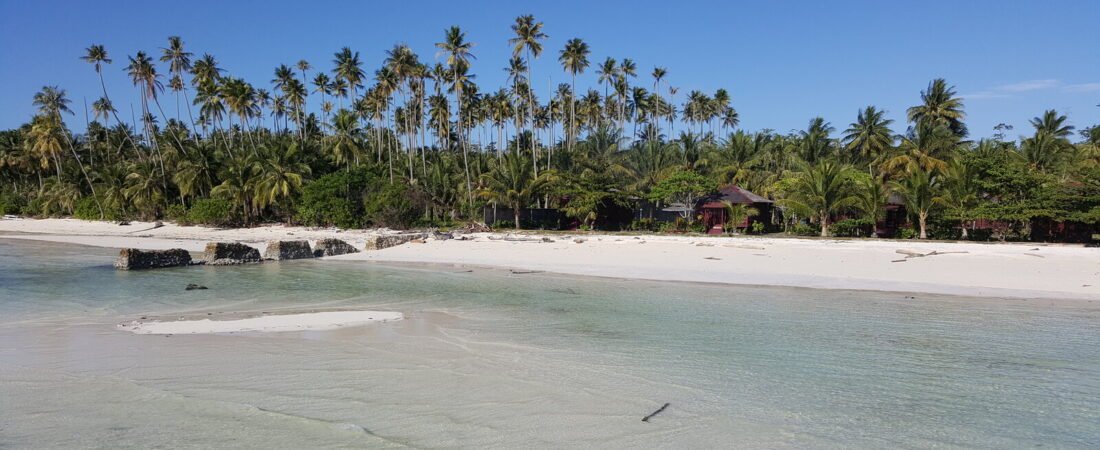
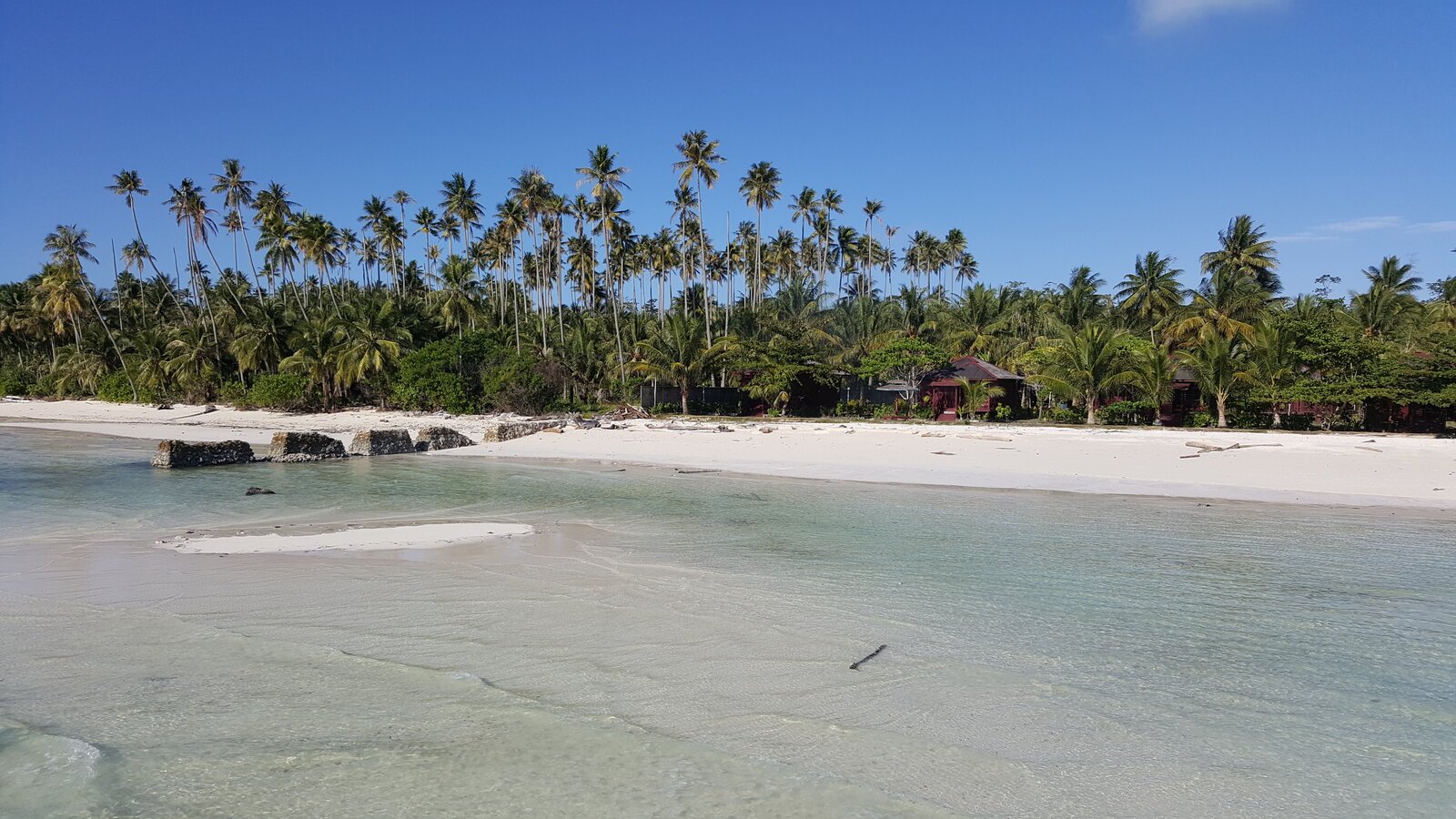
Maratua is the outer atoll of East Kalimantan’s Derawan Archipelago: a ring of white sand and reef wrapped around a deep, turquoise lagoon, with a fraction of the visitor numbers of Bali or the Gili Islands. This guide focuses on Maratua Island specifically for travelers planning a diving- or nature-first trip to Indonesian Borneo, rather than a quick stopover tacked onto a wider Kalimantan itinerary. If you’re coming from Bali, Lombok or the more established parts of Indonesia’s tourist trail, expect the pace, infrastructure and overall feel of a trip here to be noticeably different, in ways that reward some extra planning. It covers how to physically get there, what kind of lodging actually exists on the island, what fills the days once you’ve arrived, and the trade-offs against neighboring Derawan Island.
Independent research guide, updated for the 2026 season. Flight schedules, boat prices and resort availability change often in this region, so confirm specifics directly with operators before booking.
Should you go to Maratua or Derawan Island?
Maratua has the better reef walls, clearer water and a calmer, more remote atmosphere spread across several small villages. Derawan Island itself is easier and cheaper to reach, with more budget homestays packed onto a smaller, more social stretch of beach. If you’re undecided, read our dedicated Maratua vs Derawan comparison before booking lodging, since switching islands mid-trip means another boat transfer and, often, another night’s accommodation.
Where Is Maratua Island, and Why Go
Maratua sits roughly 45 nautical miles off the coast of Berau Regency, East Kalimantan, as the outermost atoll in the Derawan Archipelago alongside Derawan, Sangalaki and Kakaban. Geologically it’s an uplifted coral atoll rather than a volcanic island, which is why its lagoon is unusually deep and clear even close to shore, and why the surrounding reef wall drops off so sharply just offshore. According to Indonesia’s official tourism board, the Derawan Archipelago is promoted as one of the country’s priority marine destinations, alongside Raja Ampat and Komodo, precisely because of this reef quality, though it receives a fraction of the visitor volume of those better-known parks.
The island itself is split into several small villages, Payung-Payung, Bohe Silian, Bohe Bukut and Teluk Alulu, connected by a single ring road that loops the atoll. Most dive lodges cluster near Payung-Payung and the small airstrip, while the more traditional stilt-house villages sit further around the ring. There is no town center in the way a Bali beach town has one; Maratua is intentionally low-key, and that’s the point for most people who make the trip.
Compared with better-known Indonesian dive hubs, Maratua still feels under-the-radar: dive boats rarely queue at a site the way they can around Bali’s Nusa Penida, and it is common to have an entire wall dive to one or two buddy pairs. That relative emptiness is itself part of the draw for divers who have already done the more crowded circuits and are looking for something quieter without sacrificing reef quality.
Getting to Maratua
There is no direct international flight to Maratua. Most travelers fly to Tarakan or into Berau’s Kalimarau Airport via Balikpapan, then take a speedboat (roughly two to three hours from Tanjung Batu or Tarakan, weather dependent) to the island’s jetty. Maratua also has a small domestic airstrip with limited, irregular scheduled service, which can cut travel time when flights happen to be running, though you shouldn’t plan a trip around it.
We cover the full step-by-step routing, approximate costs and weather considerations in a dedicated how-to-get-there guide, since this is usually the part first-time visitors underestimate: it is realistic to lose most of a travel day to flight connections and the sea crossing in each direction.
Where to Stay
| Style | Typical setting | Best for | Notes |
|---|---|---|---|
| Dive resorts | Over-water or beachfront bungalows with house reef access | Certified divers, multi-day dive packages | Usually bundle meals and boat dives; book months ahead in peak season |
| Village homestays | Family-run rooms in Payung-Payung or Bohe Silian | Budget travelers, longer stays | Simpler rooms, fewer English-speaking staff, often the cheapest meals |
| Eco-lodges | Small-scale, solar or generator powered | Travelers prioritizing low-impact stays | Limited capacity; confirm power and water hours before arrival |
| Liveaboard add-on | Boat-based, Maratua as one stop among several | Divers wanting Sangalaki, Kakaban and Maratua in one trip | Fewer departures than Komodo or Raja Ampat liveaboards; book early |
For specific, bookable resort picks in the wider archipelago, see our roundups of luxury resorts in the Derawan Islands and Derawan Islands resorts in Borneo, several of which run their own boats out to Maratua’s dive sites rather than requiring a separate transfer.
Diving, Snorkeling and Day Trips
Maratua’s appeal is almost entirely underwater. The island’s outer walls drop steeply into blue water with strong but generally manageable currents, drawing schooling barracuda, reef sharks and the occasional pelagic visitor. Most dive operators also run day trips to Sangalaki for manta ray cleaning stations and nesting green turtle beaches, a species whose conservation status is tracked by the IUCN Red List, and to Kakaban for its stingless jellyfish lake, covered in full in our Kakaban Jellyfish Lake guide.
Non-divers can usually join these boats to snorkel the same general areas, though manta encounters and wall dives are naturally better experienced with scuba gear. Divers without a current certification can often complete an Open Water course locally through resort dive centers affiliated with PADI, though course availability and instructor languages vary by resort, so confirm before you commit multiple days to it.
A typical day-trip itinerary bundles two or three of these stops together: an early departure to Sangalaki for manta sightings while the water is calmest, a mid-morning stop at Kakaban for the jellyfish lake, and a final reef dive or snorkel back near Maratua before the boat returns in the afternoon. Operators usually cap group sizes fairly small, so it’s worth booking a day or two ahead rather than assuming a spot will be available on arrival, particularly from June to August when regional dive tourism peaks.
Best Time to Visit
The calmest sea conditions generally run from April to October, outside the wetter northwest monsoon months of November through March. Visibility and manta sightings at Sangalaki can vary month to month even within the dry season, so if your trip is diving-led, it’s worth checking current conditions with a resort directly before locking in dates. We go deeper on seasonal patterns across the whole archipelago, including rainfall and sea-state notes, in Best Time to Visit the Derawan Islands.
School holiday periods, both Indonesian and international, add a secondary layer on top of the weather pattern: dive resorts can book out well ahead for July, August and the end-of-year holidays even though sea conditions in those months are generally good, so plan lodging further in advance if your trip falls in one of those windows.
Practical Tips and Combining With a Wider Trip
Bring more cash than you think you’ll need: there is no reliable ATM network on Maratua, and card payments are rare outside the larger dive resorts. Mobile signal is patchy and mostly limited to village centers, so treat Maratua as a partial digital-detox stop. Pack reef-safe sunscreen, a dry bag for boat transfers, and a basic first-aid kit, since the nearest hospital-level care is back on the mainland in Berau or Tarakan.
Power can also be inconsistent outside the larger dive resorts, with some homestays running generators only part of the day, so charge phones, cameras and dive lights whenever power is available rather than assuming a reliable overnight charge. A universal adapter and a portable battery pack are worth packing as backups.
Divers sometimes pair Maratua with Malaysian Borneo’s Sipadan and Mabul dive sites or the Semporna archipelago, both reachable via a longer overland and boat connection through Sabah; it’s a demanding routing best suited to a two-week-plus trip. For a shorter visit, Maratua alone, plus Sangalaki and Kakaban as day trips, is enough to comfortably fill four or five unhurried days. For other Indonesian island pairings, see our guides to Natuna and Bangka Belitung.
FAQ
Is Maratua Island hard to reach?
It takes some planning rather than being difficult outright. Most visitors fly into Berau’s Kalimarau Airport or Tarakan, then connect by speedboat, so budget a full travel day each way. See our full routing guide for flight and boat options.
Do I need a dive certification to visit Maratua?
No. Snorkelers and non-divers can still enjoy the beaches, Kakaban’s jellyfish lake and boat trips to Sangalaki. Certified divers get access to deeper wall sites and, with an advanced ticket, Kakaban’s outer reef.
Is Maratua expensive compared to Bali or Lombok?
Lodging is often cheaper per night than comparable beachfront stays in Bali, but transport (charter boats, multi-leg flights, island-hopping permits) adds more to the total trip cost than on better-connected islands.
What is Maratua best known for?
Diving and snorkeling: manta ray cleaning stations near Sangalaki, pristine reef walls, and proximity to Kakaban’s stingless jellyfish lake, one of a small handful of such lakes in the world open to visitors (another well-known example is in Palau).
How many days should I spend on Maratua?
Four to five nights lets you fit in a Kakaban day trip, a Sangalaki manta and turtle excursion, and at least two relaxed reef dives or snorkel sessions without rushing between boats.
Is Maratua suitable for a first trip to Indonesia?
Not really as a stand-alone first stop. The limited transport infrastructure, patchy connectivity and cash-only economy suit travelers who already have some experience with remote, independently organized trips in Southeast Asia.