
Natuna Islands Travel Guide 2026
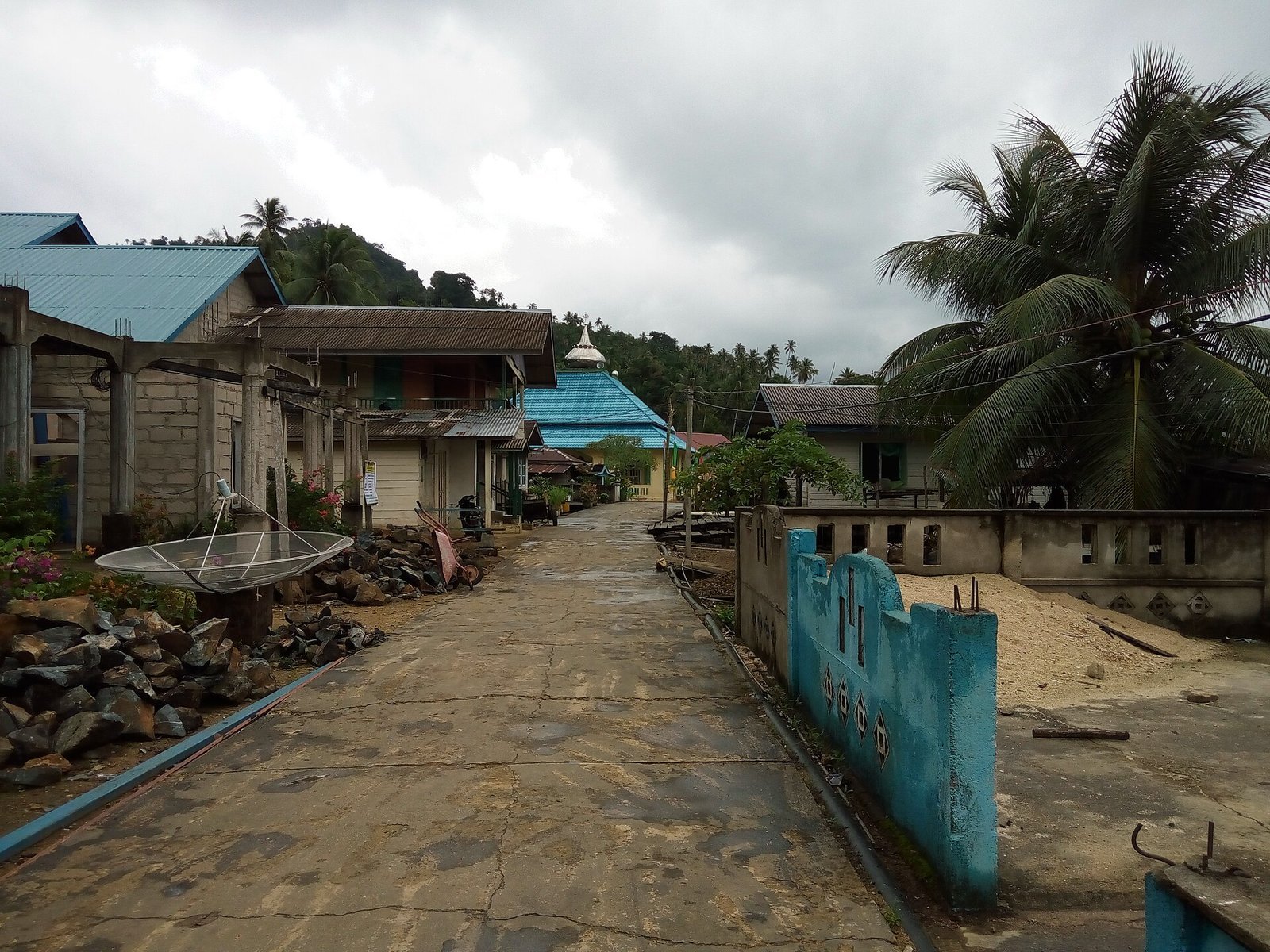
Illustrative Indonesian island coastline. Not a photograph of a specific Natuna beach.
The Natuna Islands sit in the South China Sea, far from Indonesia’s typical dive and beach circuit, with limited infrastructure and very few foreign visitors relative to Bali, Lombok or even Raja Ampat. This guide focuses on Natuna as a first-time niche destination specifically — what it actually offers, when conditions are workable, and whether it fits your trip — rather than a detailed day-by-day itinerary.
Research-based guide · Compiled from regional tourism and weather sources, October 2026. Infrastructure and access can change quickly in remote regions; verify current conditions before booking.
This Guide Focuses on Natuna as a First-Time Niche Destination
Natuna is not a polished resort destination — it is a remote archipelago better suited to travelers who specifically want granite-boulder coastlines, undeveloped reefs and a genuinely low-visitor experience, and who are comfortable with limited amenities. If that doesn’t describe your trip, better-developed options like Bali, Lombok or Raja Ampat will likely serve you better. This guide is meant to help you decide whether Natuna’s particular trade-offs are ones you actually want, before you invest in detailed logistics planning.
When Conditions Are Most Workable
| Period | General pattern | Travel implication |
|---|---|---|
| Roughly March–October | Calmer seas, lower rainfall on average | Generally the more workable travel window |
| Roughly November–February | Northeast monsoon influence, rougher seas | Higher risk of disrupted boat transport |
These are general regional patterns, not a substitute for a current forecast. Confirm conditions with BMKG (Indonesia’s meteorological agency) or a local operator close to your travel dates.
What Makes Natuna Different From Other Indonesian Dive Spots
Unlike Raja Ampat or Komodo, Natuna has never developed a significant dive-tourism industry, which means far fewer dive operators, less mapped site information, and a genuinely undocumented feel to much of the underwater terrain. Above water, the islands are known for large granite boulder formations along the coastline, a landscape more associated with places like Indonesia’s Belitung than with typical volcanic island scenery. This combination appeals specifically to travelers seeking novelty over polish, and it means you should arrive with realistic expectations about guide availability and site documentation rather than assuming the same level of infrastructure you’d find at an established dive hub.
The islands’ remoteness is itself part of the appeal for the right traveler — Natuna sees a fraction of the visitor traffic of Indonesia’s well-known dive destinations, which means reefs and coastlines that have seen comparatively little tourism pressure. That same remoteness is exactly why it’s a poor fit for travelers who want guaranteed comfort or a well-trodden itinerary.
Indonesia.travel official regional informationGetting There: Flights via Ranai Airport
Natuna’s main air gateway is Ranai Airport on the main island, reached via connections through larger Indonesian hubs rather than any direct international service. As with other remote eastern and outer-island Indonesian destinations, expect limited flight frequency and build in buffer time for schedule changes. Confirm current routes directly with carriers before finalizing a trip, since service to outer-island airports in Indonesia changes more frequently than major domestic trunk routes, and seat availability on smaller regional routes can be limited well in advance during busier periods.
Where to Stay: Realistic Options Today
Accommodation on Natuna is limited to simple local guesthouses and basic hotels rather than resort-style properties, which is an important expectation to set before booking. Travelers used to Bali or Lombok’s range of luxury options should plan for a significantly more modest stay here, and should confirm amenities like air conditioning, hot water and payment methods directly with any property before arrival. Diving and boat trips are typically arranged independently with local operators rather than through an all-inclusive resort package, which means more hands-on coordination is required from the traveler than at a typical dive resort elsewhere in Indonesia.
Who Should (and Shouldn’t) Prioritize Natuna
Natuna makes sense for experienced independent travelers and divers who specifically want an undeveloped, low-visitor destination and who are comfortable arranging logistics locally rather than through a resort concierge. It is a poor fit for travelers wanting guaranteed dive-site information, resort-level comfort, or a short, simple weekend trip, given the travel time and limited infrastructure involved. If you’re unsure which category you fall into, a better-established Indonesian dive destination is the safer starting point, and Natuna is worth returning to once you have more context on what undeveloped-destination travel in this region actually involves.
Practical Notes Before You Commit
- Confirm current flight routes and frequency to Ranai directly with carriers — this changes more often than on major Indonesian routes.
- Set accommodation expectations realistically; this is not a resort destination in the way Bali or Lombok are.
- Arrange diving and boat logistics directly with local operators well ahead of arrival rather than expecting to book on the ground.
- Carry sufficient cash, since card payment and ATM access are limited outside the main town.
- Build buffer days into your itinerary in case of flight or boat schedule changes, especially outside the roughly March–October window.
Frequently Asked Questions
Is Natuna a good first dive destination in Indonesia?
Not usually. Better-documented destinations like Raja Ampat, Komodo or Bali offer more established operators and site information. Natuna suits divers who already have experience and specifically want an undeveloped destination.
How do I get to Natuna?
The main route is by air through connections to Ranai Airport on the main island. Confirm current routes and frequency directly with carriers, since outer-island Indonesian routes change often.
What kind of accommodation is available on Natuna?
Simple local guesthouses and basic hotels, not resort-style luxury properties. Confirm amenities directly with any property before booking.
When is the best time to visit Natuna?
Roughly March through October generally sees calmer seas and lower rainfall, though this is a general regional pattern rather than a guarantee — check current conditions via BMKG before travel.
Is Natuna safe and accessible for independent travelers?
Natuna is accessible with careful planning, but it requires more independent coordination than a typical resort destination. Travelers comfortable arranging logistics locally generally have the best experience.
For more detailed trip planning once you’ve decided Natuna fits your trip, see our guide to planning a diving trip to Natuna. For other remote Indonesian comparisons, see our Morotai trip-planning guide, dive resorts in Alor and our Raja Ampat vs Bali comparison.