How to Plan a Luxury Trip to Morotai, Indonesia for 2026
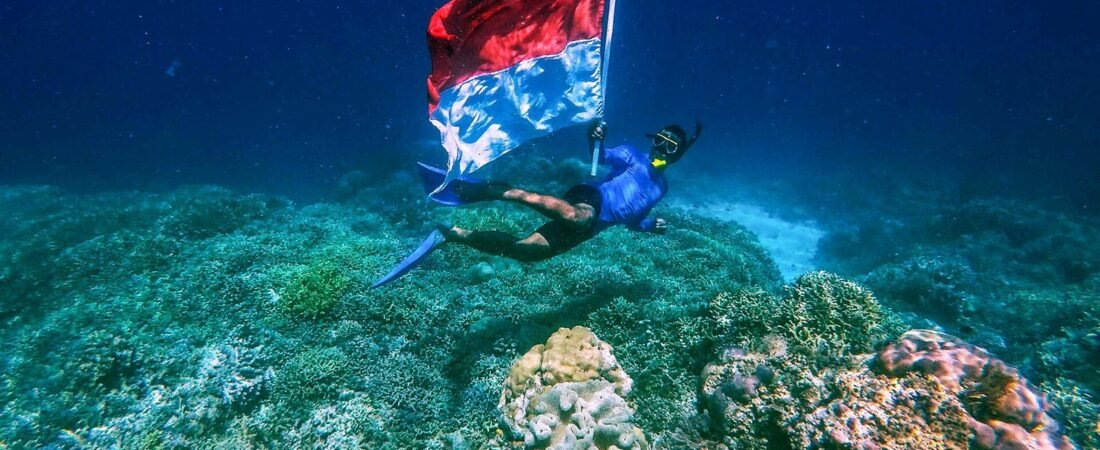
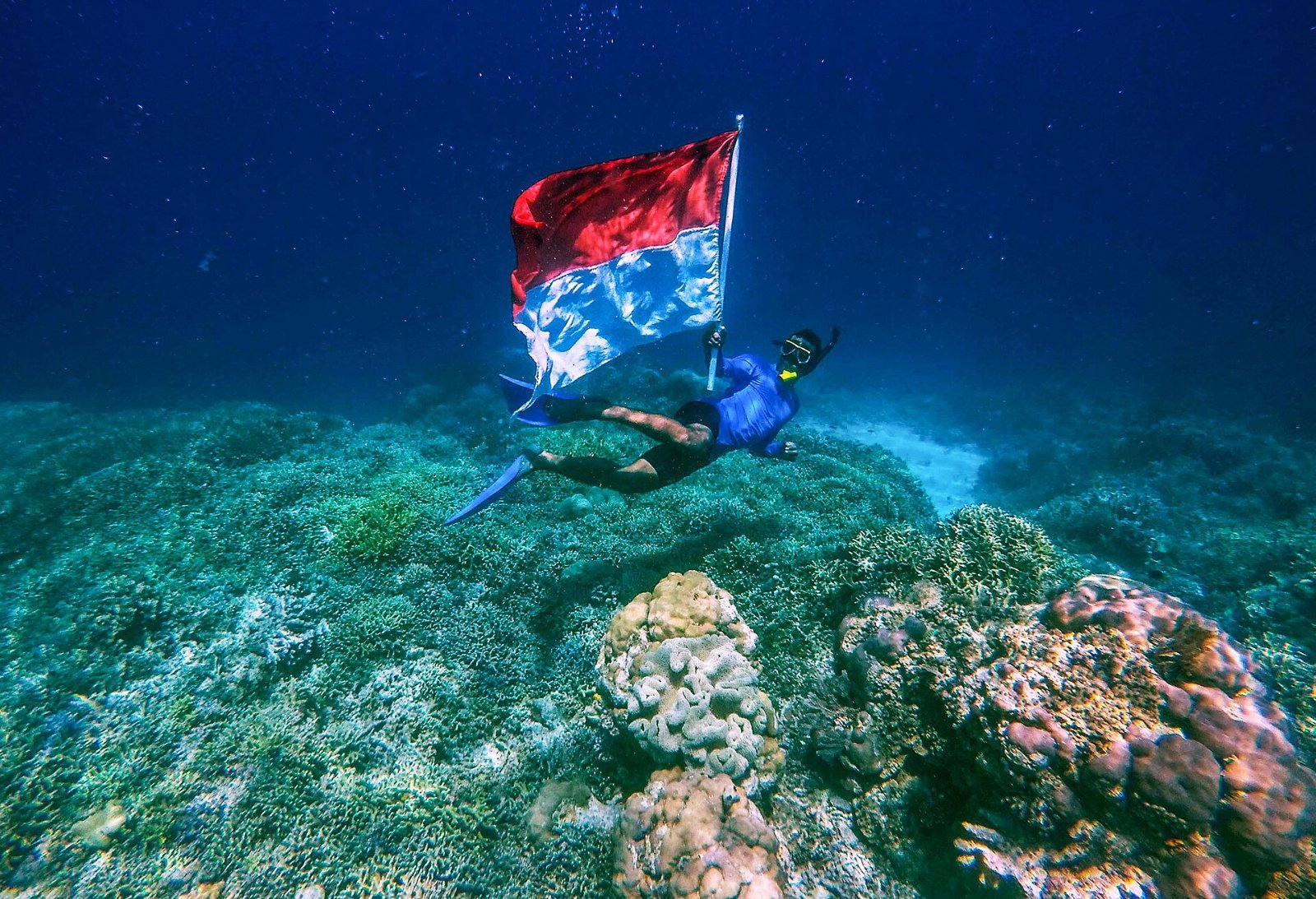
Illustrative island photograph. Not a photograph of the resorts compared below.
Morotai is one of Indonesia’s last genuinely off-grid island frontiers — a remote outpost in North Maluku with powder-white sandbars, WWII history and empty world-class waves, but almost none of the polished resort infrastructure travellers expect from Bali or the Maldives. This guide focuses on how to plan a luxury-minded trip to Morotai specifically for adventurous travellers willing to trade five-star gloss for a rare, uncrowded Indonesian island in 2026. The luxury here is exclusivity, nature and space, not thread counts — and planning well is the difference between a magical trip and a frustrating one.
Below is a step-by-step approach: setting expectations, getting there, where to base yourself, what to do, when to go and how to travel comfortably in a place with limited services. If you love the idea of a Raja Ampat-style adventure before the crowds arrive, read on.
| Planning element | What to expect | Tip |
|---|---|---|
| Getting there | Domestic flights via Ternate to Pitu (OTI) | Buffer 1-2 days for connections |
| Accommodation | Simple resorts & lodges near Daruba | Book best-available far ahead |
| Highlights | Dodola sandbars, WWII wrecks, surf | Charter a private boat day |
| Best season | Roughly March-November (regional) | Confirm locally before fixing dates |
| Money & supplies | Little card acceptance, few shops | Carry cash and essentials |
| Best for | Divers, surfers, adventurers | Not for turn-key luxury seekers |
Step 1: Understand what Morotai is — and isn’t
Morotai sits at the far north of the Maluku (Moluccas) islands, historically famous as a major Allied staging base in the Pacific War. Today it is promoted by the Indonesian government as a developing tourism zone, but development is early: expect simple guesthouses and modest resorts rather than international-brand hotels, patchy connectivity, and local rather than fine dining. Approaching Morotai as a “luxury” destination in the conventional sense will disappoint; approaching it as a remote, exclusive adventure — the kind of place few travellers ever reach — is the mindset that makes it rewarding. For a sense of comparable frontier-diving trips with more infrastructure, see our Raja Ampat luxury dive resorts guide.
Step 2: Work out how to get there
Reaching Morotai is the single biggest planning task. The island’s Pitu Airport (OTI) is served by short domestic flights, most reliably via Ternate — itself reached by air from hubs such as Manado, Makassar or Jakarta. A typical routing is Jakarta or Bali to Manado or Ternate, an overnight in Ternate, then the hop to Morotai. Build in schedule buffers: regional flights are infrequent and prone to change, so never plan a tight same-day connection to an international departure. Consider chartering or pre-arranging private transfers and guides in advance, as on-the-ground options are limited.
Step 3: Choose where to base yourself
Accommodation is Morotai’s weakest link, so choose deliberately. The most comfortable stays are a small number of beach resorts and lodges near Daruba, the main town, offering clean rooms, air-conditioning and easy access to boats — book the best available well ahead, as inventory is thin. Some travellers split their trip, enjoying a more comfortable hotel in Ternate (which has better facilities and its own volcano-and-spice-island sightseeing) before heading to Morotai for the beaches and diving. For a bespoke high-end experience, a live-aboard dive boat or a privately arranged villa-and-guide package can deliver the comfort and seclusion that fixed hotels here cannot.
Step 4: Plan what to do
Morotai’s draws are refreshingly wild. The twin sandbars of the Dodola Islands — connected by a ribbon of white sand at low tide — are the postcard image, perfect for a private boat picnic. Zum Zum Island carries WWII history, including a MacArthur monument, while the surrounding seas hide wartime wrecks that make for atmospheric diving alongside healthy coral. The island’s exposed coasts pick up serious surf, drawing a trickle of in-the-know surfers to breaks that would be crowded anywhere else. Add snorkelling, fishing villages and the poignant “Army Dock” relics, and a few unhurried days fill easily. Our Southeast Asia diving-season guide helps time the underwater side.
Step 5: Pick the right season
Weather in North Maluku is regional and less predictable than in western Indonesia, so treat any calendar as a guide rather than a guarantee. Broadly, the drier, calmer stretch tends to fall between roughly March and November, offering the best odds for boat trips, clear water and beach days, while surfers track specific swell windows that can differ from the general dry season. Because conditions vary year to year, confirm locally with your resort or dive operator when fixing dates, and keep your itinerary flexible enough to swap a boat day for a land day if the sea turns.
Step 6: Budget, packing and travelling responsibly
Bring more cash than you think you need — ATMs are scarce and cards are rarely accepted outside larger hotels in Ternate. Pack essentials you cannot easily replace: reef-safe sunscreen, any medications, a dry bag, a basic first-aid kit and a power bank, as reliable shops and pharmacies are limited. Respect the island’s communities and wartime memorials, dive only with reputable operators, and take all rubbish with you. Travelling this lightly and thoughtfully is part of what keeps a place like Morotai special, and it is the unwritten etiquette of frontier island travel.
Who should plan a Morotai trip?
Morotai suits experienced, adaptable travellers — divers, surfers and explorers — who value rare, uncrowded nature over resort comfort and who plan carefully rather than expecting turn-key luxury. If you want a poolside villa, a spa and effortless logistics, choose an established Indonesian island instead; our two-week luxury Indonesia itinerary and overwater-villa guide point to gentler options. But if the idea of empty sandbars, wartime wrecks and secret waves at the edge of the map excites you, Morotai in 2026 is a genuine adventure. Consult Wonderful Indonesia, the Morotai overview on Wikipedia, and background on the Battle of Morotai before you go.
A sample five-day Morotai itinerary
A realistic trip looks something like this. Day one: fly to Ternate, overnight there, and use the afternoon to see its old spice-island forts and volcano views. Day two: take the morning hop to Morotai, settle into a Daruba-area resort and ease in with a nearby beach. Day three: charter a boat to the Dodola sandbars for a private picnic and snorkelling, continuing to Zum Zum Island for its WWII monument. Day four: a full diving day on the wartime wrecks and reefs, or a surf session if the swell is running. Day five: a relaxed morning before flying back via Ternate, allowing a buffer night there ahead of any international connection. Stretch or compress the middle days depending on how much diving and surfing you want.
The wartime history worth knowing
Part of what makes Morotai unlike any beach island is its past. In 1944 it became a vast Allied base under General Douglas MacArthur, a launch point for the campaign to retake the Philippines, and the island still carries the marks — airstrips, the poignant “Army Dock” relics, and submerged wrecks now colonised by coral. A small local museum and the Zum Zum monument help make sense of it all. Reading a little history before you arrive turns a simple snorkel over a wreck into something genuinely moving, and it is one of the ways Morotai rewards the curious traveller far more than a conventional resort island would. Treat the memorials with respect, and consider hiring a local guide who can bring the stories to life.
Finally, set your own expectations honestly and you will love it. Morotai is not a place you visit for effortless indulgence; it is a place you visit to stand on an empty sandbar with no one else in sight, to dive history, and to feel genuinely far away. Plan the logistics carefully, build in flexibility for weather and flights, choose the most comfortable base you can, and bring the right supplies — do that, and one of Indonesia’s most remote islands becomes one of its most memorable for 2026.
A last word on combining Morotai with the rest of Indonesia. Because reaching it already routes you through Ternate and often Manado, it pairs naturally with North Sulawesi’s celebrated diving around Bunaken and the Lembeh Strait, letting you build a two-week trip that mixes frontier adventure with slightly more comfortable, established dive resorts. Alternatively, bookend the rough edges of a Morotai leg with a few polished nights in Bali or Jakarta at the start and finish, so you decompress in comfort on either side of the wild middle. Structured this way, Morotai stops feeling like a daunting expedition and becomes the thrilling centrepiece of a broader, well-balanced Indonesian journey — remote enough to feel like a genuine discovery, yet reachable enough to build a real 2026 itinerary around.
Frequently Asked Questions
Is there luxury accommodation on Morotai?
Not in the conventional five-star sense. Morotai has simple resorts and lodges rather than international-brand hotels. The “luxury” is exclusivity and untouched nature; for more comfort, some travellers base partly in Ternate or arrange a private villa-and-guide or live-aboard package.
How do you get to Morotai?
Fly to Pitu Airport (OTI) on short domestic flights, most reliably via Ternate, which connects to hubs like Manado, Makassar and Jakarta. Allow generous buffers, as regional flights are infrequent and schedules can change.
What is Morotai known for?
Its Dodola twin sandbars, empty surf breaks, healthy reefs and significant World War II history as a major Allied Pacific base, including wartime wrecks that are now atmospheric dive sites.
When is the best time to visit Morotai?
Broadly the drier, calmer months of roughly March to November offer the best conditions, though North Maluku’s weather is regional and variable. Confirm timing with a local operator and keep your plans flexible.
Is Morotai suitable for a first-time Indonesia trip?
It is better suited to experienced, adaptable travellers. First-timers wanting comfort and easy logistics are usually happier on established islands like Bali or the Gili Islands, saving Morotai for a later, more adventurous trip.