Panglao Island, Bohol: Complete Travel Guide 2026
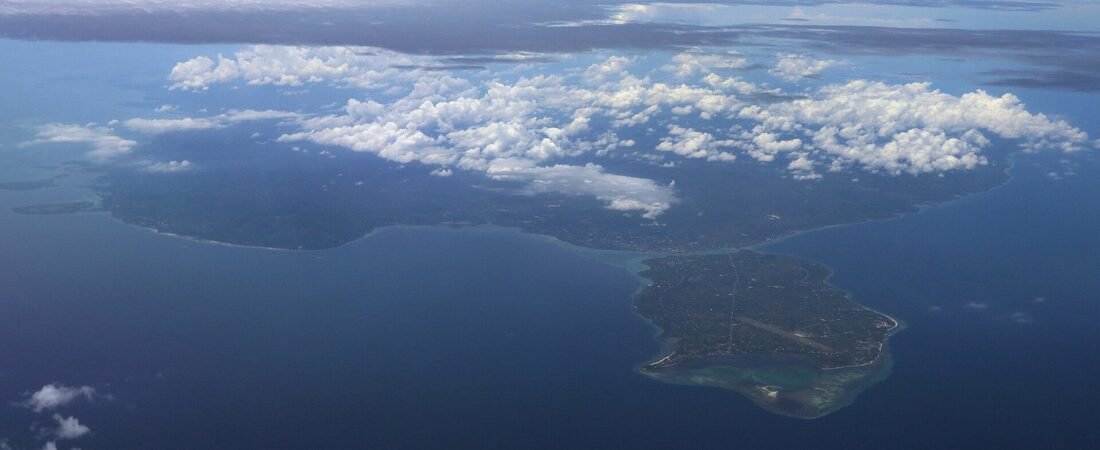
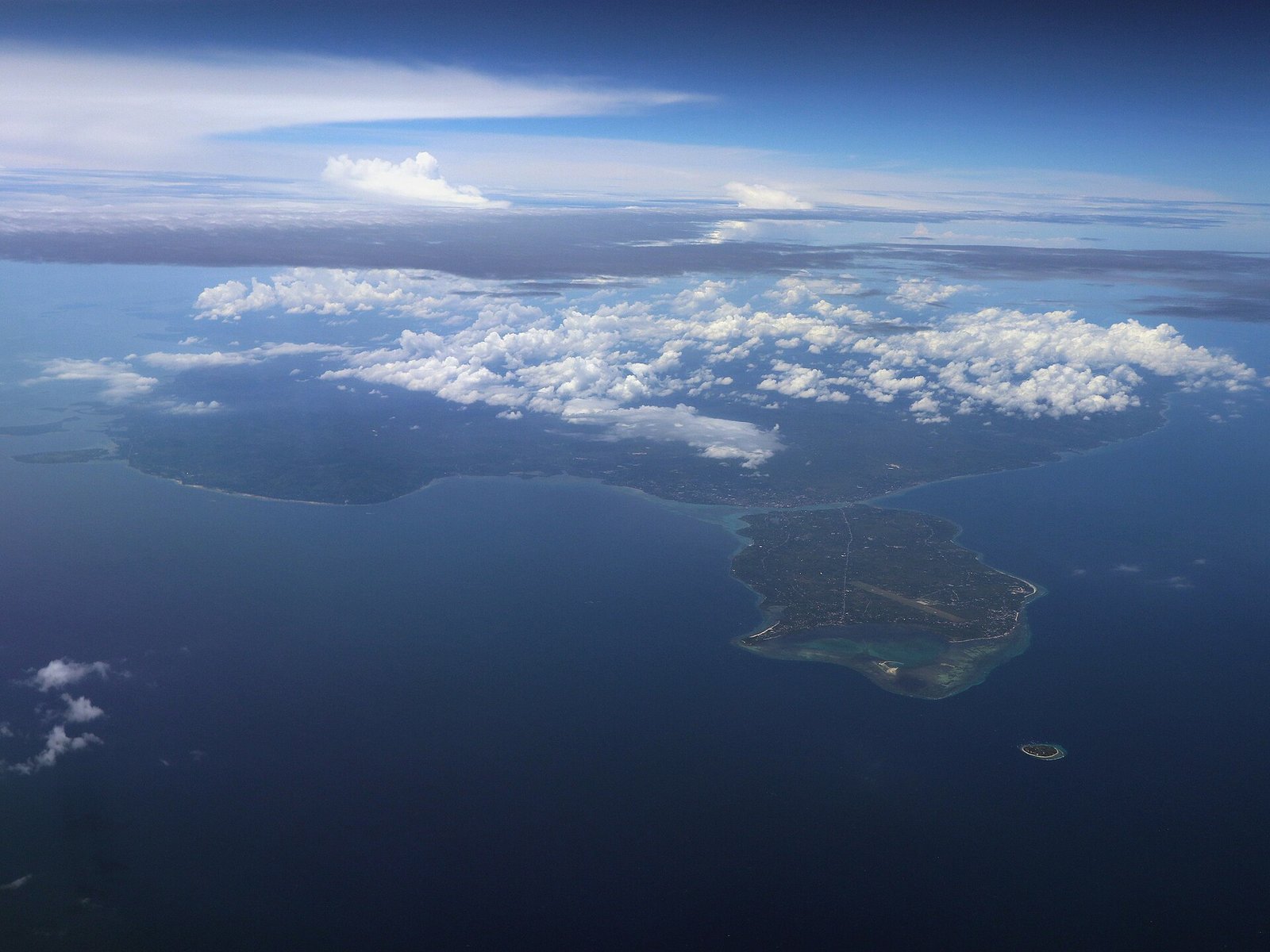
Illustrative photograph of the destination area.
Panglao is often used interchangeably with “Bohol” in travel searches, but they are not the same place. This guide focuses on Panglao Island specifically — the separate island southwest of Bohol’s mainland where almost all of the region’s beach resorts sit — for travelers who want one practical orientation page before booking flights, a resort, and day trips.
Research-based guide · Sources checked October 2026: Wikipedia, Philippine DFA, Bohol Provincial Tourism Office. Not a first-hand resort review.
Start Here: Panglao Is an Island, Bohol Is the Province
Panglao is a separate island of about 91 km², made up of the municipalities of Panglao and Dauis, connected to Bohol’s mainland by causeway bridges — the Cong. Jose Clarin Suarez Bridge and the Gov. Celestino Gallares Bridge, with a third offshore connector reportedly in planning as of 2025. Tagbilaran City, Bohol’s capital, sits on the mainland side, roughly 20–30 minutes by road from most Alona Beach resorts. Bohol itself became the Philippines’ first UNESCO Global Geopark in May 2023, a designation that covers the whole province, not Panglao alone, and the Philippine Department of Foreign Affairs covered the announcement as a national milestone.
Where Panglao Fits Into Bohol
Nearly all of the region’s beachfront hotels, dive shops and the island’s international airport are on Panglao, while the inland sights most visitors associate with “Bohol” — the Chocolate Hills, the Loboc River, the Tarsier Sanctuary — are on the mainland, reached by road from your Panglao resort. If your plan is “beach base plus day trips,” Panglao is the base; Bohol’s interior is where the day trips go. Panglao’s geography is detailed on Wikipedia, and the province’s official tourism arm is the Bohol Provincial Tourism Office, which also publishes event calendars and official advisories worth checking before a trip.
The province has been growing quickly as a destination: Bohol logged at least 1.4 million visitor arrivals in 2025, up roughly 4% year on year, with foreign arrivals up about 14% and South Korea, China, the United States, Taiwan, France, Spain, Australia and Russia among the top source markets, according to reporting from Cebu Daily News/Inquirer citing the provincial tourism office. That growth is one reason booking resorts and day tours ahead of peak months matters more than it used to.
Getting to Panglao
Most travelers fly directly into Bohol–Panglao International Airport (TAG), which sits on the island itself and replaced the old Tagbilaran City airport in 2018. Philippine Airlines, Cebu Pacific and AirAsia Philippines run multiple daily flights from Manila; Cebu Pacific also connects to Davao, Iloilo and Clark. Travelers coming from Cebu City more often take the OceanJet-class fastcraft across the Bohol Strait rather than fly, since there is no significant direct Cebu–Bohol flight route. We cover exact routes, frequencies and fares in a dedicated guide — see how to get to Panglao and Bohol from Manila and Cebu.
Alona Beach and the Wider Resort Strip
Alona Beach, on Panglao’s southwest coast, is the island’s main tourism hub: a strip of white sand backed by restaurants, dive shops and nightlife, and the default base for most first-time visitors. It is not the only beach, though. Resorts on Doljo Beach, Momo Beach and Bolod Beach sit further around the coastline and are quieter, with their own stretches of sand rather than Alona’s crowd. Check which specific beach a “Panglao” resort listing is actually on before booking — the island brand name does not guarantee an Alona Beach address, and the walk (or shuttle ride) between beaches can be longer than renders might suggest.
Accommodation on Panglao spans the full range: backpacker guesthouses and budget inns set back from the water, mid-range beachfront hotels along Alona itself, and upscale cliff-top or private-cove resorts elsewhere on the coastline. Rates and room categories change seasonally, so confirm current pricing directly on each property’s own website rather than relying on a figure quoted elsewhere.
Day Trips Within Reach of Panglao
The table below gives a rough sense of distance and purpose for the most-booked day trips from an Alona Beach base. Treat drive times as approximate and traffic-dependent, and see our dedicated list of things to do beyond Alona Beach for a fuller rundown of each stop.
| Destination | Distance / Time | What it’s for |
|---|---|---|
| Chocolate Hills (Carmen) | ≈55 km, 1.5–2 hrs by road | Karst hill viewpoint, best in dry-season browns |
| Loboc River | ≈30 km, 60–75 min | Floating-restaurant river cruise with live music |
| Tarsier Sanctuary (Corella) | ≈8 km from Tagbilaran, ≈20 min | Guided viewing of wild Philippine tarsiers |
| Balicasag Island | Boat crossing from Panglao’s coast | Wall diving, snorkeling, sea turtles |
| Pamilacan Island | ≈30–60 min boat from Baclayon/Panglao | Dolphin and seasonal whale watching |
Diving and Marine Life Around Panglao
Panglao’s own coastline and the nearby Balicasag Island Marine Sanctuary are the main draw for divers, with named sites such as Cathedral, Black Forest and Rico’s Wall offering drop-offs and regular turtle sightings; Cabilao Island, a longer boat trip north, is known for hammerhead sharks in deeper water. Calmer seas and generally better visibility cluster around March–May, though reef conditions vary by site and season — confirm current conditions with a local PADI-affiliated dive shop before booking a liveaboard or specialty dive. Divers comparing other central Visayas bases sometimes also look at Malapascua’s thresher-shark diving further north.
Conservation Status and What It Means for Visitors
Panglao’s own coastal waters were declared the Panglao Island Protected Seascape, a national marine park, in July 2018, and Balicasag’s reefs sit inside a long-standing municipal marine sanctuary with no-take rules. In practice this means dive boats and snorkel operators follow marked mooring points rather than anchoring on coral, and guides generally brief visitors on no-touch, no-feeding rules for turtles and reef fish before entering the water. Respecting these rules is part of what keeps the turtle and wall-dive sightings that draw repeat visitors to Balicasag and Cabilao reliable year after year.
What a Typical Resort Stay Looks Like
Named Alona-area properties that come up often in trip planning include Amorita Resort (an upscale, cliff-top property), Bluewater Panglao (a long-established beachfront resort), Henann Resort Alona Beach (a large, family-oriented property that is part of a multi-resort group on the island), and South Palms Resort (set on its own small cove near Alona). Each spans different price tiers and room categories, and rates shift with the seasons covered below — check each resort’s own official site for current availability rather than a quoted figure, since rates on this page would go stale quickly.
When to Go
Bohol’s year splits more usefully into monsoon periods than a simple dry/wet calendar: cooler and busier from roughly November to February, calmer seas and hot, crowded conditions from March to May, wetter afternoons from June to September, and a quieter shoulder window in October–November. For the full month-by-month breakdown, see our Panglao and Bohol season guide.
Practical Tips: Cash, Connectivity and Tour Booking
Bring cash: the airport has currency-exchange counters but limited ATM access beyond the security checkpoint, and Grab-style ride-hailing apps are not available anywhere in Bohol province, so plan around resort shuttles, fixed-rate vans or tricycles instead. Most day tours (Chocolate Hills, Loboc River, Tarsier Sanctuary) are easiest to book through your resort’s tour desk or a licensed local operator a day or two in advance, especially in the busier December–May stretch.
Frequently Asked Questions
Is Panglao the same place as Bohol?
No. Panglao is a separate island connected to Bohol’s mainland by two causeway bridges. Most resorts and the airport are on Panglao; most inland sights (Chocolate Hills, Loboc River) are on Bohol’s mainland.
Do I need a rental car to see Bohol’s attractions from Panglao?
Most visitors book a shared or private day-tour van rather than self-drive, since Grab and similar ride-hailing apps are not available anywhere in Bohol province. Resort tour desks and licensed operators both run the standard Chocolate Hills / Loboc River circuit.
Is Panglao worth visiting if I don’t dive?
Yes. Alona Beach, the inland day trips, and whale and dolphin watching off Pamilacan Island do not require diving certification; snorkeling covers much of the marine-life experience for non-divers.
How many days should I plan for Panglao?
Four to five nights is a common minimum: one day for the Chocolate Hills/Loboc River circuit, one or two for diving or island hopping, and the remainder for Alona Beach itself.
Is Panglao a good first stop in the Philippines?
Its own international airport, concentrated resort strip and organized day tours make it one of the more straightforward Visayas islands to navigate for first-time visitors, compared with ferry-only islands nearby.
For a quieter, ferry-only alternative in the same stretch of sea, see our Panglao vs Siquijor comparison, browse the wider Bohol stay guide, or look further afield at our guides to Camiguin and Dumaguete & Apo Island.