Camiguin Philippines Travel Guide 2026
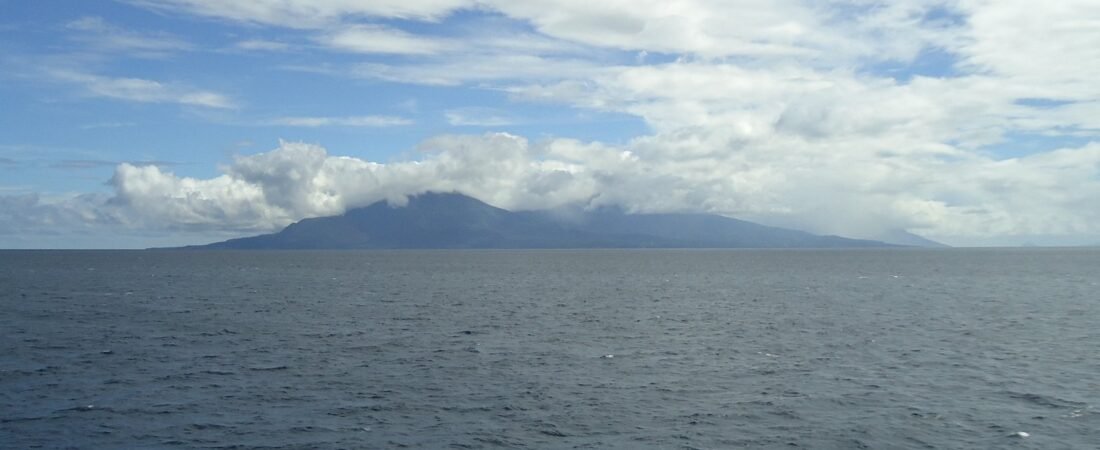
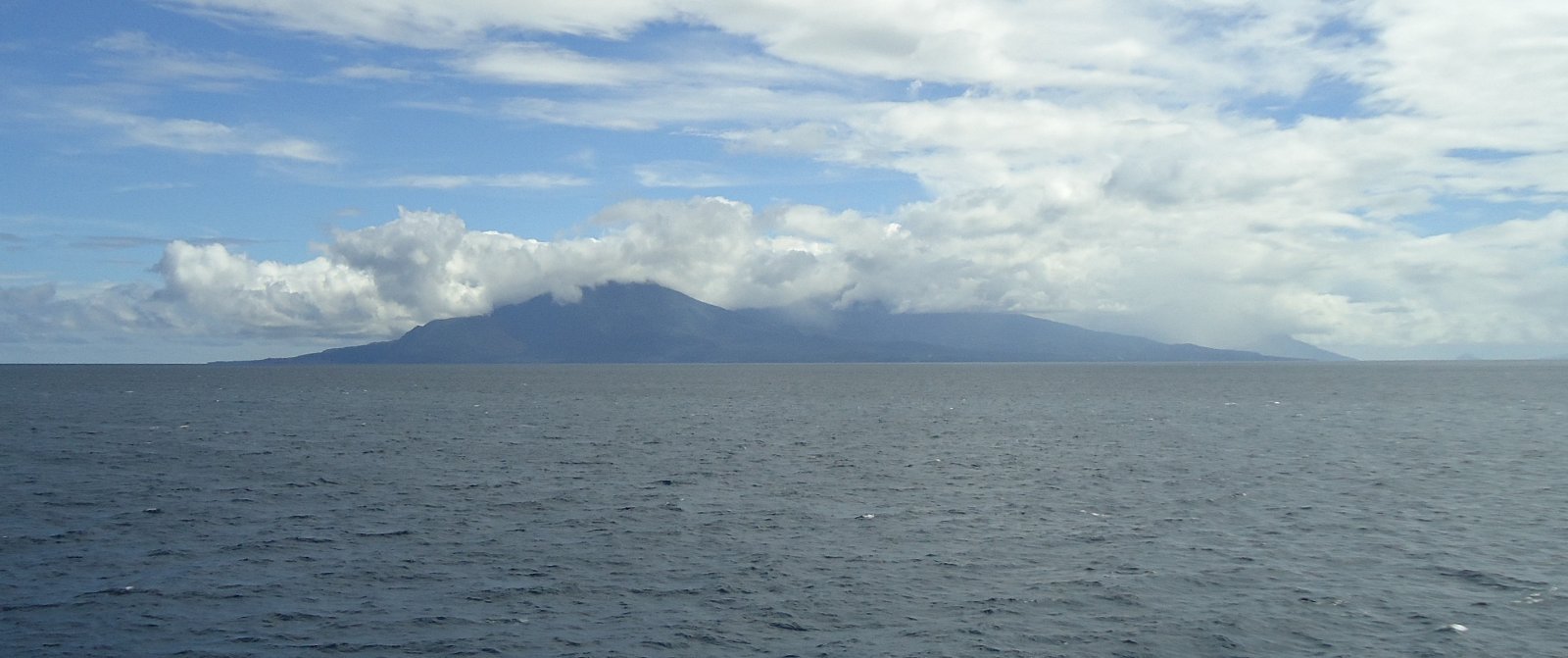
Illustrative view of Camiguin’s volcanic coastline, Philippines. Not a photograph of any specific resort mentioned below.
Camiguin is a small, pear-shaped island province in the Bohol Sea, off the northern coast of Mindanao in the Philippines. Locals call it the “Island Born of Fire” because it is home to seven volcanoes packed into just under 240 square kilometers, including the still-active Mount Hibok-Hibok. What draws travelers today is not the volcanic history alone but the combination of black-and-white sand beaches, a drifting white sandbar, waterfalls, hot and cold springs, and a pace of life that is noticeably slower than better-known Philippine islands.
This guide focuses on Camiguin specifically for independent travelers planning their first visit, especially couples and small groups who are coming from Cagayan de Oro or connecting from Cebu or Bohol and want a realistic sense of travel times, costs, and what to prioritize once on the island.
Where Is Camiguin and How to Get There
Camiguin sits about 10 kilometers off the coast of Misamis Oriental, in Mindanao’s Northern Mindanao region. There is a small domestic airport near Mambajao (the provincial capital), but flight schedules to it have historically been limited and change often, so most travelers reach the island by sea instead.
The standard route is to fly into Laguindingan Airport, which serves Cagayan de Oro, then travel roughly two hours by road to the port town of Balingoan. From Balingoan, roll-on roll-off (RORO) ferries cross to Benoni port on Camiguin in about one to two hours, depending on the vessel and sea conditions. Fast boats and ferries also connect Camiguin with Bohol, Cebu, and other Mindanao ports on a more limited schedule, which can make for a useful island-hopping route if you are already exploring the Visayas region. It is worth double-checking current timetables directly with ferry operators before you travel, since frequency depends on the season and demand. Fares on the Balingoan-Benoni crossing are modest by international standards, and vehicles as well as foot passengers are accommodated, which is why many travelers who are road-tripping across Mindanao choose to bring a rental car or motorbike across on the same ferry.
Once you are on Camiguin, distances are short. A full loop of the coastal ring road is only around 64 kilometers, which means almost every attraction on the island is within an hour’s drive of wherever you are staying.
Best Time to Visit Camiguin
Camiguin’s dry season, roughly December through May, generally offers the calmest seas and the most reliable conditions for the boat trip out to White Island. The wetter months from June to November bring a higher chance of rain and occasional typhoon activity, though showers are often short. If your trip lines up with October, you may catch the island’s Lanzones Festival, one of the liveliest events of the year. For a month-by-month breakdown of weather, sea conditions, and crowd levels, see our dedicated guide to the best time to visit Camiguin.
Top Things to Do in Camiguin
- White Island: a bare, shifting sandbar a short outrigger-boat ride from Agoho, with Mount Hibok-Hibok as a backdrop. It has no shade or facilities, so a hat, sun protection, and water are essential.
- Mantigue Island: a small forested island with a marine sanctuary, generally calmer and better for snorkeling than White Island.
- Katibawasan Falls: a tall waterfall set in a cool, forested ravine near Mambajao, an easy stop for anyone touring the island by scooter or van.
- Ardent Hot Spring: spring-fed pools at the base of Mount Hibok-Hibok, naturally warmed by geothermal activity and popular in the early evening.
- Sunken Cemetery: a cemetery that was submerged after an 1871 eruption of Mount Vulcan, now marked by a large cross and a favorite spot for snorkeling and freediving.
- Sto. Niño Cold Spring: a shaded, naturally cold spring pool that makes a refreshing contrast to the hot spring.
For a longer, ranked list with practical details on each stop, see our guide to the best things to do in Camiguin.
Camiguin Attractions at a Glance
| Attraction | Best For | Typical Time Needed | Notes |
|---|---|---|---|
| White Island | Photos, swimming | 1–2 hours | No shade; go early or late for cooler light |
| Mantigue Island | Snorkeling | 2–3 hours | Small marine sanctuary entrance fee applies |
| Katibawasan Falls | Nature, photos | 45–60 minutes | Short walk from the parking area |
| Ardent Hot Spring | Relaxing | 1–2 hours | Busiest in early evening with local families |
| Sunken Cemetery | Snorkeling, diving | 1–2 hours | Boats for hire near the shoreline marker |
Where to Stay in Camiguin
Accommodation on Camiguin leans toward small beach resorts and family-run guesthouses rather than large international hotel chains, which fits the island’s quiet reputation. Most visitors base themselves along the northern coast near Agoho and Mambajao, within easy reach of White Island’s jump-off point, the airport area, and the town’s restaurants and shops. Travelers who want a more secluded stay often look toward the eastern and southern coastal barangays, trading convenience for quieter beaches. Compare this to the resort style you will find on our other Philippine island guides, such as our Siargao travel guide, and Camiguin will generally feel smaller in scale and lower-key throughout.
Budget guesthouses and simple beach cottages are common near Agoho and White Island’s jump-off point, typically run by local families and often including a small restaurant on site. Mid-range resorts tend to cluster slightly further along the coast, offering pools and air-conditioned rooms aimed at couples and small families. There are few large-scale luxury properties on the island, which is part of Camiguin’s appeal for travelers who want a genuinely low-key alternative to the Philippines’ more built-up beach destinations.
Getting Around the Island
Renting a scooter is the most flexible way to explore Camiguin, since the full ring road loop can be driven in a single day with stops. Habal-habal (motorcycle taxis) and multicabs are widely available for those who prefer not to drive, and many resorts can arrange a day-long van or tricycle tour that covers the main waterfalls, springs, and viewpoints. Traffic is light outside of Mambajao town, and the biggest hazard is usually loose gravel on the steeper inland roads rather than congestion. Scooter rentals are widely available in Mambajao and near the main resort areas at affordable daily rates, and most resorts can point you toward a trusted local operator. If you would rather not navigate unfamiliar roads yourself, hiring a habal-habal driver for a half-day or full-day tour is a common and reasonably priced alternative that also gives you a knowledgeable local guide.
Food, Culture and the Lanzones Festival
Camiguin’s food scene is built around what grows well on volcanic soil, particularly lanzones (a sweet, translucent fruit) and guyabano (soursop), which shows up in juices and local sweets. Pastel, a soft bread roll with a sweet custard-like filling, is a well-known Camiguin specialty that travelers often bring home as pasalubong (a souvenir gift). If your visit falls in October, the island-wide Lanzones Festival brings street dancing, parades, and fruit stalls to Mambajao to celebrate the harvest.
For background on the island’s volcanic geology, the Wikipedia overview of Camiguin is a useful starting point, and the Philippine Institute of Volcanology and Seismology (PHIVOLCS) publishes current status updates on Mount Hibok-Hibok. For official travel information on the wider Philippines, the Philippine Department of Tourism is the primary government resource.
Practical Tips for Visiting Camiguin
Camiguin remains a cash-friendly island rather than a card-first one. While hotels and larger restaurants in Mambajao may accept cards, smaller eateries, boatmen, and habal-habal drivers generally expect cash, so it helps to withdraw pesos before you leave Cagayan de Oro or as soon as you land. Mobile signal is generally reliable along the coastal ring road but can weaken in the hillier interior near the waterfalls, so download offline maps in advance if you plan to self-drive.
Sun protection matters more on Camiguin than the island’s small size suggests. White Island in particular has no natural shade, and the light reflecting off the sand and water can lead to sunburn faster than expected, even on overcast days. A wide-brimmed hat, reef-safe sunscreen, and a light long-sleeve layer for the boat ride are worth packing alongside the usual beach kit.
Because Camiguin sits within an active volcanic and seismic zone, it is worth registering awareness of current advisories rather than planning around them. PHIVOLCS maintains public alert levels for Mount Hibok-Hibok, and while the mountain has been quiet for decades, checking current status before a trip costs nothing and is standard practice for any visit to a volcanic island in the Philippines.
Frequently Asked Questions
How do I get to Camiguin from Manila?
Fly from Manila to Laguindingan Airport near Cagayan de Oro, then travel by road to Balingoan port and take the RORO ferry to Camiguin’s Benoni port. The full journey typically takes most of a day when you include transfers.
Is Camiguin worth visiting if I have already been to Siargao or Bohol?
Yes, for a different pace. Camiguin is quieter and less developed than both, with a stronger focus on volcanic landscapes, waterfalls, and springs rather than surf culture or long white beaches.
How many days do I need in Camiguin?
Three to four days is usually enough to cover White Island, Mantigue Island, the main waterfalls and springs, and the Sunken Cemetery without rushing.
Is Camiguin good for non-divers?
Yes. While diving and snorkeling are popular, the island’s waterfalls, hot and cold springs, and scooter-friendly ring road make it enjoyable even if you never enter the water.
Are there ATMs and cash machines on Camiguin?
Mambajao has banks and ATMs, but options are limited elsewhere on the island, so it is wise to withdraw cash before heading to smaller towns or resorts.
Is Camiguin an expensive island to visit?
No. Camiguin is generally inexpensive compared to the Philippines’ more developed beach destinations, with budget guesthouses, affordable local eateries, and low entrance fees at most natural attractions, though luxury options are limited.