Best Time to Visit Camiguin
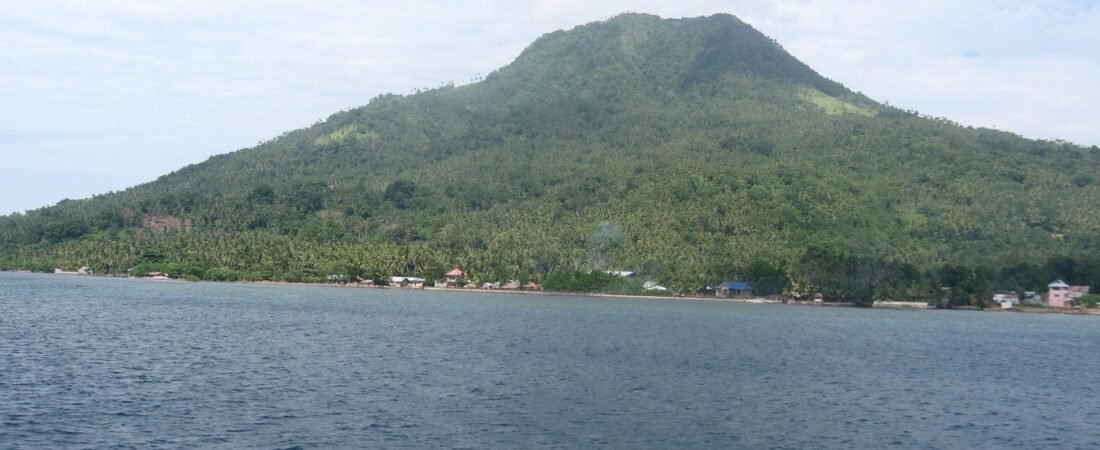
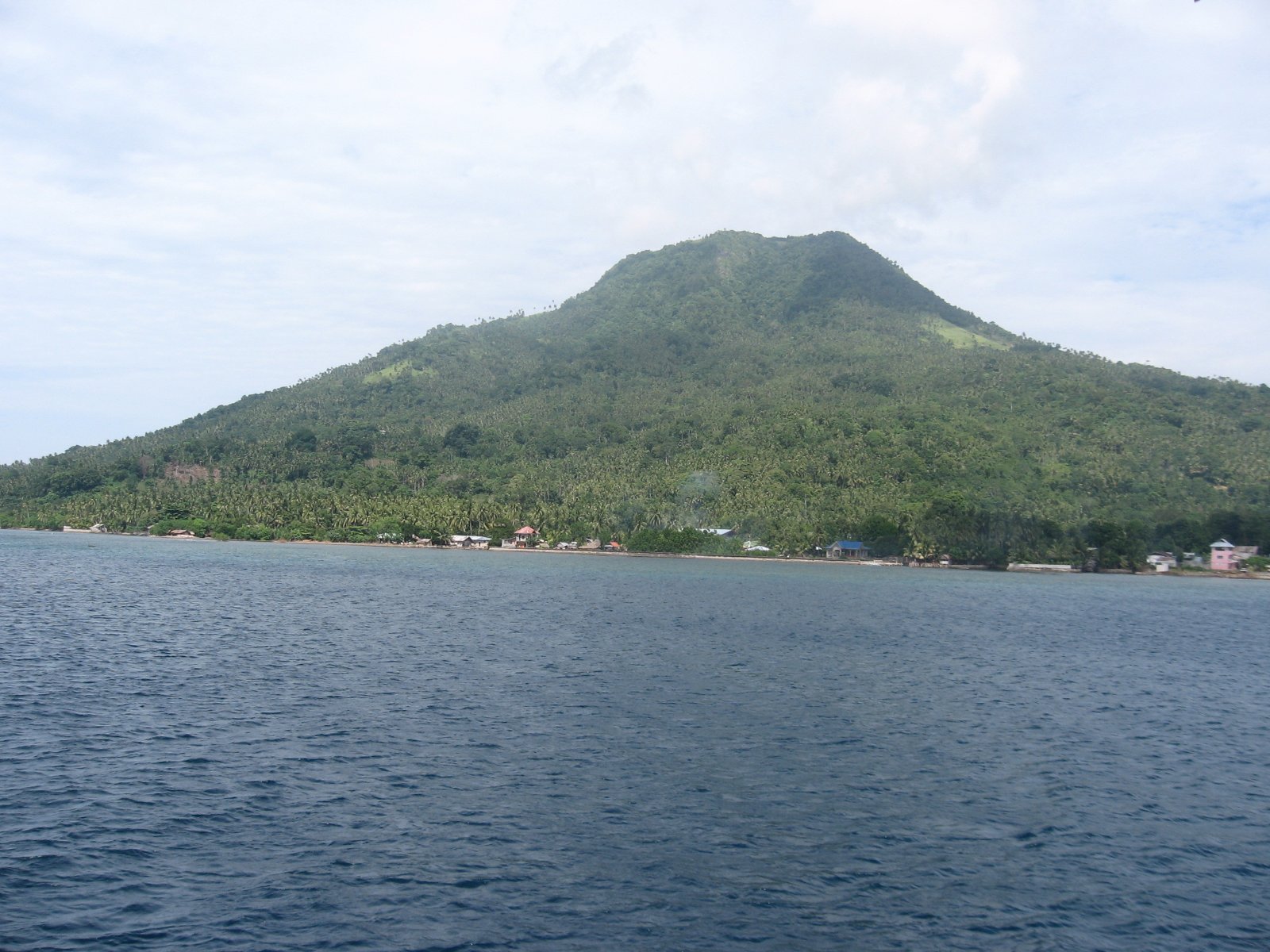
Illustrative view of Camiguin’s volcanic terrain, Philippines. Not a photograph of any specific resort mentioned below.
Camiguin sits in the Bohol Sea within the Philippines’ tropical belt, which means warm temperatures year-round and two broad seasons rather than four: a drier stretch and a wetter one. The difference between the two matters more for planning than the calendar month alone, since it affects whether the crossing to White Island is calm, how clear the water is for snorkeling, and how busy the island feels.
This guide focuses on Camiguin’s seasonal patterns specifically for travelers deciding when to book, especially divers and snorkelers who depend on calm seas and good visibility, and anyone trying to avoid both typhoon risk and the island’s busiest festival week.
Camiguin’s Climate at a Glance
Temperatures on Camiguin stay fairly consistent through the year, generally in the range of the upper twenties to low thirties Celsius during the day. What changes far more than temperature is rainfall and sea state. Camiguin’s east-facing coastline is more exposed to the Pacific weather systems that bring the Philippines’ rainy season, so the wetter months can bring both more rain and rougher water for boat trips than the drier months.
Humidity stays high year-round, as it does across most of the tropical Philippines, so the practical difference between seasons is less about how hot it feels and more about how often you will need to plan around rain and sea conditions. Because the island is small, weather can also vary slightly between the coastal ring road and the higher, more forested interior around the waterfalls, where showers can arrive even on an otherwise sunny coastal day. Checking a short-range forecast the morning of any waterfall or hiking excursion is a simple habit that saves most travelers from getting caught out.
Dry Season (December to May): What to Expect
The dry season is generally the most reliable window for a Camiguin trip. Rainfall drops noticeably, seas around White Island and Mantigue Island tend to be calmer, and underwater visibility for snorkeling and diving is usually at its best. March through May can also bring the year’s warmest and driest stretch, though this period overlaps with the Philippines’ broader summer travel season, so popular resorts and boat operators can book up, particularly around the Holy Week and summer holidays. Booking key activities like a Mantigue Island boat trip a few days ahead during this window is a sensible precaution rather than a strict necessity.
Wet Season (June to November) and Typhoon Risk
From roughly June through November, rainfall increases and the risk of tropical storms and typhoons rises, particularly from July through October. Camiguin is not on the busiest typhoon track that affects Luzon and the Visayas, but Mindanao’s coastal islands can still be affected by storm systems passing nearby, so it is worth checking forecasts in the days before travel rather than relying on the seasonal average alone. Rain during this period often arrives in short, heavy bursts rather than settling in for the whole day, which still leaves room for sightseeing between showers. Some travelers actually prefer the wet season for its lower prices, quieter attractions, and lush, green landscapes around the waterfalls, as long as they build flexibility into their itinerary in case a storm system passes close enough to disrupt ferry crossings for a day or two.
Best Months for Diving and Snorkeling
Divers and snorkelers generally get the most consistent conditions during the dry season, when calmer seas mean better visibility around Mantigue Island’s marine sanctuary and the Sunken Cemetery. Early dry-season months, once the wet season’s runoff has cleared from coastal waters, are often cited by local operators as offering some of the clearest water of the year. If diving is the main goal of your trip, it is worth contacting a local dive operator directly for current conditions before finalizing your dates, since visibility can vary from week to week even within the same season.
Lanzones Festival Season (October)
October is a distinctive month on Camiguin because of the Lanzones Festival, a week-long celebration of the island’s lanzones fruit harvest featuring street dancing, parades, and food stalls centered on Mambajao. It falls within the wetter part of the year, so travelers weighing the festival atmosphere against calmer diving conditions face a genuine trade-off. Accommodation in and around Mambajao can fill up during festival week, so booking well in advance is worth it if this is a priority for your trip.
Camiguin Weather and Crowds by Season
| Period | Rainfall | Sea Conditions | Crowd Level |
|---|---|---|---|
| December – February | Low | Calm | Moderate, rising over the holidays |
| March – May | Low to moderate | Calm, warm | Higher around Holy Week and summer break |
| June – September | Moderate to high | Variable, can be choppy | Lower overall |
| October | High | Variable | Higher during the Lanzones Festival week |
| November | Moderate to high | Variable | Lower |
Crowd Levels and Booking Timing
Camiguin never feels as crowded as the Philippines’ larger beach destinations, even in peak season, since its accommodation base is smaller and more spread out. That said, the dry-season months from December through May bring the most visitors, and boats to White Island can queue up around midday during this stretch. Arriving early in the morning or later in the afternoon generally means quieter beaches and softer light for photos, whatever time of year you travel. Weekends and local holidays can also bring a spike in domestic visitors from nearby Mindanao provinces, separate from the international dry-season peak, so a weekday visit is often the quietest option of all if your schedule allows it. For comparison, our guide to the best time to visit Redang and Perhentian covers a similarly seasonal Southeast Asian island pair if you are weighing multiple destinations.
If your travel dates are flexible, aim for the shoulder periods just before or after the busiest dry-season weeks, when conditions are still generally favorable but resorts and boats are easier to book on short notice. See our full Camiguin travel guide for how to plan the rest of your trip, and our list of the best things to do in Camiguin for what to prioritize once you arrive.
For current forecasts before you travel, the Philippine Atmospheric, Geophysical and Astronomical Services Administration publishes official weather bulletins, and PHIVOLCS provides updates relevant to the island’s volcanic activity. General seasonal advice can also be cross-checked against the Wikipedia overview of the climate of the Philippines, the PAGASA weather bureau, and the Philippine Department of Tourism.
What to Pack for Each Season
Dry-season packing for Camiguin is straightforward: light, breathable clothing, strong sun protection, and a reusable water bottle, since the White Island sandbar and many viewpoints offer little to no shade. A dry bag is worth carrying on boat trips even in calm weather, since spray is common on the crossing to White Island and Mantigue Island.
If you are traveling during the wetter months, pack a light rain jacket or poncho, quick-dry clothing, and waterproof covers for electronics. Showers tend to be short and heavy rather than day-long downpours, so many travelers simply plan indoor stops, like the Ardent Hot Spring or a local restaurant, around the heaviest bursts and continue sightseeing once they pass. Closed, grippy footwear is useful year-round for the short but sometimes slippery paths down to Katibawasan Falls. A lightweight dry bag, a few extra ziplock bags for phones, and a portable battery pack round out a sensible packing list for either season, since charging options can be limited on day trips away from the main towns.
How Camiguin’s Season Compares to Nearby Islands
Camiguin’s dry and wet seasons broadly track the same pattern as much of the central and southern Philippines, including nearby Bohol and, further afield, Siargao, though local geography can shift the details. Because Camiguin faces the Bohol Sea rather than the open Pacific that batters Siargao’s east coast, it tends to be somewhat less exposed to the biggest swells and storm surges, even during the wetter months. If you are also considering a stop on Siargao as part of a wider Mindanao or Visayas itinerary, our best time to visit Siargao guide covers that island’s distinct surf season, which peaks at a different time of year than Camiguin’s calmest diving window.
Travelers piecing together a longer Philippine island-hopping route often find it easier to lead with Camiguin’s dry season and build the rest of the trip around it, since ferry schedules and small-boat operators across the region are all similarly weather-dependent. Booking the Balingoan-Benoni ferry crossing with some buffer time on either side is a simple way to absorb any weather-related delays without derailing the rest of a multi-island trip.
Frequently Asked Questions
What is the driest month in Camiguin?
The driest stretch generally falls between February and April, though exact conditions vary year to year.
Can typhoons affect Camiguin?
Yes, though Camiguin is less frequently hit than Luzon or the eastern Visayas. Storm risk is highest from July through October, so checking forecasts close to your travel dates is recommended.
Is Camiguin good to visit during the Lanzones Festival?
Yes, if you want the liveliest cultural experience of the year, though it falls in the wetter season and accommodation books up quickly, so plan ahead.
When is the sea calmest for the White Island boat trip?
The dry season, roughly December through May, generally offers the calmest crossings, though early mornings tend to be calmer than midday even in wetter months.
Does Camiguin get very hot?
Daytime temperatures are warm year-round, typically in the upper twenties to low thirties Celsius, without the extreme heat spikes seen in some other parts of Southeast Asia.
Is the wet season a bad time to visit Camiguin?
Not necessarily. Showers are often brief, prices and crowds are lower, and the landscape is at its most lush, though you should build flexibility into your itinerary in case a storm affects ferry schedules.