Best Time to Visit Panglao & Bohol: 2026 Season Guide
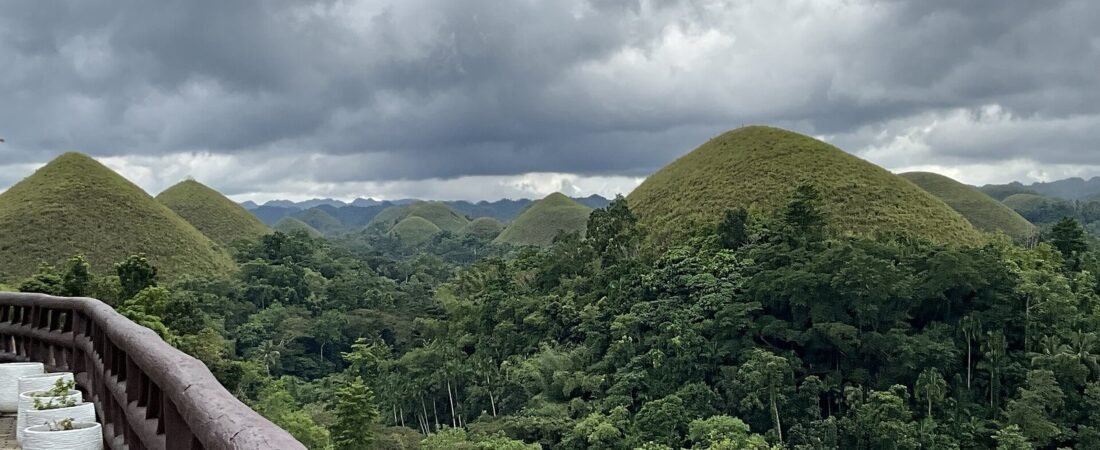
Illustrative photograph of the destination area.
“Best time to visit” depends on whether you’re chasing calm diving water, cheaper rates, or just avoiding a downpour on your one beach day. This guide focuses on seasonal timing specifically for Panglao and Bohol — not a general Philippines weather overview — broken down by what each window is actually good for.
Research-based guide · Sources checked October 2026: Bohol Provincial Tourism Office, Cebu Daily News/Inquirer regional tourism reporting, Wikipedia. Weather patterns are historical tendencies, not guarantees for any specific trip date.
Bohol Doesn’t Follow a Simple Dry/Wet Split
Rather than one dry season and one wet season, Bohol’s year is better read through the two monsoons that sweep the Philippines: the cooler, drier Amihan (northeast monsoon) from roughly November to February, and the wetter, more humid Habagat (southwest monsoon) from around June to September. The transition months — late February through May, and again in October — tend to bring the calmest seas of the year. The Bohol Provincial Tourism Office publishes a calendar of festivals and events that can also shape when hotel rates spike.
December–February: Cool, Dry, and Busy
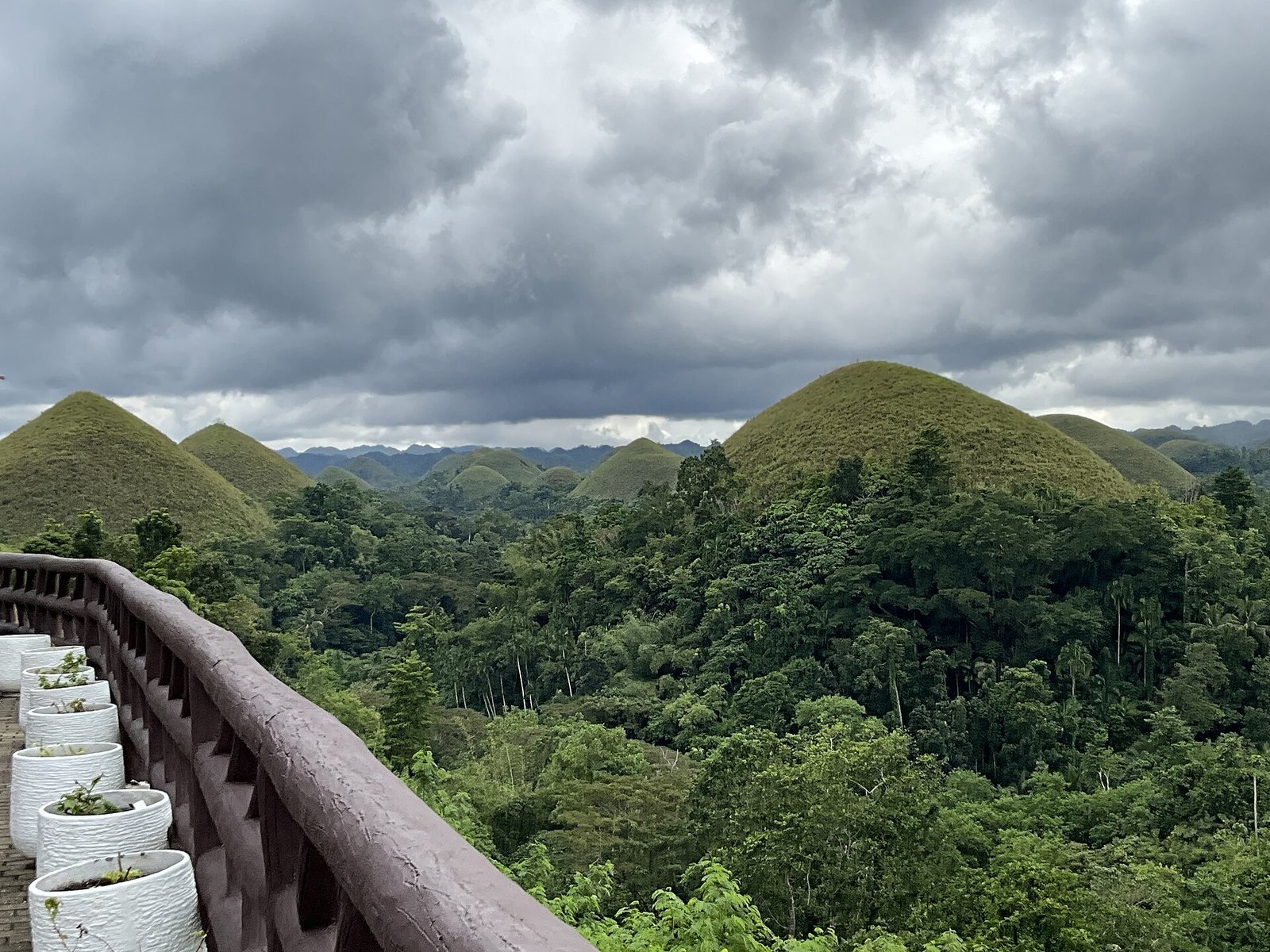
This is peak season by Philippine standards: cooler air, steadier wind, and the Christmas/New Year rush followed by a second wave around Chinese New Year. Steadier Amihan winds can also cancel small-boat crossings to Balicasag or Pamilacan on rougher days, so build a buffer day into any island-hopping plan. The Chocolate Hills stay green through this period rather than showing their namesake brown color, which surprises some visitors expecting the classic postcard look.
March–May: The Calm-Water Window
Most dive operators and long-time visitors point to March through May as the calmest-seas, best-visibility stretch of the year around Balicasag and Cabilao — and it’s also when the Chocolate Hills turn their photographed brown color as the grass dries out. The trade-off is heat and crowds: April and May overlap with Philippine school holidays and, some years, Holy Week, so resort rates and flight prices both climb. Book four to six weeks ahead if your trip falls in this window, particularly for Alona Beach’s more popular mid-range and upscale resorts.
June–September: Rain, Value, and Lush Green Hills
Short, heavy afternoon downpours are typical rather than all-day washouts, and the interior scenery turns lush rather than brown. Diving and island-hopping remain weather-dependent day to day, but hotel rates generally drop, making this the better-value shoulder season if your schedule is flexible and you don’t need guaranteed calm water for diving. This is also a quieter stretch for the Chocolate Hills viewpoint and Loboc River cruise, with shorter queues than the March–May peak.
October–November: The Quiet Shoulder
Winds typically ease and crowds thin before the December rush, often with calm seas similar to the March–May window — but storm risk across the wider Philippines starts climbing from November onward, so travel insurance is worth having even though Bohol itself sits somewhat south of the main typhoon track. Rates tend to sit between the June–September lows and the December peak.
Typhoon Risk: Lower Than Northern Luzon, Not Zero
Bohol’s latitude keeps it below the track most major typhoons follow across Luzon and the northern Visayas, which is part of why the island markets itself as a comparatively lower-risk base. That is a tendency, not a guarantee: Typhoon Odette (Rai) struck Bohol directly in December 2021, causing significant damage across the province. Treat November through January as the window to carry travel insurance and keep an eye on official advisories regardless of the general pattern, and check the Bohol Provincial Tourism Office for any current notices before departure.
If You’re Prioritizing Diving
Divers aiming for Balicasag or Cabilao should default to the March–May window first, and treat October as a lower-crowd backup with similarly calm conditions. Outside those windows, talk to a local PADI-affiliated dive shop about current visibility before committing to a liveaboard or a specialty dive you can’t easily reschedule, since day-to-day conditions in the Amihan and Habagat months are less predictable than the calm-water stretch.
If You’re Prioritizing Value Over Calm Seas
Travelers who don’t need guaranteed-calm water for diving, and who care more about lower hotel rates and thinner crowds at Chocolate Hills and the Loboc River cruise, generally do best in June through September, with October as a slightly drier value alternative. Just build flexibility into any boat-based plans (Balicasag, Pamilacan) since afternoon rain can cancel or delay crossings with little notice in these months.
Holy Week, Christmas and Other Peak Dates
Beyond the general seasonal pattern, a handful of specific dates spike demand further: Holy Week (late March or April, moving with the Christian calendar), the Christmas-to-New-Year stretch, and Philippine school breaks in April and May. Resort rates during these windows can run well above shoulder-season pricing, and popular Alona Beach properties can sell out weeks in advance. If your travel dates are flexible, shifting even a week outside these peaks can meaningfully change both price and crowd levels at sites like the Chocolate Hills viewpoint.
How Weather Affects the Day-Trip Circuit Specifically
The Chocolate Hills and Loboc River cruise run in essentially any weather short of a storm warning, since both are land-based or on a sheltered river. Boat-based trips to Balicasag and Pamilacan are the ones most exposed to Amihan swell (December–February) and Habagat afternoon storms (June–September); operators will postpone or cancel on rough days rather than run an unsafe crossing, so build a spare day into your itinerary if a dive or whale-watching trip is a priority rather than a nice-to-have.
Season-by-Season Comparison
| Season | Weather | Best for | Crowds / Rates |
|---|---|---|---|
| Dec–Feb | Cool, dry, steady wind | Sightseeing, milder heat | Peak crowds, peak rates |
| Mar–May | Hot, calmest seas | Diving, Chocolate Hills photos | Busy Apr–May holidays |
| Jun–Sep | Humid, afternoon rain | Budget travel, lush scenery | Quieter, lower rates |
| Oct–Nov | Easing wind, rising storm risk | Calm seas before peak season | Thin crowds, moderate rates |
How This Compares to Nearby Islands
The same broad Amihan/Habagat pattern governs most of the central Visayas, so seasonal advice for Panglao largely transfers to day-trip islands like Balicasag and Pamilacan, and to nearby Siquijor — see our Panglao vs Siquijor comparison for how the two differ beyond weather. Travelers piecing together a wider Visayas trip can also compare timing with our guides to Camiguin and the full Siquijor travel guide.
Frequently Asked Questions
What is the single best month to visit Panglao?
April is the most commonly cited peak for calm diving conditions and brown Chocolate Hills, but it is also the most crowded and expensive month — March or late October are lower-crowd alternatives with similarly calm seas.
Is Panglao safe to visit during typhoon season?
Bohol sits below the main typhoon track so it is affected less often than northern Luzon, but it is not immune, as Typhoon Odette showed in December 2021. Buy travel insurance for any trip in the November–January window.
When do the Chocolate Hills look most “chocolate” brown?
During the dry season, roughly March to May, when the grass covering the hills dries out. In the wetter months the hills are green rather than brown.
Is the rainy season a bad time to dive around Balicasag?
Not necessarily bad, but less predictable — visibility and sea conditions vary day to day in the Habagat months. Divers prioritizing guaranteed calm water generally target March–May instead.
Does the weather in Panglao differ much from Siquijor or Cebu?
The broader Amihan/Habagat pattern applies across the central Visayas, including Siquijor and Cebu, so seasonal timing advice for Panglao generally transfers — see our Panglao vs Siquijor comparison for island-specific differences beyond weather.
Put simply: pick March–May for the calmest water and the classic brown Chocolate Hills if you can tolerate the heat and the crowds, pick June–September if lower rates and fewer other tourists matter more than guaranteed-calm diving, and treat October–November as the under-the-radar window that gets most of the calm-season benefits without the peak-season price tag. December–February remains the safest bet for predictable, if busier, sightseeing weather.
For the full orientation to the island itself, start with our Panglao travel guide, or see how to get there once your dates are set.