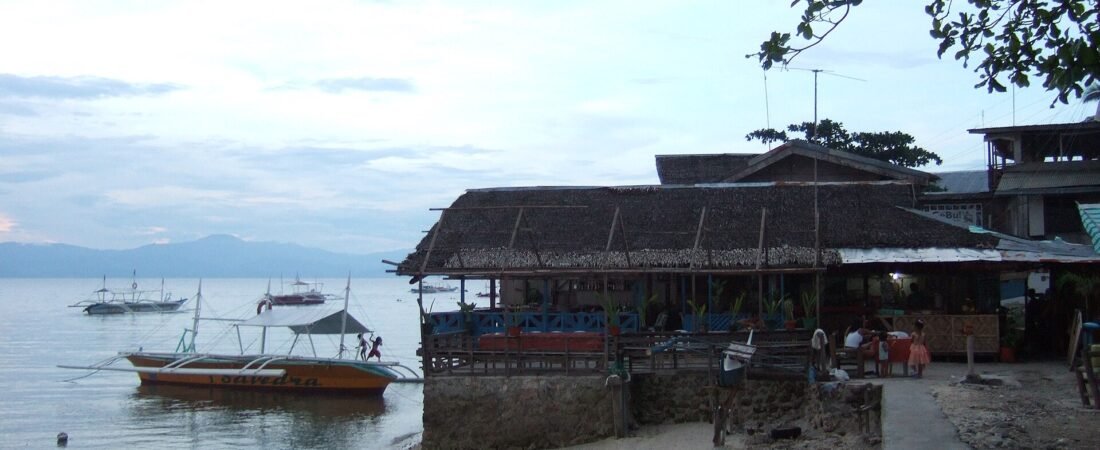
Moalboal 3-Day Itinerary 2026: Sardines, Reefs & Falls
A comfortable, well-paced plan for Cebu’s southwest coast — sardine run, turtles, beaches and waterfalls.
TL;DR
Three days is the sweet spot for Moalboal: snorkel the sardine run the afternoon you arrive, take a private boat to Pescador Island and Turtle Point on day two, and spend day three at Kawasan Falls or canyoneering before heading on. Book a private transfer from Mactan-Cebu Airport (about 3 hours) and go early in the morning to beat the crowds.
Moalboal is one of the few places on Earth where you can swim off the beach into a swirling shoal of millions of sardines. Add sea turtles, a marine-sanctuary island and some of Cebu’s best waterfalls nearby, and this small town on the island’s southwest coast packs a lot into a short stay.
This guide focuses on a comfortable three-day itinerary for travellers who want comfort and good timing rather than a backpacker rush. It covers the order of activities, the best times of day, transfers and where to stay. If you want deeper detail on the main event, read our Moalboal sardine run guide.
Before You Go: Moalboal Essentials
- Getting there: Moalboal is roughly 90 km from Cebu City. A private car from Mactan-Cebu International Airport (CEB) takes about 3 hours depending on traffic; buses from Cebu South Bus Terminal are cheaper but slower.
- Where to stay: Panagsama Beach is the hub for restaurants and dive shops; Basdaku (White Beach) is quieter and sandier. Upscale options are boutique rather than branded.
- Money: carry cash; card acceptance is limited outside resorts.
- Gear: bring reef-safe sunscreen and a rash guard, and rent fins locally.
Official visitor information is available from the Philippine Department of Tourism.
Packing list for a comfortable trip
- Mask and snorkel that fit you well — rental sets vary in quality.
- Water shoes or dive booties for rocky entries.
- A dry bag for boat days and waterfall trips.
- Light rain jacket during the wet season.
- Motion-sickness tablets if you are sensitive on small boats.
Itinerary at a Glance
| Time | Activity | Tip |
|---|---|---|
| Day 1 PM | Sardine run snorkel, Panagsama | Go late afternoon or early morning for calmer water |
| Day 2 AM | Pescador Island by private banca | Leave by 8 am before group tours |
| Day 2 PM | Turtle Point and White Beach | Keep a respectful distance from turtles |
| Day 3 AM | Kawasan Falls or canyoneering | Arrive at opening to avoid crowds |
| Day 3 PM | Spa and sunset dinner | Book your onward transfer in advance |
Day 1: Arrival and the Sardine Run
Leave Cebu early to arrive by lunchtime. After check-in, walk to the water’s edge at Panagsama: the sardine shoal usually sits just beyond the reef drop-off, a short swim from the shore. A local guide (easily arranged through your hotel or a dive shop) will show you where to enter and where the shoal is that day.
- Snorkellers can see the sardines from the surface; freedivers and scuba divers get the full “bait ball” effect.
- Water entry is over rocks and coral — wear booties or water shoes.
- Shoals move, so conditions vary day to day; it is worth a second swim if the first is quiet.
In the evening, Panagsama’s restaurants serve fresh seafood and international dishes with sunset views over Tañon Strait.
If you prefer a more comfortable experience, book a private guide and go in the early morning, when the water is usually flattest and fewer groups are in the water. Underwater photographers should bring a wide-angle lens and keep strobes off, as natural light shows the moving shoal at its best.
Day 2: Pescador Island, Turtles and White Beach
Hire a private banca (outrigger boat) for the morning. Pescador Island is a small marine sanctuary with steep walls, colourful coral and abundant reef fish; on calm days, snorkellers can enjoy the shallow top while divers explore the walls and the cavern known locally as the Cathedral.
On the way back, stop at Turtle Point, where green sea turtles are commonly seen feeding. Do not touch, chase or feed them — follow your guide’s instructions and keep several metres away.
Spend the afternoon at White Beach (Basdaku), a few kilometres north of Panagsama, which has a softer, sandier shoreline than the town. It is ideal for swimming and a slow, late lunch.
Private boats can be arranged through your resort or directly at the beach for a half-day charter; agree on the route, duration and price before setting off, and confirm life jackets are on board. Sanctuary fees for Pescador Island are typically collected by the boat crew or local authorities.
Day 3: Kawasan Falls or Canyoneering
Kawasan Falls, in neighbouring Badian, is famous for its turquoise pools and is about 30–45 minutes south of Moalboal. You have two options:
Option A: Canyoneering
An adventurous half-day of jumping, sliding and swimming down a river canyon that ends at Kawasan Falls. Use a licensed operator with helmets, life jackets and guides, and check minimum-age and fitness requirements.
Option B: A calm visit
Arrive when the site opens to enjoy the pools before tour groups. Rafts and bamboo platforms are available for a small fee.
Return to your resort for a spa treatment and a sunset dinner before onward travel.
Wear shoes with good grip, keep valuables in a waterproof pouch, and be prepared for steps and slippery rocks on the path to the falls. Canyoneering trips usually include lunch and transport; confirm whether pick-up from Moalboal is included before booking.
Where to Stay in Moalboal
Moalboal’s accommodation is mostly small and independent. Choose by location:
- Panagsama Beach: best for the sardine run, restaurants and dive shops. Look for sea-view rooms set back slightly from the bars.
- Basdaku / White Beach: quieter, with a proper sandy beach and fewer crowds.
- Badian: further south, home to more secluded resorts and close to Kawasan Falls.
For more polished island stays nearby, compare with Panglao, Bohol or the northern Cebu islands in Bantayan vs Malapascua.
When choosing a room, ask whether it has a generator backup and reliable hot water, as power interruptions can happen in smaller towns. Resorts with their own dive centre or boat often make the itinerary above easier to arrange.
Best Time to Visit Moalboal
Moalboal is a year-round destination thanks to its sheltered position, but the most reliable conditions are typically from about December to May. The southwest monsoon season (roughly June to October) can bring rain and choppier seas, though the sardine run is generally present throughout the year.
- Visibility is often best during the drier months.
- Typhoons occasionally affect the Visayas, mainly from about August to November — check forecasts from PAGASA.
- Weekends and holidays bring Cebu City visitors; weekdays are calmer.
Water temperatures typically sit between about 26 °C and 30 °C year-round, so a thin wetsuit or rash guard is enough for most people. Sunrise is around 5:30–6:00 am, and early starts are the single best way to enjoy quieter reefs and calmer seas.
Extending Your Trip: Day 4 and Beyond
If you have extra time, southwest Cebu and the wider Visayas offer easy add-ons.
Osmeña Peak
The highest point on Cebu island, near Dalaguete, rewards an early start with a short hike to jagged, grassy ridges and wide views over both coasts. Combine it with a late breakfast in the mountain town of Mantalongon, known for its vegetable farms.
Whale sharks: think before you book
Oslob, on Cebu’s southeast coast, is known for whale-shark encounters, but these rely on daily feeding, which many marine scientists and conservation groups say alters the animals’ natural behaviour. If seeing whale sharks is a priority, consider destinations where encounters are with wild, unfed animals, and follow guidance from organisations such as the WWF.
Malapascua for thresher sharks
Divers can head north to Malapascua, one of the best places in the world to see thresher sharks on early-morning dives. It is a long transfer from Moalboal, so plan a dedicated stay; see our Malapascua diving guide.
Bohol by ferry
Fast ferries link Cebu City with Tagbilaran on Bohol in about two hours, making Panglao’s beaches and the Chocolate Hills an easy next stop. Our guide on getting to Panglao covers the routes.
Key Takeaways
- Three days lets you enjoy the sardine run, Pescador Island and Kawasan Falls without rushing.
- Book a private transfer from Cebu airport and leave early to arrive by lunch.
- Go out early in the morning for calmer water and fewer boats.
- Respect wildlife: never touch or chase turtles, and avoid feeding wildlife.
- Stay in Panagsama for convenience or Basdaku for a quieter, sandier beach.
Final Verdict
Moalboal rewards travellers who plan their timing. Swim with the sardines when the water is calm, hire a private boat for Pescador Island and visit Kawasan early, and you will experience the best of Cebu’s southwest coast in a relaxed three days.
Frequently Asked Questions
Is three days enough for Moalboal?
Yes. Three days covers the sardine run, Pescador Island, Turtle Point, White Beach and Kawasan Falls at a comfortable pace.
Can you see the sardine run without diving?
Yes. The shoal is usually close to shore and visible from the surface, so snorkellers can enjoy it.
How do you get from Cebu airport to Moalboal?
A private car takes about 3 hours. Buses from Cebu South Bus Terminal are cheaper but slower.
When is the best time to visit Moalboal?
December to May generally offers the best weather and visibility, though the sardine run is present year-round.
Is Kawasan Falls worth visiting?
Yes, especially early in the morning. Canyoneering with a licensed operator is a popular way to experience it.
Is Moalboal good for non-divers?
Yes. The sardine run, turtles and Pescador Island are all accessible by snorkelling, and Kawasan Falls and White Beach need no diving at all.
About the Author
This guide was researched by the LuxStay editorial team — curating luxury island and Southeast Asia stays, updated regularly with on-the-ground verification.
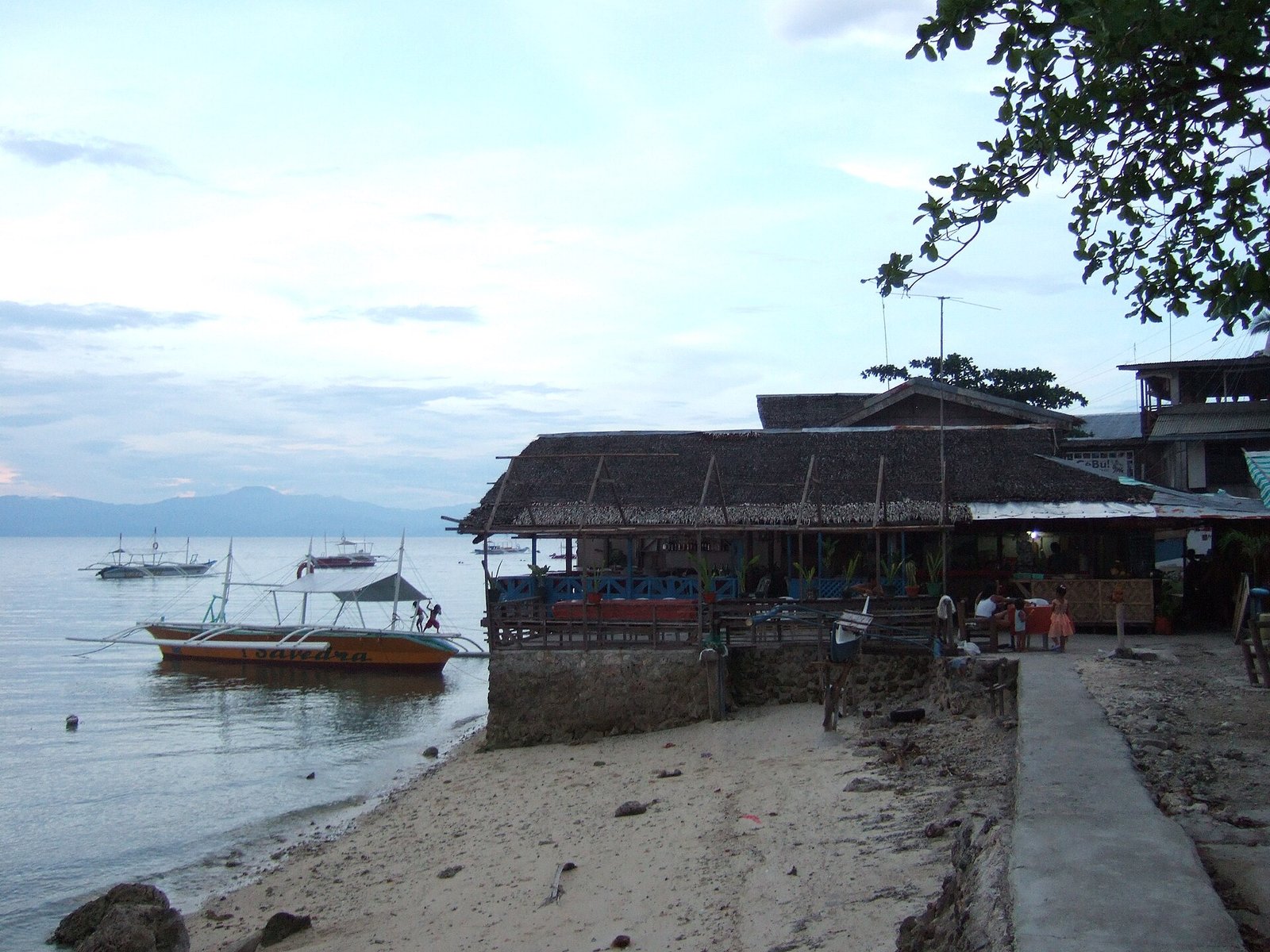
Hero photo: Per Edin via Wikimedia Commons (CC BY 2.0)