Camotes vs Bantayan Island 2026: Which Fits You?
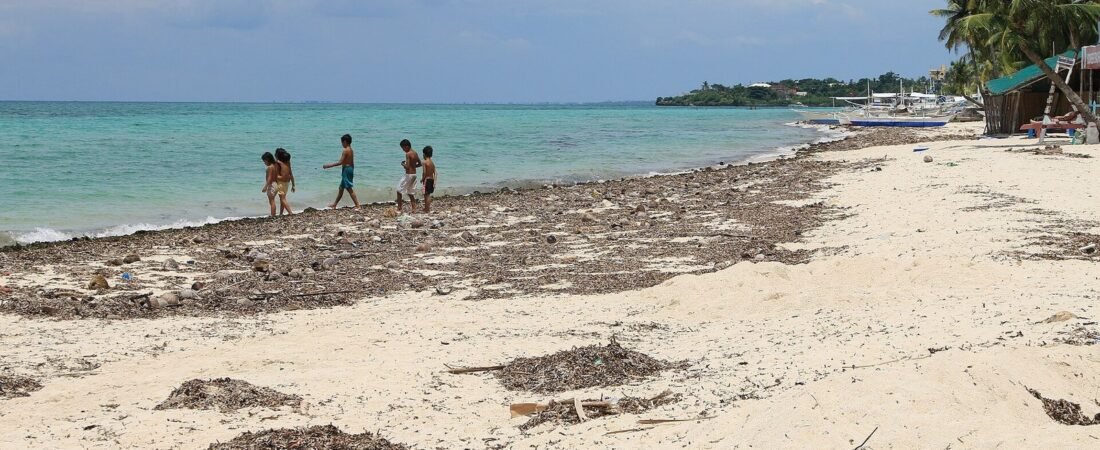
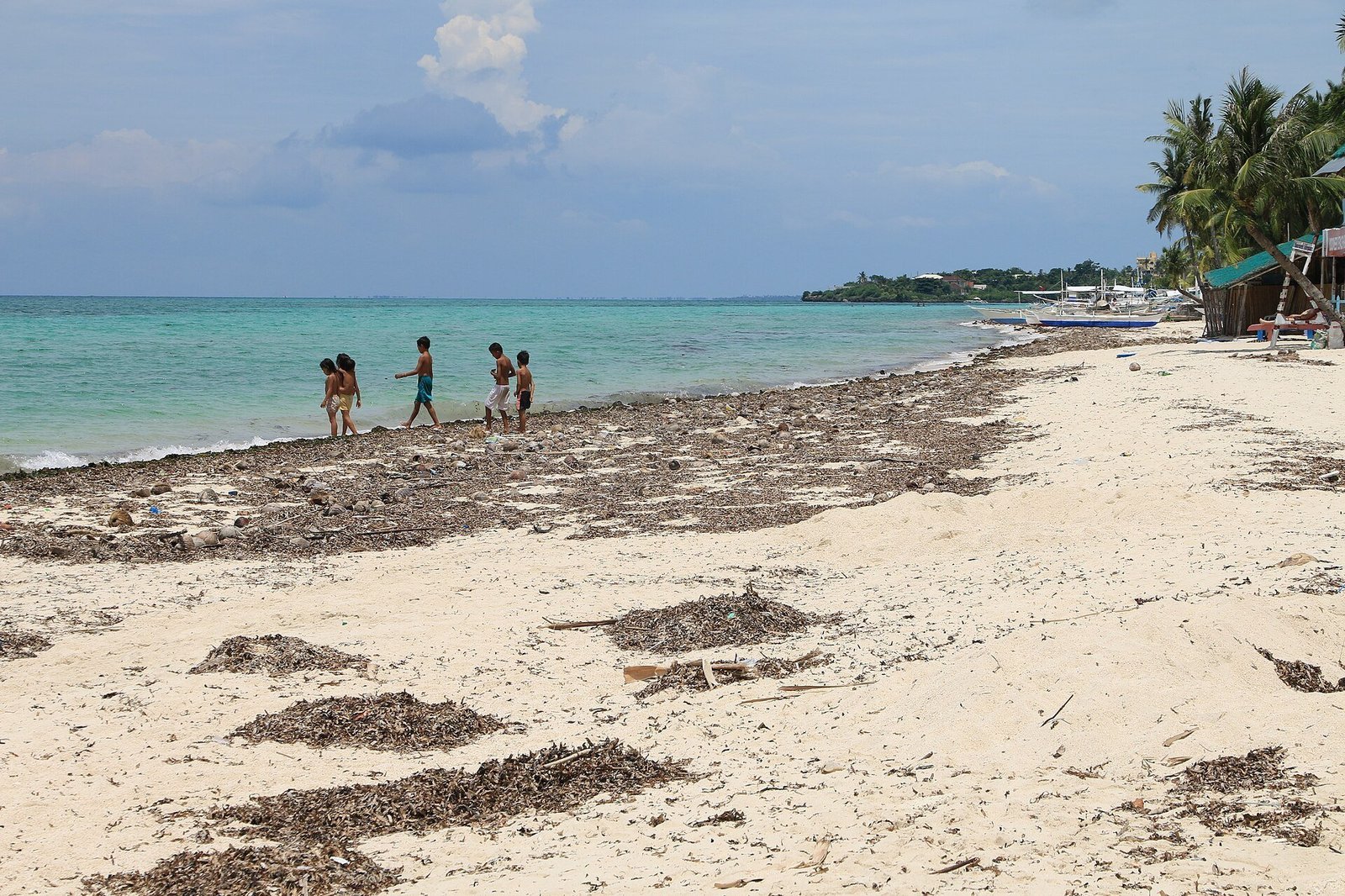
Illustrative beach scene representative of Cebu-area islands; not a specific location shown below
Camotes and Bantayan are the two islands near mainland Cebu that come up most often when travellers ask where to go for a short beach escape without flying further afield. This comparison focuses on choosing between Camotes and Bantayan specifically for a single short trip — a long weekend or a few days tacked onto a Cebu City stay — rather than travellers with enough time to see both. The two differ more in access and pace than in raw beach quality, and that difference is usually what should decide your pick.
Research-based guide · Ferry route and travel-time details checked 16 October 2026. Fares and schedules for both routes change; confirm them with the operators before booking.
How Each Island Is Reached
Bantayan is reached via Hagnaya Port on northern Cebu, about a 3–4 hour bus ride from Cebu City’s North Bus Terminal, followed by a roughly one-hour ferry (Island Shipping or Super Shuttle Ferry) to Santa Fe Port, with sailings reported from as early as 3AM to as late as 5:30PM. Camotes is reached either directly from Cebu City/Mactan by fast craft (about 1.5–2 hours) or via Danao, about an hour north of Cebu City, followed by a roughly 2-hour crossing. In practical terms, Bantayan’s single overland-then-ferry route is simpler to plan around, while Camotes offers more route choice but a slightly longer total journey on most options.
Both routes depend on a boat you don’t control, so neither island removes the risk of a weather-related delay entirely. Bantayan’s shorter, more frequent Hagnaya–Santa Fe crossing generally recovers from a missed or cancelled sailing faster than Camotes’ less frequent options do; see our detailed Camotes route guide for the full operator-by-operator breakdown if that’s a deciding factor for your trip.
Compare at a Glance
| Category | Camotes | Bantayan |
|---|---|---|
| Access | Fast craft from Cebu City/Mactan, or cheaper Danao route | Bus to Hagnaya Port, then ~1 hour ferry to Santa Fe |
| Total journey time | Roughly 2.5–4 hours door-to-door depending on route | Roughly 4–5 hours door-to-door including the bus leg |
| Island layout | Four towns across several linked/separate islands | Three municipalities (Bantayan, Madridejos, Santa Fe) on one island |
| Known for | Santiago Bay, Lake Danao, caves, a quieter overall feel | Kota Beach, Sugar Beach, a more developed tourist strip around Santa Fe |
| Getting around | Tricycle/habal-habal; a bridge links Pacijan and Poro | Tricycle and scooter rental; flatter, easier road network |
| Best suited to | Travellers prioritising quiet over convenience | Travellers wanting an easier, more sociable island weekend |
Beaches and Towns
Bantayan’s Santa Fe side holds the island’s best-known beaches, including Kota Beach, and the town itself has a more built-out stretch of resorts, restaurants and dive shops than anything on Camotes. Madridejos, at the island’s northern tip, is quieter and known for Sugar Beach. Camotes’ equivalent hub is Santiago Bay in San Francisco, which has a real but smaller concentration of guesthouses and resorts, with Mangodlong’s rock-and-beach combination as a short ride away. If you want a wider choice of places to eat and things to do within walking distance, Bantayan’s Santa Fe generally offers more; if you want fewer people on the sand, Camotes generally delivers that more reliably.
Neither town is set up for nightlife in the way Cebu’s more developed coastal strips are. Bantayan’s Santa Fe has a wider spread of beachfront bars and restaurants that stay open past sunset, while Camotes’ San Francisco tends to wind down earlier, with most activity centred around dinner rather than a late evening scene. If an active nightlife is part of what you’re after, neither island is really the right pick compared with somewhere like Moalboal or mainland Cebu’s resort strips — both Camotes and Bantayan are built around the beach and the day, not the evening.
Pace and Crowd Levels
Bantayan sees more domestic and international visitors overall, partly because its ferry crossing is shorter and more frequent, and partly because its tourist infrastructure is simply further along. Camotes’ extra travel friction — the longer crossing, fewer daily sailings on some routes, limited ATM access — filters out a share of casual day-trippers, which is part of why it still feels less developed. Neither island is crowded by the standards of Boracay or Bali’s southern coast, but Bantayan is the busier of the two on most weeks, and noticeably busier during Holy Week and other domestic holiday periods.
If you’ve visited one of the Philippines’ busier beach destinations before and found it more crowded than you’d like, that experience is a reasonable guide here: Bantayan sits a step below that level of development, and Camotes sits a further step below Bantayan. Travellers coming from a genuinely quiet home base sometimes find even Bantayan busier than expected, simply because their frame of reference is different from someone comparing it against Boracay.
Cost Comparison
Both islands have historically offered budget guesthouses well under ₱2,000 a night alongside a smaller number of pricier beachfront options, so neither is clearly cheaper on accommodation alone. The bigger cost difference is in getting there: Bantayan’s bus-plus-ferry route has a fairly fixed, modest total cost, while Camotes’ fare range is wider depending on whether you take the pricier direct fast craft or the cheaper Danao crossing. Factor in a meal or two during the longer Bantayan bus leg if you’re travelling light on time.
On-island spending tends to favour Bantayan for variety — more restaurants at more price points, more dive and snorkelling operators competing on price — while Camotes’ smaller selection means less room to shop around for a better rate on a tour or a meal. Neither island will meaningfully change the total cost of a Cebu-based trip either way; the difference between them is measured in hundreds, not thousands, of pesos for most itineraries.
Which One Should You Pick?
Pick Bantayan if you want a straightforward route, more restaurants and dive shops within reach, and don’t mind sharing the beach with more fellow travellers. Pick Camotes if a quieter stretch of sand matters more than convenience, and you don’t mind a longer or slightly pricier crossing and more limited cash access once you’re there. Travellers with enough time for both often pair a few nights on Bantayan with a separate Camotes trip rather than trying to combine them in one visit, since the two aren’t directly connected to each other by ferry.
First-time visitors to the central Visayas who have never done an inter-island ferry crossing before often do well starting with Bantayan, since its route is simpler to plan and recover from if something goes wrong. Repeat visitors who already know what to expect from a Philippine fast craft, and who specifically want a quieter alternative to islands they’ve already seen, tend to be the better fit for Camotes. Neither island requires special preparation beyond the cash and time-buffer points covered above, but matching the island to your own comfort with informal, boat-dependent travel will do more for how much you enjoy the trip than any comparison of beach quality alone.
For more on each island individually, see our Camotes Islands travel guide and, for Cebu-area alternatives with a different angle again, our Malapascua diving guide and best luxury beach resorts in Cebu roundup.
Sources
Route details here come from Philippine Beaches’ Bantayan access guide and Lakwatsero’s Camotes travel guide, with general background from the Wikipedia entry on Bantayan Island and the Wikipedia entry on the Camotes Islands. Fares, bus schedules and ferry timetables on both routes are worth reconfirming directly with the operators close to your travel date, since the sources above reflect reporting at different points in time rather than a single live feed.
Frequently Asked Questions
Which island is easier to reach from Cebu City?
Bantayan has a more straightforward single route via Hagnaya Port, though it includes a 3–4 hour bus leg. Camotes offers more route choice but a similar or slightly longer total journey.
Which island is quieter?
Camotes, generally. Its longer crossing and more limited infrastructure filter out some casual day-trippers compared with the more developed Bantayan.
Which has better beaches?
Both have strong beaches — Bantayan’s Kota Beach and Sugar Beach are better known, while Camotes’ Santiago Bay and Mangodlong are the local equivalents. It’s a matter of taste and crowd tolerance more than one beach being objectively better than the other.
Can I visit both on the same trip?
It’s possible but not direct — there’s no ferry between Camotes and Bantayan, so you’d route back through mainland Cebu between the two, which effectively adds a full travel day to combine them.
Which is cheaper overall?
Accommodation costs are similar on both. Getting to Bantayan has a more fixed, modest cost; Camotes’ fare range is wider depending on which crossing you choose. The gap between them is usually a few hundred pesos per person, not a large enough difference to decide your trip on cost alone.
Neither island is a wrong choice — the decision comes down to how much travel friction you’re willing to trade for a quieter beach. If you’re still unsure after weighing access, cost and crowd levels, picking based on which ferry route best fits the rest of your wider Cebu itinerary is usually a more reliable tiebreaker than trying to rank the beaches themselves, since both islands deliver a genuinely good one.