How to Get to Camotes Islands From Cebu 2026
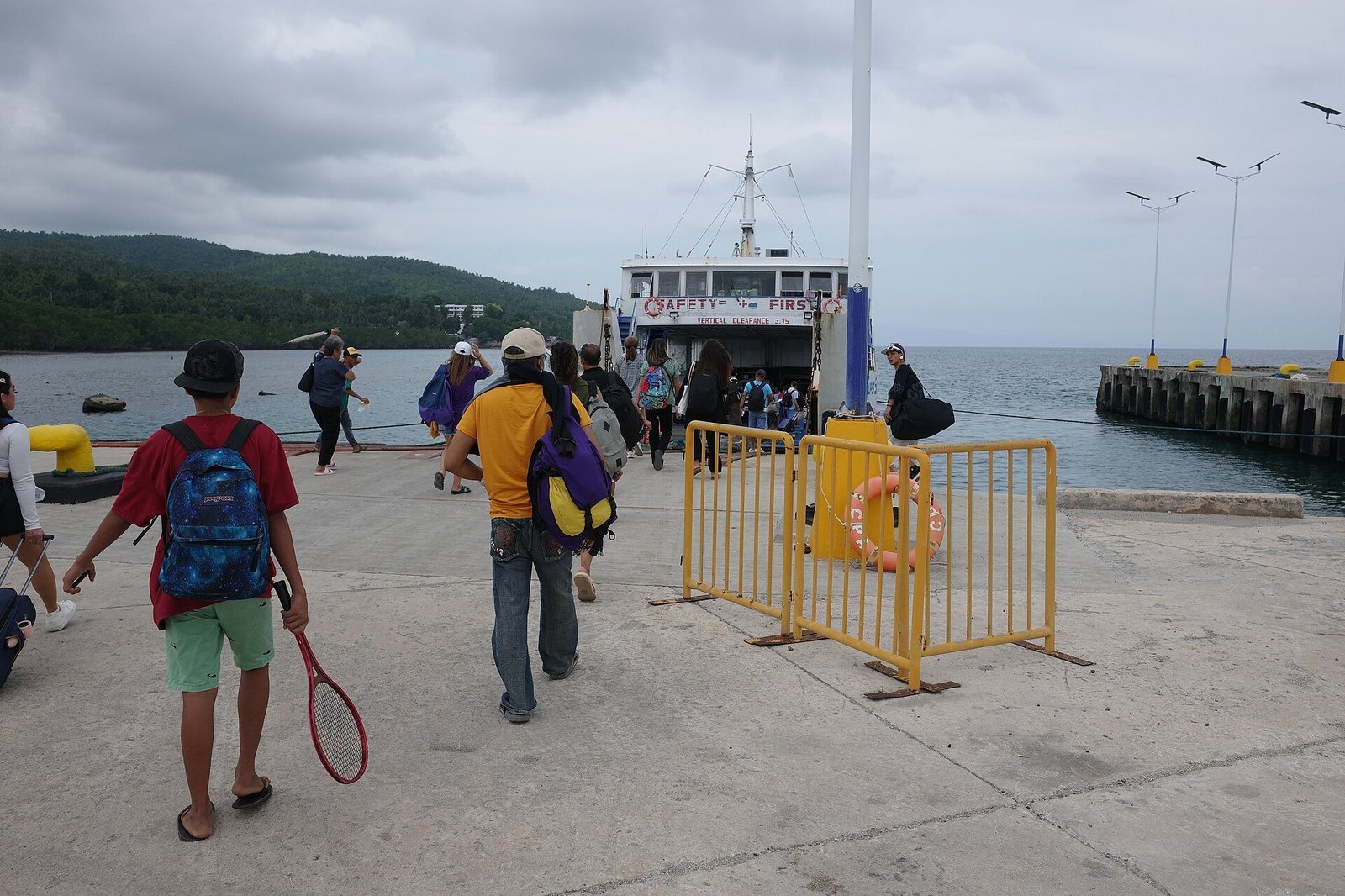
Illustrative ferry port scene near the Camotes Islands; not a specific operator shown below
There is no bridge, airstrip or direct flight to the Camotes Islands — every route in starts with a boat. This guide focuses on getting to Camotes specifically for first-time visitors deciding which of the three jump-off points to use: Cebu City or Mactan directly, the cheaper Danao crossing north of Cebu City, or the Ormoc–Pilar boat if you’re arriving from Leyte rather than Cebu. It draws on ferry operator and traveller-reported schedules rather than a live booking system, so treat departure times and fares as a planning baseline and confirm them before you travel.
Research-based guide · Ferry operator and traveller-reported details checked 16 October 2026. Inter-island ferry schedules in the Philippines change with demand, weather and operator decisions, so reconfirm times and fares close to your travel date.
Route 1: Direct From Cebu City or Mactan
The most straightforward option for most visitors is a fast craft direct from Cebu City or Mactan Wharf to Consuelo Port in San Francisco, on Pacijan Island. OceanJet has run two daily fast-craft departures on this route, at around 6AM and 3PM, taking about 1.5 hours with fares starting from roughly ₱500. Jomalia Shipping also sails from Mactan Wharf, at least once daily, taking closer to 2 hours with fares starting from roughly ₱350. Buy tickets at the terminal rather than assuming walk-up availability on peak days, particularly around weekends and Philippine holidays, when seats on the morning OceanJet departure can sell out; the 3PM sailing is the usual fallback, though it puts you arriving on Camotes later in the day with less daylight left to look around. This route suits travellers staying in Cebu City or Mactan who want to minimise overland transfers before the crossing.
Jomalia Shipping’s schedule has historically run less frequently than OceanJet’s single daily pair of departures, so it tends to suit travellers who already have one specific sailing in mind rather than those who want a same-day backup if their first choice sells out or is delayed. Either operator’s counter at Mactan Wharf can usually tell you the other’s current departure times if your first option doesn’t work.
Route 2: Via Danao (the Budget Route)
Danao, about an hour north of Cebu City by multicab or public bus for roughly ₱30, runs its own ferries to Consuelo Port. Sailings have historically run frequently through the day, from around 5:30AM to 9PM, with the roughly 2-hour crossing costing in the region of ₱200 — noticeably cheaper than the direct Cebu City/Mactan fast craft. This is the route locals and budget-conscious travellers tend to use, at the cost of an extra hour or so of overland travel to reach Danao Port first.
Danao Port itself is small and functional rather than a destination in its own right, so most travellers treat the stop as a pure transit point. If you’re travelling with heavy luggage, factor in that the multicab or bus leg from Cebu City isn’t designed for large suitcases in the same way an airport transfer is; a backpack or a soft duffel makes the Danao route noticeably easier than a hard-shell case.
Route 3: Via Ormoc, Leyte
If your trip starts on Leyte rather than Cebu, a public boat runs from Ormoc City to Pilar, on Ponson Island, in about an hour. This avoids routing back through Cebu entirely, but Pilar is the most remote of Camotes’ four towns and has noticeably less tourist infrastructure than San Francisco or Poro, so plan onward transport within the islands accordingly.
Ormoc is itself reachable from Cebu City by fast craft, so some travellers use this route in reverse: sailing Cebu City to Ormoc, exploring part of Leyte, then crossing to Pilar rather than doubling back to a Camotes-direct port. It’s a longer way around than the direct routes above, but it works well if Leyte is already on your itinerary rather than an afterthought.
Pilar’s limited infrastructure cuts both ways: it means fewer amenities on arrival, but it also means you’re genuinely off the more-travelled path the moment you step off the boat. Travellers who take this route specifically for that reason should still plan to move on to San Francisco or Poro within a day or two, since Pilar itself has little built around tourism beyond the port.
Comparing All Three Routes
| Starting point | Port used | Approx. duration | Approx. one-way fare | Best for |
|---|---|---|---|---|
| Cebu City / Mactan | Consuelo (San Francisco) | 1.5–2 hours | ₱350–500+ | Minimising overland transfers |
| Danao | Consuelo (San Francisco) | ~2 hours | ~₱200 | Budget travellers |
| Ormoc (Leyte) | Pilar (Ponson Island) | ~1 hour | Varies | Travellers arriving from Leyte |
Read the “best for” column as a starting point rather than a rule. A traveller on a tight one-night turnaround from Mactan will usually still prefer the direct fast craft even though it costs more, simply because it removes a transfer; a traveller with a full week and a flexible schedule often finds the Danao route’s savings worth the extra hour, especially if they’re making the round trip twice. There’s no single “correct” route — only the one that matches your specific itinerary and budget.
Getting to the Ports Themselves
From Mactan-Cebu International Airport, Mactan Wharf is a short taxi or ride-hailing trip, making the direct OceanJet or Jomalia route convenient if you’re flying straight in. Reaching Danao Port from central Cebu City adds a multicab or bus leg of about an hour before you even board a boat, so weigh that against the fare savings — for a short trip, the time cost may outweigh the money saved; for a longer stay, the savings add up across the return leg too.
If you’re arriving in Cebu by air and connecting straight through, build in a buffer between your flight landing and your ferry’s departure. Immigration and baggage claim at Mactan-Cebu International Airport can eat 30–60 minutes on a busy day, and missing the morning fast craft typically means a multi-hour wait for the next sailing rather than a quick rebooking onto another carrier, unlike a missed domestic flight.
Once You’re on Camotes
Consuelo Port in San Francisco has frequent connections back to both Danao and Cebu City/Mactan, so basing yourself there keeps your return options flexible. Pacijan and Poro islands are linked by a bridge, so onward travel within Camotes after you arrive is by tricycle or habal-habal rather than another boat, except for reaching Pilar on Ponson Island.
Arrange your first tricycle or habal-habal ride at the port itself rather than trying to book one ahead of time; this is an island where transport is largely informal and arranged in person, and drivers meeting incoming ferries are generally easy to find. Agree the fare before you set off, since meters aren’t standard practice here.
For what to do once you’ve arrived, see our Camotes Islands travel guide, and for timing the crossing around weather risk, see best time to visit Camotes.
If You’re Still Deciding Between Islands
Camotes’ ferry-only access is part of why it feels quieter than islands with shorter, more frequent crossings. If easier logistics matter more to you than a quiet beach, our Camotes vs Bantayan comparison and the best luxury resorts in Cebu roundup cover more accessible alternatives nearby.
For background on the operators and route details referenced here, see Lakwatsero’s Camotes travel guide, Philippine Beaches’ Camotes tips and the Wikipedia entry on the Camotes Islands for geography context.
It’s also worth noting what none of these routes offer: there is currently no scheduled passenger flight, helicopter transfer or car-ferry service to Camotes, and no route lets you bring a rental car across from the mainland. Travellers who want their own vehicle on the islands generally rent a scooter locally instead once they’ve arrived, rather than trying to bring one over by boat. Scooter rentals in San Francisco and Poro are informal and typically arranged through your guesthouse rather than a dedicated rental counter, so ask at check-in rather than expecting to find a storefront.
Frequently Asked Questions
Can I fly to Camotes?
No. There is no airport or airstrip on the islands; every route in is by boat from Cebu City, Mactan, Danao or Ormoc.
Which route is cheapest?
The Danao crossing has historically been the cheapest, at roughly ₱200 one-way, though it adds about an hour of overland travel from Cebu City to reach Danao Port first.
Which route is fastest from the airport?
The direct OceanJet or Jomalia Shipping fast craft from Mactan Wharf, since Mactan is close to Mactan-Cebu International Airport.
What if I’m coming from Leyte, not Cebu?
Take the public boat from Ormoc City to Pilar on Ponson Island, about an hour, which avoids routing back through Cebu.
Do ferry schedules change often?
Yes. Treat the times and fares here as a planning baseline and confirm current schedules with the operator shortly before you travel, especially during the wetter months when sailings are more likely to be rescheduled or cancelled on short notice.
None of the three routes is dramatically better than the others — the right one depends on where your trip already starts and whether you’d rather save time or money on the crossing. Whichever port you choose, build in a little slack around the crossing itself, since it remains the one leg of the journey you can’t fully control, and it’s the detail most trip reports mention regretting not planning for.