Amanpulo Guide 2026: Pamalican Private Island
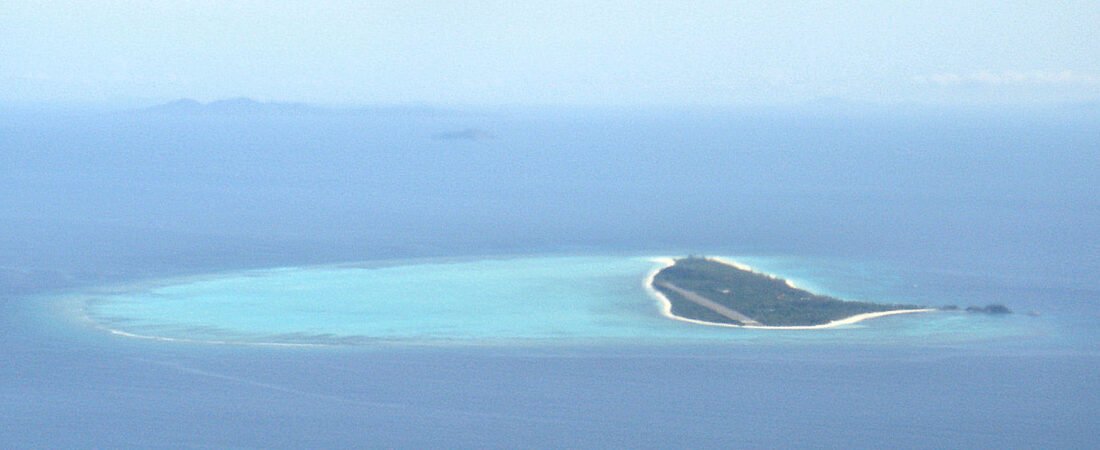
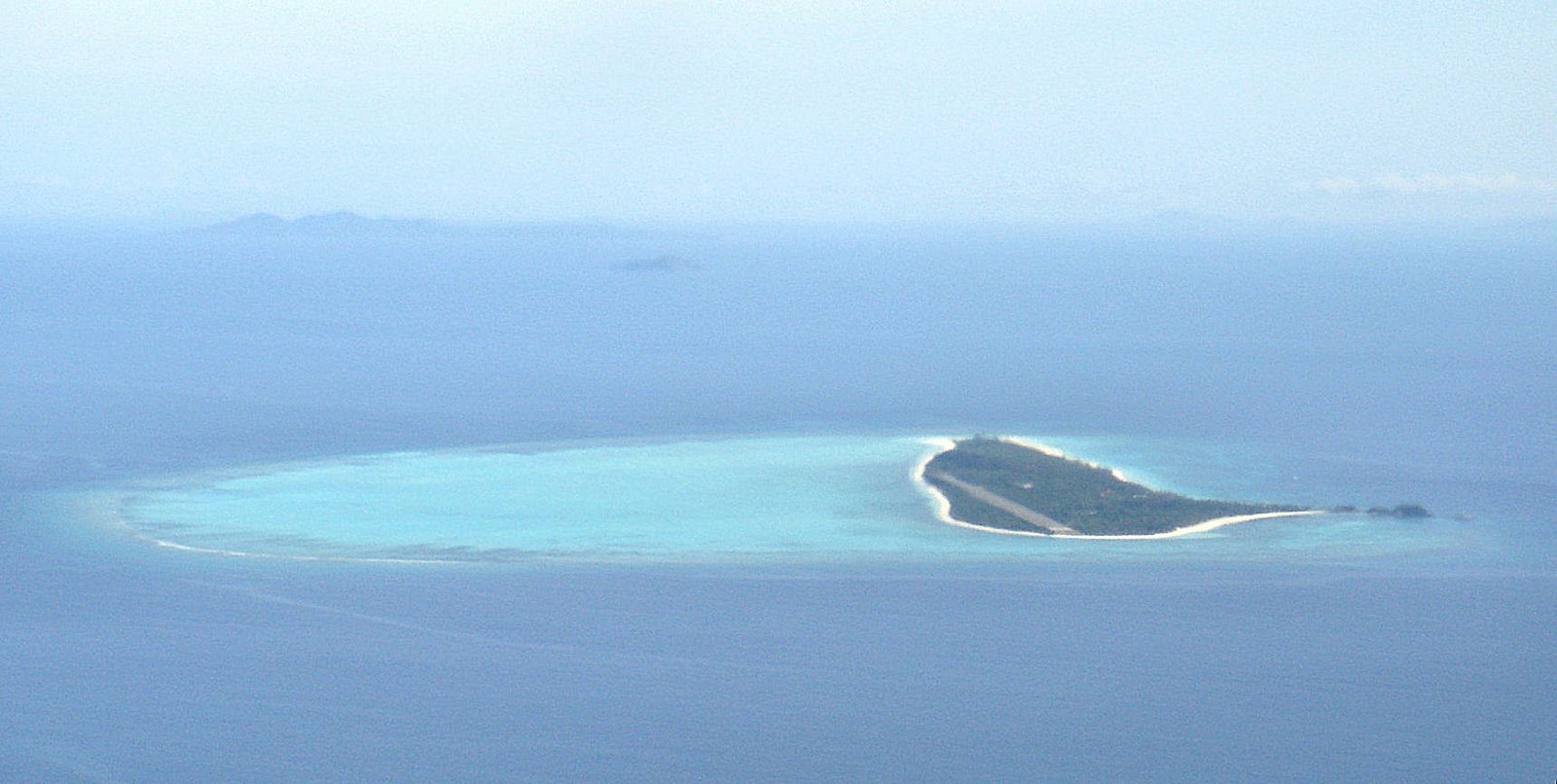
Photo: PHGCOM via Wikimedia Commons (CC BY-SA 4.0)
TL;DR: Amanpulo is a one-resort private island in the Philippines’ Cuyo Archipelago, reached only by the resort’s own flight from Manila; book a beach or pool casita between December and May for the calmest seas and best diving.
Amanpulo — “peaceful island” in a blend of Sanskrit and Tagalog — opened on Pamalican Island in 1993 and remains one of the most private beach stays in Asia. The entire island belongs to the resort: a slim strip of land fringed by powder-white sand and ringed by a house reef, with only a few dozen casitas and villas spread across it.
This guide focuses on Amanpulo specifically for travellers weighing a once-in-a-lifetime private-island stay against more accessible Philippine destinations like El Nido and Coron. We cover how to get there, which casita to choose, what you actually do all day, and how to decide whether it is worth the premium. For the bigger regional picture, see our complete Palawan island guide.
Where Is Pamalican Island?
Pamalican sits in the Cuyo Archipelago in the Sulu Sea, administratively part of Palawan province but far east of the El Nido and Coron areas most visitors know. It is small — roughly two and a half kilometres long — so you can explore its full shoreline on foot or by the electric buggy assigned to each casita.
That isolation is the point. There are no villages, no other hotels and no day-trippers. The surrounding reef is protected and in good condition, and on still mornings the water is clear enough to watch turtles and reef fish from the beach. You can read more about the wider island group on Wikipedia’s Cuyo Archipelago page.
Getting There: The Resort Flight
Practically every guest arrives on Amanpulo’s own light aircraft from Manila. You check in at a private lounge near Ninoy Aquino International Airport, fly a little over an hour, and land on Pamalican’s own airstrip, where staff meet the plane. Baggage allowances on these small aircraft are tighter than on commercial flights, so pack soft bags and check the current limit when booking.
Because the flight only links Amanpulo with Manila, plan your international connection with a buffer. Flights can be delayed or rescheduled in poor weather, particularly during the south-west monsoon, so avoid booking a tight same-day onward connection on departure day.
Casitas and Villas: Which to Choose
Accommodation is split between casitas — standalone pavilions inspired by the traditional Filipino bahay kubo — and larger villas with multiple bedrooms, private pools and dedicated staff.
| Type | Setting | Private pool | Best for |
|---|---|---|---|
| Beach Casita | Steps from the sand | No | Couples who live in the water |
| Treetop Casita | Raised among trees, sea glimpses | No | Privacy at a lower price point |
| Hillside Casita | Elevated, panoramic views | No | Sunset and view lovers |
| Pool Casita | Beachside with plunge pool | Yes | Honeymooners |
| Villas (multi-bedroom) | Hillside or beach, very private | Yes | Families and groups |
For most couples, a Beach Casita gives the quintessential Amanpulo experience: sand right outside the door and the reef a short swim away. Upgrade to a Pool Casita only if a private plunge pool genuinely matters — the sea and main pool are rarely crowded. Families should look at the villas, which come with their own kitchens, staff and space to spread out.
What to Do on the Island
Days at Amanpulo revolve around the water. The on-site dive centre runs trips to reef walls around Pamalican and nearby islands, and the house reef is good enough that many guests snorkel straight from the beach. Kayaks, paddleboards, sailing and fishing trips are available, and the lagoon side of the island is calm for beginners.
- Snorkelling and diving: healthy coral, turtles and reef sharks are regular sightings.
- Spa: treatments draw on Filipino healing traditions such as hilot massage.
- Island picnics: the team can set up a private lunch on a deserted stretch of sand.
- Tennis and fitness: courts and a gym for guests who want structure in their day.
- Sunset cruises: sailing trips around the Cuyo islands.
Dining is spread across the clubhouse, beach restaurant and in-villa options, with an emphasis on fresh seafood and Filipino dishes. The pace is unhurried — expect long lunches and early nights rather than a dining scene.
Amanpulo vs Other Palawan Stays
The most common question is whether Amanpulo is worth the premium over El Nido or Coron. They are different trips. El Nido and Coron offer dramatic limestone scenery, lagoons and island-hopping, with a wider range of luxury hotels and restaurants. Amanpulo offers almost none of that variety — and almost total privacy instead.
Our El Nido vs Coron comparison covers the busier northern Palawan options, and Palawan vs Maldives is useful if you are comparing Amanpulo’s one-island-one-resort format with a Maldives stay. For other single-resort islands in the region, see our Southeast Asia private island resorts roundup.
Best Time to Visit and Budget Planning
The Philippines has two main monsoon patterns. The north-east monsoon (amihan), roughly December to March, is cooler and generally dry in this region; April and May are hot and calm, often with the best water visibility. The south-west monsoon (habagat), roughly June to October, brings rain, stronger winds and a higher chance of typhoons. Check PAGASA, the national weather agency, for current forecasts before you fly.
Amanpulo is among the most expensive resorts in Asia. Rates vary heavily by season and casita type, and the return flight from Manila is charged separately, so build that into your budget. Book well in advance for Christmas, New Year and Easter, when the island can sell out months ahead. Current rates and packages are on Aman’s official Amanpulo page.
A Sample Four-Night Amanpulo Itinerary
Four nights is the sweet spot for most couples: long enough to slow down after the journey, short enough to justify the cost. Here is how a balanced stay might look.
- Day 1 — Arrival and reef orientation: Take the morning flight from Manila so you land in time for lunch. Spend the afternoon snorkelling the house reef directly off the beach, then watch the sunset from the hillside clubhouse.
- Day 2 — Diving or a guided snorkel trip: Head out with the dive centre to the reef walls around Pamalican and neighbouring islets. Non-divers can join snorkel boats. Book a hilot massage at the spa for the late afternoon.
- Day 3 — Private island picnic: Ask the team to set up a picnic on a quiet stretch of sand, then try kayaking or paddleboarding in the calm lagoon. Dinner is a good night for a beach barbecue.
- Day 4 — Slow day: Cycle or buggy around the island, play tennis early before the heat, and keep the afternoon free for reading and swimming.
- Day 5 — Departure: Take a later flight back to Manila if your onward connection allows, and leave a generous buffer for weather delays.
Practical Tips Before You Go
Pack light and soft: the small aircraft has stricter baggage limits than commercial jets, and you will live in swimwear, cover-ups and sandals anyway. Bring reef-safe sunscreen, a rash guard for long snorkel sessions, and any prescription medication you need, because there are no pharmacies on the island beyond basic resort supplies.
Connectivity is good enough for messages and email, but this is not a place to plan heavy video calls. If you are diving, bring your certification card and logbook, and remember the standard rule of leaving at least 18 hours between your last dive and the flight back to Manila — schedule your final dive accordingly.
Finally, tell the resort about celebrations, dietary requirements and preferred activities when you confirm. Aman’s teams are known for personalising stays, and a small island means they can plan around you with unusual precision.
Key Takeaways
- Amanpulo occupies the whole of Pamalican Island — no other hotels, villages or day visitors.
- Access is by the resort’s own flight from Manila, so allow buffer time for onward connections.
- Beach Casitas are the classic choice; villas suit families and groups.
- December to May offers the calmest seas and best diving conditions.
- Budget separately for the return flight, which is not included in room rates.
- Choose El Nido or Coron instead if you want variety, island-hopping and restaurants.
Frequently Asked Questions
How do you get to Amanpulo?
Guests fly from Manila on the resort’s own scheduled light aircraft, which departs from a private lounge near Ninoy Aquino International Airport. The flight to Pamalican’s airstrip takes a little over an hour. There is no public ferry, so the resort flight is effectively the only practical way in.
How many rooms does Amanpulo have?
Amanpulo has around 40 casitas — split into beach, treetop, hillside and pool categories — plus a collection of multi-bedroom villas with dedicated staff. The low room count across a whole island is a big part of why it feels so private.
What is the best time to visit Amanpulo?
The dry months from roughly December to May bring the calmest seas and best visibility for snorkelling and diving. The south-west monsoon from about June to October can bring rain, wind and occasional flight disruptions, though it is also when rates soften.
Is Amanpulo good for families?
Yes, surprisingly so. The multi-bedroom villas suit families, the lagoon side of the island has gentle water, and activities such as snorkelling, kayaking, tennis and the dive centre keep older children busy. Very young children may find the lack of a dedicated kids’ club limiting.
Is Amanpulo worth the price?
If your priority is genuine seclusion — a whole island, a house reef and only a few dozen casitas — very few places in Asia compare. If you want nightlife, restaurant choice or island-hopping, El Nido or Coron will give you more variety for less.
Can you combine Amanpulo with El Nido or Coron?
Yes, but you will route back through Manila, because Amanpulo’s flights connect only to the capital. Many travellers do Amanpulo first for a slow reset, then fly Manila–El Nido for a more active second leg.
About the Author
This guide was researched by the LuxStay editorial team — curating luxury island and Southeast Asia stays, updated regularly with on-the-ground verification.