
Bali in December: Weather, Crowds & 7-Day Plan
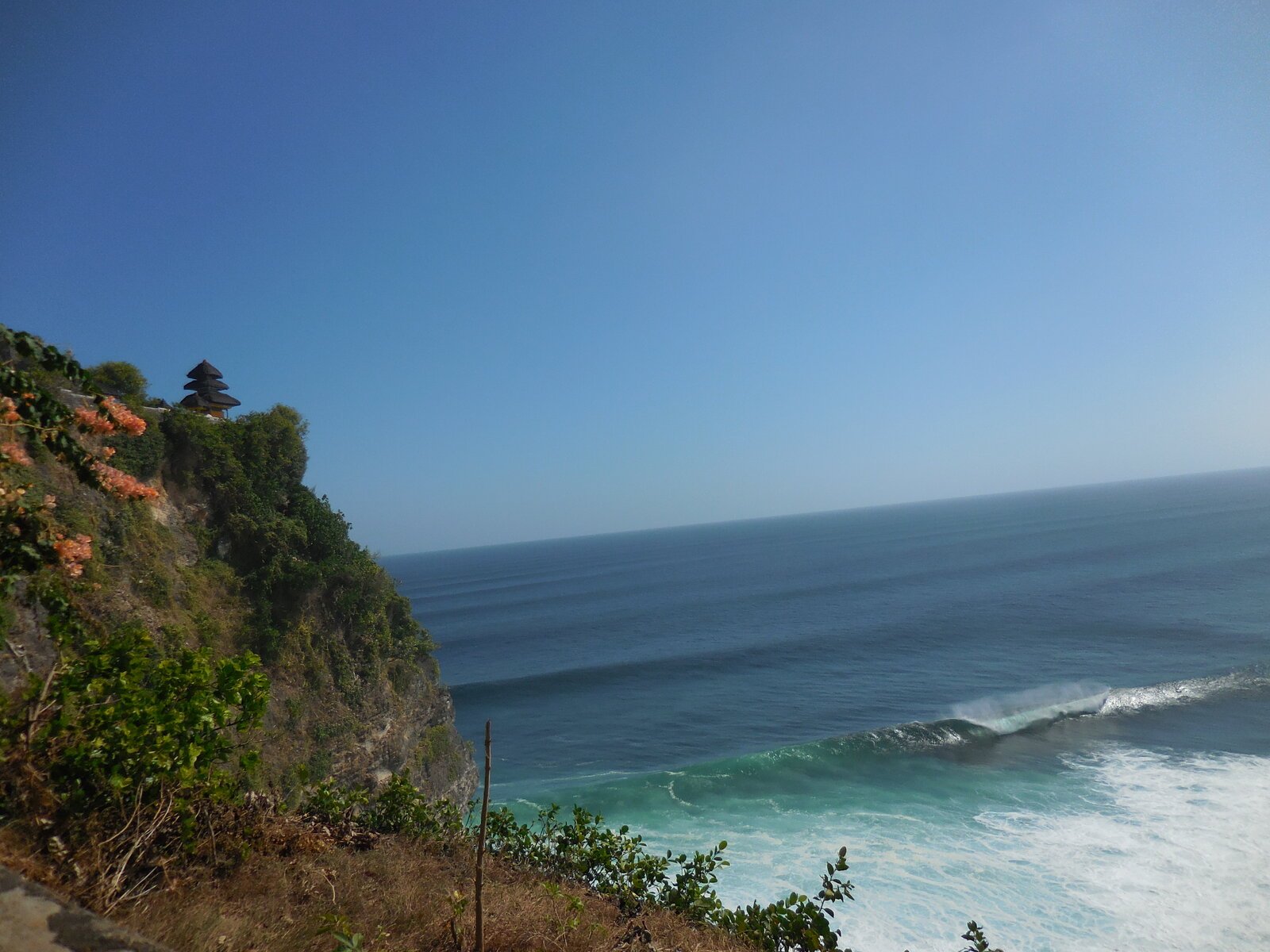
Illustrative Bali coastal scenery near Uluwatu. Not a photograph of a specific itinerary stop below.
Most “best time to visit Bali” articles rank December somewhere in the middle without explaining what that actually feels like on the ground. This guide focuses on Bali in December specifically for travellers who already have December travel dates fixed and want a realistic itinerary built around the wet season, rather than a general comparison of Bali’s best months for travellers who can still choose when to go.
Research-based guide · Updated for 2026
What December Weather Actually Looks Like
December marks the real start of Bali’s wet season. Daytime temperatures stay warm, typically in the low-to-mid 30s Celsius, but humidity climbs and most days bring at least one heavy, short-lived downpour, usually in the afternoon or evening. Mornings are the most reliably dry window, which is why outdoor plans in this itinerary front-load activity before midday rather than after lunch.
Rain in Bali’s wet season rarely means an all-day washout; it is closer to an intense hour of rain that clears, rather than the steady drizzle some travellers picture from the word “monsoon.” That said, flash flooding and landslide risk do rise in hillside areas like Ubud during particularly heavy spells, so flexibility matters more than usual and a fixed hour-by-hour itinerary is the wrong tool for this month.
Crowds and prices are the second big variable, and they do not track the weather at all — they track the calendar, which is the subject of the next section.
Crowds and Prices: Christmas and New Year Are a Different Trip
The first three weeks of December are busier than the shoulder season but still manageable, with restaurant bookings and villa availability staying reasonably accessible if you book a week or two ahead. The final week of December through New Year’s Day is Bali’s single most crowded, most expensive stretch of the entire year, with villa and resort rates commonly 30 to 60 percent above baseline and restaurant wait times stretching well past an hour in Seminyak and Canggu.
If festive atmosphere is the goal, book that window deliberately and early, ideally two to three months ahead for anything with a view or a pool. If it is not, aim for the first two to three weeks of December, or push the trip into Bali’s genuinely drier months instead if your dates are still flexible at all.
December vs. the Rest of the Wet Season
December is not Bali’s wettest month — that distinction usually falls to January or February, once the wet season is fully established. Early December tends to ease into the pattern gradually, with some days still carrying over the drier late-November feel, while the back half of the month more reliably produces the daily afternoon downpour described above. Travellers with any flexibility within December itself are generally better off targeting the first half of the month for marginally drier conditions, independent of the Christmas and New Year crowd surge covered below.
Sea conditions also shift with the season. Surf breaks on the Bukit Peninsula that are calm and beginner-friendly in the dry season can turn choppier and more current-prone in December, which matters for anyone planning to surf rather than just swim, and is worth checking with a local instructor before paddling out on an unfamiliar break.
Humidity, more than rainfall totals, is what most visitors underestimate about this stretch of the calendar. Even on a day with no measurable rain at all, the air can feel heavier and stickier than a dry-season day at the same temperature, which changes how much water you need to drink and how quickly outdoor sightseeing becomes tiring. Scheduling the most physically demanding parts of each day — temple visits, rice terrace walks, anything without shade — for the cooler morning hours matters more in December than it does in the drier months.
A Realistic 7-Day Itinerary Built Around the Rain
Day 1–2: South Bali, Rain-Resistant Sightseeing
Base in Uluwatu or Seminyak and use the first two days for activities that survive a sudden downpour: beach clubs with covered seating, Uluwatu Temple’s clifftop views in the morning before clouds build, and a spa or wellness booking as a built-in rain contingency for the afternoon rather than an afterthought. Evening plans in this stretch benefit from a covered or indoor restaurant booking as a backup, since an evening downpour here can be sudden enough to catch an open-air dinner mid-course.
Day 3–4: Nusa Dua and the Bukit Peninsula
Nusa Dua’s sheltered bay and resort infrastructure make it one of the more forgiving bases if the weather turns, with easier access to indoor dining and spa facilities than the open beach clubs further north. The Nusa Dua travel guide covers resort options in more detail.
Day 5–6: Ubud, With a Weather Caveat
Ubud’s rice terraces and temples are worth the detour, but December’s hillside rain raises flash flood and landslide risk on steeper roads, so check local conditions before driving rather than assuming clear access. Morning is again the better window for outdoor sightseeing here. Travellers who want a quieter, less crowded version of inland Bali can look at Sidemen’s luxury stays as an alternative base to Ubud itself.
Day 7: North Coast or a Flex Day
Keep the last day loose. If the week’s weather has been kind, Lovina on the north coast offers a calmer, less rain-affected alternative to the south; if not, a flex day absorbs whatever the itinerary lost earlier in the week without derailing the whole trip. See where to stay in Lovina for that option.
However the week has gone, resist the urge to pack the final day with last-minute sightseeing. December’s travel delays — a cancelled activity, a flooded road, a flight pushed back by regional weather — compound more easily than they do in the dry season, and a loosely held last day is what keeps a single rained-out afternoon from turning into a missed departure.
December vs. Bali’s Drier Months, at a Glance
| Factor | December | June–September (dry season) |
|---|---|---|
| Daily rain chance | High; short afternoon downpours | Low |
| Crowd level (last week) | Highest of the year | High but steadier |
| Villa prices (last week) | +30–60% surge | Standard high-season rates |
| Landslide/flood risk, hillside areas | Elevated | Low |
Practical Notes Before You Go
Pack a light rain jacket rather than relying on umbrellas in scooter traffic, and build at least one indoor backup activity into each day rather than hoping the forecast holds. Quick-dry clothing is worth prioritising over cotton, since humidity means almost nothing air-dries overnight in December the way it might in the dry season, and a dry bag for phones and cameras is cheap insurance against a sudden downpour catching you outdoors.
Road conditions deserve a second mention here: scooter rental is the default way to get around Bali, but wet roads plus December’s reduced daylight hours (sunset comes earlier than peak dry-season months) make night riding noticeably riskier. Travellers less confident on a scooter in the rain should budget for more car and driver bookings during this trip than they might in July or August, which adds a modest cost but removes one of December’s real safety trade-offs.
If this trip is part of a longer Indonesia route rather than a Bali-only stay, the Indonesia 2-week luxury itinerary and the Bali digital nomad guide both cover logistics beyond this 7-day window.
For current entry requirements, confirm visa-on-arrival rules with Indonesia’s Directorate General of Immigration, check official travel information through Wonderful Indonesia, and track short-term rain and storm forecasts with the Indonesian Agency for Meteorology, Climatology and Geophysics (BMKG) once your dates are closer and a specific forecast is available. Travel insurance that explicitly covers weather-related cancellations is worth the small extra premium for a December Bali trip, given how much more flight and activity disruption this month carries compared with the dry season and how quickly a single cancelled transfer can cascade into the rest of a tightly booked week.
Frequently Asked Questions
Is December a good time to visit Bali?
It is workable but not ideal. December sits at the start of Bali’s wet season, so expect warm temperatures, high humidity and short, heavy afternoon downpours most days, alongside the year’s biggest crowds and highest prices around Christmas and New Year.
How much rain actually falls in December?
Bali typically sees rain on more days than not in December, usually arriving as an intense but short afternoon or evening downpour rather than all-day drizzle. Mornings are commonly dry and sunny, which is why many itineraries front-load outdoor activities earlier in the day.
Should I avoid Bali over Christmas and New Year specifically?
Avoid it if you dislike crowds and price surges; book it deliberately if you want the festive atmosphere and do not mind paying 30 to 60 percent more for villas and restaurants during the last two weeks of December.
Is Bali safe from flooding or landslides in December?
Flash flooding and landslide risk rise in low-lying and hillside areas during heavy December rain, particularly around Ubud’s steeper roads. It is sensible to check conditions day-of rather than assume clear roads, and to avoid river gorges during active downpours.
Which parts of Bali are driest in December?
The far eastern and southeastern coast, including areas near Amed and parts of the Bukit Peninsula, tend to see somewhat less rainfall than Ubud’s interior, though no part of Bali is reliably dry for an entire December stay.
December Bali is a trade-off, not a mistake: warm water, fewer long dry stretches, and either festive crowds or manageable ones depending on which week you pick. Plan mornings for sightseeing, keep afternoons flexible, and the rain becomes a minor inconvenience rather than a trip-defining problem.