Best Island Resorts for Seniors in Southeast Asia 2026
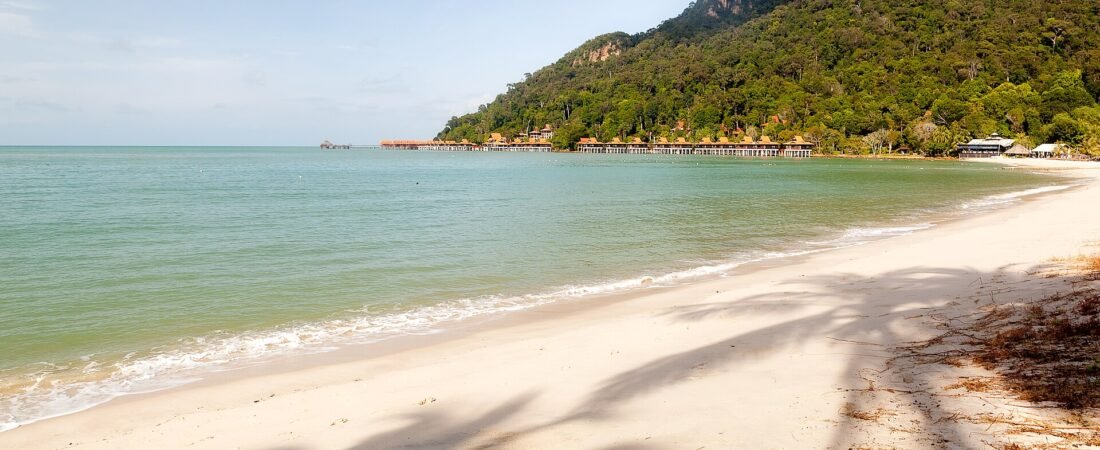
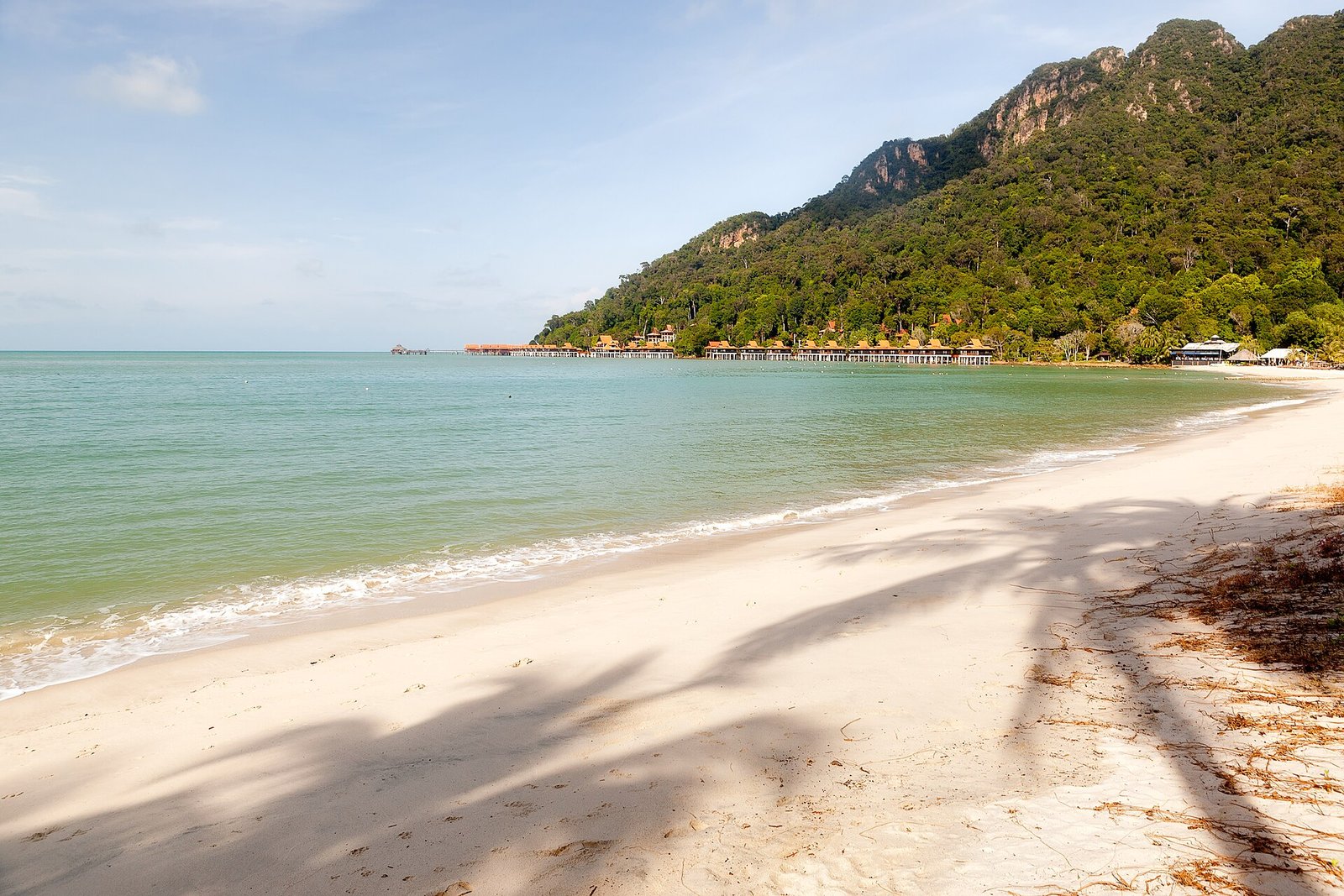
Photo: Langkawi beach via Wikimedia Commons (CC BY-SA 3.0).
Many island guides assume you are happy to ride a speedboat, climb steep villa steps and spend hours in transit. This guide focuses on island resorts specifically for travellers aged 65 and over, and for anyone who values short transfers, level paths and good hospitals nearby. We compare seven islands in Southeast Asia and explain what to look for when you choose a resort and a room.
Research-based guide · Updated October 2026. Prices and policies change, so verify directly with operators before booking.
Our top three picks
For the easiest trip, choose Sentosa in Singapore, with world-class healthcare and a 20-minute transfer. For a classic beach holiday, choose Nusa Dua in Bali or Laguna Phuket, both with flat resort grounds and international hospitals nearby. For long winter stays at a good price, consider Penang.
What makes an island resort senior-friendly?
The best resort for an older traveller is not always the most expensive one. Hillside pool villas that look stunning in photos often involve dozens of steps, steep golf-buggy rides and long walks to the restaurant. Overwater villas can mean long jetties with no shade. Before you book, check these points:
- Short, simple transfer: ideally under 45 minutes by road from an international airport, with no small boats.
- Level grounds and lifts: ground-floor or lift-served rooms, ramps, handrails and walk-in showers.
- Buggy service on call: large resorts should provide free buggies 24 hours a day.
- Quality medical care: an international-standard private hospital within about 30 minutes.
- Calm swimming: a sheltered beach or a pool with steps rather than a ladder.
- Shade and quiet: mature gardens, covered walkways and a no-party atmosphere.
The seven islands compared
| Island / area | Airport transfer | Nearest major hospital | Terrain | Best months |
|---|---|---|---|---|
| Sentosa, Singapore | About 20 to 30 min | Singapore’s major hospitals | Flat, very accessible | Feb to Apr |
| Nusa Dua, Bali | About 20 to 30 min | International private clinics in Nusa Dua | Flat, gated resort area | May to Sep |
| Laguna, Phuket | About 20 to 30 min | Private hospitals in Phuket Town | Mostly flat | Nov to Apr |
| Batu Ferringhi, Penang | About 45 to 60 min | Several private hospitals in George Town | Flat beachfront | Dec to Mar |
| Pantai Cenang, Langkawi | About 10 to 15 min | Government hospital; specialist care on mainland | Flat, small scale | Nov to Apr |
| Chaweng / Lamai, Koh Samui | About 15 to 30 min | Private hospital on island | Mixed, some hills | Feb to Aug |
| Phu Quoc, Vietnam | About 15 to 40 min | International hospital on island | Mostly flat | Nov to Apr |
Sentosa and Nusa Dua: the easiest choices
Sentosa is technically an island resort district in Singapore, and it is the lowest-stress option in this guide. Roads, pavements and public areas are well maintained and step-free, taxis are reliable, and Singapore’s healthcare system is among the best in Asia. Beaches are man-made but calm, and many hotels have large, shaded pools. The trade-off is that it feels more like a polished city resort than a tropical island. Check Visit Singapore for accessibility information on attractions.
Nusa Dua, on Bali’s southern peninsula, is a gated enclave of large resorts with wide, flat lawns, a long beachfront promenade and a calm lagoon protected by a reef. It is about half an hour from the airport using the toll road, and there are international-standard clinics nearby. Visit between May and September for dry, slightly cooler weather; our Bali best time guide explains the seasons.
Phuket and Koh Samui: Thailand’s easy islands
Phuket has a busy international airport and several private hospitals that are used to treating foreign visitors. The Laguna area on Bang Tao Beach is a good base: it is a cluster of large resorts linked by a shuttle boat and buggies, with mostly level paths. Avoid Patong if you want quiet evenings. The best weather is from November to April. If you are deciding between the two islands, read Koh Samui vs Phuket.
Koh Samui is smaller and calmer, with a pretty open-air airport and a private hospital on the island. Beachfront resorts in Chaweng, Lamai and Bophut tend to be flatter than the hillside villa resorts in the north and west, so ask for a beachfront or garden room. Samui’s rainy season is later than Phuket’s, with heavier rain usually from October to December, which makes it a good summer option.
Penang and Langkawi: Malaysia for long stays
Penang is a popular choice for winter sun stays of several weeks. It is a well-known medical tourism destination, with several private hospitals in and around George Town. Batu Ferringhi has a row of beachfront hotels on flat land, and George Town’s UNESCO-listed heritage area is about 30 minutes away for food, museums and trishaw rides. The sea is not the clearest, but most hotels have large pools. See our Penang food and hotel guide.
Langkawi is quieter and greener, with an airport only minutes from Pantai Cenang. Resorts are low-rise and spread out, the roads are uncrowded and the atmosphere is relaxed. The island has a government hospital, but complex cases are usually referred to the mainland or Penang, so it suits healthy travellers best. Read our Langkawi luxury resort guide and the Langkawi weather guide.
Phu Quoc: good value, newer resorts
Phu Quoc, off Vietnam’s southern coast, has developed quickly over the past decade. Many resorts are new, with modern accessible rooms and wide paths. There is an international hospital on the island and direct flights from several Asian cities. The southern part of the island around Bai Kem and Sunset Town is the most developed. Come between November and April for dry weather and calm seas on the west coast.
Islands to approach with care
Some of the region’s most beautiful islands are hard work for travellers with limited mobility. The Gili Islands have no motorised traffic and are reached by fast boat with wet landings on the beach. El Nido and Coron in Palawan often involve long road transfers and island-hopping in small boats. Koh Lipe, Koh Phi Phi and the Perhentian Islands rely on boats and have limited medical facilities. These places are wonderful, but choose them only if you are confident with boat transfers and uneven ground, and always carry good travel insurance.
Health, insurance and practical tips
Tropical heat is the biggest everyday risk. Plan outdoor activities for early morning or late afternoon, drink plenty of water and use the resort pool rather than long beach walks at midday. Check whether your travel insurance has an upper age limit, covers pre-existing conditions and includes medical evacuation. Bring enough prescription medicine for the whole trip in original packaging, with a letter from your doctor. Review country-specific health advice from the CDC Travelers’ Health pages, and check entry rules on official sites such as the Tourism Authority of Thailand.
When booking, email the resort before you pay and ask specific questions: how many steps from the drop-off point to the room, whether there is a lift, whether bathrooms have grab rails and walk-in showers, and how quickly a doctor can be called. A good resort will answer clearly. Request a room near the main building and restaurants to reduce walking, and consider a ground-floor room with a terrace rather than a private pool villa on a hillside. Finally, book flights that arrive in daylight, and add a night in a hub city such as Singapore or Bangkok if the total journey is longer than 14 hours.
Choosing between a resort and a serviced apartment
For stays of a month or more, a serviced apartment or a residence-style resort with a kitchen can be more comfortable and better value than a hotel room. Penang, Phuket and Bali all have good options with daily housekeeping, pools and on-site restaurants. You keep the support of hotel staff while enjoying more space and the freedom to cook simple meals.
Gentle activities worth planning around
Island holidays do not need to revolve around diving or hiking. Many resorts offer early-morning tai chi or yoga, aqua aerobics and cooking classes that are easy on the joints. Glass-bottom boat trips and large, stable catamaran cruises are good alternatives to snorkelling from a small longtail boat. In Penang and Phuket Town, short trishaw or taxi tours of heritage districts make a cool, comfortable morning outing. Spa treatments are excellent value across the region, but tell the therapist about any medical conditions, and choose gentler styles such as aromatherapy over deep-tissue or traditional Thai massage if you have joint or blood pressure issues.
A sample ten-day plan
Fly to Singapore and spend two nights on Sentosa to recover from the long-haul flight. Take a short flight to Phuket or Bali and spend six nights in one beachfront resort, so you only unpack once. Finish with two nights back in Singapore close to the airport for an easy departure. This plan keeps transfers short, avoids boats, and means you are never far from excellent medical care.
Frequently Asked Questions
Which Southeast Asian island is best for elderly travellers?
Sentosa in Singapore is the easiest overall, thanks to step-free infrastructure, short transfers and excellent healthcare. For a classic beach holiday, Nusa Dua in Bali and Laguna in Phuket are strong choices.
Are there good hospitals on Southeast Asian islands?
Phuket, Penang, Bali and Phu Quoc all have international-standard private hospitals. Smaller islands such as Koh Lipe or the Gili Islands have only basic clinics.
What is the best time for seniors to visit Thailand islands?
For Phuket and the Andaman coast, November to April is driest. Koh Samui is best from about February to August. December and January are the coolest and most comfortable months on the Andaman coast.
Should older travellers avoid speedboat transfers?
Speedboats can be bumpy and often involve wet landings on beaches. If you have back, joint or balance problems, choose an island with a road transfer from the airport, such as Phuket, Penang, Langkawi or Bali.
Is travel insurance harder to get after age 70?
Some policies set upper age limits or charge more for older travellers and pre-existing conditions. Compare specialist senior policies and make sure medical evacuation is included.