Best Luxury Hotels in Hobart 2026
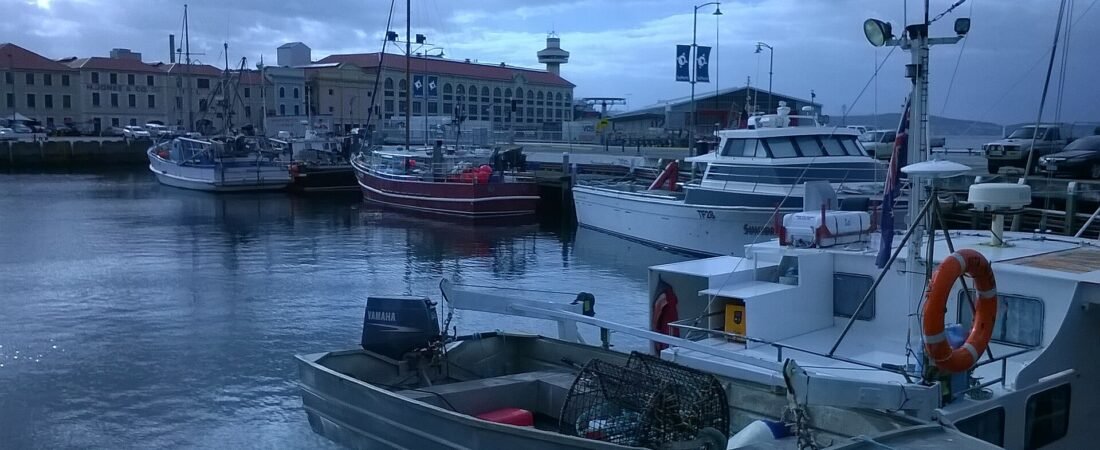
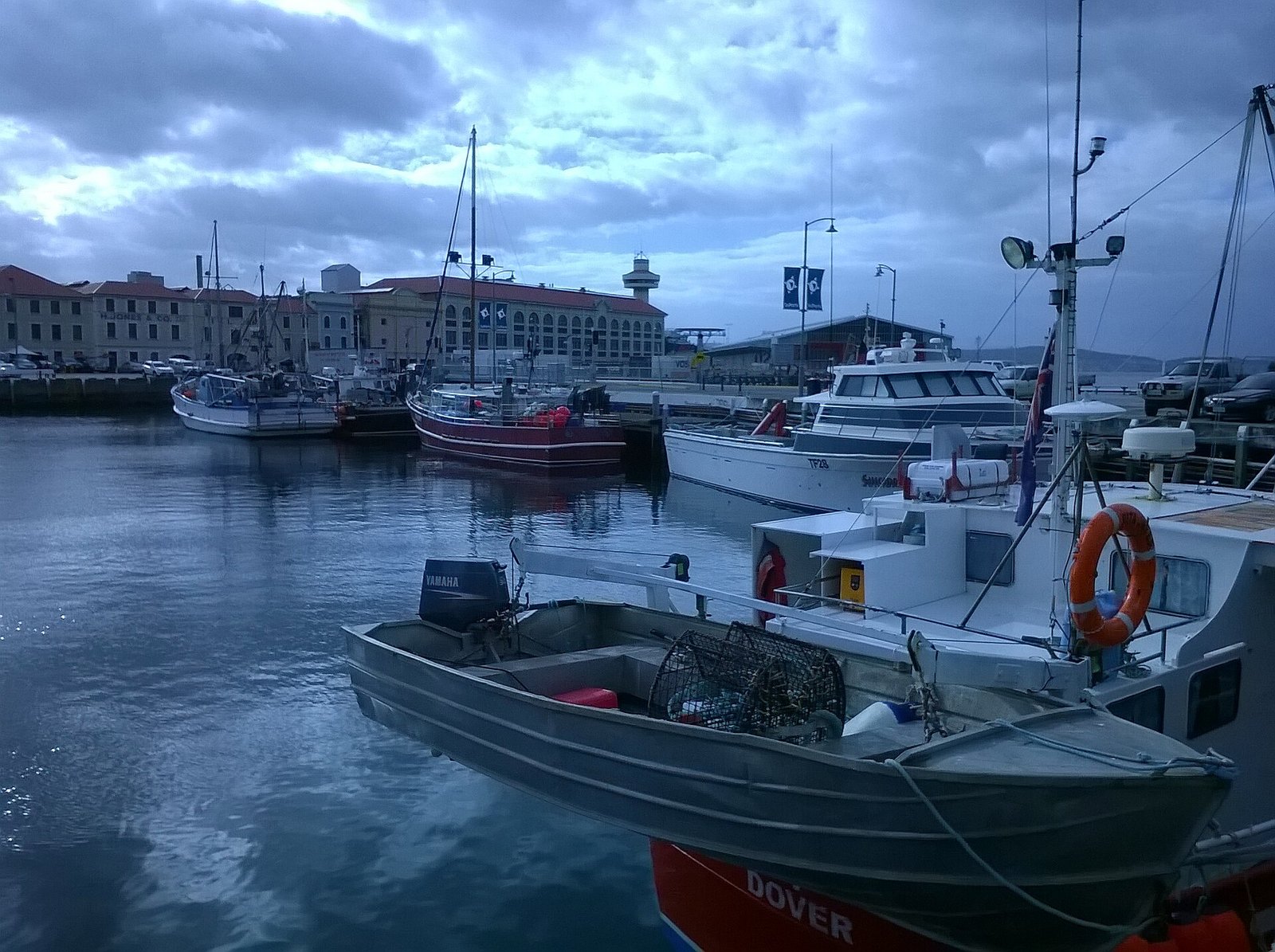
Photo: Lautreca11 via Wikimedia Commons (CC BY-SA 4.0)
Hobart has quietly become one of Australia’s most interesting small cities. Set on the Derwent River below kunanyi/Mount Wellington, Tasmania’s capital mixes sandstone warehouses, a working waterfront, an outstanding food scene and the Museum of Old and New Art (MONA), which put the city on the global culture map. Its hotel scene has grown to match, with art-filled boutique stays and polished heritage conversions.
This guide focuses on Hobart’s luxury and boutique hotels specifically for food-and-culture travellers spending two to four nights in the city before or after touring the rest of Tasmania. We explain the best neighbourhoods, compare the leading hotels, and share tips on timing your stay around markets, festivals and the seasons.
Research-based guide · Updated October 2026 · Verify rates and policies with official sources before booking
The unique angle: stay on the waterfront, eat everywhere
Hobart is compact, and almost everything a short-stay visitor wants (Salamanca Place, the MONA ferry, Battery Point and the best restaurants) is within a short walk of the waterfront. Choosing a hotel on or near Hunter Street, Franklin Wharf or Salamanca means you can leave the car parked and explore on foot.
Where to Stay in Hobart: The Best Neighbourhoods
Hunter Street and the waterfront
This is the heart of tourist Hobart. Hunter Street’s old warehouses face Victoria Dock and Constitution Dock, where fishing boats sell fresh seafood. The ferry to MONA leaves from Brooke Street Pier nearby. For most visitors, this is the best base.
Salamanca Place and Battery Point
Salamanca Place is a row of sandstone warehouses filled with galleries, restaurants and bars, and home to the famous Saturday market. Battery Point, just above it, is one of Australia’s best-preserved colonial neighbourhoods, with cottages, cafés and quiet streets.
The CBD
The central business district has heritage hotels, department stores and easy access to restaurants. It is a few minutes’ walk from the waterfront and often slightly better value.
North Hobart and beyond
North Hobart’s Elizabeth Street is a well-known dining strip, while Berriedale, north along the river, is home to MONA and its pavilions. Staying out here suits travellers focused on art or who have a car.
The Best Luxury Hotels in Hobart
MACq 01
MACq 01 sits right on the water at Hunter Street and calls itself a storytelling hotel: each room is themed around a real character from Tasmania’s past, and staff run daily history tours. Waterfront rooms have big windows facing the docks. It is an excellent first-time choice for its location alone.
The Henry Jones Art Hotel
Next door, The Henry Jones occupies the old IXL jam factory, and the building itself is a museum of Hobart’s industrial past. Hundreds of works by Tasmanian artists hang in the corridors and rooms, and the original sandstone, timber beams and machinery give it real character.
The Tasman, a Luxury Collection Hotel
The Tasman opened in 2022 around Parliament Square, combining heritage sandstone buildings with a modern wing. It offers the most polished international five-star experience in the city, with excellent dining and a short walk to Salamanca Place.
Hadley’s Orient Hotel
One of Australia’s oldest operating hotels, Hadley’s dates to the 1830s and has a grand, old-world feel, with a modern wing added in recent years. It suits travellers who enjoy history and a central CBD location.
MONA Pavilions
At MONA itself, the pavilions offer modern, art-filled accommodation on the Derwent River, with original works in each unit and access to the museum. They are a memorable choice for a special occasion; check availability on the official MONA website.
Moss Hotel
A smaller boutique option tucked into Salamanca Place, Moss is ideal for couples who want to wake up next to the Saturday market and the city’s best bars.
How to choose between them: if this is your first visit and location is everything, pick MACq 01 or The Henry Jones, which sit side by side on the docks. If you want the most refined service, a spa-style experience and excellent dining in the building, The Tasman is the strongest option. If art is the reason for your trip, a night at MONA Pavilions is hard to beat, though you will rely on the ferry or a car to reach the city. Travellers on a slightly tighter budget can find good-value heritage rooms in the CBD and still walk to the waterfront in minutes.
| Hotel | Area | Style | Best for |
|---|---|---|---|
| MACq 01 | Hunter Street waterfront | Storytelling hotel on the wharf | First-time visitors, history lovers |
| The Henry Jones Art Hotel | Hunter Street waterfront | Heritage jam factory, art-filled | Art and design fans |
| The Tasman, a Luxury Collection Hotel | Parliament Square, near Salamanca | Heritage and modern luxury | Polished five-star service |
| Hadley’s Orient Hotel | CBD | Grand 19th-century hotel | Classic heritage atmosphere |
| MONA Pavilions | Berriedale, at MONA | Art-filled riverside pavilions | Art lovers, special occasions |
| Moss Hotel | Salamanca Place | Small boutique hotel | Couples, Saturday market access |
What to Eat and Drink in Hobart
Hobart’s food culture is built on Tasmania’s extraordinary produce. Expect oysters and other seafood from cold, clean waters, grass-fed beef and lamb, cheese, cool-climate wine from the nearby Coal River and Derwent valleys, and an award-winning whisky and gin scene. Many of the best restaurants are within walking distance of the waterfront, while North Hobart offers a more local dining strip.
Book dinner reservations in advance, especially on Friday and Saturday nights and during festivals. Lunch at a winery just outside the city or a seafood platter on the docks are both classic Hobart experiences. Saturday mornings belong to Salamanca Market, with local producers, crafts and street food.
Coffee culture is strong too, with excellent independent cafés in Salamanca, the CBD and North Hobart. If you are interested in spirits, ask your hotel concierge to arrange a tasting at one of the local whisky distilleries, several of which are a short drive from the city and have built international reputations.
Top Things to Do From Your Hotel
- MONA: take the ferry from Brooke Street Pier up the river to the Museum of Old and New Art, one of the world’s most talked-about private museums.
- kunanyi/Mount Wellington: drive or take a tour to the summit for views over the city and the Derwent; bring warm clothes, as it can be much colder at the top.
- Salamanca Market: held every Saturday, with hundreds of stalls.
- Battery Point walk: stroll among colonial cottages to Arthur Circus and back via the waterfront.
- Day trips: Bruny Island for food and wildlife, the Tasman Peninsula and Port Arthur Historic Site, and the Huon Valley for orchards and cider. Check park passes on the Parks and Wildlife Service Tasmania site.
If you are planning a longer trip around the island, follow our 7-day Tasmania luxury itinerary, which starts and ends in Hobart.
When to Visit Hobart
Summer (December to February) is the warmest and busiest season, with long evenings and the arrival of the Sydney to Hobart Yacht Race around the end of December, followed by summer food festivals on the waterfront. Hotels fill quickly over this period, so book well ahead.
Autumn (March to May) brings crisp, clear days and autumn colours, and is a favourite for food and wine lovers. Winter (June to August) is cold, but the city comes alive with midwinter events and cosy restaurants, and hotel rates are often lower; check the current festival calendar before you go. Spring (September to November) is mild and changeable, with gardens in bloom. For events and seasonal planning, see Discover Tasmania.
Getting There and Getting Around
Hobart Airport is about 20 minutes’ drive from the city centre, with direct flights from Melbourne, Sydney, Brisbane and other Australian cities. Many travellers also arrive in Tasmania by ferry to Devonport and drive south, or start in Launceston and finish in Hobart.
Within the city, you will not need a car if you stay near the waterfront: most sights, restaurants and the MONA ferry are walkable. Hire a car for day trips and the rest of Tasmania, and note that many waterfront hotels charge for parking. Taxis and ride-hailing services are available for evenings out in North Hobart.
Booking Tips and How Hobart Fits a Wider Trip
- Book waterfront rooms specifically if views matter; “city view” rooms can face streets or car parks.
- Plan at least two full days in Hobart, and three if you want MONA, the mountain and a day trip.
- Stay on a Friday or Saturday night if you want to see Salamanca Market.
- Pack layers year-round; Hobart’s weather can change quickly.
- Combine Tasmania with another wild Australian island: see our Kangaroo Island luxury lodges guide. For another island capital with a strong food scene, read our Kuching luxury hotels guide, or plan a different kind of island escape with our Réunion Island itinerary.
Frequently Asked Questions
Where is the best area to stay in Hobart?
The waterfront around Hunter Street and Salamanca Place is the best area for most visitors. It is walkable to restaurants, Salamanca Market, Battery Point and the MONA ferry.
What is the most luxurious hotel in Hobart?
The Tasman, a Luxury Collection Hotel, offers the most polished international five-star experience, while MACq 01, The Henry Jones Art Hotel and MONA Pavilions are top choices for character and design.
How many days do you need in Hobart?
Plan two to three full days. That gives time for MONA, Salamanca Place, Battery Point, kunanyi/Mount Wellington and one day trip such as Bruny Island or Port Arthur.
Do you need a car in Hobart?
Not if you stay near the waterfront. The city centre is walkable and the MONA ferry leaves from Brooke Street Pier. A car is useful for day trips and the rest of Tasmania.
When is the best time to visit Hobart?
Summer is the warmest and liveliest season, while autumn offers crisp weather and excellent food and wine. Winter has lower hotel rates and cosy midwinter events.