Best Luxury Lodges in Sri Lanka Tea Country
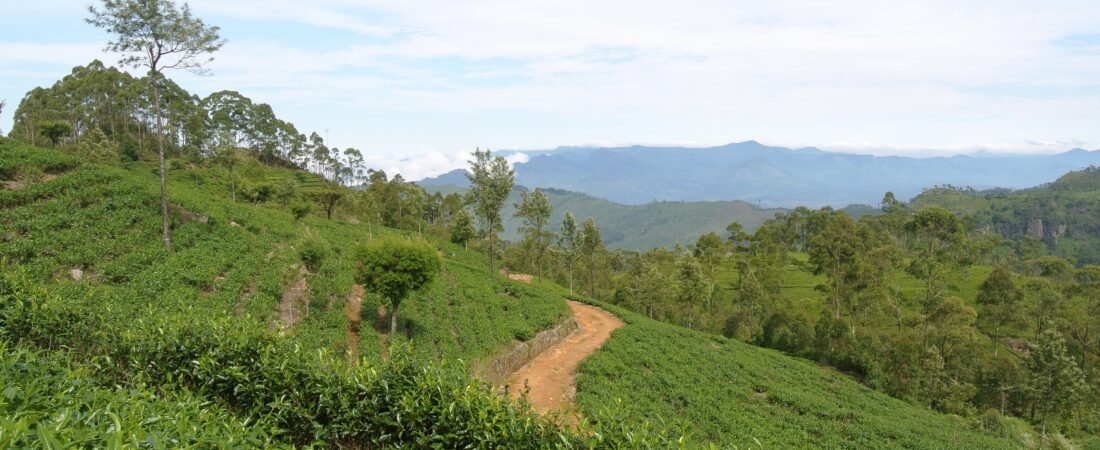
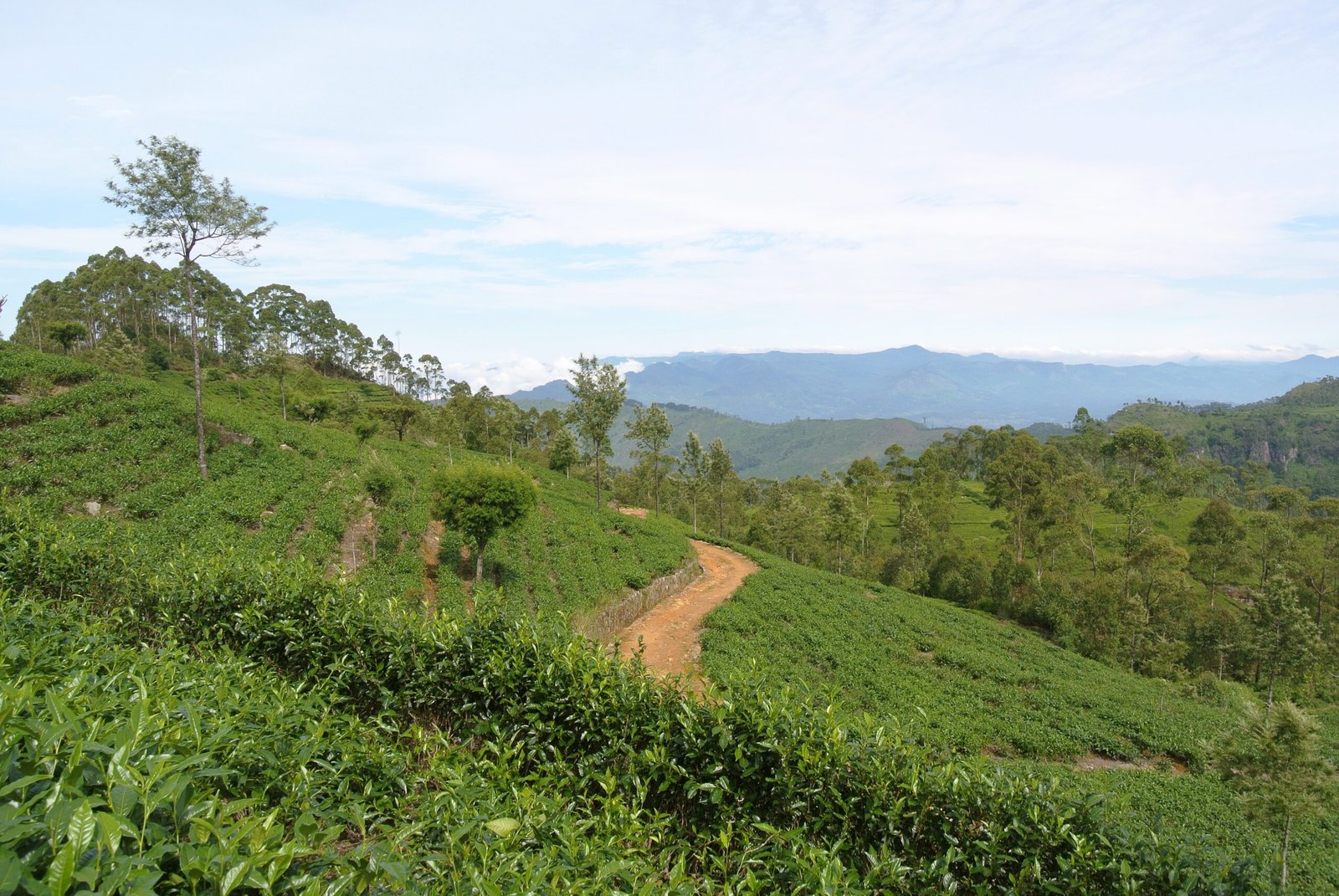
Illustrative island photograph. Not a photograph of the resorts compared below.
High above Sri Lanka’s coast, the central hill country unfolds in endless emerald tea terraces, misty peaks and colonial-era planters’ bungalows now reborn as some of Asia’s most characterful luxury lodges. Cool days, crackling fireplaces and afternoon tea on a lawn framed by mountains make this a completely different Sri Lanka from the beaches. This research-based guide compares the best luxury lodges and restored tea estates across the hill country for 2026, weighing setting, style, access and price so you can choose the right highland base.
Research-based guide · Sources reviewed 17 September 2026. Not a first-hand stay review.
Why the hill country is special
Sri Lanka’s tea country sits between roughly 1,000 and 2,000 metres, a landscape of rolling plantations first planted by British colonists in the 19th century. The result today is a region of tea factories you can tour, waterfalls, cloud forests and a network of restored bungalows that once housed estate superintendents. Staying here means cool mountain air, walks straight from your veranda into the tea fields, and a slower, more contemplative pace. It pairs naturally with the cultural triangle to the north and the beaches to the south; our Sri Lanka first-timers guide and the best time to visit the southern coast guide help you slot the highlands into a wider route.
The best luxury lodges in tea country
Accommodation here divides into a few distinct styles, each with a different character. Rates are indicative 2026 lead-in prices for a double, often including breakfast and sometimes more.
Restored tea-planter bungalows
The signature hill-country experience is a boutique collection of restored estate bungalows, typically four to six rooms each, staffed by a butler and cook, and set amid working plantations. Rates frequently include all meals, afternoon tea and guided walks. They suit couples and small groups who want exclusivity, history and a sense of place over big-hotel facilities.
Grand colonial hotels
Nuwara Eliya, nicknamed “Little England”, is home to grand colonial hotels with log fires, billiard rooms and manicured gardens. These deliver old-world atmosphere, larger public spaces and a central base for exploring, ideal for travellers who enjoy heritage and a touch of theatre.
Design-led eco lodges
A newer generation of contemporary eco-lodges leans into floor-to-ceiling views, infinity pools that appear to spill into the valleys, and sustainability credentials. They appeal to design-minded travellers who want modern comfort with the same spectacular tea-terrace backdrop.
Comparison: choosing your highland base
| Base | Character | Best for | Indicative 2026 rate/night |
|---|---|---|---|
| Hatton / Bogawantalawa | Working estates, bungalow stays | Couples, exclusivity, walks | US$250-600 (often full-board) |
| Nuwara Eliya | Colonial town, grand hotels | Heritage lovers, first-timers | US$150-400 |
| Ella / Haputale | Views, hiking, railway | Active travellers, photographers | US$120-350 |
| Kandy fringe | Culture plus cooler hills | Culture-and-tea combinations | US$140-380 |
Getting there and the famous train
Half the romance of tea country is the journey. The hill-country railway from Kandy through Nuwara Eliya to Ella is regularly called one of the world’s most scenic train rides, winding past waterfalls and tea pickers with the doors open to the breeze. Many travellers ride a stretch of it and have a driver meet them at the station. By road, expect slow, winding drives: Kandy to Nuwara Eliya is around three hours, and the hills reward patience rather than tight schedules. Most luxury lodges arrange transfers and can coordinate a scenic-train segment for you. For how the highlands connect to the rest of the island, our Maldives vs Sri Lanka comparison and the wider best luxury hotels in Sri Lanka guide put the tea country in context.
What to do in the tea country
- Tour a working tea factory to see the leaf-to-cup process and taste estate-fresh Ceylon tea.
- Walk or hike the plantation trails, from gentle estate strolls to the climb up Adam’s Peak in season.
- Ride a segment of the Kandy-Ella scenic railway for the classic hill-country views.
- Visit waterfalls and the famous Nine Arch Bridge near Ella at quieter early-morning hours.
- Take afternoon tea on a bungalow lawn, the definitive highland ritual.
Practical tips for booking
The hill country is cool year-round and can be misty; pack layers and a light rain jacket even in the dry months. The clearest weather generally falls from January to April, while the southwest monsoon brings more cloud from May to September, though the tea gardens are at their greenest then. Bungalow collections have very few rooms and book out early for peak season, so reserve well ahead. Confirm exactly what is included, as the best estate stays bundle all meals, afternoon tea and guided walks into the rate. For authority references, Sri Lanka Tourism and the Nuwara Eliya overview are useful for orientation and seasonal planning.
A short history behind the bungalows
To understand why these lodges feel so distinctive, it helps to know their origins. When coffee blight devastated Sri Lanka’s plantations in the late 1800s, British planters replanted the hills with tea, and Ceylon tea went on to become world-famous. Each estate needed a superintendent’s bungalow, built with wide verandas, fireplaces and gardens designed to echo the English countryside. As the plantation economy modernised, many of these buildings fell quiet, and over the past two decades a wave of careful restorations has turned the finest of them into intimate luxury lodges. Staying in one is a small piece of living history: the same rooms, gardens and views, now with contemporary comforts, personal butlers and menus built around estate produce. That blend of heritage and exclusivity is exactly what sets a tea-country stay apart from a modern resort.
Fitting tea country into a Sri Lanka itinerary
Few travellers visit the hill country alone, and it shines as the cool, contemplative middle chapter of a longer trip. A classic route runs from the cultural triangle around Sigiriya and the temples of Kandy up into the tea hills, then down to the southern beaches for a relaxing finish, an arc that moves neatly from culture to scenery to sea. Three to four nights in the highlands is usually enough to tour an estate, ride the scenic train, hike to a viewpoint or two and still have unhurried afternoons on the veranda. Because the drives are slow and winding, resist the urge to change base every night; picking one strong lodge and taking day trips from it makes for a far more restful stay. Couples celebrating a special occasion often split their highland time between an exclusive estate bungalow and a grand colonial hotel to sample both moods.
The bottom line
Sri Lanka’s tea country offers a rare kind of luxury: small, storied lodges in some of Asia’s most beautiful highland scenery, at prices that remain gentle compared with equivalent heritage stays elsewhere. Choose an estate bungalow for exclusivity and history, a colonial hotel for old-world atmosphere, or a design-led eco-lodge for modern views, then give yourself enough nights to slow down. Paired with the coast and the cultural triangle, a few days among the tea gardens turns a good Sri Lanka trip into a memorable one.
Frequently asked questions
What makes a tea-country lodge different from a beach hotel?
Hill-country lodges are usually small, restored planters’ bungalows or heritage hotels set amid working tea estates, with cool weather, fireplaces and walks from the door. The focus is on exclusivity, history and scenery rather than beaches and pools.
Where should I base myself in Sri Lanka’s tea country?
Hatton and the Bogawantalawa Valley are best for exclusive estate-bungalow stays, Nuwara Eliya for grand colonial hotels and a central location, and Ella or Haputale for views, hiking and the scenic railway.
When is the best time to visit the hill country?
January to April usually offers the clearest weather, while May to September is cloudier under the southwest monsoon but leaves the tea gardens lush and green. It is cool and can be misty year-round, so pack layers.
Is the Kandy-to-Ella train worth taking?
Yes. It is regularly rated one of the world’s most scenic rail journeys. Riding even a segment, with a driver meeting you at the station, is a highlight of any tea-country trip.