Best Luxury Resorts in Mauritius for 2026: Coasts, Villas & Honeymoon Picks
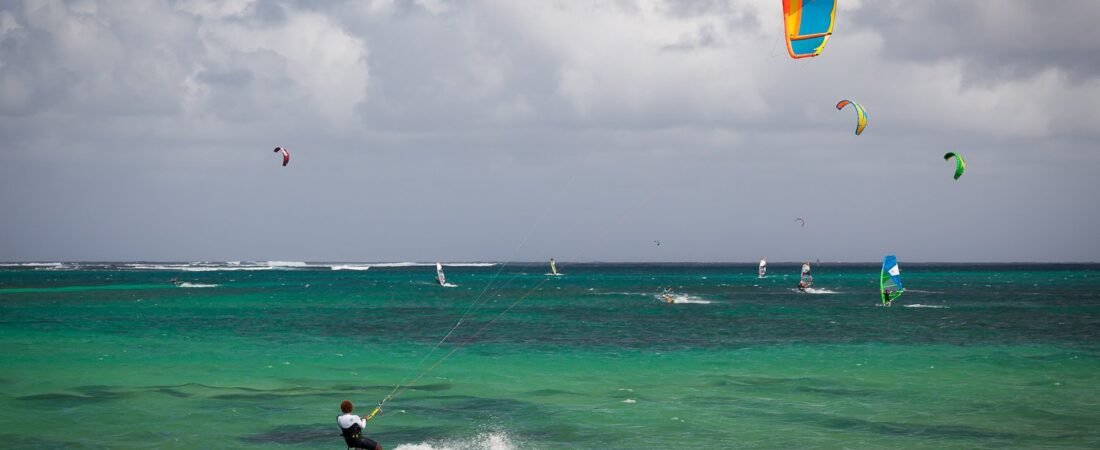
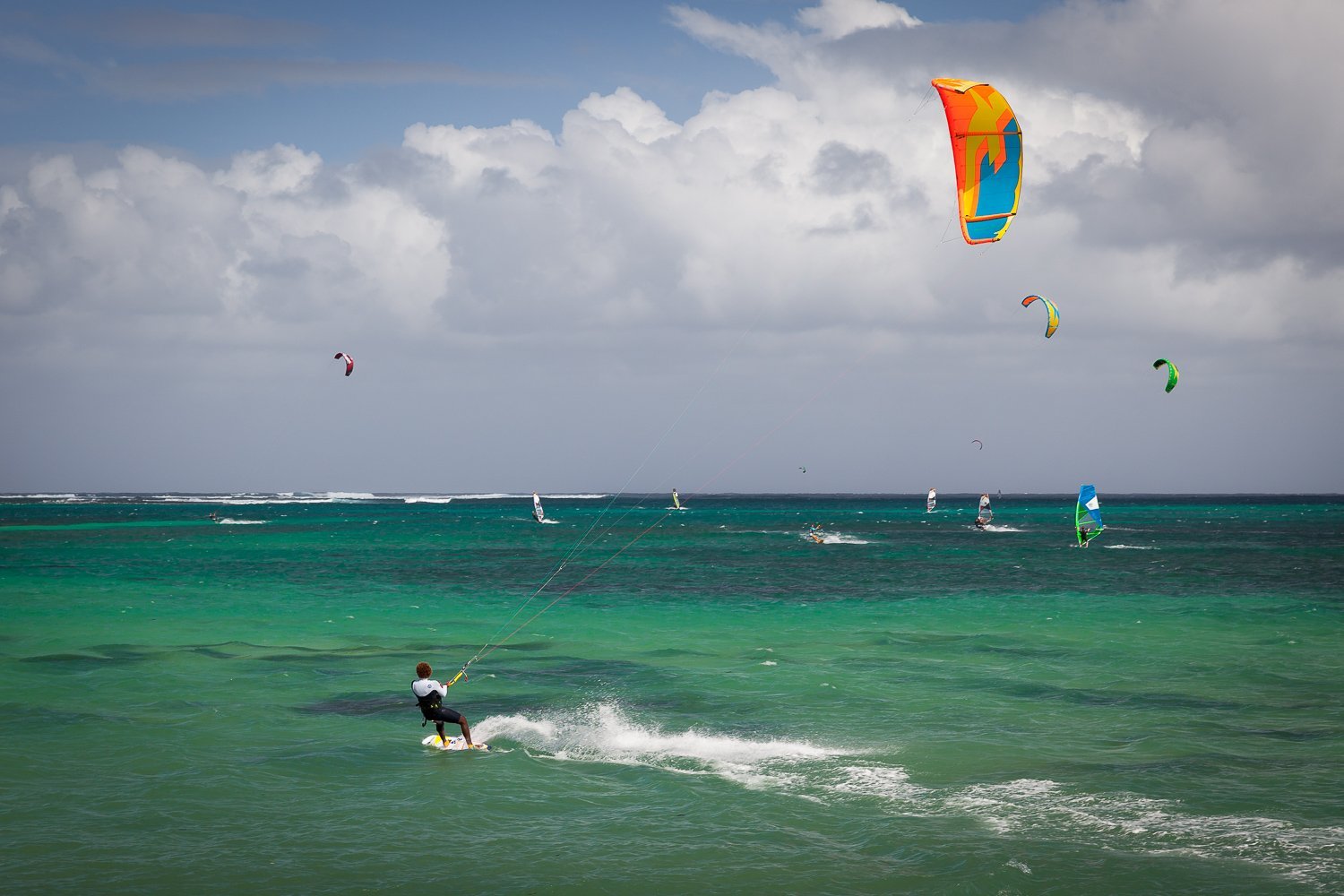
Illustrative island photograph. Not a photograph of the resorts compared below.
Mauritius packs an improbable amount of variety into an island you can drive across in under two hours: powder-white lagoons rimmed by coral reef, dramatic mountains inland, championship golf, and a food culture that fuses Indian, Creole, Chinese and French influences. For luxury travellers the decision is rarely whether Mauritius is worth it, but which coast to base yourself on. This guide compares the island’s regions, resort styles and seasons for 2026.
Research-based guide · Sources reviewed September 20, 2026. Not a first-hand stay review.
Choosing your coast in Mauritius
Each of the island’s coasts has a distinct character, and the reef-protected lagoon quality varies between them. The north around Grand Baie is the liveliest, with restaurants, nightlife and calm swimming beaches close together. The west coast near Flic-en-Flac and Le Morne offers the island’s best sunsets, big-game fishing and the iconic Le Morne peninsula. The east coast around Belle Mare is quieter and greener with wide lagoons, favoured for its space and serenity though breezier in winter. The south is the wildest and least developed, appealing to travellers who prioritise nature over convenience.
Luxury resort styles compared
Mauritius has one of the Indian Ocean’s deepest benches of five-star resorts, from grand integrated properties to intimate villa estates. Matching the style to your trip matters more than chasing a single “best” resort.
| Coast | Best for | Lagoon & beach | Character |
|---|---|---|---|
| North (Grand Baie) | First-timers, social travellers | Calm, swimmable | Lively, dining-rich |
| West (Le Morne/Flic-en-Flac) | Honeymooners, watersports | Sheltered, scenic | Sunsets, kitesurfing |
| East (Belle Mare) | Space seekers, golfers | Wide, shallow lagoon | Serene, breezier |
| South | Nature lovers | Rugged, fewer beaches | Wild, uncrowded |
What luxury looks like in Mauritius
Mauritian five-star resorts are known for polished, unobtrusive service and a strong all-round product: multiple restaurants, extensive spas, water-sports centres and, increasingly, standalone villas with private pools and butler service. Golf is a signature draw, with several resorts operating championship courses, and many properties include complimentary non-motorised water sports — a meaningful saving over destinations that charge for every activity.
Villa and suite features to prioritise
- Private pool villas — the premium tier at most resorts, offering the privacy that beachfront rooms cannot.
- Half-board or full-board plans — worth it given the distances between resorts and outside restaurants on some coasts.
- Kids’ clubs and family villas — Mauritius is strong for families, with many resorts running age-banded programmes.
- Golf access — if you play, choose a resort with on-site or affiliated courses and confirm green-fee inclusions.
Best time to visit Mauritius
Mauritius is a year-round destination, but the seasons are reversed from the northern hemisphere. The cooler, drier winter from May to November brings comfortable temperatures and lower humidity, making it ideal for sightseeing, hiking and golf, though the east coast can be windy. The warmer summer from December to April delivers hot beach weather and the best diving visibility, with a wetter, more humid spell and a cyclone risk concentrated between January and March. For the finest balance of warm seas and settled weather, target the shoulder months of April to May and September to November.
Mauritius for honeymoons
Mauritius is one of the Indian Ocean’s classic honeymoon destinations, and the west coast around Le Morne is the romantic heart of the island, with its UNESCO-listed mountain backdrop and glowing sunsets. Couples seeking seclusion often prefer villa-led resorts on the quieter east or south coasts. If you are comparing Indian Ocean honeymoon options, our forthcoming Seychelles versus Maldives comparison helps weigh the alternatives, and island-focused couples may also like our Cook Islands honeymoon guide for a Pacific perspective.
Booking tips for Mauritius
Match your coast to your season: avoid the exposed east coast in the windy winter months if calm swimming matters to you. Book golf tee times and spa treatments in advance at popular resorts, and confirm whether airport transfers (around an hour from most northern and eastern resorts) are included. Many resorts offer strong honeymoon perks — room upgrades, dinners, spa credits — when you provide proof of marriage, so ask at booking. For entry requirements and health advice, check the official Mauritius tourism authority and your national travel advisory before departure.
Frequently asked questions
Which coast of Mauritius is best?
The north suits first-timers who want dining and nightlife nearby, the west is best for sunsets and honeymoons, the east offers space and golf, and the south appeals to nature lovers. There is no single best coast — it depends on your priorities.
When is the best time to visit Mauritius?
The cooler, drier season from May to November is ideal for activities and sightseeing, while December to April is hotter with better diving but a cyclone risk from January to March. The shoulder months offer the best overall balance.
Is Mauritius good for honeymoons?
Yes, Mauritius is a leading Indian Ocean honeymoon destination, with romantic west-coast resorts, private-pool villas and generous honeymoon perks at many five-star properties.
How long should you stay in Mauritius?
Seven nights is a comfortable minimum, allowing beach time plus a day or two for inland excursions, and ten nights lets you combine two coasts or add a nearby island trip.