Best Luxury Resorts on Pulau Weh, Indonesia 2026
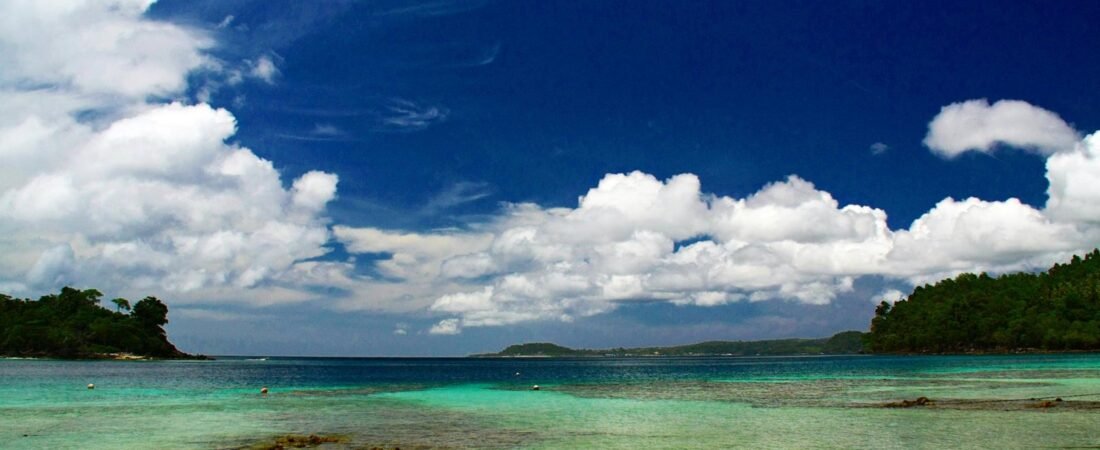
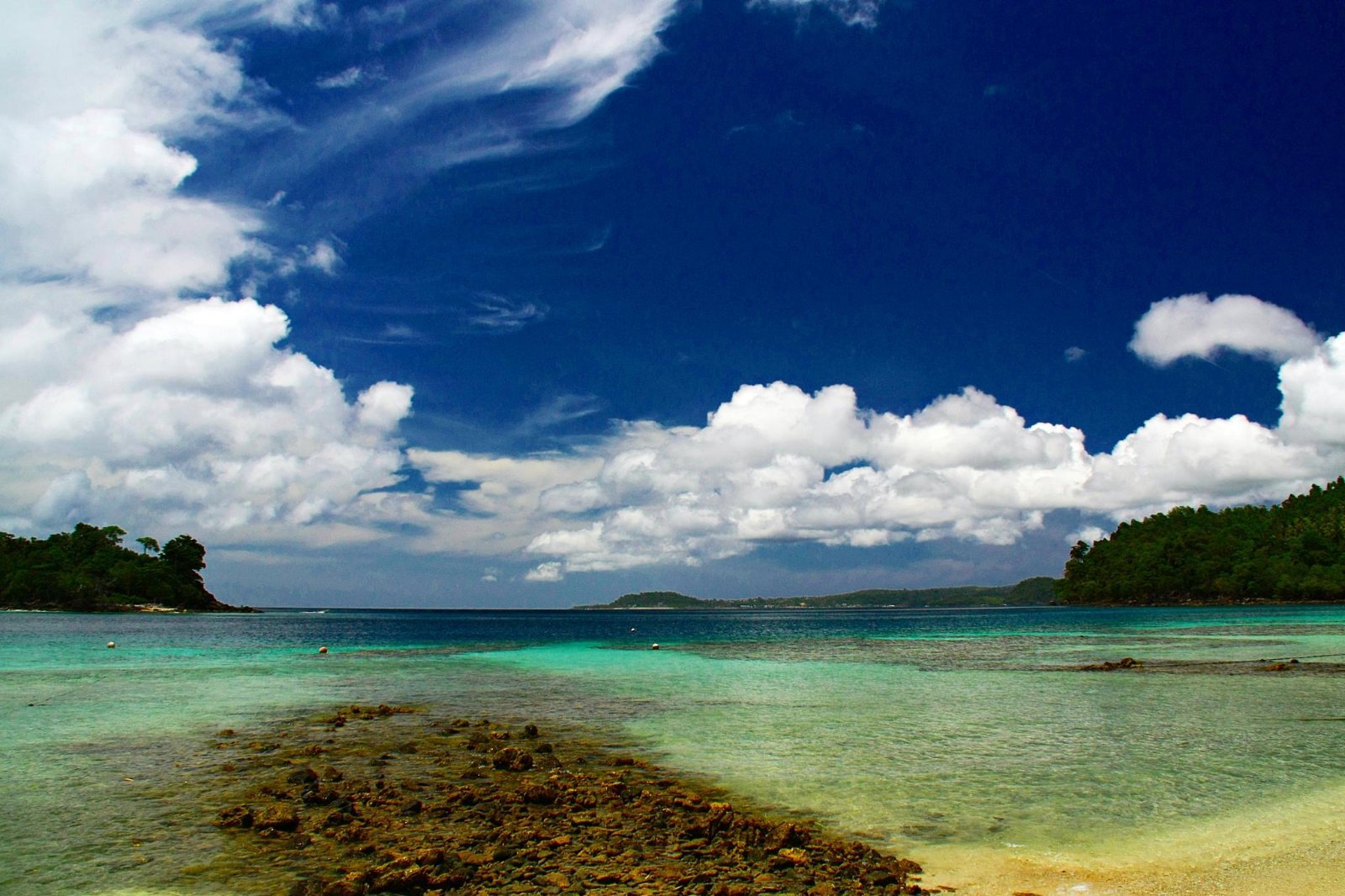
Illustrative Pulau Weh coastline photograph. Not a photograph of the resorts compared below.
Best Luxury Resorts on Pulau Weh, Indonesia 2026
Pulau Weh sits off the northern tip of Sumatra, closer to the Andaman Sea than to Bali, and it barely registers on most Indonesia luxury shortlists. This guide focuses on Pulau Weh specifically for travelers who want serious diving, near-total quiet, and a genuine edge-of-the-map feeling — not a Bali-style resort circuit, and not a backpacker dive-hostel scene. We cover how to get there, where the best stays actually are, what diving is like around Rubiah Island, and when to go.
Why Pulau Weh, and What Makes It Different
Pulau Weh is the westernmost inhabited island in Indonesia, marked by the Tugu 0 KM monument outside Sabang town. It’s part of Aceh province, which operates under its own special autonomy status and enforces stricter local customs than most of Indonesia — alcohol is effectively unavailable outside a few dive resorts, and modest dress is expected in town. That trade-off buys you something increasingly rare in Southeast Asia: reef diving that hasn’t been discovered by the mainstream luxury market, and a coastline with almost no resort development beyond a scattering of small properties around two bays. The island’s slower pace shows up in small details — no chain hotels, no beach clubs playing music into the evening, and a fishing-village rhythm that persists even a short walk from the dive centers. Weh also carries a heavier history than most Indonesian island destinations: the wider Aceh coastline was among the hardest-hit regions in the 2004 Indian Ocean tsunami, and the region’s tourism infrastructure has rebuilt slowly and deliberately rather than chasing rapid resort expansion, which is part of why the island still feels this undeveloped two decades on.
Sample four-day plan: arrive via Banda Aceh and settle into Iboih on day one, dive or snorkel Rubiah on day two, shift base to Gapang for a quieter beach day and a short hike to a freshwater spring on day three, then spend a final morning in Sabang town at the 0 KM monument before catching an afternoon ferry back to the mainland. Extending to five or six days gives room for a second dive day at Seulako or Batee Tokong without feeling rushed.
Getting to Pulau Weh: Flights, Ferries & the Sabang Crossing
There’s no direct international routing to Weh. Fly into Banda Aceh’s Sultan Iskandar Muda International Airport via Jakarta or Medan, then take a taxi roughly 45 minutes to Ulee Lheue harbor. From there, a car ferry takes about an hour to Balohan port on Weh, or a faster passenger ferry cuts that to around 30–45 minutes. Once on the island, resorts are reachable by chartered car or motorbike taxi; there’s no public transport network to speak of, and renting your own scooter is possible in Sabang town if you’re comfortable navigating unfamiliar roads with limited signage, so confirm your pickup with your accommodation in advance, especially if you’re arriving on a late ferry. Note that Banda Aceh itself is worth a half-day if your flight timing allows: the Tsunami Museum and Baiturrahman Grand Mosque are both within a short taxi ride of the airport, and breaking the journey there is far more comfortable than trying to make a same-day ferry connection right off a long-haul flight.
Top Luxury & Boutique Stays
“Luxury” on Pulau Weh means something different than it does in Ubud or Seminyak — think design-conscious boutique bungalows and dive-focused resorts with genuinely excellent service, rather than international five-star branding. The comparison below covers the island’s strongest options across both main bays.
| Area | Style | Price band (per night) | Best for |
|---|---|---|---|
| Iboih | Boutique dive bungalows on stilts | $60–$180 | Divers, snorkelers, digital detox |
| Gapang | Quiet beachfront cottages | $50–$150 | Couples wanting a calmer beach base |
| Sabang town | Simple hotels, more amenities nearby | $30–$90 | Short stopovers, budget flexibility |
| Anoi Itam / east coast | Isolated eco-stays | $70–$200 | Total privacy, off-grid style stays |
None of these price bands rival Bali’s five-star tier, and that’s the point — see our Raja Ampat dive resort guide if you specifically want Indonesia’s more polished, higher-priced dive-luxury benchmark instead.
Diving & Snorkeling at Rubiah Island and Beyond
Rubiah Island, a short boat ride from Iboih, is the main event: a marine recreation park with clear water, healthy hard coral gardens, and reliable sightings of reef sharks, turtles, and macro life for muck-diving fans. Several PADI-affiliated dive centers operate out of Iboih with Open Water through Divemaster courses, and most snorkeling day trips combine Rubiah with a stop at Gapang’s house reef. Compared with Indonesia’s headline dive destinations, Weh is calmer and shallower — a better fit for beginners and families than the drift-heavy channels of Raja Ampat, though serious divers should compare both; our Indonesia diving destinations comparison breaks down Raja Ampat, Komodo, and Bunaken side by side against exactly this kind of easier-going alternative. Rubiah’s waters fall under a marine recreation park designation overseen by Indonesia’s Directorate General of Natural Resource and Ecosystem Conservation (KSDAE), which is worth checking for current zoning and any seasonal access restrictions before booking a multi-day dive package. Beyond Rubiah, a handful of dive operators also run trips to Seulako and Batee Tokong, less-visited sites with stronger currents that suit certified divers looking for something beyond the beginner-friendly bay dives.
Iboih vs Gapang vs Sabang Town: Choosing Your Base
Iboih is the obvious choice for anyone prioritizing dive access — you can walk to a boat that reaches Rubiah in under ten minutes. Gapang sits one bay over and trades a little dive convenience for a longer, quieter beach and slightly better swimming conditions at low tide. Sabang town itself isn’t a beach base at all; stay there only if you want easy access to restaurants, a market, and the 0 KM monument, and don’t mind a short drive to reach the water. Most travelers who’ve done a longer Sumatra loop pair Weh with a stop on the mainland; our two-week Indonesia luxury itinerary shows how an Aceh extension can bolt onto a Bali-and-beyond trip for travelers with enough time.
Best Time to Visit & Weather
The best diving and calmest seas run from January through May, before the southwest monsoon picks up. June through September brings choppier crossings on the Ulee Lheue–Balohan ferry and reduced underwater visibility, though rain tends to fall in short, heavy bursts rather than settling in for full days. The Indonesian Agency for Meteorology, Climatology and Geophysics (BMKG) publishes marine weather advisories for the Aceh coast that are worth checking before booking a ferry crossing in shoulder season, and Indonesia’s Wonderful Indonesia tourism portal lists current ferry schedules and regional travel advisories for Aceh.
Practical Tips: Money, Connectivity & What to Pack
Bring more cash than you think you need — ATMs exist only in Sabang town, and most bungalow resorts in Iboih and Gapang are cash-only. Mobile signal is workable in the main bays but drops out along the east coast eco-stays. Because Aceh operates under Sharia-influenced local regulations, pack modest swimwear for anywhere outside your resort’s private beach frontage, and don’t expect beach bars or alcohol service — bring your own if it matters to your trip, subject to Indonesian customs rules on arrival. Reef-safe sunscreen is worth prioritizing here too, since Rubiah’s marine park has limited capacity to absorb heavy tourist traffic compared with better-funded parks elsewhere in Indonesia. Power cuts happen occasionally in Iboih and Gapang during heavier storms, so a small power bank is worth packing alongside the usual dive gear, and it’s worth bringing a printed or downloaded copy of your accommodation’s address in Indonesian, since not every driver at the harbor speaks English. Most resorts can arrange a fixed-price return transfer if you message ahead, which is considerably less stressful than negotiating on arrival after a long ferry crossing. Finally, build slack into your return journey: ferry departures can shift by an hour or more with sea conditions, and missing a connecting flight out of Banda Aceh because of a delayed crossing is a common and avoidable mistake for travelers who book a same-day onward flight.
Frequently Asked Questions
Is Pulau Weh good for non-divers?
Yes, though the appeal is narrower than Bali or Lombok. Snorkeling at Rubiah, quiet beach time, and short hikes are the main non-diving activities; nightlife and shopping are minimal.
How do I get from Bali to Pulau Weh?
Fly Denpasar to Banda Aceh via Jakarta or Medan, then taxi to Ulee Lheue harbor and take the ferry to Balohan. Expect a full day of travel each way.
Is alcohol available on Pulau Weh?
Rarely, and never in Sabang town itself due to Aceh’s local regulations. A handful of dive resorts catering to international guests may offer limited options; don’t count on it.
What’s the best month for diving visibility?
February through April typically offers the calmest seas and clearest water, ahead of the southwest monsoon’s onset around June.
Do I need a dive certification to snorkel at Rubiah?
No. Rubiah’s shallow reef areas are accessible to snorkelers with no certification required; only scuba diving requires PADI or equivalent credentials.
Is Pulau Weh safe for solo female travelers?
Generally yes, and the small resort communities in Iboih and Gapang mean solo travelers are quickly recognized and looked out for. Modest dress outside resort grounds is expected and appreciated given Aceh’s local customs.
Pulau Weh rewards travelers who want Indonesia’s diving without Indonesia’s crowds, at the cost of some comfort and convenience most luxury travelers take for granted. Compare it against our Bunaken & Manado guide if you want similarly uncrowded diving with slightly easier logistics, and confirm current ferry timetables directly before booking, since Aceh’s crossing schedule shifts with sea conditions.