Best Snorkeling Spots in Okinawa 2026
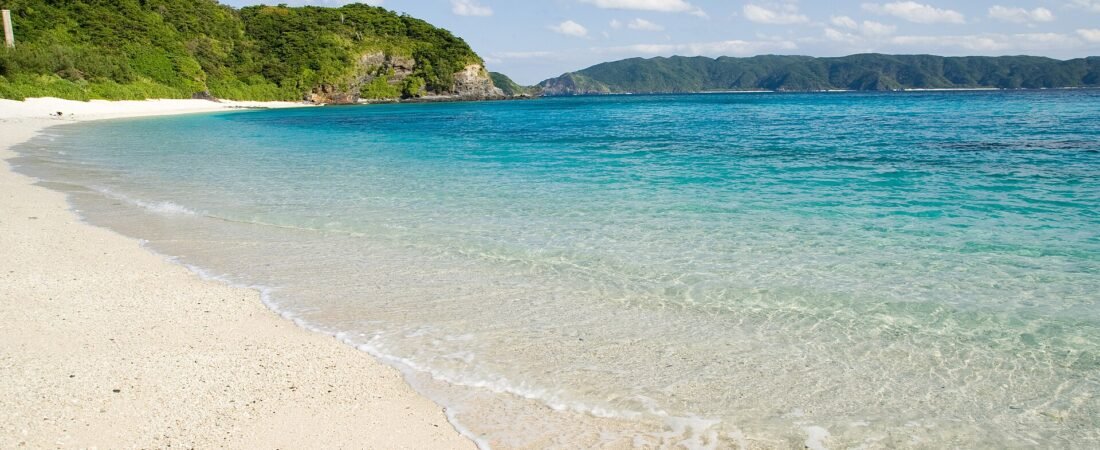
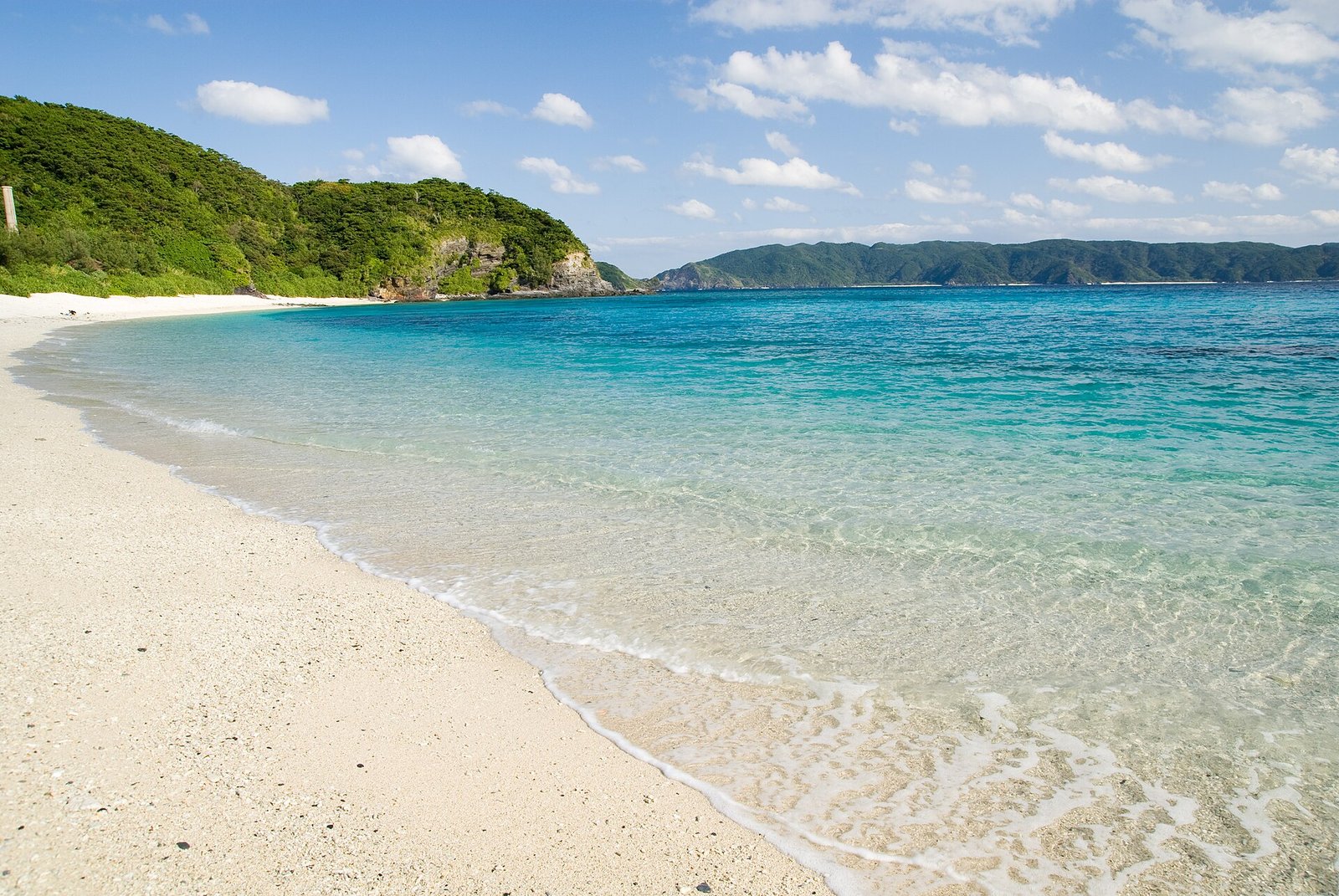
Furuzamami Beach, Zamami. Photo: Hashi photo, CC BY 3.0, via Wikimedia Commons
Okinawa’s coral reefs stretch for more than 1,000 km of ocean, from the Kerama Islands just off Naha to the Yaeyama Islands near Taiwan. Picking where to put your mask in the water can feel overwhelming. This guide focuses on snorkeling specifically for confident swimmers staying at resorts who want easy-access reefs and day trips, not technical dives or boat-only expeditions.
Research-based list · Information checked October 2026 against official tourism and national-park sources. Conditions change daily; always follow lifeguard and operator advice.
How we chose these spots
Each spot is reachable as a day trip from a resort base, offers coral or marine life within easy swimming distance (or by a short tour), and has reasonable facilities. They are ordered roughly from north-central Okinawa outwards to the remote islands.
1. Furuzamami and Ama Beach, Zamami (Kerama Islands)
If you only snorkel once in Okinawa, make it the Kerama Islands. Designated a national park in 2014, the archipelago is famous for “Kerama Blue” water and remarkable visibility. High-speed ferries from Tomari Port in Naha reach Zamami in under an hour.
Furuzamami Beach has lifeguards in season, rental gear and coral starting a short swim from the sand. On the other side of the island, Ama Beach is known for green sea turtles grazing on seagrass in the shallows. Keep your distance, never touch them, and you may share the water with several during a single swim.
Learn more about the archipelago on the Kerama Islands overview.
Plan your Kerama day around the ferry timetable. Fast boats sell out on summer weekends, so reserve in advance, and remember that the last boat back to Naha leaves in the afternoon. If you would rather not rush, spend a night on Zamami: once the day-trippers leave, the beaches are almost empty and the evening light over the islets is beautiful. Several dive shops on the island also run guided snorkel trips to small uninhabited islets with even richer coral.
2. Aharen Beach, Tokashiki
Tokashiki is the largest of the Kerama Islands and the quickest to reach from Naha. Aharen Beach is a long curve of white sand with a reef on its southern side and colourful fish within easy reach. It is a superb choice for families because the entry is gradual and facilities are good.
Day-trippers crowd the main section around midday, so walk towards the quieter ends or stay overnight in one of the small inns to have the water to yourself early in the morning.
Tokashiki is also a good choice if you want a little more space. Its northern beach, Tokashiku, is quieter and known for turtles in the bay, while the island’s viewpoints over the Kerama channel are worth a short drive. Bicycles and scooters can be rented near the port, although the hills are steep in places.
Overnight stays on Tokashiki are mostly small guesthouses rather than resorts.
3. Blue Cave at Cape Maeda, Onna
The Blue Cave near Cape Maeda on the main island’s west coast is Okinawa’s most famous snorkel tour. Sunlight filtering through the cave entrance turns the water an electric blue, and the surrounding reef is full of fish used to visitors.
It is best done with a licensed operator, many of which collect guests from the Onna resort strip. Tours are frequently cancelled in rough seas, particularly during northerly winter winds, so book early in your stay to leave room for a second attempt.
Choose a tour that uses small groups and provides wetsuits or rash guards, flotation and a guide in the water with you. Morning departures tend to have calmer water and fewer boats at the cave mouth. If the cave itself is closed because of swell, many operators switch to a nearby reef site, which can still be excellent, so ask what the backup plan is when you book.
4. Minna Island and Sesoko, Motobu Peninsula
Off the Motobu Peninsula, crescent-shaped Minna Island is a short ferry ride from Toguchi Port and has shallow, sheltered water perfect for beginners and children. Nearby Sesoko Island, connected to the mainland by bridge, offers a long beach with calm conditions and the easiest logistics if you have a car.
Both pair well with a visit to the Churaumi Aquarium, making this an easy family day from resorts in Motobu or Onna. Our Okinawa luxury resort guide covers the best bases on this coast.
Minna Island’s ferries run frequently in summer but sparingly in winter, so check schedules before you go. Bring shade, as the island has limited cover, and note that the ferry company may cap visitor numbers on busy days. Sesoko is better on a breezy day because its western beach is often more sheltered from the prevailing winds.
For families based on the main island, this area makes the easiest snorkeling day of all. You can be in the water by mid-morning, eat lunch in Motobu and still be back at your resort for a late-afternoon swim, with no long ferry crossings or early starts required.
5. Yoshino and Aragusuku Beaches, Miyako
Miyako’s east coast offers some of the best shore snorkeling in Japan. At Yoshino Beach, coral gardens begin almost at the waterline, and Aragusuku nearby is similarly rich with fish. Low tide can make entry over the reef awkward, so check tide tables and follow local guidance.
Base yourself on Miyako if snorkeling is the main event; we compare it with Ishigaki in detail in our Ishigaki vs Miyako guide, and our Miyako trip planner covers where to stay.
Miyako also rewards confident snorkelers with the famous Yabiji reef, a vast coral area off Ikema that partly emerges at the lowest spring tides. It can only be visited with licensed boat operators on a few days a year, so if your dates coincide, book quickly. The Imgya Marine Garden, a sheltered inlet on the south coast, is a gentler alternative for children.
6. Yonehara Beach and Barasu Island, Yaeyama
On Ishigaki’s north coast, Yonehara Beach has a vivid reef close to shore, but currents near the reef edge can be strong. Swim inside the marked area and avoid going alone. For a more unusual outing, tours from Ishigaki and Iriomote visit Barasu Island, a small island formed of coral fragments, surrounded by healthy reef.
Ishigaki is also the gateway for manta ray snorkel and dive trips. See our Ishigaki luxury resort guide for places to stay.
Not sure which spot fits your group? The quick comparison below summarises each option.
Iriomote, the second-largest island in Okinawa, combines snorkeling with jungle adventures. Many visitors book a day that includes mangrove kayaking in the morning and a boat trip to Barasu or nearby reefs in the afternoon. Because Iriomote has limited dining and accommodation, it is easiest to book these as packaged tours departing from Ishigaki’s ferry terminal.
| Spot | Island | Best for | Access |
|---|---|---|---|
| Furuzamami / Ama Beach | Zamami | Turtles, clear water | Ferry from Naha (under 1 hr) |
| Aharen Beach | Tokashiki | Families, easy entry | Ferry from Naha |
| Blue Cave | Okinawa main island | Iconic tour experience | Guided tour only |
| Minna Island / Sesoko | Motobu area | Beginners, children | Short ferry / bridge |
| Yoshino / Aragusuku | Miyako | Shore coral gardens | Drive from Hirara |
| Yonehara / Barasu | Ishigaki / Yaeyama | Reef life, mantas nearby | Drive / boat tour |
Snorkeling Safety and Reef Etiquette in Okinawa
- Box jellyfish (habu-kurage): present in warmer months, roughly June to September. Swim at netted beaches where available and carry vinegar, which many beaches provide at first-aid points.
- Currents and tides: reef edges and channels can pull strongly. Snorkel with a buddy, wear a float or vest, and check tide times.
- Weather: typhoons can close beaches and cancel ferries; monitor forecasts through the Visit Okinawa official site.
- Protect the reef: do not stand on coral, avoid touching marine life and choose reef-friendly sunscreen or a rash guard.
- Gear: rental is widely available, but bringing your own well-fitting mask makes a big difference.
New to snorkeling? Read our beginner snorkelling guide before you go, and check Japan’s official travel site for wider trip planning.
Finally, plan your snorkeling around tides and wind rather than the clock. Many Okinawan reefs sit in shallow lagoons that become awkward to cross at low tide, while onshore winds quickly reduce visibility. Ask your resort concierge or a local dive shop which side of the island is calm that day; they will usually know before any forecast. For comparisons with destinations further south, see our Phu Quoc snorkeling guide.
Frequently Asked Questions
When is the best time to snorkel in Okinawa?
The water is warmest from June to October. July and October often offer a good balance of calm seas and sunshine, though typhoons can strike from summer into autumn.
Do I need a tour to snorkel in Okinawa?
Not always. Beaches such as Aharen, Furuzamami and Yoshino allow easy shore snorkeling. The Blue Cave and Barasu Island are best visited with licensed tour operators.
Can beginners snorkel in Okinawa?
Yes. Sheltered spots like Minna Island, Sesoko and Aharen Beach have gentle entries and lifeguards in season, making them suitable for beginners and children.
Are there dangerous jellyfish in Okinawa?
Box jellyfish can appear in summer. Use netted swimming areas, wear a rash guard and follow beach signage; vinegar is commonly kept at beaches for first aid.
Which Okinawa island is best for snorkeling?
For a short trip, the Kerama Islands are the easiest high-quality option from Naha. For a beach-focused holiday, Miyako offers excellent shore reefs.
Furuzamami Beach, Zamami. Photo: Hashi photo, CC BY 3.0, via Wikimedia Commons