Best Things to Do in Chiang Rai 2026: Top 10
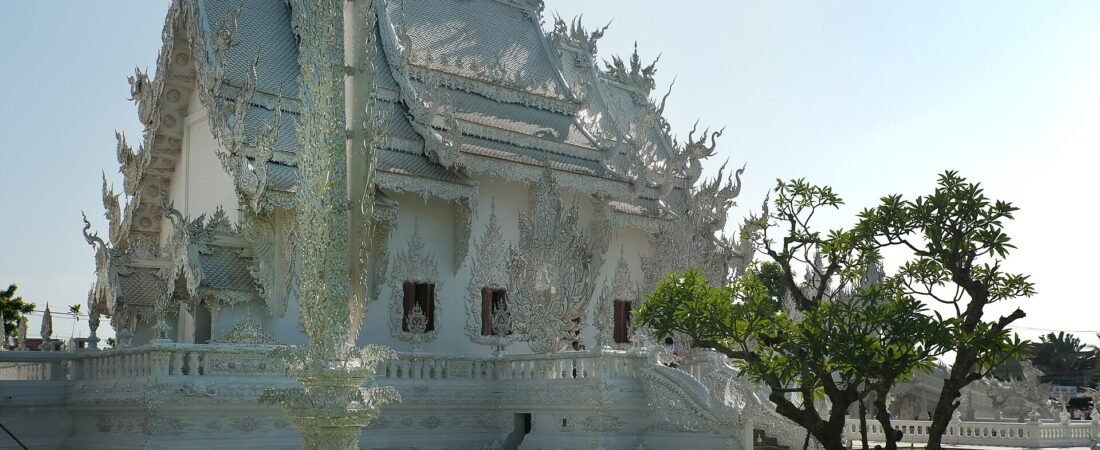
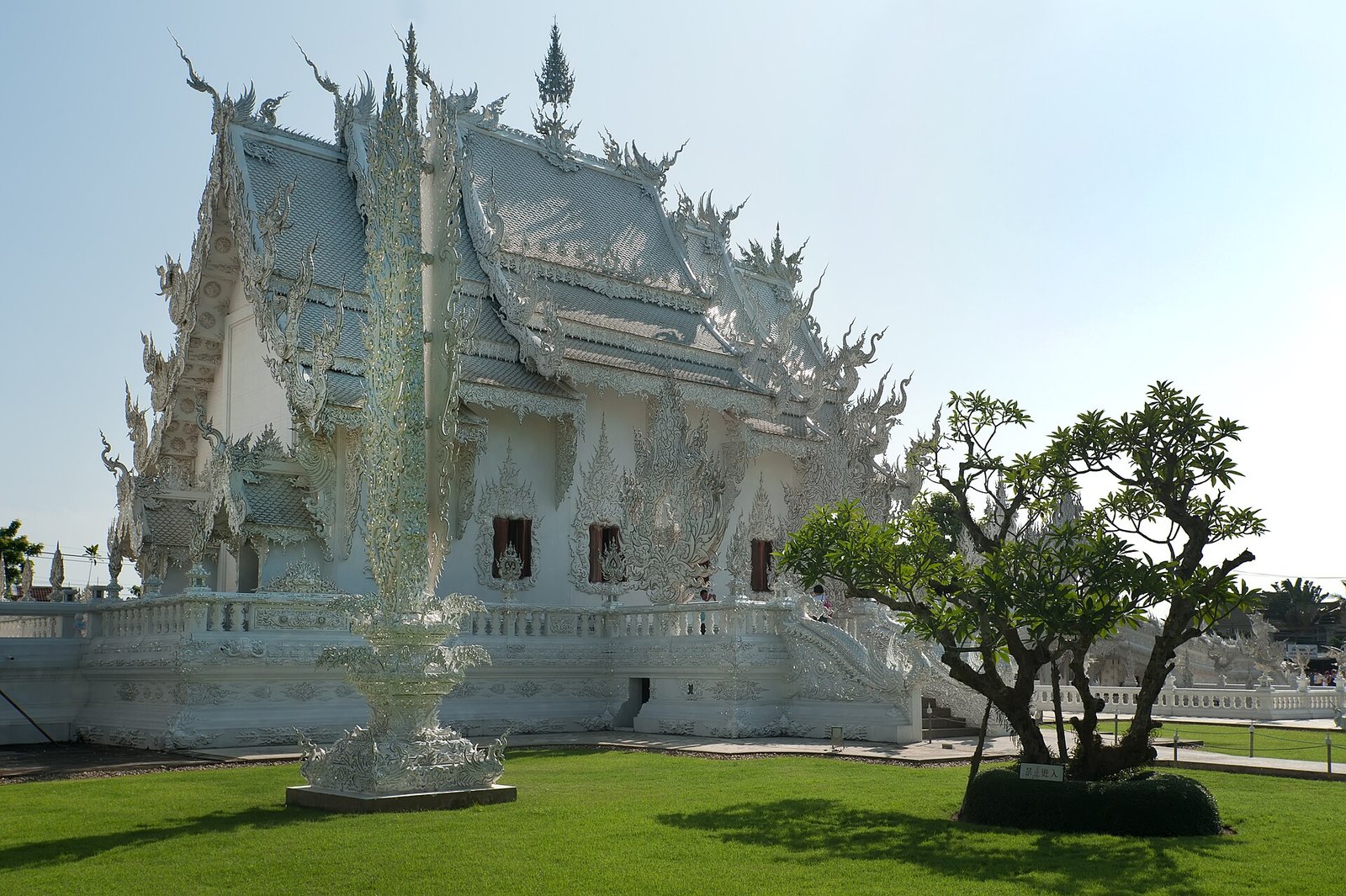
Wat Rong Khun (White Temple), Chiang Rai. Photo: Hans-Jürgen Neubert via Wikimedia Commons (CC BY 4.0).
TL;DR: The essential Chiang Rai experiences are the White Temple, the Blue Temple and Baan Dam in the city, a half-day at the Golden Triangle on the Mekong, and a day in the tea hills of Doi Mae Salong and Doi Tung — three to four days covers them comfortably.
This guide focuses on the best things to do in Chiang Rai specifically for travellers staying at the province’s luxury hotels and wanting a well-paced shortlist, rather than a checklist of every temple in the north.
Chiang Rai is often treated as a day trip from Chiang Mai, which is a shame. The city and the surrounding province reward a slower visit: extraordinary contemporary temples designed by local artists, tea-covered hills inhabited by hill-tribe communities, royal gardens, and the slow-moving Mekong at the point where Thailand, Laos and Myanmar meet. The pace is gentler than Chiang Mai and the evenings, especially in the cool season, are delightful.
Our top 10 is grouped by area so you can plan days efficiently. For where to stay while you explore, see our guide to the best luxury hotels in Chiang Rai and the Golden Triangle.
Temples and Art in Chiang Rai City
1. Wat Rong Khun (The White Temple)
Chiang Rai’s most famous sight is not an ancient ruin but a work of contemporary art. Conceived by the Thai artist Chalermchai Kositpipat, Wat Rong Khun is a dazzling white temple inlaid with mirrored glass, approached across a bridge over a sea of reaching hands symbolising desire. Inside, murals mix traditional Buddhist imagery with surprising pop-culture references. Arrive at opening time to avoid tour groups and the midday glare, and dress modestly.
2. Wat Rong Suea Ten (The Blue Temple)
A short drive from the city centre, the Blue Temple is a newer creation by a student of Chalermchai’s school of art. Its deep sapphire interior and gold detailing make it one of the most photogenic temples in Thailand, and it is usually quieter than the White Temple. Combine the two in a single morning.
3. Baan Dam Museum (The Black House)
The counterpoint to the White Temple, Baan Dam was the home and studio of the late national artist Thawan Duchanee. Dozens of dark teak buildings house animal skins, bones, carved furniture and art exploring darker themes in Buddhism. It is atmospheric, slightly unsettling and unforgettable.
4. Wat Phra Kaew Chiang Rai
Historically significant rather than spectacular, this temple is where the Emerald Buddha — now in Bangkok’s Grand Palace — was famously discovered in the fifteenth century. Today it houses a jade replica and a small museum, and its calm grounds make a pleasant contrast to the busier art temples.
The Golden Triangle and the Mekong
5. Golden Triangle Viewpoint and Hall of Opium
About an hour north of the city, the Golden Triangle marks the meeting of the Ruak and Mekong rivers and the borders of Thailand, Laos and Myanmar. The viewpoint is touristy, but the nearby Hall of Opium is a genuinely excellent museum telling the story of the region’s opium trade with thoughtful exhibits.
6. A Private Mekong Boat Trip and Chiang Saen
Long-tail and private boats run along the Mekong from the Golden Triangle, giving a sense of the river’s scale. Pair it with the ancient walled town of Chiang Saen, where ruined stupas sit among quiet streets — a reminder that this was an important Lanna centre long before Chiang Rai rose to prominence. Several luxury resorts in the area can arrange private boats with lunch on board.
Tea Hills, Royal Gardens and the Countryside
7. Doi Mae Salong Tea Plantations
High in the hills, Doi Mae Salong was settled by former Chinese Nationalist soldiers and their families, and their legacy lives on in Yunnanese food and oolong tea. Terraced plantations cover the slopes; stop at a tea house for a tasting and stay for a late lunch with views. Cool-season mornings often bring a sea of mist below the village.
8. Doi Tung Royal Villa and Mae Fah Luang Garden
The former residence of the late Princess Mother sits on the slopes of Doi Tung, surrounded by immaculate flower gardens. The Doi Tung Development Project, which helped replace opium cultivation with coffee, macadamia and crafts, is an inspiring story, and its café is an excellent place to try local coffee.
9. Singha Park
Closer to the city, this huge estate run by the Thai brewer offers tea fields, lakes, cycling routes, zip-lining and a farm restaurant. It is easy, relaxing and a good option for families or for a gentle afternoon after a busy temple morning.
Evenings in Chiang Rai
10. Clock Tower Light Show and the Night Markets
Chiang Rai’s golden Clock Tower, another Chalermchai Kositpipat design, comes alive with a short light-and-music show several times each evening. From there, stroll to the Night Bazaar for crafts and street food, or, on weekends, visit the walking-street markets, where local makers sell textiles, ceramics and snacks. It is a relaxed, friendly scene very different from Bangkok’s markets.
If you are planning a special occasion around these experiences, our Chiang Rai celebration trip planning guide shows how to build them into a group programme.
How to Plan Your Days
Chiang Rai’s highlights cluster neatly into three areas, so a sensible plan is one day per area plus a spare day for rest or spa time. Private drivers are inexpensive by Western standards and far more comfortable than tours; most luxury hotels can arrange one. Check opening times and seasonal schedules with the Tourism Authority of Thailand or your hotel concierge before setting out.
Many visitors pair Chiang Rai with Chiang Mai. If you are continuing south, see our picks for the best luxury hotels in Chiang Mai and the best wellness retreats in Chiang Mai to wind down after your trip.
Practical Tips for Sightseeing
- Start early. The art temples are busiest from late morning, when tour buses arrive from Chiang Mai. Being at the White Temple when it opens makes a real difference to the experience and your photographs.
- Carry small notes. Entry fees, tea tastings and market stalls are generally cash-only, and smaller vendors may struggle to change large banknotes.
- Pack layers in the cool season. Mornings in the hills around Doi Mae Salong and Doi Tung can be surprisingly chilly from December to January, even when afternoons in the city are warm.
- Respect temple etiquette. Remove shoes where asked, do not point your feet towards Buddha images, and keep voices low inside prayer halls.
- Check air quality in spring. If you travel between late February and April, look at daily air-quality readings and favour indoor sights such as the Hall of Opium and Baan Dam on hazy days.
- Ask your hotel about private guides. A good local guide brings the stories behind the art temples and hill-tribe villages to life and handles the driving logistics for you.
| Day | Area | Highlights | Time needed |
|---|---|---|---|
| Day 1 | Chiang Rai city | White Temple, Blue Temple, Baan Dam, Clock Tower show | Full day |
| Day 2 | Golden Triangle | Hall of Opium, Mekong boat trip, Chiang Saen | Full day |
| Day 3 | Highlands | Doi Mae Salong tea, Doi Tung gardens | Full day |
| Day 4 (optional) | Near the city | Singha Park, spa, night bazaar | Half to full day |
Key Takeaways
- Visit the White Temple at opening time and pair it with the Blue Temple and Baan Dam on the same day.
- Give the Golden Triangle a full day so you can include the Hall of Opium and a Mekong boat trip.
- Head to Doi Mae Salong and Doi Tung for tea, gardens and cool mountain air.
- Hire a private driver — distances are short but public transport to rural sights is limited.
- November to February offers the most comfortable weather; temple dress codes apply year-round.
Final Thoughts on Chiang Rai
Chiang Rai is at its best when you resist the urge to rush. Three or four days let you see the extraordinary art temples, follow the Mekong to the Golden Triangle and lose an afternoon in the tea hills, while still leaving time to enjoy your hotel. Treat it as a destination rather than a day trip, and Chiang Rai will reward you with some of the most memorable and least crowded experiences in northern Thailand.
Frequently Asked Questions
How many days do you need in Chiang Rai?
Three to four days is ideal. That allows one day each for the city temples, the Golden Triangle and the tea hills, plus an optional relaxed day near the city.
Is Chiang Rai worth visiting as a day trip from Chiang Mai?
A day trip is possible but rushed, as the drive is about three hours each way. Staying at least two nights lets you see the highlights without spending most of the day in a car.
What should I wear to the White Temple?
Cover your shoulders and knees, as at any Thai temple. Lightweight long trousers or a long skirt and a shirt with sleeves are ideal; remove shoes before entering the main hall.
When is the best time to visit Chiang Rai?
The cool season from roughly November to February offers clear skies and comfortable temperatures. Late February to April can be hazy because of seasonal burning, and May to October is the rainy season.
Is the Golden Triangle worth visiting?
Yes, particularly if you include the Hall of Opium museum and a boat trip on the Mekong. The viewpoint alone is brief, so combine it with nearby Chiang Saen for a fuller day.
About the Author
This guide was researched by the LuxStay editorial team — curating luxury island and Southeast Asia stays, updated regularly with on-the-ground verification.