Best Time to Visit Belitung Island, Indonesia (2026)
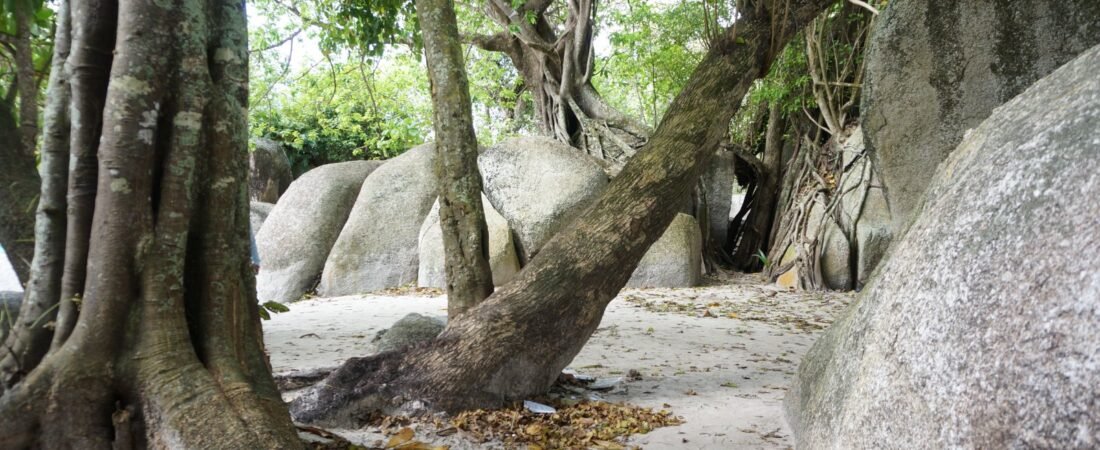
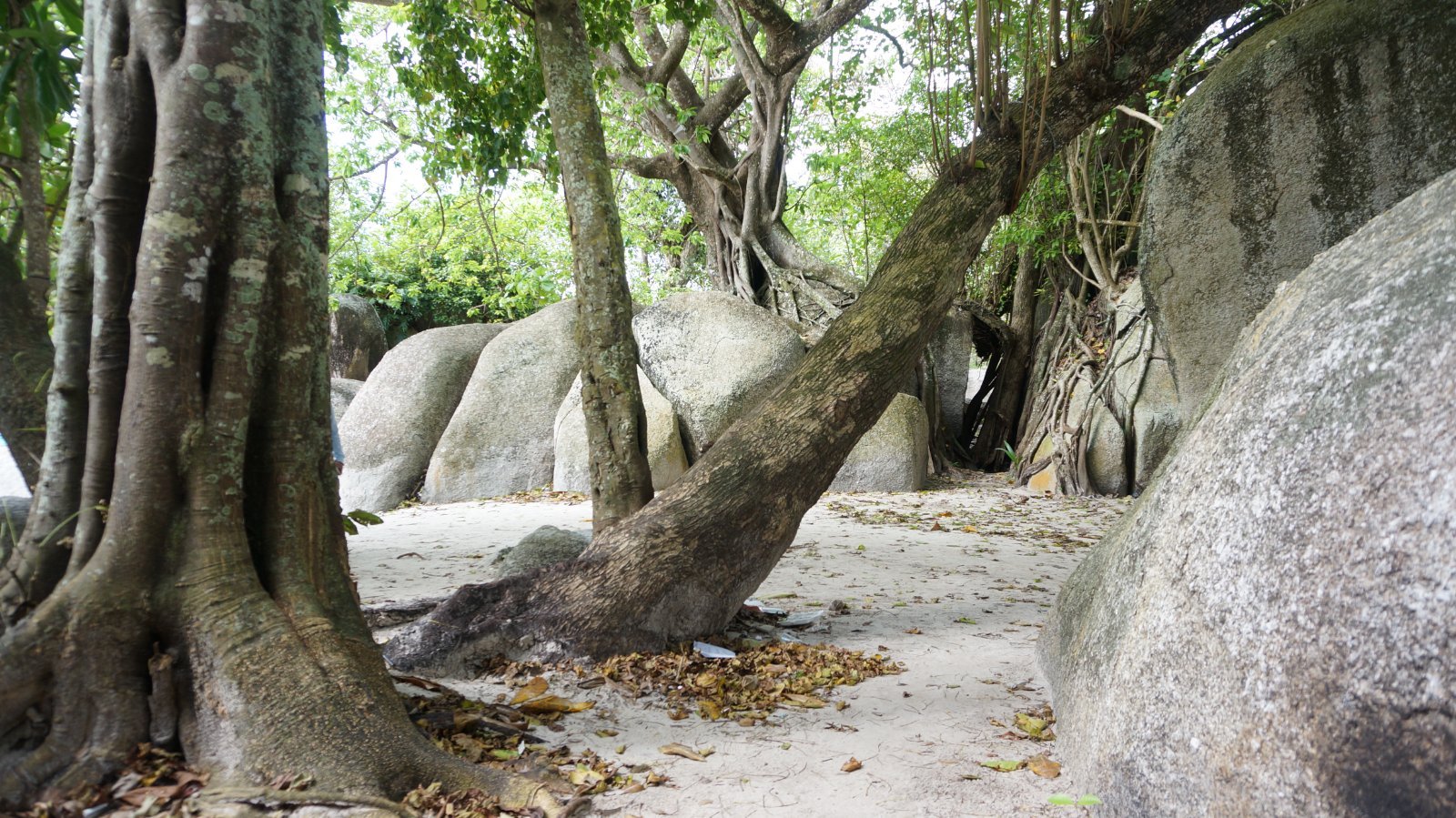
Illustrative island photograph.
This guide focuses on timing specifically for travelers planning to island-hop around Belitung’s granite boulder beaches and lighthouse islets, rather than a general Indonesia overview. Belitung sits off Sumatra’s east coast in the Java Sea and follows Indonesia’s western monsoon pattern, which means the calendar month you choose changes both the boat conditions for reaching outlying islands and how crowded Tanjung Tinggi gets on weekends.
Research-based guide · General climate and travel information current as of September 2026.
Quick Answer
April through October is Belitung’s dry season and the most reliable window for island-hopping boat trips to Lengkuas Island and the surrounding islets. Within that window, May, June and September tend to have calmer seas and fewer domestic holidaymakers than the July–August school-break peak.
Belitung by Season
| Months | Weather | Sea conditions | Crowds |
|---|---|---|---|
| April – June | Dry season begins; sunny with low rainfall | Generally calm, good for island hopping | Moderate; increases around school holidays |
| July – August | Driest, sunniest stretch of the year | Calm seas, best visibility for snorkeling | Peak; Indonesian school holidays bring the most visitors |
| September – October | Still largely dry, transitioning | Calm to moderate | Lower; a good compromise window |
| November – March | West monsoon; frequent rain showers | Choppier; some boat trips may be postponed | Lowest; some resorts offer off-season rates |
Why the Dry Season Matters More Here Than Elsewhere
Belitung’s biggest draw — boat trips out to Lengkuas Island, its Dutch colonial lighthouse built in 1882, and the smaller granite islets nearby — depends entirely on sea conditions rather than just sunshine. During the November-to-March west monsoon, operators occasionally cancel or reroute trips when swells pick up, which matters far more on Belitung than on a single fixed beach destination. If your itinerary is built around reaching multiple islets in one day, the April–October dry season materially lowers the risk of a washed-out day.
Avoiding the July–August Peak
July and August bring the calmest seas of the year, but also Indonesia’s main school holiday period, so Tanjung Kelayang’s boat harbor and Tanjung Tinggi’s granite outcrops get noticeably busier with domestic tourists. If you want dry-season conditions without the peak crowds, June and September are the better compromise, offering similarly reliable weather with a lighter footprint on the beaches and boats.
Flights from Jakarta and Booking Lead Time
Belitung is reached by air through Tanjung Pandan’s H.A.S. Hanandjoeddin Airport, with direct flights of roughly one hour from Jakarta on domestic carriers. Seat availability tightens considerably around Indonesian public holidays and the July–August school break, so book flights several weeks ahead if traveling during those windows; shoulder-season travel in May, June, September or October generally allows more flexible, last-minute booking.
What to Pack for Either Season
- Reef-safe sunscreen and a rash guard, since much of the day is spent in open boats and shallow snorkeling spots with little shade.
- A dry bag for phones and cameras — granite-islet hopping means repeated wading and short open-boat crossings.
- A light rain jacket even in the dry season, since brief showers can occur outside the core West monsoon months too.
- Cash in Indonesian rupiah; card acceptance is inconsistent at small boat operators and beach warungs outside the main town.
Island Hopping Logistics Around the Season
Most island-hopping trips depart from Tanjung Kelayang harbor by small wooden boat, visiting a rotating combination of islets such as Lengkuas, Kepayang and Batu Berlayar in a single day. Departure times are typically set by the boat operators each morning based on that day’s sea conditions, so build a buffer day into your itinerary during the wetter months in case a crossing is postponed. For general climate background, Indonesia’s Meteorology, Climatology and Geophysical Agency (BMKG) publishes seasonal forecasts, and the Wikipedia overview of Belitung covers the island’s geography and history in more depth.
How Belitung Compares to Other Indonesian Islands
Belitung’s granite-boulder coastline is visually distinct from the volcanic beaches of Bali or Lombok, and its tin-mining history gives the main town, Tanjung Pandan, a different character from Indonesia’s more resort-driven islands. If you are deciding between Belitung and a more built-up alternative, see our Indonesia island-hopping guide for how Belitung fits alongside Bali, Lombok and Komodo, or compare it with another under-the-radar Indonesian island in our Karimunjawa guide.
Whichever month you choose, reconfirm your island-hopping booking the evening before departure, since operators typically finalize the next day’s route based on the latest local forecast rather than a fixed schedule. Also see our Belitung resort guide for where to stay, and our Southeast Asia month-by-month guide for how this fits a wider regional trip.
Combining Belitung with a Longer Trip
Because Belitung connects most easily through Jakarta, many visitors combine it with a few days in the capital or route onward to Sumatra or Java. If your overall trip spans both dry and wet regions of Indonesia, remember that the west monsoon calendar described here applies specifically to Belitung and western Indonesia; islands further east, such as Komodo or Flores, run on a different seasonal rhythm and should be checked separately. The Wikipedia overview of the wider Bangka Belitung Islands province is a useful starting point for understanding how the region’s climate differs from central and eastern Indonesia.
Which Beaches and Islets Suit Which Season
Tanjung Tinggi, the granite-boulder beach made famous by the film Laskar Pelangi (Rainbow Troops), is accessible year-round since it does not require a boat crossing, making it a safe anchor point for a rainy-season itinerary. Tanjung Kelayang, the main departure harbor for island-hopping trips, is where seasonal sea conditions matter most: during the dry season, operators can generally reach all of the popular islets — Lengkuas, Kepayang, Batu Berlayar and Pulau Pasir, a sandbar that only appears at low tide — in a single day. During the wetter months, expect operators to prioritize the closer islets and skip Pulau Pasir or the more exposed crossings if swells are up. If seeing the Lengkuas lighthouse and climbing to its viewing platform is a priority, build your trip around the dry season rather than treating it as a guaranteed add-on regardless of weather. Bring cash for the small entrance donations some islet stops request, and confirm with your boat operator each morning which stops are included that day, since the exact combination of islets can shift with conditions even within the dry season.
Accommodation Availability Through the Year
Belitung’s hotel and resort inventory is smaller than better-known Indonesian islands, so availability tightens noticeably during the July–August school holidays and around major Indonesian public holidays such as Eid al-Fitr, when domestic travel spikes nationwide. Booking two to three months ahead is sensible for those peak windows. In the November–March wet season, by contrast, many properties lower rates and availability is rarely a constraint, which suits travelers more interested in a quiet, budget-friendly trip than guaranteed boat access to every islet.
Diving and Snorkeling Visibility by Month
Underwater visibility around Belitung’s granite islets generally tracks the same dry-season pattern as the surface sea conditions: calmer water in the April–October window typically means less suspended sediment and better snorkeling visibility around the shallow reefs near Kepayang and Batu Berlayar. During the west monsoon, runoff and wave action can reduce visibility noticeably, so travelers whose main goal is snorkeling rather than sightseeing should weight their planning even more heavily toward June through September, and should pack their own mask and snorkel if they prefer familiar, well-fitted gear over rental sets shared between boat groups.
A Sample Week Timed to the Dry Season
A common pattern for first-time visitors is three to four nights based near Tanjung Kelayang or Tanjung Tinggi, with one full day set aside for island hopping and a buffer day held in reserve in case that trip needs to be rescheduled around weather. Pairing this with a day exploring Tanjung Pandan’s tin-mining heritage sites and local seafood restaurants rounds out a trip without requiring a second base on the island. Travelers arriving in the wetter months should build in more flexibility around the boat day specifically, since it is the one part of a Belitung itinerary most exposed to seasonal disruption; the beaches, museums and town itself remain accessible regardless of rain.
Frequently Asked Questions
What is the absolute best month to visit Belitung?
June and September usually offer the best balance of dry-season sea conditions and lighter crowds, avoiding the July–August domestic holiday peak.
Can you still visit Belitung in the rainy season?
Yes, but expect more frequent rain showers and a higher chance that island-hopping boat trips are postponed or rerouted due to rougher seas.
How do you get to Belitung?
Most visitors fly into Tanjung Pandan’s H.A.S. Hanandjoeddin Airport from Jakarta, a flight of roughly one hour on domestic carriers.
Is Belitung crowded like Bali?
No. Belitung sees far fewer international visitors than Bali; its busiest period is the domestic July–August school holiday rather than a year-round international crowd.
Do you need to book island-hopping boats in advance?
During the July–August peak and around Indonesian public holidays, booking a day or two ahead is safer; in quieter shoulder months, boats can often be arranged the same morning.
A final practical note: Belitung’s tourism infrastructure has grown steadily but remains modest compared with Bali or Phuket, so English signage and English-speaking guides are less universal outside the main hotels. Arranging boat trips and transfers through your accommodation rather than independently is the simpler route for most first-time visitors, and it also gives you a local point of contact if a departure needs to shift due to weather. Verify current flight schedules and boat operator availability before finalizing your trip, since both can change seasonally.