
Best Time to Visit the Cook Islands in 2026
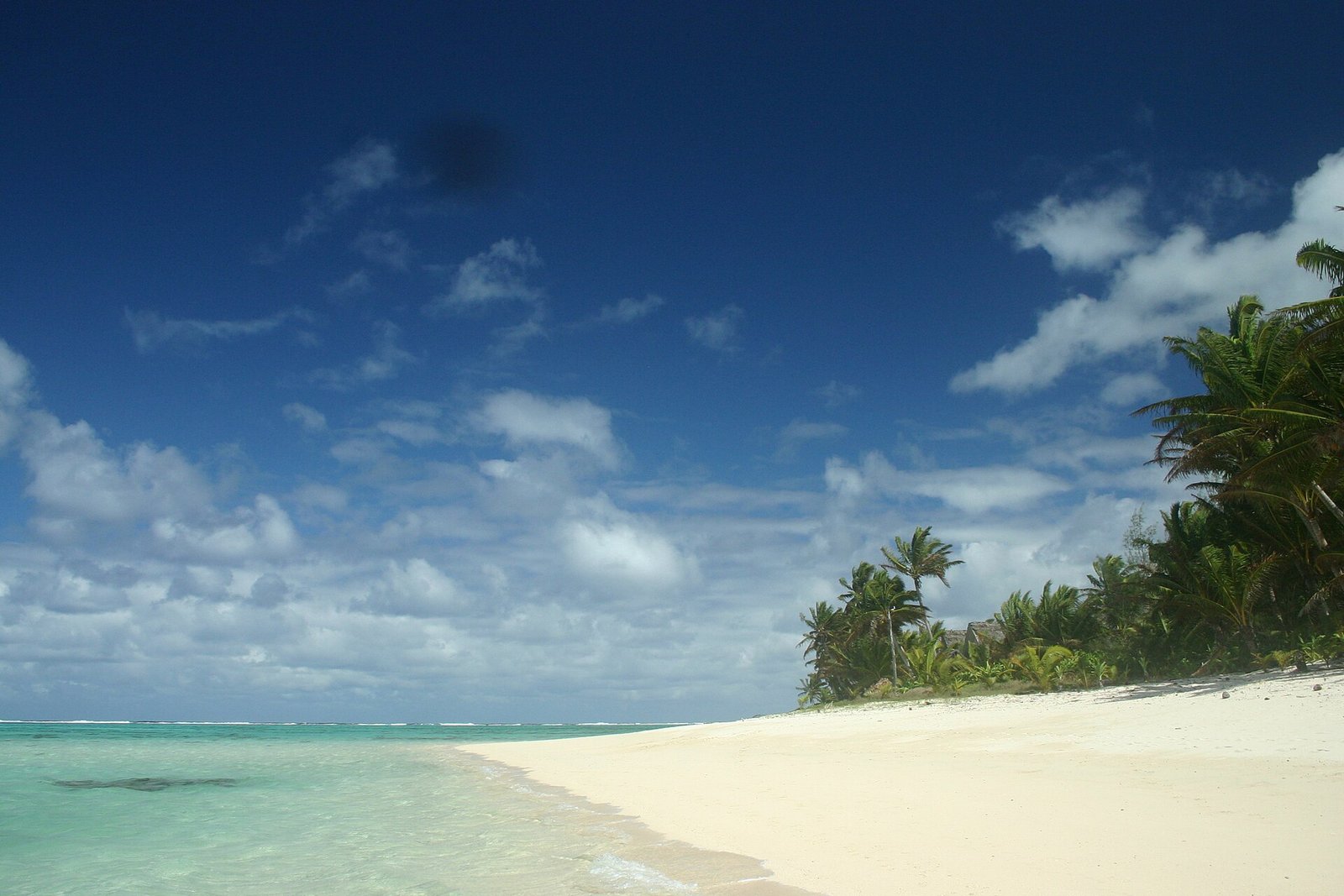
Titikaveka, on the south coast of Rarotonga.
The Cook Islands are warm all year, so there is no truly bad time to go. What changes from month to month is rainfall, humidity, cyclone risk, ocean conditions, prices and how busy Rarotonga and Aitutaki feel. Choosing the right month is less about chasing perfect weather and more about matching the season to your priorities.
This guide focuses on timing a first Cook Islands trip specifically for couples and families travelling from New Zealand, Australia and North America who want to balance weather, crowds and cost. If you already know your dates, our Aitutaki lagoon guide and Cook Islands honeymoon guide cover what to do once you arrive.
Quick answer
For the most reliable weather, visit between May and October, the cooler and drier season. For the best mix of good weather and fewer crowds, aim for May, June, late September or October. November to April is hotter, wetter and cyclone-prone, but it also brings lower rates and quieter beaches outside the Christmas holidays.
The Cook Islands seasons at a glance
The southern Cook Islands, including Rarotonga and Aitutaki, have a tropical climate with two broad seasons. Temperatures stay in the mid-20s to around 30°C all year, and sea temperatures remain comfortable for swimming. The table below summarises what to expect.
| Period | Weather | Crowds and prices | Good for |
|---|---|---|---|
| May–June | Drying out, pleasant warmth, lower humidity | Moderate; shoulder-season value | Couples, hiking, snorkelling |
| July–August | Coolest and driest months; breezy evenings | Busiest; NZ and Australian school holidays | Families, festivals, whale watching |
| September–October | Dry, sunny, warming up | Moderate; good availability | Honeymoons, lagoon days, whales |
| November–December | Hotter and more humid; showers increase | Quiet until the Christmas peak | Budget travellers, deals |
| January–March | Hottest and wettest; peak cyclone risk | Quietest and cheapest | Flexible travellers with insurance |
| April | Transitional; rain easing | Quiet, Easter can be busy | Value seekers |
Month-by-month notes
- January and February: the hottest, most humid months, with frequent heavy showers and the highest cyclone risk. Rates are low once the New Year rush ends, but keep plans flexible.
- March and April: still warm and wet early on, with conditions gradually easing through April. Easter can bring a short spike in visitors from New Zealand.
- May: one of the best-value months. The rains taper off, humidity falls and resorts are relatively quiet before the winter holiday rush.
- June: dry and comfortable, with cooler nights. A strong choice for couples who want dry-season weather before the school holidays begin.
- July and August: the coolest and driest stretch, with lively festivals and busy resorts. Expect breezy days on the water and book well ahead.
- September and October: sunny, calm and warming up again, with whales still around and crowds thinning. Many repeat visitors consider this the ideal window.
- November and December: heat and humidity rise, showers become more frequent, and prices dip until the Christmas holidays push demand back up.
Dry season: May to October
The dry season is the classic time to visit. Humidity drops, days are sunny and evenings can be cool enough for a light layer, particularly in July and August. Trade winds keep conditions comfortable, and visibility for snorkelling is often excellent. This is also when hiking routes such as Rarotonga’s Cross-Island Track are drier and safer underfoot.
The trade-off is demand. July and August overlap with New Zealand and Australian school holidays, which means more families on Rarotonga, fuller flights to Aitutaki and higher accommodation rates. If you want dry-season weather without peak crowds, May, June, September and October are the sweet spots.
- Pack: a light jacket or long-sleeved layer for evenings and windy boat trips.
- Book: resorts and domestic flights several months ahead for July and August.
- Expect: occasional showers and breezy days even in the dry season; the weather is tropical, not desert-like.
Wet season: November to April
From November the air becomes hotter and more humid, and rainfall increases. Showers often arrive as heavy afternoon downpours followed by sunshine rather than days of continuous rain, but there can be longer wet spells. The months of January to March are the hottest and wettest of the year.
This period is also the South Pacific cyclone season. Cyclones do not strike every year, and many visitors travel in these months without problems, but a storm can bring flight disruptions, rough seas and cancelled lagoon cruises. If you book during the wet season, choose flexible rates and travel insurance that covers weather disruption, and monitor forecasts in the days before you fly.
The upside is value. Outside the Christmas and New Year peak, resorts are quieter, rates are lower and you may find upgrades or extra-night deals. Sea temperatures are at their warmest, which suits swimmers and snorkellers.
Crowds, school holidays and prices
Because most visitors come from New Zealand and Australia, school holiday calendars in those countries have a large impact on demand. The busiest periods are typically the July school holidays, the Christmas to mid-January period and Easter. The Te Maeva Nui celebrations around late July and early August also draw extra visitors.
How to find better value
- Travel in shoulder months such as May, June, late September and October for good weather and better rates.
- Avoid school holiday weeks if you are not travelling with children.
- Split your stay between Rarotonga and Aitutaki; Rarotonga has more mid-range options, allowing you to save for a few special nights on Aitutaki.
- Look for packages from New Zealand and Australia, which often bundle flights and accommodation at better prices than booking separately.
Festivals, whales and seasonal highlights
Timing your trip around a seasonal event can add a lot to the experience. The main highlights are:
- Te Maeva Nui (late July to early August): the national celebration marking the anniversary of self-government on 4 August, with dance competitions, drumming, singing and parades on Rarotonga. It is the best time to see Cook Islands performing arts at their most competitive and colourful.
- Humpback whale season (roughly July to October): humpback whales migrate through Cook Islands waters, and sightings from shore or on whale-watching trips are possible, particularly around Rarotonga. Sightings are never guaranteed. If whales are your main goal, compare this with swimming with whales in Tonga.
- Island Nights (all year): dinner shows with traditional dance and drumming run year-round at resorts and cultural venues.
- Christmas and New Year: church services, family gatherings and a festive atmosphere, but also peak demand and higher prices.
Check the official Cook Islands Tourism website for current festival dates, since these can shift slightly from year to year.
The best month for your type of trip
- Honeymoon: September or October, for dry weather, calm lagoons, fewer families and possible whale sightings. See our honeymoon guide for resort ideas, and compare with Bora Bora if you are still choosing a destination.
- Family holiday: July for the most reliable weather and festival atmosphere, or June to avoid the school holiday peak if you can take children out of school.
- Budget trip: November or April, when rates fall but the cyclone peak is not at its height.
- Hiking and outdoor activities: May to September, when trails are drier and temperatures more comfortable.
- Snorkelling and lagoon days: any month can work, but May to October usually offers calmer conditions and clearer water.
Wherever you are travelling from, check entry requirements and travel advisories before you book through official sources such as SafeTravel or Smartraveller. Flight schedules from Auckland and other gateways change by season, so check Air New Zealand and other carriers for your dates.
If you are comparing South Pacific destinations for the same dates, our guides to Fiji and Samoa follow a similar seasonal pattern, so the same advice about the dry season and cyclone months broadly applies.
Packing for each season
Packing light makes island-hopping easier, because domestic flights to Aitutaki have tighter baggage limits than international services. Laundry services are widely available at resorts, so a week’s worth of quick-dry clothing is plenty even for a longer trip.
What you pack depends on when you go. Some items are essential year-round, and some are specific to the season:
- Year-round: reef-safe sunscreen, a hat, sunglasses, a rash vest, water shoes for coral and rocky entries, insect repellent and a reusable water bottle.
- Dry season extras: a light fleece or long-sleeved top for breezy evenings, and a windproof layer for boat trips.
- Wet season extras: a packable rain jacket, quick-dry clothing, a dry bag for phones and cameras, and a little extra flexibility in your schedule.
- For church and villages: modest clothing that covers shoulders and knees, especially for Sunday services.
Frequently Asked Questions
What is the best month to visit the Cook Islands?
September and October are excellent all-round choices, with dry, sunny weather, calm lagoons and fewer crowds than July. May and June are also good shoulder-season months.
When is cyclone season in the Cook Islands?
Cyclone season runs roughly from November to April, with the highest risk from January to March. Not every year brings a cyclone, but flexible bookings and travel insurance are wise.
When is the cheapest time to visit the Cook Islands?
The wet season months outside Christmas and Easter, especially February, March and November, generally have the lowest accommodation rates.
Can you see whales in the Cook Islands?
Humpback whales pass through Cook Islands waters roughly from July to October. Sightings are possible from shore and on tours around Rarotonga, but are not guaranteed.
Is the Cook Islands busy in July?
Yes. July coincides with New Zealand and Australian school holidays and the Te Maeva Nui festival, making it one of the busiest and priciest months.
What is the weather like in the Cook Islands in December?
December is hot and humid with more frequent showers. It is the start of cyclone season, and the Christmas period is busy with visiting families.
Hero photo: Robert Engberg via Wikimedia Commons, CC BY 2.0. Details such as rates, schedules and policies change; confirm directly with operators before booking.